These are the 10 national parks travellers just can’t get enough of.
NSW’s national parks just had their biggest year on record. In the 2024–25 financial year, 65.5 million visits were made to the state’s network of around 900 parks and reserves – smashing the previous record of 60 million set back in 2018.
The numbers behind the numbers are equally striking. Of those 65.5 million visits, 37 million happened outside Greater Sydney. And for the first time, the NSW National Parks and Wildlife Service tracked international visitation – finding that 72 per cent of overseas tourists to NSW visited at least one national park, generating 4.6 million visits on their own.
Before we dive into the list, we want to say upfront that visitors should always be mindful of the impact they have on our national parks. Stick to the marked tracks to avoid erosion, avoid unofficial lookouts, take your rubbish with you, respect closures and cultural sites and visit midweek or early in the day wherever possible.
So, where is everyone actually going? Here are the 10 most visited parks in NSW, and what keeps drawing people back.
1. Blue Mountains National Park – 7.8 million visits
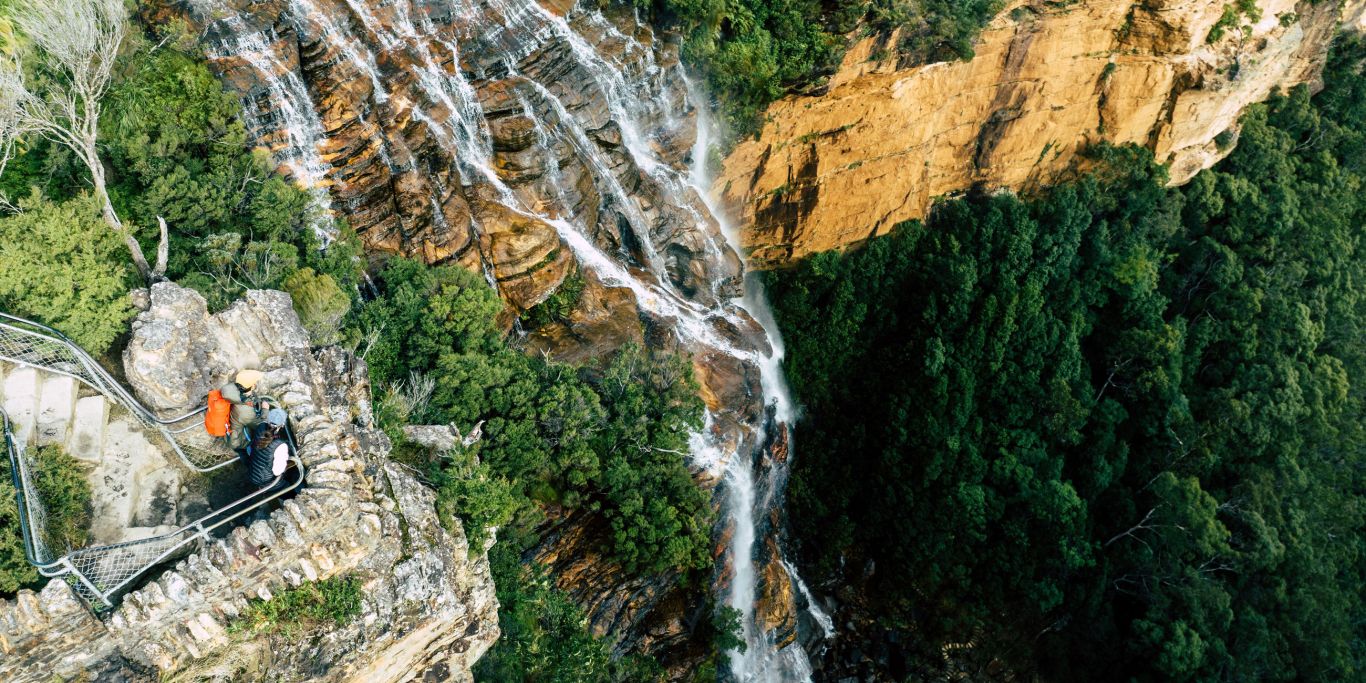
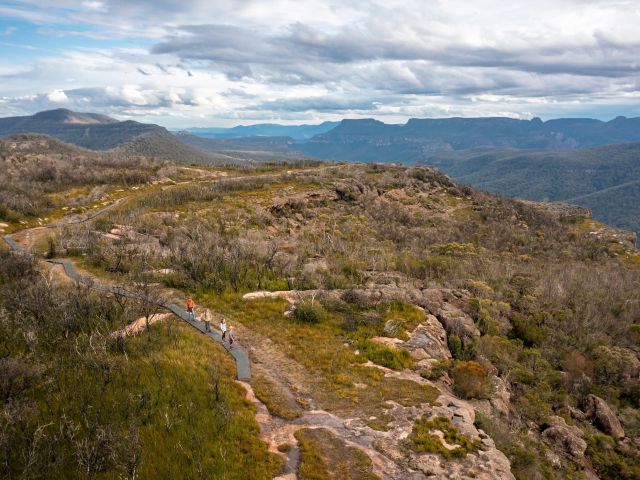
The Blue Mountains is NSW’s most visited national park. (Credit: R Brand / DCCEEW)
It’s not even close. The Blue Mountains attracted more visitors than any other national park in the state, and it’s easy to understand why. World Heritage-listed, impossibly scenic and just 90 minutes from Sydney’s CBD, it offers something for everyone – from the Scenic World boardwalk to wilderness treks through the Grand Cliff Top Walk and beyond. The Three Sisters remain one of the most photographed spots in the country. Take time to soak in the magic of these ancient rainforest gullies and the kind of views that make you stop mid-step and just stand there.
2. Royal National Park – 4.9 million visits
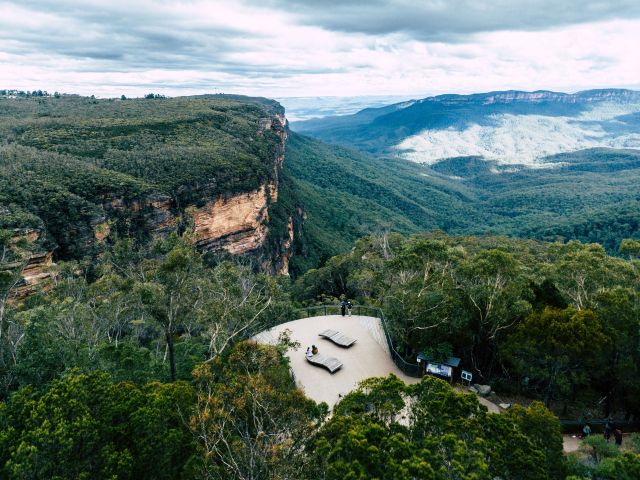
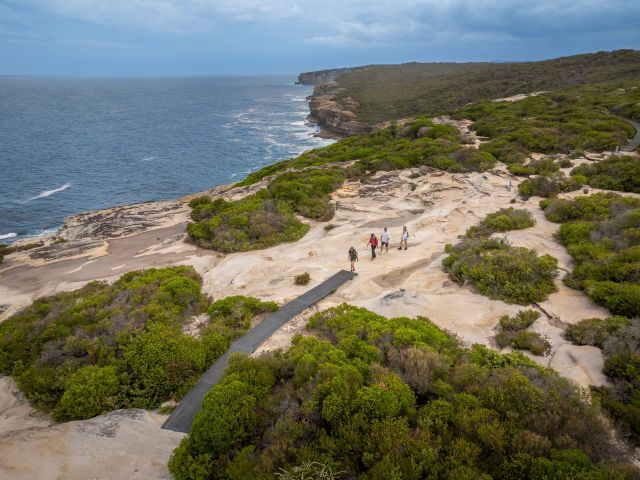
Royal National Park is the world’s second-oldest national park. (Credit: J Spencer / DCCEEW)
The world’s second-oldest national park sits just 30 kilometres south of Sydney and feels like a secret the city keeps badly. Royal draws nearly five million visitors a year for its coastal cliff-top walks, sheltered swimming beaches and wildflower displays that explode into colour each spring. The Coast Track – a 26-kilometre multi-day walk from Bundeena to Otford – is one of the finest coastal walks in Australia, full stop.
Need tips, more detail or itinerary ideas tailored to you? Ask AT.
AI Prompt
3. Ku-ring-gai Chase National Park – 4.3 million visits
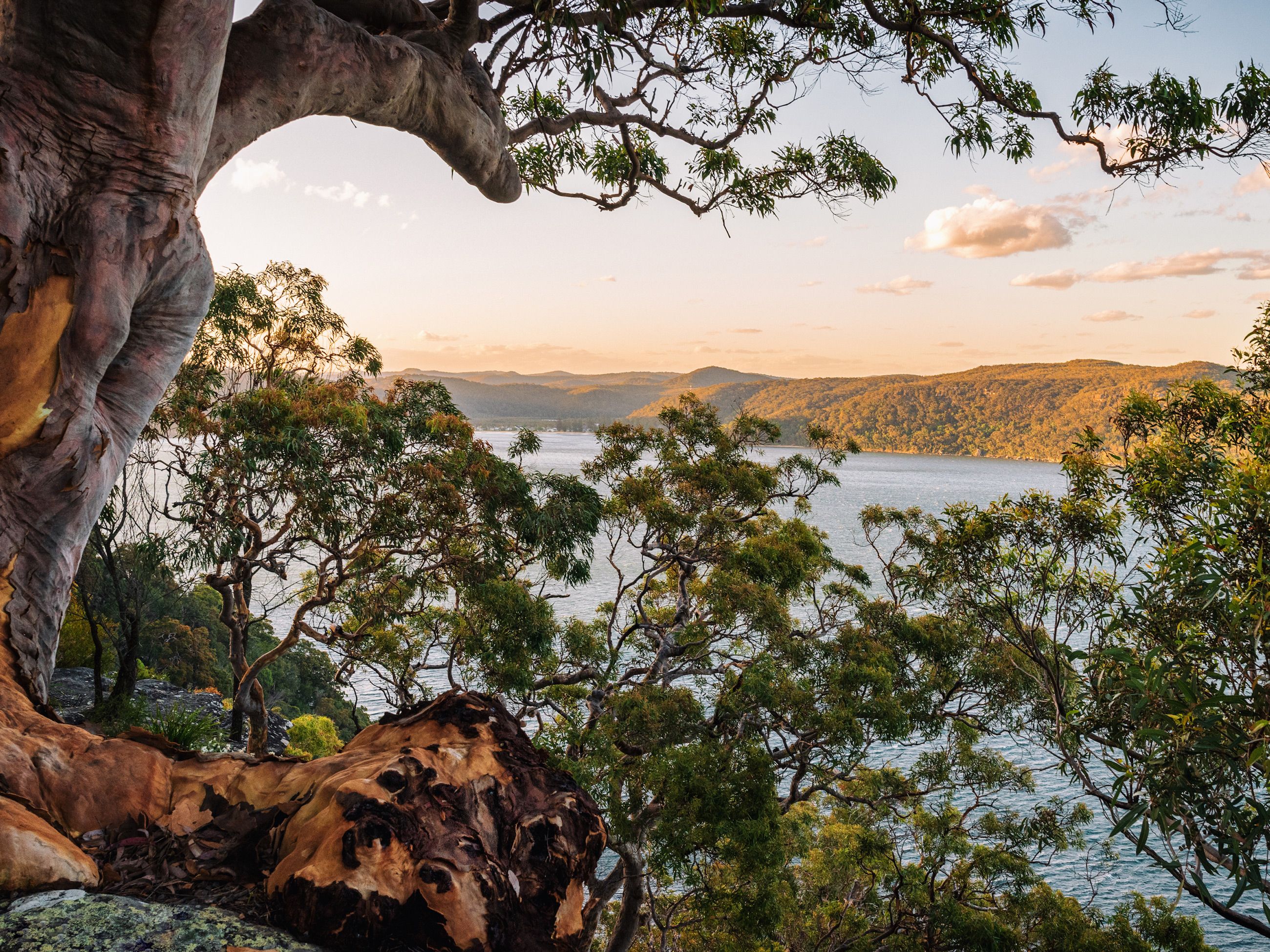
Ku-ring-gai Chase is a park of two personalities. (Credit: P Ogden / DCCEEW)
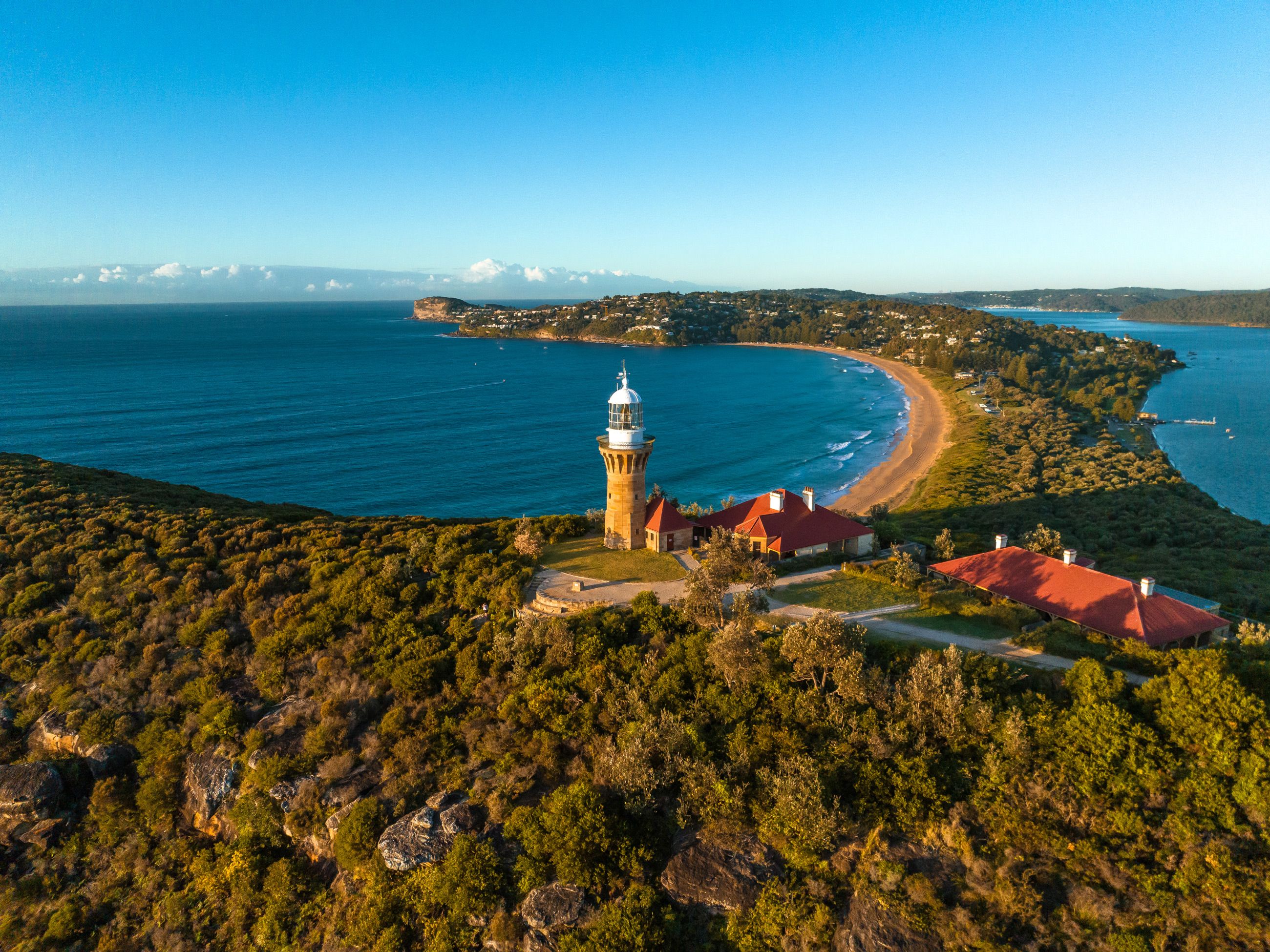
Explore Barrenjoey Lighthouse. (Credit: D Parsons / DCCEEW)
On Sydney’s northern fringe, Ku-ring-gai Chase protects one of the largest collections of Aboriginal rock engravings in NSW alongside the stunning waterways of the Hawkesbury River. It’s a park of two personalities: quiet forest trails and sandstone plateau walks on one hand, and popular boating, kayaking and picnicking spots on the other.
4. Lane Cove National Park – 2.4 million visits
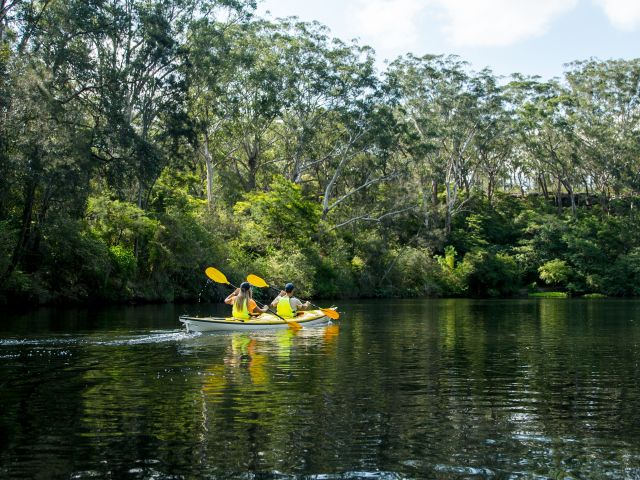
Lane Cove River is perfect for kayakers. (Credit: D Parsons / DCCEEW)
A green ribbon running through Sydney’s inner north, Lane Cove punches well above its size. The river walking and cycling trails draw a loyal local crowd year-round, and the calm flatwater is perfect for kayakers and stand-up paddleboarders wanting to escape the harbour chop.
5. Kosciuszko National Park – 2.4 million visits
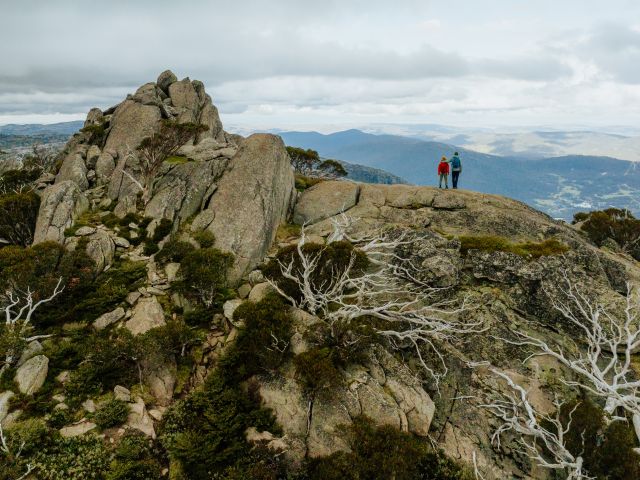
Kosciuszko National Park isn’t only a winter destination. (Credit: D Parsons / DCCEEW)
The only park in the top five that isn’t on Sydney’s doorstep, Kosciuszko is a two-season destination in the Snowy Mountains, drawing visitors for skiing and snowboarding in winter and alpine wildflower walks, including to Australia’s highest suspension bridge, in summer. At 2.4 million visits, it’s proof that Australians will travel for the right landscape.
6. Sydney Harbour National Park – 2.2 million visits
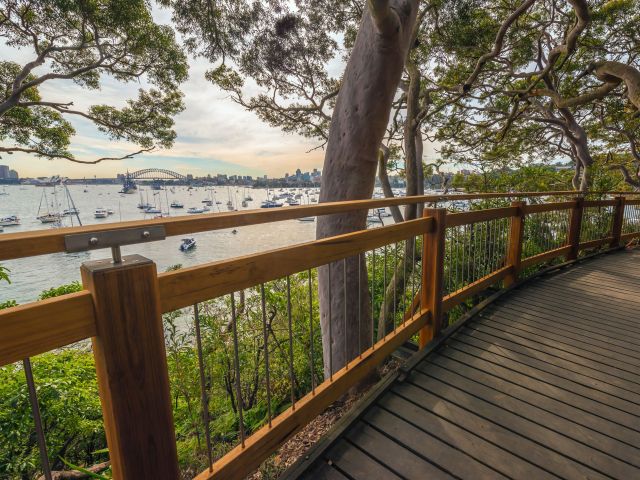
2.2 million people visited Sydney Harbour National Park. (Credit: J Spencer / DCCEEW)
One of the most unusual parks in NSW, Sydney Harbour National Park is scattered across dozens of separate headlands, bushland reserves and islands around the harbour. It protects historic fortifications, quiet coves and some of the most coveted camping spots in the country – Cockatoo Island and the Quarantine Station among them. Over 2.2 million people found their way in last year, which makes sense: it’s everywhere, and it’s free.
Weekly travel news, experiences insider tips, offers, and more.
7. Brisbane Water National Park – 2.1 million visits
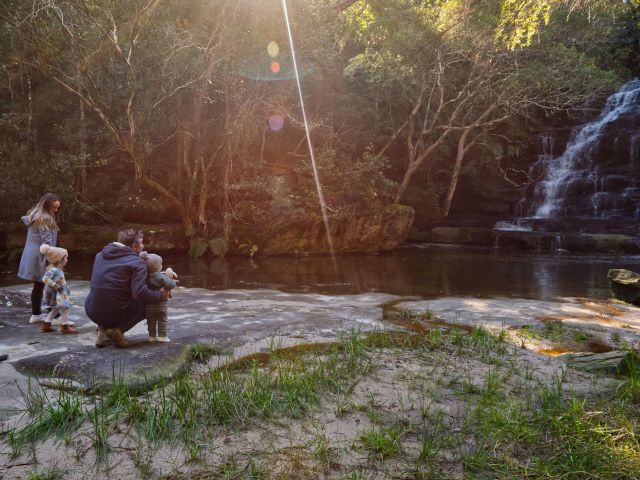
Visit Somersby Falls in Brisbane Water National Park. (Credit: J Spencer / DCCEEW)
On the Central Coast, Brisbane Water is best known for two things: its spectacular wildflower season in spring, when the heathland erupts with colour, and its extensive network of Aboriginal rock engravings at Bulgandry and elsewhere. The park’s estuaries and inlets are popular with kayakers and fishing enthusiasts, and the Bouddi Peninsula walking track passes through the southern edge of the park on its way to some very fine coastal views.
8. Morton National Park – 1.9 million visits
If you’ve been to the Blue Mountains but not Morton, this is the one to add to the list. (Credit: J Spencer / DCCEEW)
Morton is one of NSW’s largest and most underrated parks – a vast sandstone wilderness in the Southern Highlands that rewards those willing to go looking. Deep slot canyons, hidden waterfalls and the spectacular Fitzroy Falls are the drawcards, alongside some of the best remote camping in the state. If you’ve been to the Blue Mountains but not Morton, this is the one to add to the list.
9. Bouddi National Park – 1.6 million visits
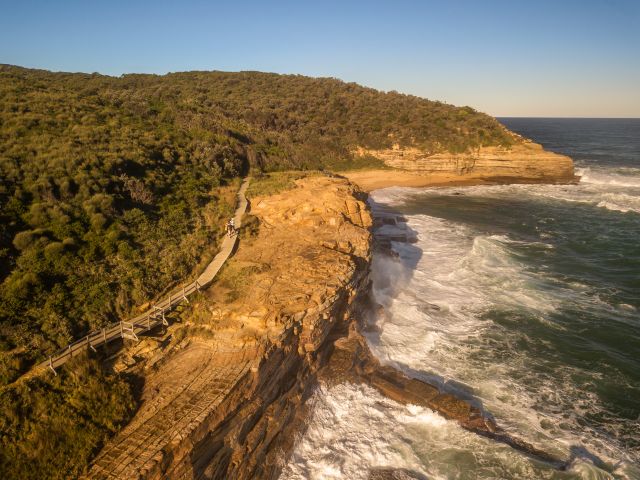
The Bouddi Coastal Walk is one of the country’s best walks. (Credit: J Spencer / DCCEEW)
A compact coastal gem between Gosford and Broken Bay, Bouddi rewards the effort it takes to get there. The multi-day Bouddi Coastal Walk links a series of beaches and headlands above a protected marine park, offering some of the best snorkelling on the NSW coast. Little Beach – only accessible on foot – is the kind of place that earns its name.
10. Glenrock State Conservation Area – 1.5 million visits
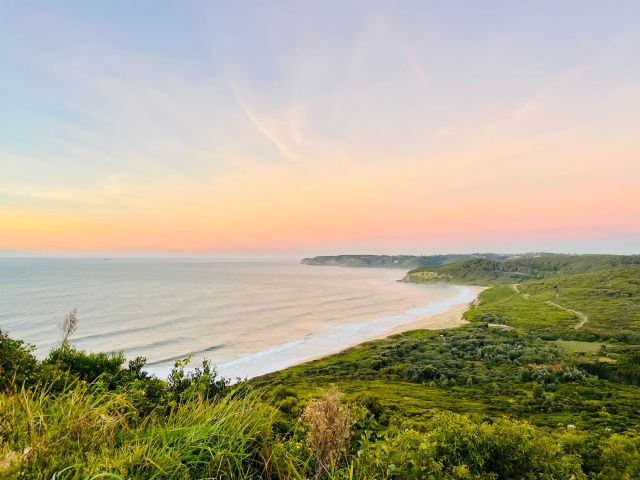
Discover Burwood Beach. (Credit: N Adamson / DCCEEW)
Rounding out the top 10 is a Newcastle favourite that many Sydneysiders haven’t heard of. Glenrock is a rugged coastal conservation area offering world-class mountain biking trails, a surf beach, and one of the few protected coastal areas in NSW where dogs are permitted.
Want to see more stories from Australian Traveller in your Google search results?
Tick the box next to "Australian Traveller". That's it.
Emily Murphy is Australian Traveller's Email & Social Editor, and in her 4+ years at the company she has been instrumental in shaping its social media and email presence, and crafting compelling narratives that inspire others to explore Australia's vast landscapes. Her previous role was a journalist at Prime Creative Media and before that she was freelancing in publishing, content creation and digital marketing. When she's not creating scroll-stopping travel content, Em is a devoted 'bun mum' and enjoys spending her spare time by the sea, reading, binge-watching a good TV show and exploring Sydney's vibrant dining scene. Next on her Aussie travel wish list? South Australia and The Kimberley.
The outback is calling, and the adventure is made all the easier with this hot new AAT Kings’ tour.
It’s the desert palette of rust-red earth and vast cobalt sky that calls you at first, for where better to get away from it all than the outback? Of course, once you start driving, taking note of all the weathered pubs, dusty tracks and tiny towns held together with humour, resilience and more corrugated iron than ever deemed possible, something else grabs a hold of you: the idea that far from the celebrated icons and landmarks associated with Australia, you’re finally immersed in an authentic slice of local life that few have ever experienced.
Ancient landscapes, proud pastoral histories, ghost towns, culinary powerhouses and a rich Indigenous heritage; there are plenty of facets to life on the land. The best way to experience all of the above with both ease and like-minded friends? AAT Kings’ new Outback New South Wales Adventurer, a 9-day small group tour. This Sydney-return itinerary is designed to connect travellers not only with iconic outback destinations, but with the characters, culture and experiences that bring each place to life.
Highlights? The Adventurer has more than a few, but here are eight to start.
1. Broken Hill
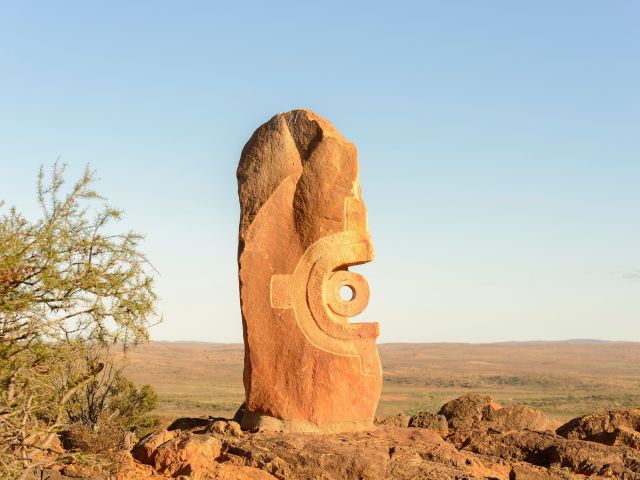
See the striking art at Living Desert and Sculptures. (Credit: Destination NSW)
Welcome to Broken Hill, where mining history, outback eccentricity and a surprisingly rich arts scene unite in a rusty desert landscape. In Australia’s first heritage-listed city, exploration is quickly rewarded. Begin with a guided walking tour taking in the city’s grand Victorian and Art Deco architecture. Later, enjoy visits to both the Broken Hill City Art Gallery and the Living Desert and Sculptures – the perfect place to enjoy the changing colours of an outback sunset. Of course, no visit to Broken Hill is complete without a stop at the historic Palace Hotel Broken Hill, famous for its role in The Adventures of Priscilla, Queen of the Desert. Happily, it makes for the perfect spot for dinner.
2. White Cliffs
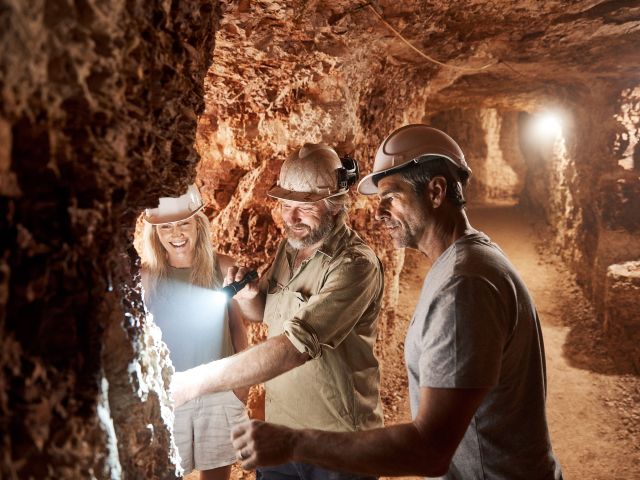
Strap on your hardhat and head underground. (Credit: Destination NSW)
Strap on your hardhat and start spending your imaginary fortunes; White Cliffs, Australia’s oldest commercial opal field, is begging you to come in search of rare pineapple opals. Admittedly, you’re much more likely to find white opals, but the true gems of White Cliffs – where much is built underground to escape the desert heat – are everywhere.
Here, you’ll descend 13.5 metres underground into a working mine to learn about the region’s heritage, and observe how miners continue the search for these prized gemstones. Perhaps you’ll even find a couple yourself?
3. Mungo National Park
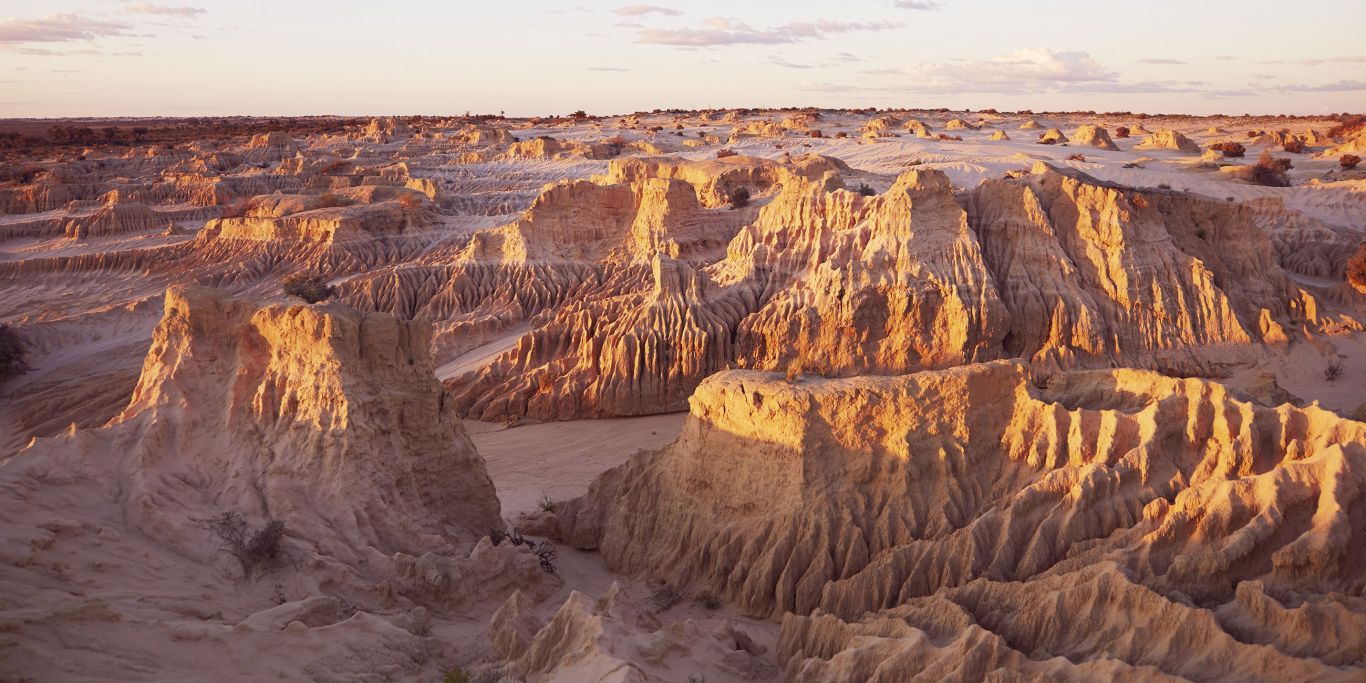
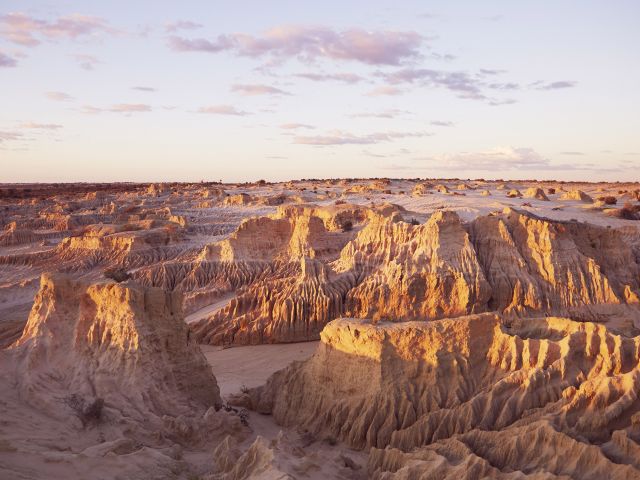
Spend time in the striking, lunar-like landscape of Mungo National Park. (Credit: Destination NSW)
With its lunar-like landscape made up of ancient, dried lake basins and sculpted sand and clay formations, a drive into UNESCO World Heritage-listed Mungo National Park is somehow two things all at once: uniquely Australian with vast outback skies, and somehow otherworldly, as though you’ve been dropped off by spaceship. At its heart lies the iconic Walls of China, a 30-kilometre sand-and-clay lunette shaped by thousands of years of erosion.
Understanding more than 40,000 years of Barkindji, Mutthi Mutthi and Ngiyampaa history begins with a visit to the Visitor Centre, and concludes with a sunset tour led by local Aboriginal guides. A key experience? Learning about the discovery of Mungo Man and Mungo Lady. At 40,000+ years old, these are among the oldest human remains found anywhere in the world.
4. Kinchega National Park
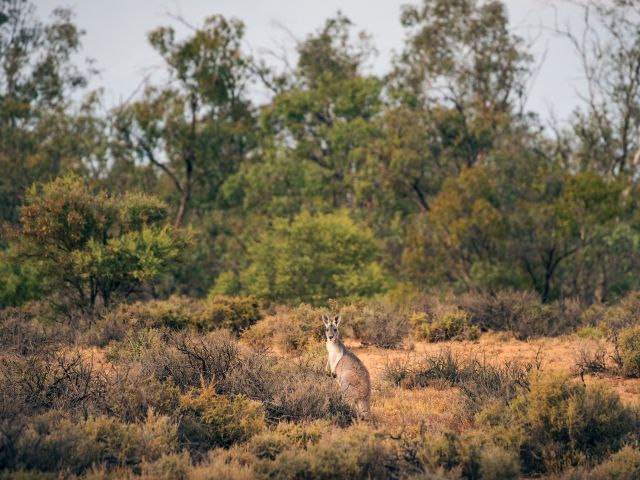
Meet the locals of Kinchega National Park. (Credit: Destination NSW)
Some come to Kinchega National Park for its iconic Darling River landscapes full of birdlife and haunting river red gums; others visit for its rich First Nations and pastoral history. Your visit will encompass all of the above, with a guided tour (part of AAT Kings’ MAKE TRAVEL MATTER Experience) designed to give a deeper understanding of Barkindji cultural heritage, history and traditions.
Walk with local guide David as he shares ancestral knowledge and creation stories, and explains how native plants – through bush food and bush medicine – have sustained Indigenous communities for thousands of years. Then sit back and enjoy those views alongside native tea and sweet treats.
5. Griffith
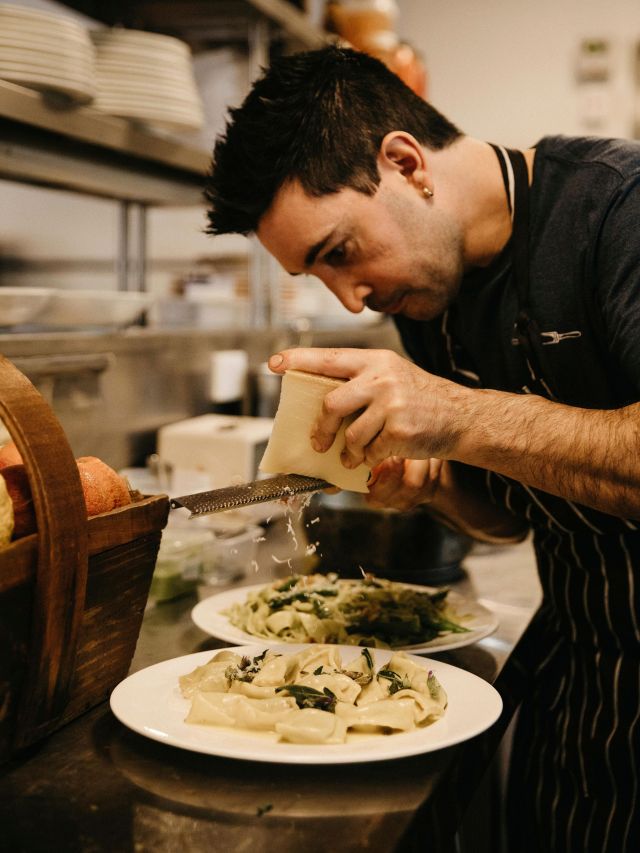
Treat your tastebuds to ‘the food bowl of Australia’. (Credit: Destination NSW)
How can you say no to a visit to a destination widely regarded as ‘the food bowl of Australia’? Shaped by fertile farmland and home to approximately 75 per cent of New South Wales’ wine grapes, this is a day to roll up your sleeves and enjoy the best gastronomy the state has to offer. Think vineyards, cellar doors, cafes and restaurants largely shaped by its multicultural heart (Griffith is not only home to over 60 nationalities, but has the highest proportion of Italian ancestry anywhere in Australia).
6. Mudgee
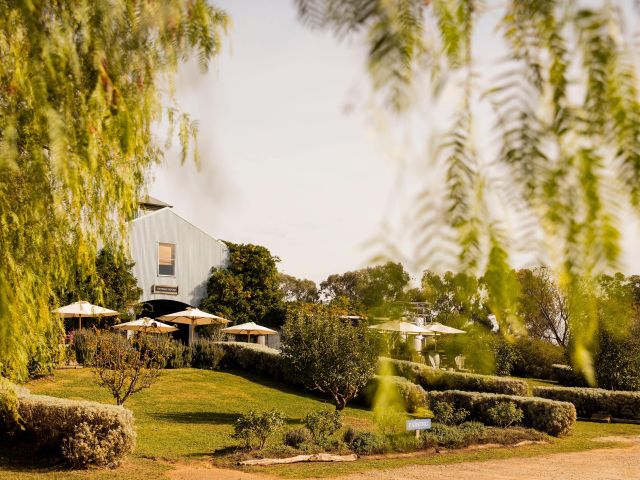
Visit some of Mudgee’s best wineries. (Credit: Destination NSW)
Nestled by the Cudgegong River, Mudgee packs a big punch for a heritage country town, having carved a reputation for itself as one of the country’s leading (and award-winning) wine regions, a key epicurean destination, and a regional arts centre growing in both visibility and vibrancy.
Take a moment to enjoy the town’s 19th-century charm before heading to Lowe Family Wine Co. for a guided tasting of organic and biodynamic wine, followed by a relaxed lunch featuring a feast of homegrown and local produce. Will you walk away with bottles of Mudgee’s iconic reds under your arms? It’s a distinct possibility.
7. Silverton
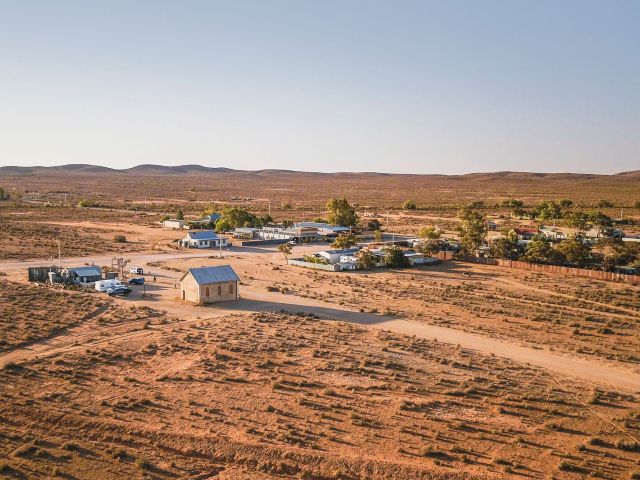
See the living ghost town of Silverton.(Credit: Destination NSW)
A once-booming silver mining hub, the dystopian setting for Mad Max 2, and now a tranquil settlement that’s home to around 50 people; Silverton is considered a living ghost town and remains a sight to behold.
Take time to explore its heritage streets (and perhaps take a look at the quirky Mad Max 2 Museum) and the Silverton Hotel, an iconic outback pub, before a visit to Silverton Gaol & Historical Museum. It’s home to a wealth of colonial artefacts, early mining equipment and stories from the outback’s pioneering past which will serve to anchor you firmly in place.
8. Shear Outback
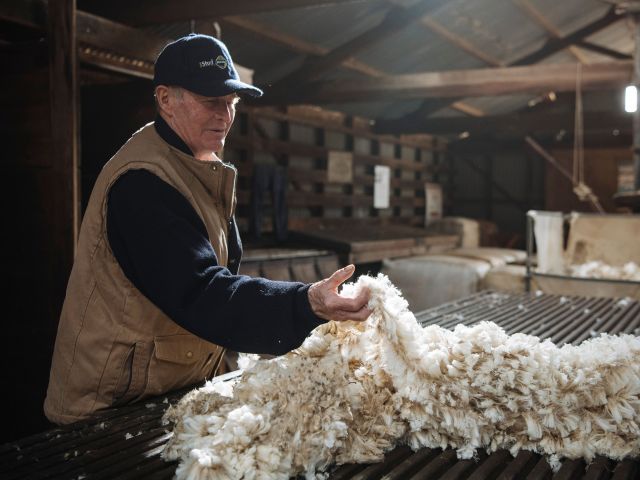
Get a glimpse behind the wool curtain. (Credit: Destination NSW)
If you ever find yourself singing, “click go the shears boys, click, click, click…”, you’ve come to the right place. Shear Outback, an award-winning tourist and education attraction located in Hay, brings to life the traditions and stories of one of the outback’s most enduring industries: sheep shearing.
Here, in the heart of the Riverina, you’ll enjoy live shearing demonstrations, meet the shearers, shedhands, sheepdogs and yes, sheep, who come together to show guests exactly what it takes to provide Australians with all that glorious wool.