Cuttaburra National Park is NSW’s newest national park, set to open its gates to visitors in 2025.
Next year, there will be a new national park that adventure lovers can visit. This September, 37,422 hectares of land in outback NSW was designated an official national park. The new park, Cuttaburra National Park, earned the title thanks to its unique ecology and cultural significance.
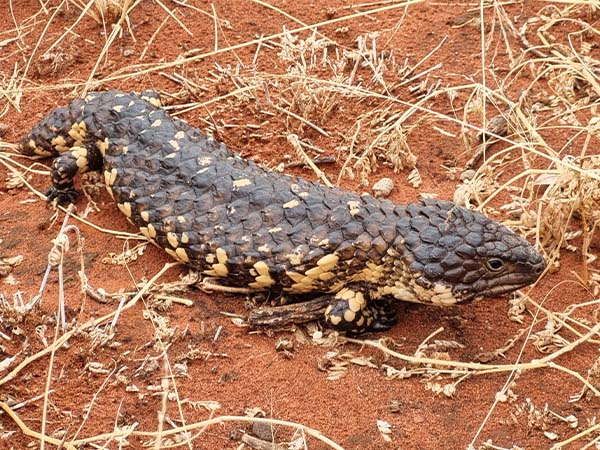
Cuttaburra is teeming with flora and fauna, containing some of Australia’s most important wetlands home to thousands of species of waterbirds. The park is also a haven for threatened species such as the brolga, eastern fat-tailed gecko, black-breasted buzzard and little eagle.
Cuttaburra National Park is full of fauna, like this shingleback lizard. (Image: Kirsten Skinner)
In addition, the park has many Aboriginal cultural sites, including stone arrangements, scar trees and wells. Cuttaburra will be managed by the NSW National Parks and Wildlife Service in collaboration with Aboriginal and local people to protect these important places.
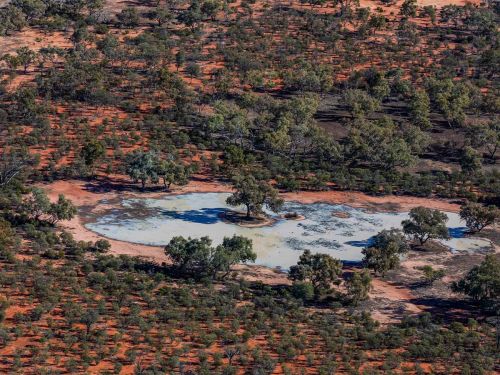
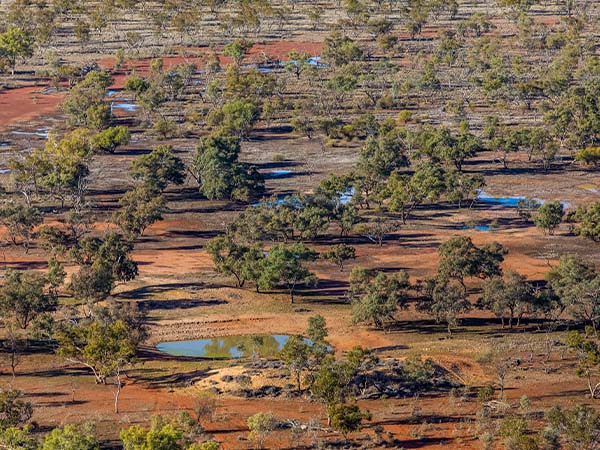
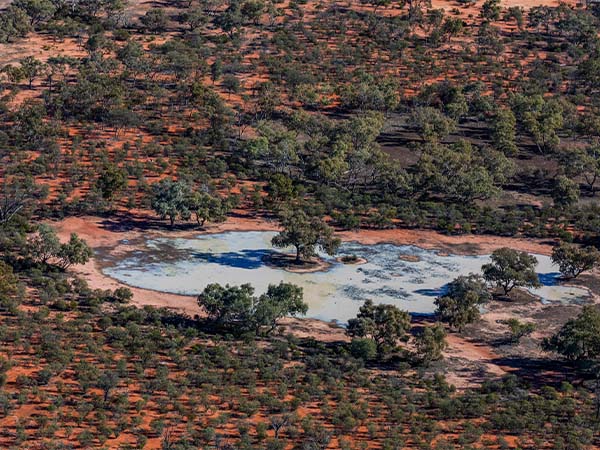
The landscape encompassed by the park is rich and diverse, characterised by red earth cut through with tree-lined river floodplains, swamps and waterholes. Cuttaburra National Park doesn’t officially open its gates until next year, but here’s what we know about it so far.
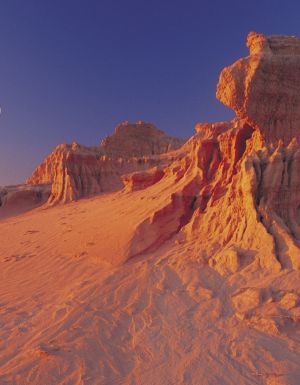
Cuttaburra National Park is abundant with flora, including endangered trees. (Image: Joshua J Smith Photography)
Where is Cuttaburra National Park?
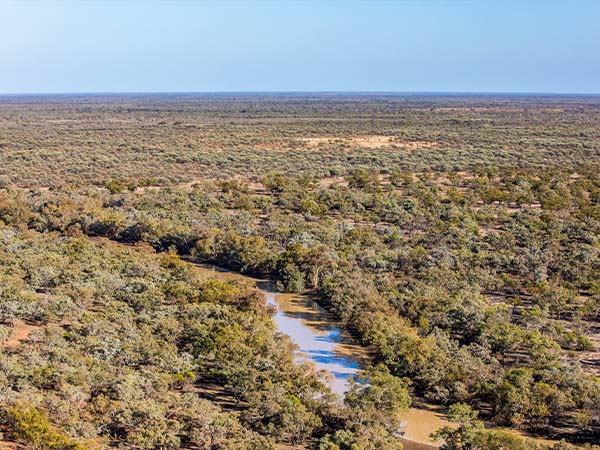
Cuttaburra National Park lies on Paroo and Warrego River Country in the far north of NSW. The park is remote, located deep inland in NSW’s outback, about 150 kilometres north-west of Bourke and accessed along the iconic 4WD Dowling Track.
The new National Park is full of waterways and wetlands. (Image: Joshua J Smith Photography)
What can you do in Cuttaburra National Park?
Right now, the park is geared towards plant, wildlife and cultural conservation. It remains to be seen what infrastructure will exist for tourists when Cuttaburra National Park officially opens in 2025, so stay tuned to find out.
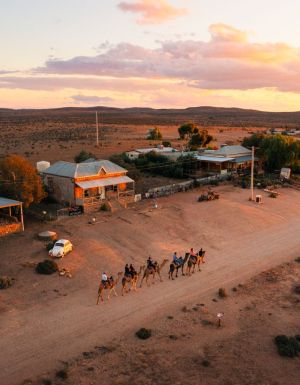
Right now, you can pass through Cuttaburra National Park on the Dowling Track, a historic outback 4WD trail that connects Bourke to Quilpie in Queensland. The neighbouring Brindingabba National Park just 25 kilometres away contains a campground and a 4WD touring route for nature lovers keen to experience the landscape.
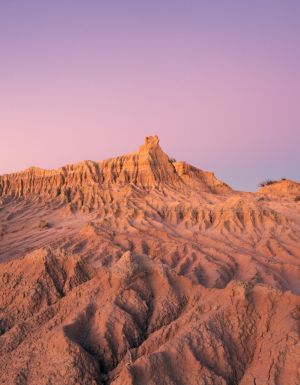
Cuttaburra National Park will open its gates to visitors in 2025. (Image: Joshua J Smith Photography)
Elizabeth Whitehead is a writer obsessed with all things culture; doesn't matter if it's pop culture or cultures of the world. She graduated with a degree in History from the University of Sydney (after dropping out from Maths). Her bylines span AFAR, Lonely Planet, ELLE, Harper's BAZAAR and Refinery 29. Her work for Australian Traveller was shortlisted for single article of the year at the Mumbrella Publishing Awards 2024. She is very lucky in thrifting, very unlucky in UNO.
Make this dazzling stretch of beaches and natural wonders your home base for a grand adventure
Whether you’re setting out solo, bringing a mate, or packing in the whole family, no road trip along Australia’s East Coast is complete without at least a few days spent exploring the Coffs Coast. A stunning stretch of NSW coastline nestled between ancient high-elevation rainforests and magnificent, undiscovered beaches, Coffs offers amazing biodiversity, stunning natural beauty, and heaps of local charm, without the crowds. Pull up in Coffs Harbour , your perfect home base for these unforgettable day-trips.
1. Southern Beaches
The Coffs region boasts 30 of Australia’s most beautiful, unspoiled beaches, directly abutting a dramatic tableau of mountains and rainforests. Drive South of Coffs Harbour to find up-and-coming surf destinations where it’s still possible to catch an empty wave. First up is the picturesque Sawtellvillage . Wander the famous fig-tree-lined main street packed with laid-back places to eat and drink. Enjoy panoramic views and seasonal whale sightings at Bonville Headland on the Southern end of the beach.
Nearby Bongil Bongil National Park boasts seven kilometres of empty beach, along with hiking and cycling trails through beachfront rainforests – keep an eye out for koalas living in the trees. Boambee Beach and Boambee Creek Reserve are great for families, with shallow waters perfect for kayaking and SUPing, plus an off-leash dog beach.
Experience small-town charm in Sawtell.
2. Orara Valley Tourist Trail
The Orara Valley Tourist Trail has it all: hinterland bushwalks, birdwatching, horse riding, pristine swimming holes and rolling green pastures dotted with dairy farms and historic villages. And it’s only 15 minutes west of Coffs Harbour.
Sample produce at a roadside stall, stop into Coramba Hotel for a quintessential country pub lunch, or try the Idle in Cafe in Nana Glen for coffee and scones. Then spend the afternoon kayaking the Orara River or mountain biking on Mt Coramba. If you’re feeling adventurous, follow the 4WD touring route along the Orara Escarpment in Bindarri National Park , a rugged landscape with dazzling views that winds through untouched eucalypt rainforests and waterfalls.
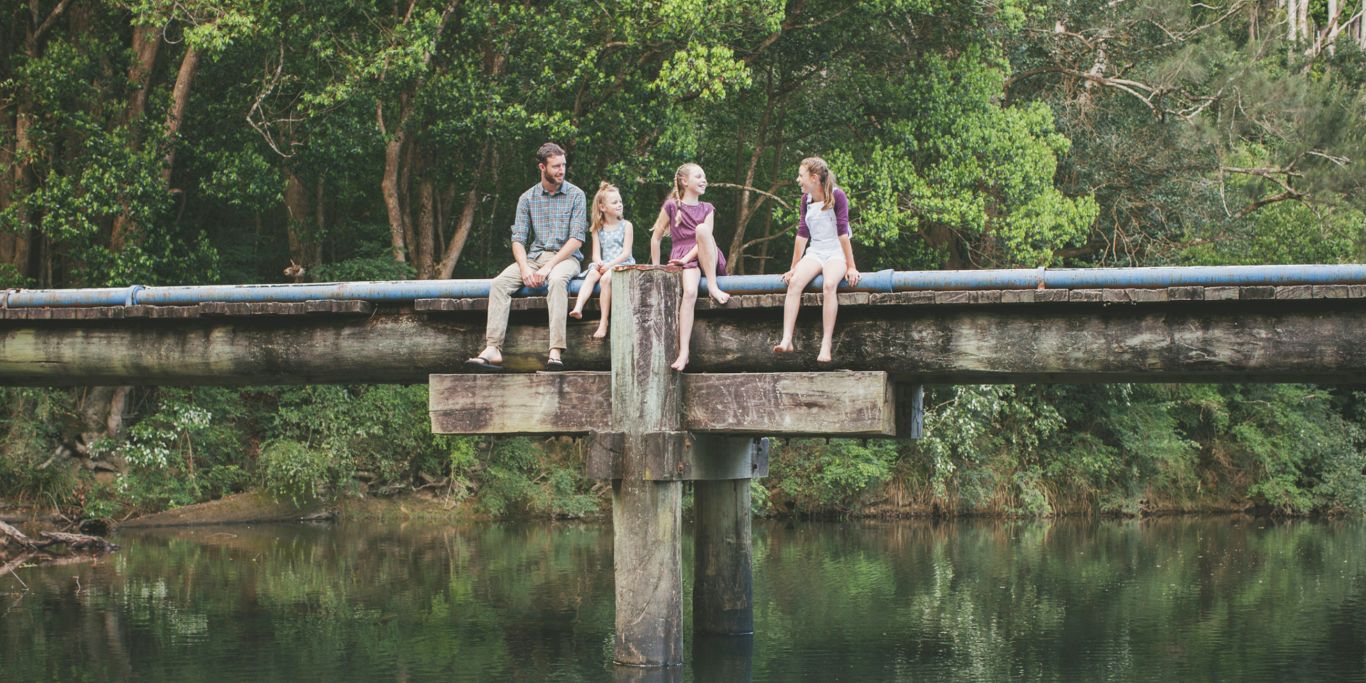
Explore the green heart of Coffs.
3. Dorrigo National Park
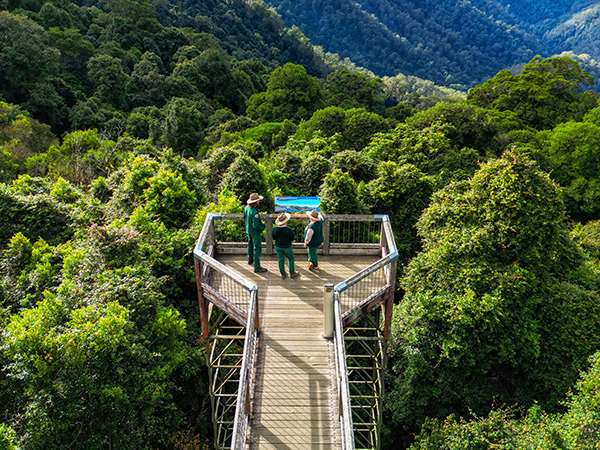
Enjoy a classic day trip from Coffs to forest bathe in some of the oldest subtropical rainforests in the world at Dorrigo National Park, part of the World Heritage-listed Gondwana Rainforests. These million-year-old ecosystems promise rare bird sightings, towering strangler figs, and epic walking tracks and picnic spots. Try the 6.6 km Wonga Walk to experience dreamy Crystal Shower Falls (where you can walk behind the falls) and the Skywalk Lookout, which offers spectacular views of the valley and coast. Then stop in Dorrigo town for a homey lunch. It’s worth noting that a section of the road between Ulong and Dorrigo – which dates to the 1880s – is unsealed, adding to the area’s end-of-the-earth allure but making travel difficult in adverse weather conditions. Alternatively, head to Dorrigo via the delightful township of Bellingen .
Wander the Skywalk.
4. Northern Beaches
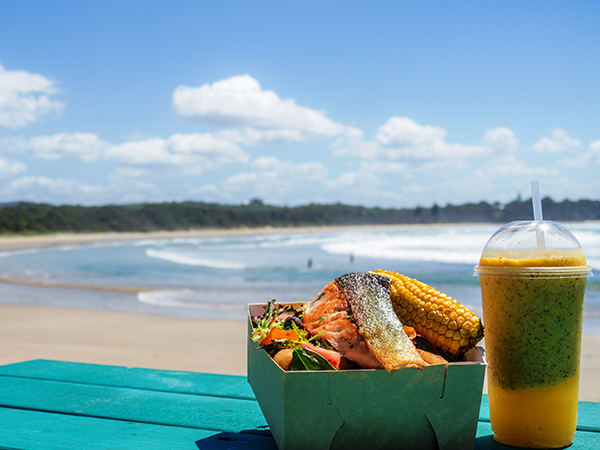
For another tranquil expanse of sun, sand and surf breaks, head north to Woolgoolga (Tourism Australia’s Best Mainland Beach for 2025. Taste the coffee and local-produce breakfast at one of several cafes, then spot whales during their migration season along the Woolgoolga Whale Trail to the headland. Emerald Beach offers clear blue waters and another headland walk, perfect for taking in views of South Solitary Island, a dramatically rocky-cliffed island with a historic lighthouse. Red Rock, some 40km north of Coffs and named for its striking coastal rock formations, boasts a gorgeous estuary reserve that’s perfect for languorous days spent picnicking, swimming, fishing, and connecting with the relaxed local pace.
Enjoy fresh seafood overlooking Woolgoolga Beach.
5. Jetty precinct
You could easily spend a whole day exploring the Jetty precinct – from its foreshores to the marina to Muttonbird Island. Start with fresh fish and chips from local institution Coffs Harbour Fisherman’s Co-op , before browsing the popular Harbourside Markets held every Sunday on the foreshores.
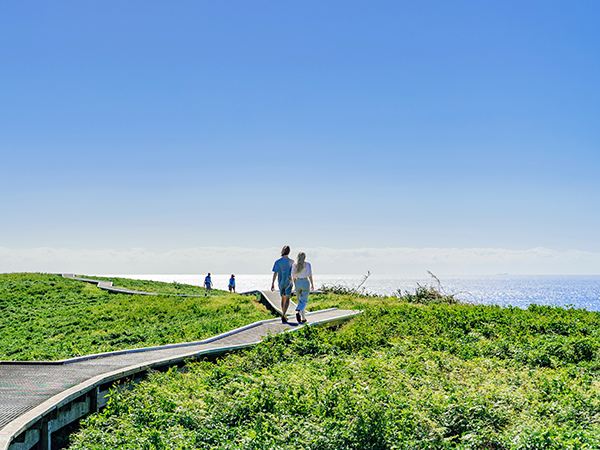
Take a scenic walk along the breakwall to Muttonbird Island , a cultural and ecological treasure with panoramic views and rich Gumbaynggirr heritage. The Giidany Miirlarl Education Space shares the island’s ancient stories, or join a guided moonlight tour to see the seasonal return of the muttonbirds.
Back at the Jetty Strip, find a buzzing mix of cafes, bars and restaurants with cuisines from around the world, open from morning until late. Don’t miss The Jetty Pavilion , a favourite for its unique menu blending modern Australian cuisine with vibrant world flavours.
Walk the path where land meets sea and sky.
6. Grafton
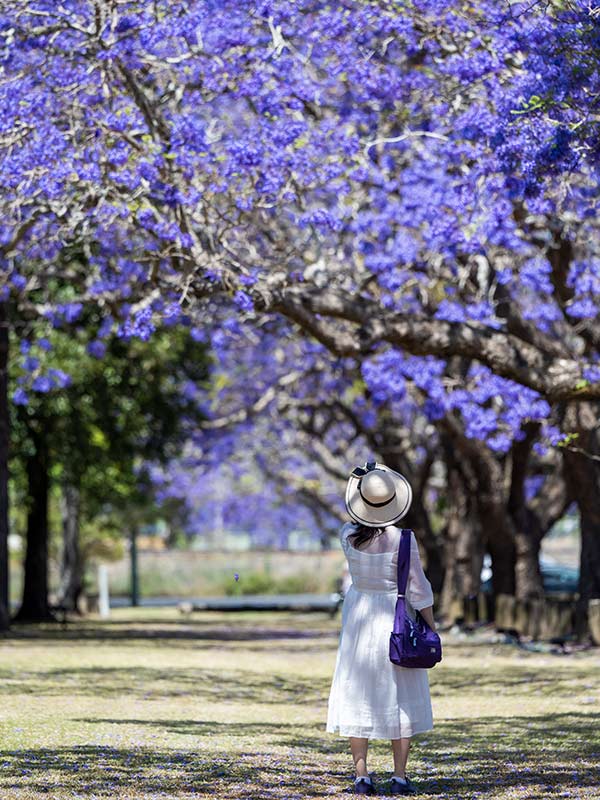
Head inland from mid-October to early November to catch Grafton’s jacaranda season, when the town’s streets and parks are covered in purple. Even better, time your trip between 24 October and 2 November to attend the famous Jacaranda Festival, with special food items, performances and more. At any time of year, follow the self-guided Grafton Heritage Trail to discover the town’s historic buildings, landmarks and stories. Or get the blood pumping with a trip along the longest mapped white-water trail in Australia – the Clarence Canoe and Kayak Trail. Book a tour with Exodus Adventures .
Time your Grafton trip to see the jacarandas in full bloom. (Image: @myclarencevalley)
7. Nambucca
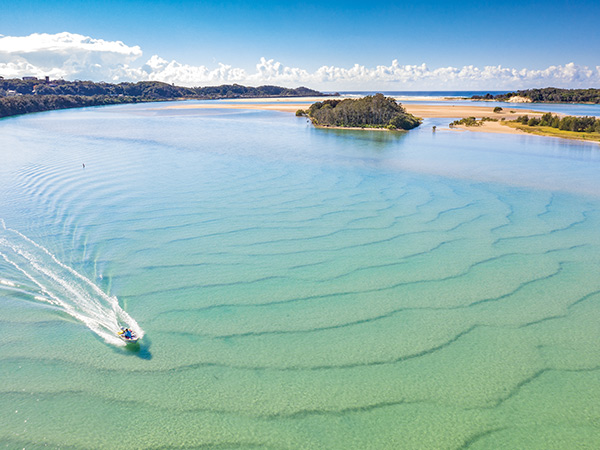
Just south of Coffs Harbour sits Nambucca, the ideal town for a relaxed, coastal day trip. Hire a canoe, kayak or boat to explore over 80 kilometres of waterways stretching from the hinterland to the ocean. For those who prefer to stay on dry land (or double up their adventure for the day), stretch your legs along the V-Wall – a scenic coastal walk along the Nambucca River – dotted with boulders painted by the community, sharing messages, art and local stories. Stop along the way to buy Sydney rock oysters direct from local farmers, or try your own hand at fishing. Before heading back to Coffs, refuel on fresh seafood and wood-fired pizzas at Matilda’s in Nambucca .
Explore Nambucca’s waterways. (Image: Seen Australia)