Prepare yourself for sweeping coastal views, a hidden national park, heart-pounding adventure activities and so much more along the Grand Pacific Drive road trip.
One of Australia’s most iconic drives is also one of its most easily accessible. Heading out of Sydney, the Grand Pacific Drive takes in the pristine expanses of the city’s southern outskirts before tracing the NSW coast through Wollongong, Shellharbour, Kiama and into the idyllic waterside retreat of Jervis Bay.
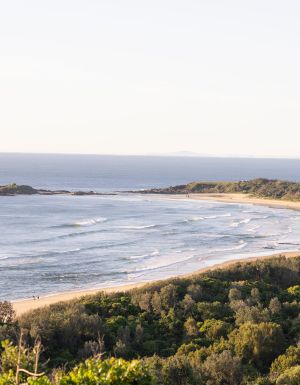
Along the way there’s stunning coastal scenery, attention-grabbing beaches, laid-back towns and villages and enough diverting attractions to justify stretching the 140-kilometre drive into a fun-filled few days. And with distances this manageable, and plenty of journey-breaking worthy sights, this drive is the stuff family getaways are made of.
Watch the video below for a taste of what awaits you along the Grand Pacific Drive…
Sydney to Wollongong
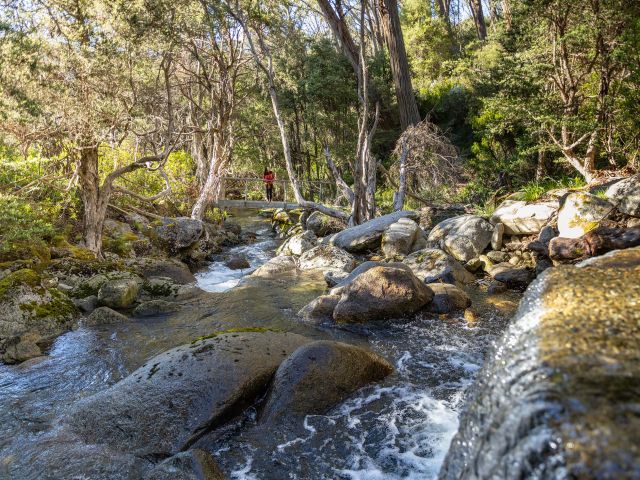
Heading out from Sydney along the Princes Highway, the first stop on the journey south is actually in the city itself; Heathcote National Park is located in Dharawal country in the Sutherland Shire (known as ‘the Shire’ to Sydneysiders) in the city’s southern suburbs. Enter the 27-square-kilometre park at Waterfall to find abundant wildlife, great bushwalks and hidden-gem freshwater pools, including Kingfisher Pool, where you can do a spot of wild swimming in its cool waters.
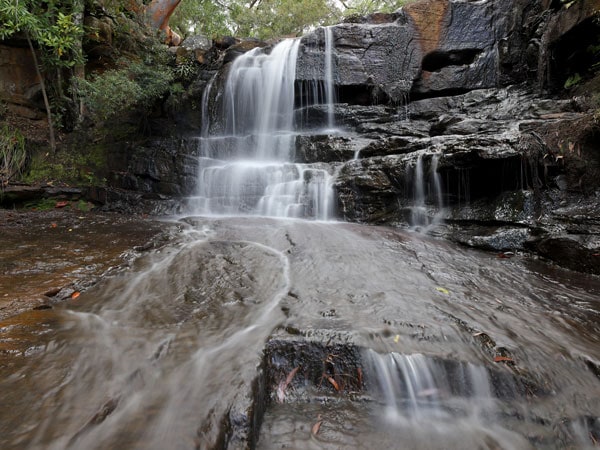
The highway tracks past the Garawarra State Conservation Area (definitely worth the detour on your return journey for a ramble amongst the scribbly gums and pockets of subtropical rainforest and a picnic at the pretty Kellys Falls) and Helensburgh, before reaching the kid-friendly Symbio Wildlife Park .
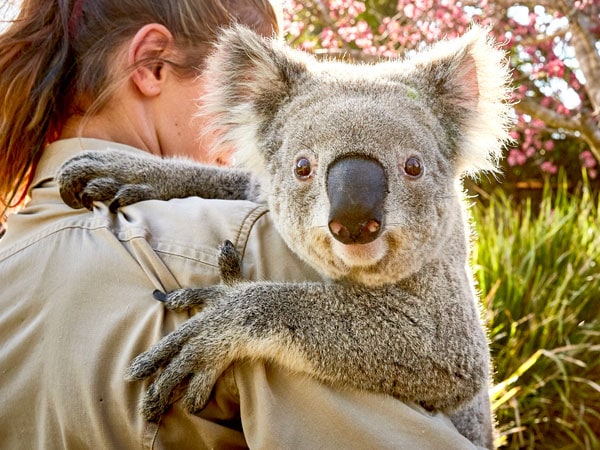
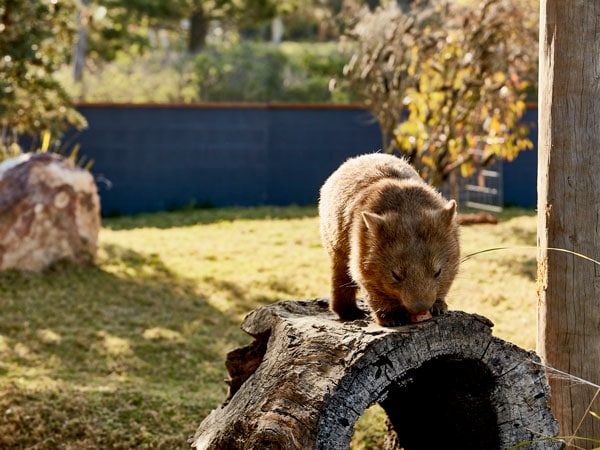
This family-owned-and-operated park is home to some of our cutest home-grown creatures, as well as a roster of exotic species from around the world including cheetahs and ring-tailed lemurs. There are a number of behind-the-scenes enclosure visits that allow for close encounters with the animals, as well as the opportunity to feed the kangaroos and resident farmyard creatures.
Another hands-on experience that is always a hit with tiny travellers is the Apple Shack at Darkes Glenbernie Orchard at Darkes Forest, a sixth-generation family farm where visitors can head out into the grove of 22,500 trees and pick their own fruit in season.

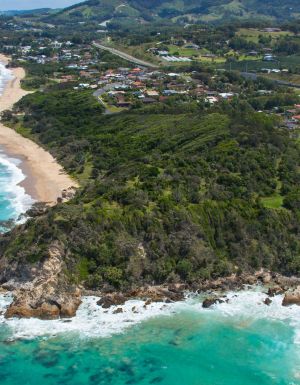
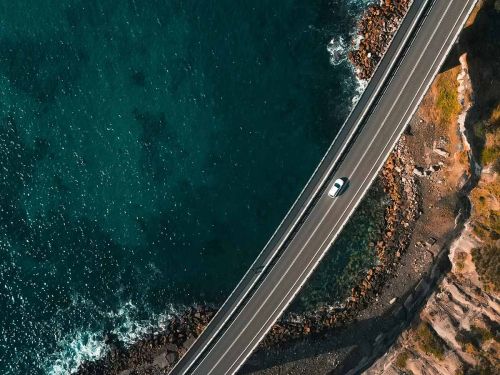
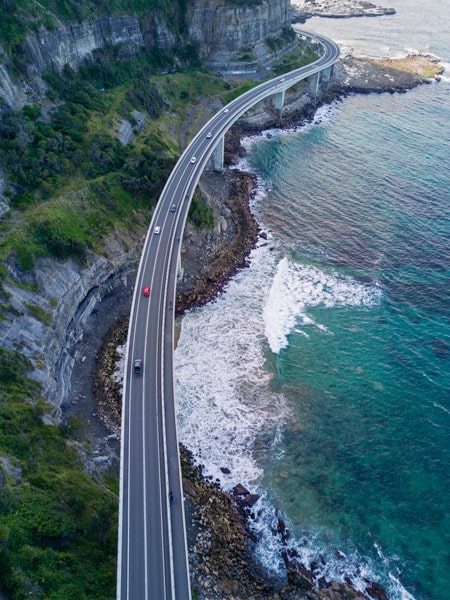
Weighed down with fruit, and having sampled some of the tangy cider produced at Darkes, make your way back towards the coast to set off along Lawrence Hargrave Drive towards the 665-metre-long Sea Cliff Bridge. This iconic stretch of road weaves along the coastline and juts out over the water in places, offering views so attention-grabbing that you will have to concentrate really hard to keep your eyes on the road.
Wollongong highlights
The city of Wollongong has long been the go-to spot for family-friendly beach days, with a collection of sandy spots dotted along its coastal expanse.
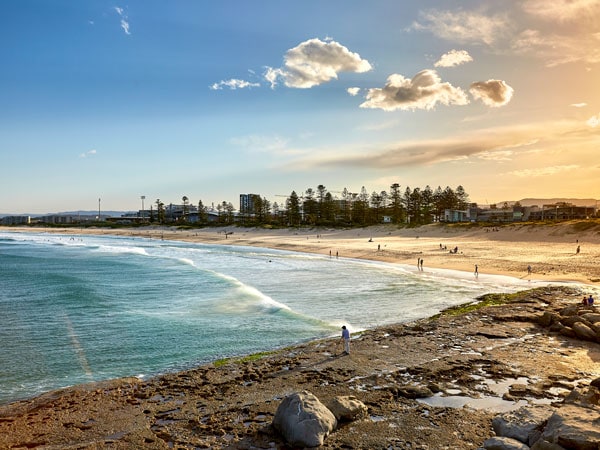
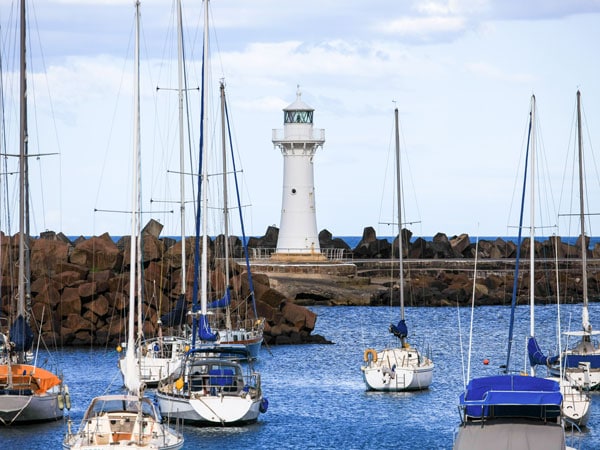
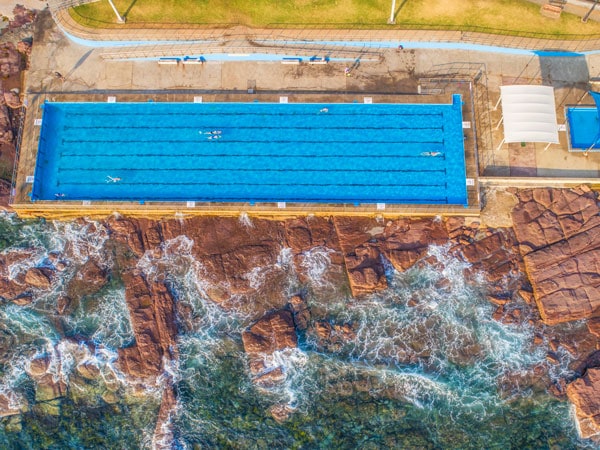
Headlining stretches of sand include Austinmer Beach, bordered with rock platforms, with its 112-year-old Surf Club occupying pride of place at the edge of the sand; the small seaside village of Thirroul, where D.H. Lawrence wrote Kangaroo; and Belmore Basin, a charming cove overlooking the harbour and dominated by the adjacent lighthouse and towering Norfolk Pines that dot the grassy expanse above the beach.
Austinmer is an obvious spot to overnight, with the Headlands Hotel Austinmer Beach offering stylish accommodation options and lots of water views, as well as a dinner option the kids will love; a repurposed 1968 Airstream Sovereign food truck serving sliders, pies and cider (non-alcoholic, of course) from Friday to Sunday.
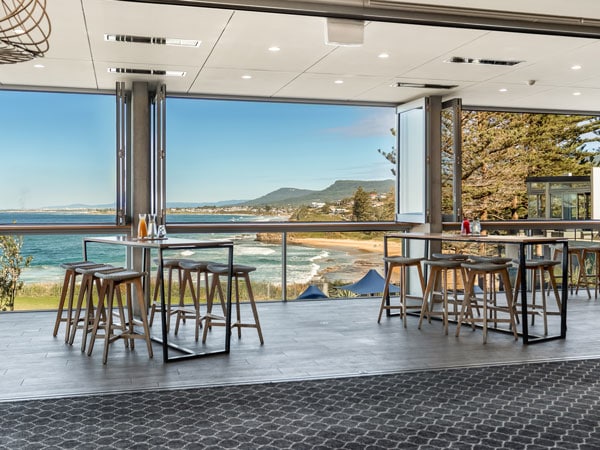
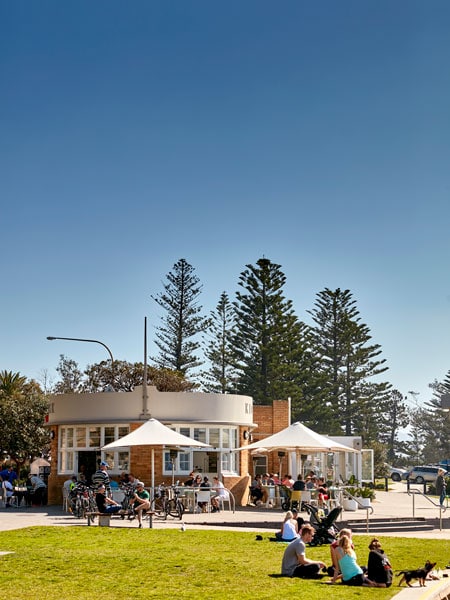
In the morning head to Diggies , a sun-soaked, laid-back local favourite overlooking North Beach, decorated with surfboards and serving up a quintessential Aussie breakfast menu and seriously good coffee.
The last stop before leaving town should be at Nan Tien Temple (nantien.org.au), the largest Buddhist temple in the Southern Hemisphere. Wander the lush gardens, admire the traditional temple complex architecture and witness the Buddhist festivals and celebrations held here (you can also stay overnight at the Pilgrim Lodge if you are looking for something a little unusual for the return journey).

Wollongong to Shellharbour
The drive to Shellharbour takes less than 30 minutes from Wollongong, but there is plenty to amuse you when you arrive. The pretty harbour sits in the middle of two beaches, Shellharbour North and Shellharbour South beaches, both of which are in-the-know local surfing spots. And there’s more breaks to be had nearby at The Farm and Mystics in the Killalea Reserve , a designated National Surfing Reserve. If you are at the complete novice end of the scale when it comes to board riding book a surf lesson instead at Pines Surfing Academy to learn from a local.
Just south of Shellharbour Village, the 72-hectare Bass Point Reserve has two allures: it is home to one of the few littoral rainforest (rainforest found near the coast) areas in the Illawarra and it is one of the most important Aboriginal archaeological sites on the NSW coast. There is evidence that some 17,000 years before the Egyptians got around to building the pyramids, the local Aboriginal people were using the area as a regular campsite.
You can take a self-guided Aboriginal cultural walk to discover the details of the rich ancient history that played out here. And if you’ve packed flippers and snorkels into the back of the car, there’s good snorkelling at Bushranger’s Bay, a protected Aquatic Reserve.
Before heading towards Kiama, book a 15-minute scenic flight with Touchdown Helicopters to survey the breathtaking coastal silhouette from the air, hopefully spotting a dolphin or two.
Shellharbour to Kiama
The cosmopolitan seaside hamlet of Kiama has long been a mecca for those looking for a beach break away from the city. Most visitors arriving into town head straight to its famous blowhole (first sighted by George Bass when he anchored in what is now Kiama Harbour way back in December 1797), a naturally occurring 2.5-metre hole in the rock platform that shoots water up to 30 metres into the sky when the tide is churning from the south-east.
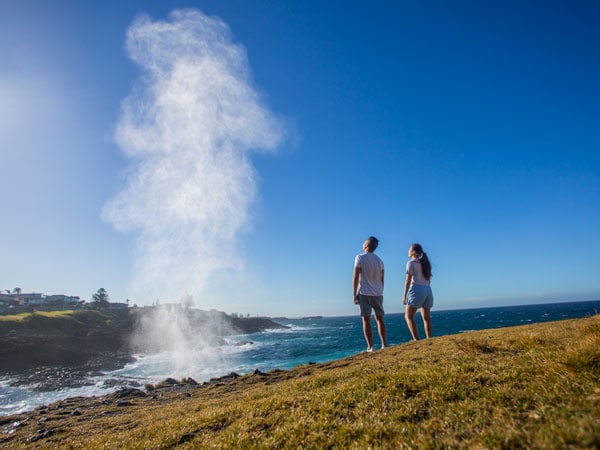
The blowhole forms part of the 20-kilometre Kiama Coast Walk, which works its way from the Minnamurra River north of the town, through Kiama and on to Gerringong’s Werri Beach to the south, taking in jaw-dropping coastal scenery (and the possibility of whale sightings from May to November; there’s an elevated platform at Minnamurra Headland) and pristine beaches along the way.
Moving away from the water, it’s still all about being in nature, with daily life in these parts having revolved around the coast and verdant inland for millennia. Evidence of traditional camps set up by the nomadic Wadi Wadi have been found at Jamberoo, a 15-minute drive from the middle of Kiama, but today it is weekend and short-break nomads who flock here.
Spend some time in the Minnamurra Rainforest Centre where Aboriginal artefacts of an ancient past are on display before setting off to explore the dense Minnamurra Rainforest in Budderoo National Park. Wander along the elevated walkways that lace their way through the remnant rainforest that once stretched throughout the Illawarra region.
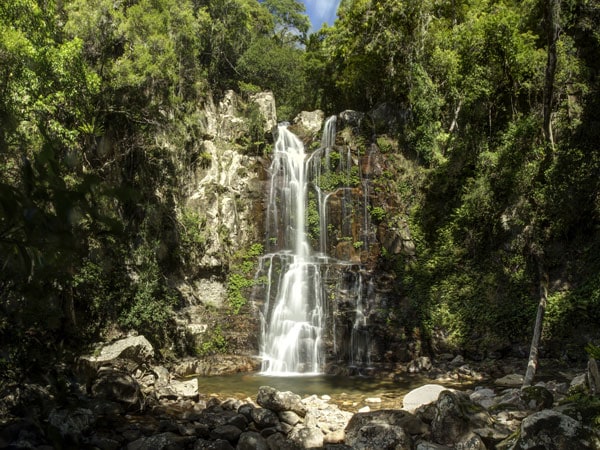
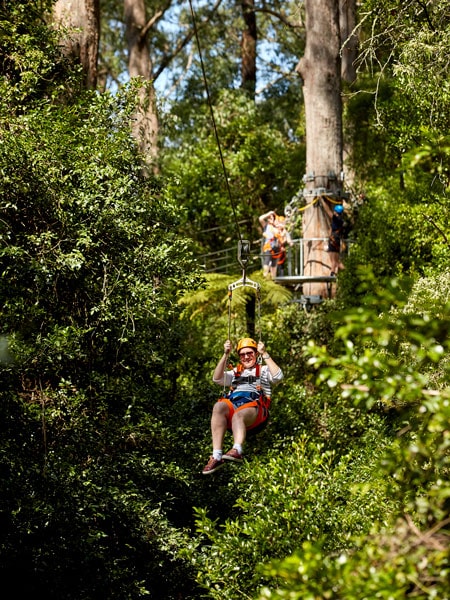
For a different perspective on the same theme, Illawarra Fly Treetop Adventures allows you to get an eagle-eyed view of the landscape from the Treetop Walk, an elevated steel walkway some 20 to 30 metres above the forest floor or, for the more steely willed and strong of stomach, rigged up to the highest zipline in Australia.
Kiama to Jervis Bay
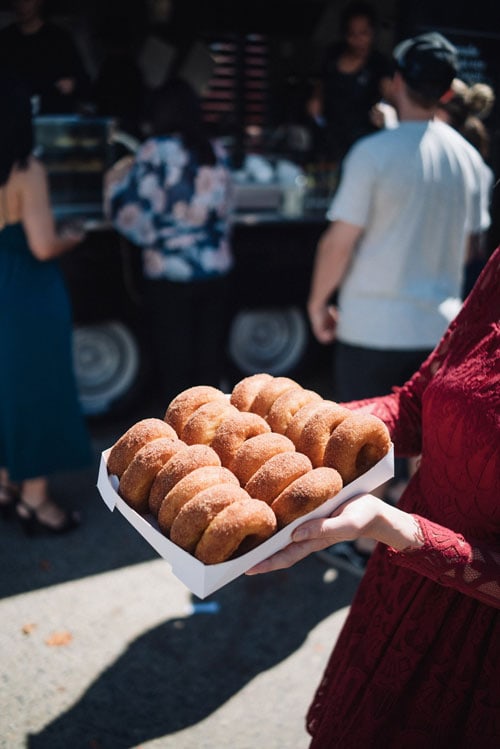
Jervis Bay, just over an hour from Kiama, is the final stop on the trip south via the Grand Pacific Drive, passing by or through towns such as Berry, Shoalhaven Heads and Nowra (all of which warrant reconnaissance – and, in the case of Berry, a sweet treat from the Berry Donut Van – on the return journey to Sydney).
Stop on the way at the award-winning Coolangatta Estate winery, in the NSW version of Coolangatta, near Shoalhaven Heads for a late lunch and to grab something for later from the cellar door.

(Image: Dee Kramer/DNSW).
The heavens were kind to this patch of the earth, bestowing it with a wealth of beautiful beaches, marine wonderlands and an idyllic landscape. Jervis Bay Marine Park forms the focus here, covering about 215 square kilometres and spanning more than 100 kilometres of coastline. Established in 1998, its clear waters, ringed to exquisite effect with sparkling white sands in the bay itself, offers up ample snorkelling, diving and swimming, and the chance of getting up close with marine wildlife. Look out for the cheeky dolphins that regularly frolic in the waters, and migrating whales making their way up and down the coast.
Joining a dolphin-spotting tour is a must-do that all but guarantees a sighting; Dolphin Watch Cruises offer both dolphin and whale-watching tours out of Jervis Bay. You can also upscale your dolphin-watching tour with a boom-netting experience with Jervis Bay Wild .
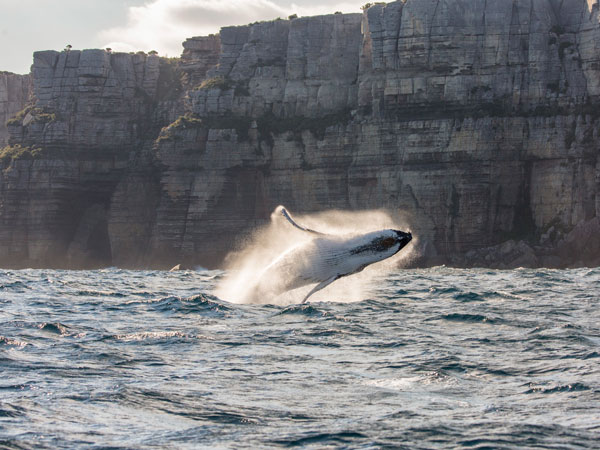
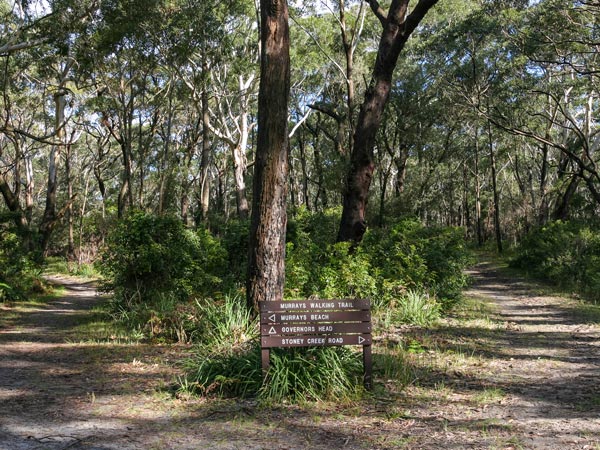
There’s more whale watching to be had at Booderee National Park (Walawaani Njindjiwan Njin Booderee in the local Dhurga language), which sits on Aboriginal land, and is managed by Parks Australia in partnership with the local traditional owners. In addition to spotting humpbacks and southern right whales from here, the park is also teeming with other species such as little penguins (that’s their actual name, but they are indeed tiny and cute) on Bowen Island, located off the tip of the Bherwerre Peninsula at the entrance to Jervis Bay. There are also resident fur seals, echidna and swamp wallabies.
Where to stay
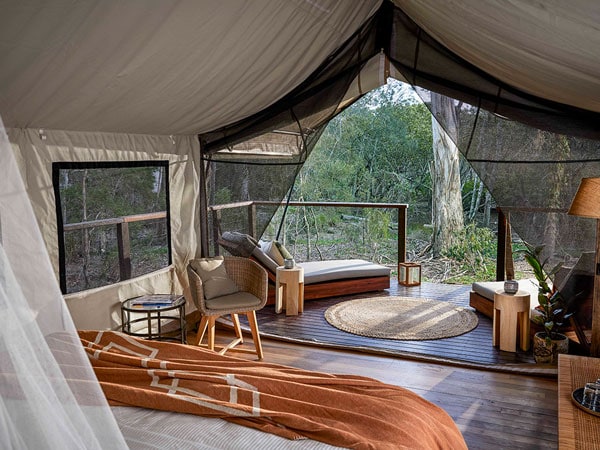
With a full day of exploring done, Paperbark Camp , a bush camp close to the beachside hamlet of Huskisson, is the perfect way to add a dramatic full stop the journey. Eat a delicious dinner in the treetop restaurant before heading back to one of the luxe tents (by torchlight), cracking open a bottle of Coolangatta Estates’ finest, and sleeping blissfully under the stars.
Don’t miss: the South Coast’s secret beaches
There’s more to South Coast beaches than Hyams.
Callala Beach
Situated in the town of the same name, this largely overlooked beach lays claim to being the longest in Jervis Bay.
Long Beach
This two-kilometre white-sand beach on the Beecroft Peninsula is wide, quiet and secluded.
Blenheim Beach
Bordered by two sandstone headlands in the town of Vincentia, the snorkelling here allows for endless sightings of fish that dwell in the seagrass just offshore.
Hole in the Wall
A rock formation with a hole in it (now collapsed and shaped like a giant U) gave name to this beach, which is part of Booderee National Park.
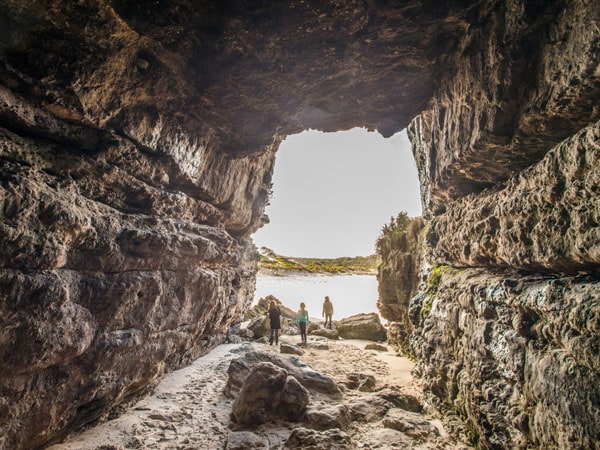
Cave Beach
Situated in Booderee National Park and close to Sussex Inlet, Cave Beach has great surfing and a camping site set amid the coastal tea trees.