Can you swim at any beaches in Darwin? Here’s what you need to know

hero media
Darwin’s beaches stretch out in shades of soft turquoise, easy on the eyes and tempting in the heat. In the dry season, locals and visitors alike wade in, but swimming here comes with a few caveats best not ignored.

The risks? Crocs and stingers – because, well, this is the Top End. But on a dry season weekend, you’d be forgiven for thinking you’ve teleported to Bondi Beach, with 30 or so people splashing about at Nightcliff Beach and plenty more braving the ocean at Casuarina for a proper swim.

Swimming at the beach in Darwin is a personal call. Weigh up the risks, get informed, stick to patrolled areas when surf lifesavers are on duty, wear protective gear if it makes you feel better – and jump in if it feels right.

Here’s the lowdown on where you can swim, where to stay dry and how to enjoy Darwin’s blue waters safely.

Where’s the safest place to swim in Darwin?
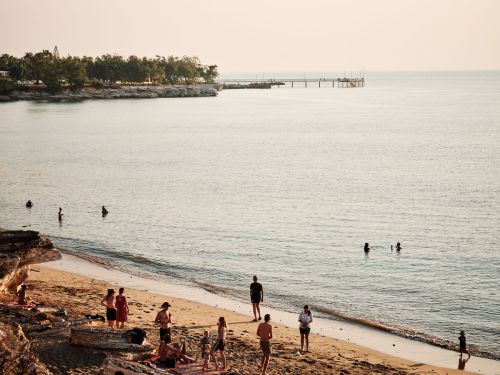
people swimming in Nightcliff Beach, Darwin
Nightcliff Beach is one of the patrolled beaches in Darwin that is considered safe for swimming. (Image: Jeremy Simons)

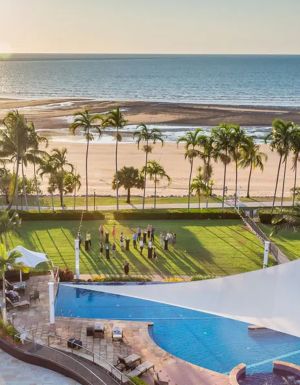
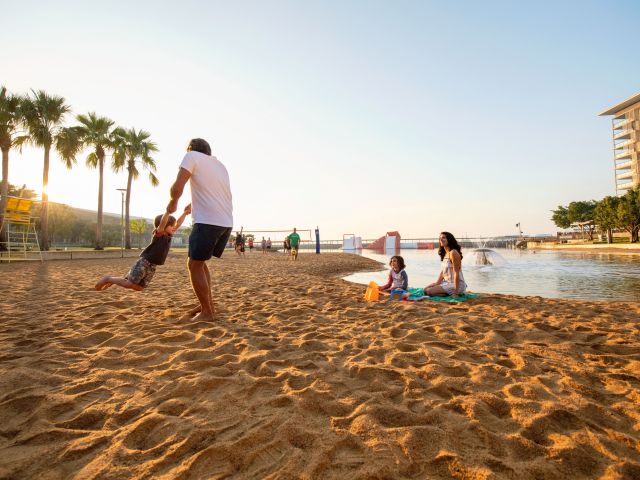
Zero stress, zero surprises? Head to Darwin Waterfront Lagoon. It’s man-made, croc- and jellyfish-free and patrolled all year. There’s even a netted section and grassy banks for lounging. The Wave Pool is nearby, with timed swells for boogie boarding. It’s the safest splash you’ll find.

Top beaches for swimming in Darwin

From June to August, things shift. The water’s clearer, jellyfish numbers drop and locals start dipping their toes – and more – in the ocean.

Nightcliff Beach
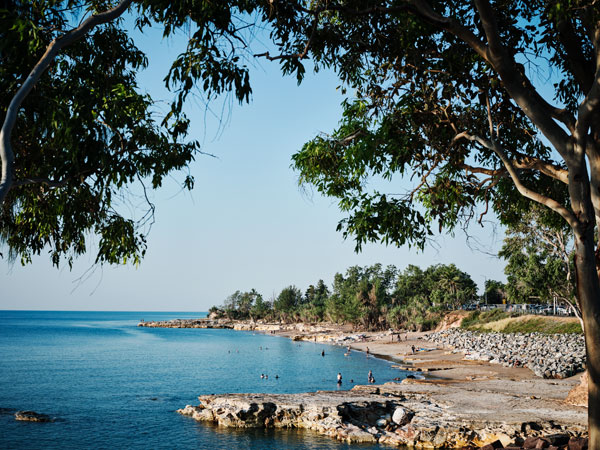
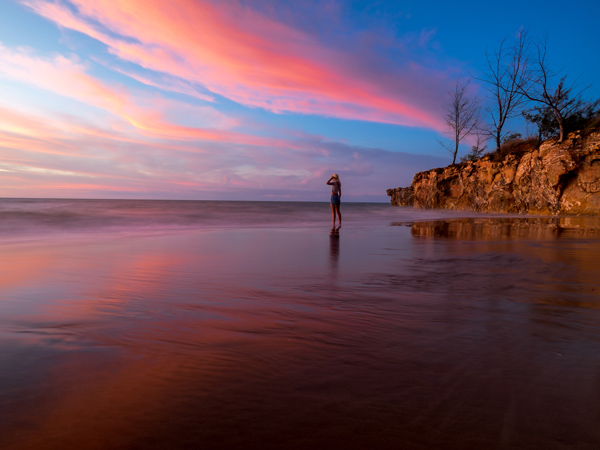
a scenic view of Nightcliff Beach, Darwin
The picturesque Nightcliff Beach feels like a hidden gem. (Image: Jeremy Simons)

At high tide, Nightcliff Beach is magic. The water turns turquoise, locals swim and wade, and confident swimmers jump from the rocks (safely). The Darwin Surf Life Saving Club patrols on Sundays during the dry season, and there’s a laid-back vibe that makes it feel like a hidden gem.

Early riser? Join the Wednesday Dippers at 6.30am for a group swim and post-dip coffee at The Foreshore Restaurant & Cafe . Want to float instead of swim? Hire a paddleboard from Fun Supply .

Casuarina Beach

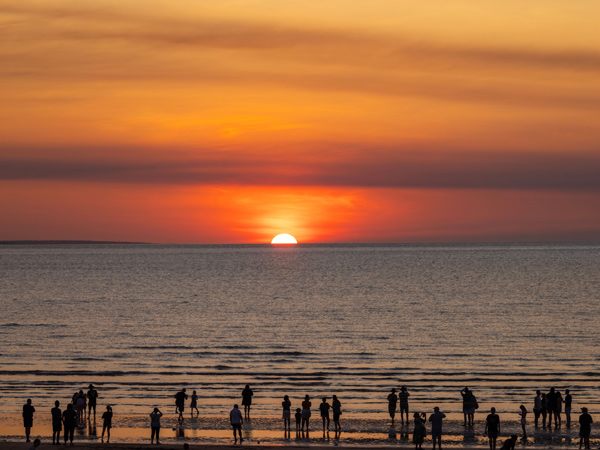
sunset at Casuarina Beach in Darwin
Witness a pretty, pink-hued sunset at Casuarina Beach. (Image: Tourism NT/ James Maddock)

Part of the Casuarina Coastal Reserve, this wide 4.5km beach is home to Darwin Surf Life Saving Club and its little nippers’ training sessions (Sundays, June to September). It’s also where ocean swims happen each August, with lifesavers patrolling on boards and watercraft.

No rock jumping here – just calm waves and wide-open space. After your swim, refuel at De La Plague Cafe – one of the city’s best spots for post-beach brunch.

Mindil Beach

sunset at Mindil Beach, Darwin
Soak up magnificent sunsets at Mindil Beach. (Image: Tourism NT/Sean Scott)

People do swim at Mindil Beach during the dry season, but let’s be honest – you’re really here for the Mindil Beach Sunset Markets. Lifeguards patrol from 2pm to 6pm, Thursday to Sunday (and during incoming tides earlier in the week). Grab a laksa, sit on the sand, and soak up that famous sunset – swimming optional.

East Point Beach

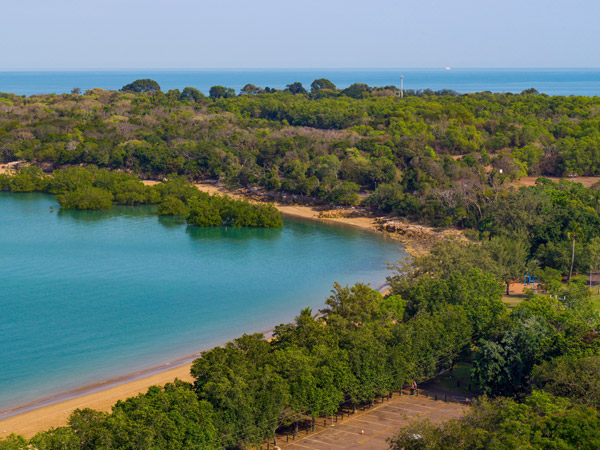
an aerial view of East Point Beach in Darwin
East Point Beach is surrounded by dense and thick mangroves. (Image: Tourism NT)

Patrolled by Mindil Beach Surf Life Saving Club on Sundays in the dry season, East Point Beach is part of the East Point Recreation Reserve, a curved 1.5km stretch ending in mangroves and rocky outcrops. Bonus: Lake Alexander is right behind the beach, offering a croc-free alternative if you’re not keen on the ocean.

What about stingrays?

Box jellyfish and Irukandji are no joke. They’re dangerous, sometimes deadly, and hard to spot. Stinger season runs from October to May, but stings have happened year-round. Kids are more at risk, and since 1975, all 14 recorded stinger-related deaths in the NT have been children.

Box jellyfish are clear with a boxy body and long venomous tentacles and their stings can be fatal. Irukandji (a group of smaller, highly venomous species) are tiny, but nasty. Some species are only the size of a thumbnail. If stung pour vinegar on the area (not fresh water) and call 000 or find a lifeguard.

Are there crocs at Darwin beaches?
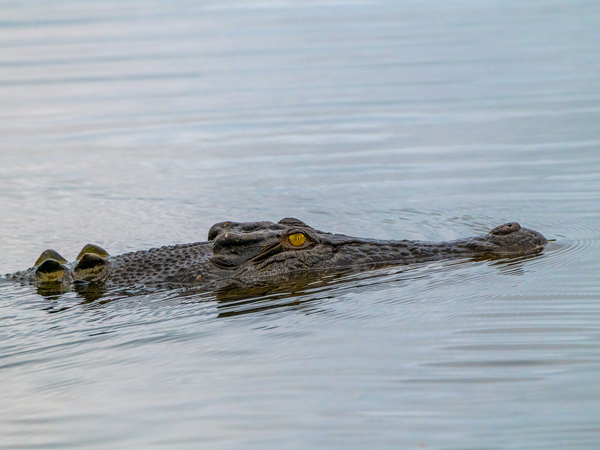
a wild saltwater crocodile swimming in the Northern Territory
Darwin is home to dangerous saltwater crocodiles. (Image: Caroline Brundle Bugge)

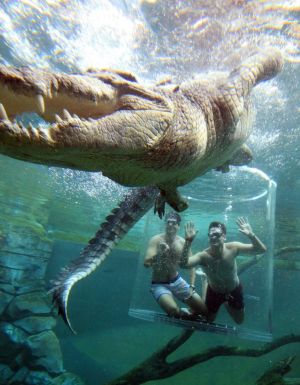
Yes, saltwater crocs live in Darwin’s waters, but there hasn’t been a fatal attack at these beaches in over 120 years. Why? Because lifesavers manage the risks and beaches close immediately if crocs are spotted. But always check the water before you enter when swimming at the beach. Any natural body of water in the Top End may contain large and potentially dangerous crocodiles.

What about tides?
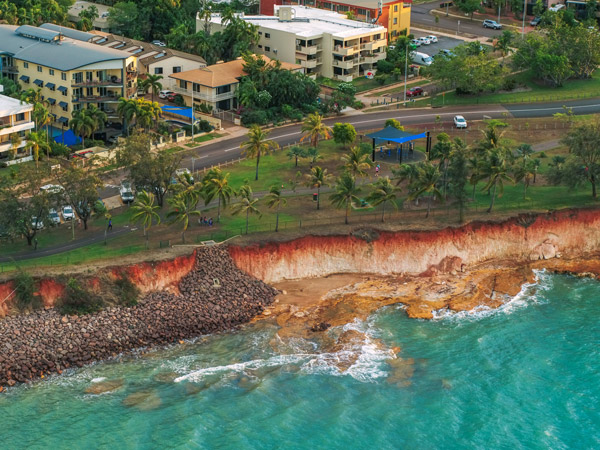
an aerial view of Nightcliff Beach, Darwin
Nightcliff Beach is moderately steep and narrow at high tide. (Image: Tourism NT)

Darwin has some of the biggest tidal shifts in the country, with changes of up to eight metres between low and high tide. At low tide, beaches can turn into vast stretches of exposed mudflats, making swimming tricky (and unappealing). High tide is your best bet – the water is deeper, clearer, and safer, with fewer sharp rocks and critters underfoot.

Top tips for beach swimming in Darwin

  • Stick to patrolled beaches.
  • Swim in the dry season (June–August).
  • Check signs for warnings and the water for crocs before diving in.

Discover the best things to do in Darwin

Leah McLennan
Leah McLennan is a freelance writer based in Darwin. She was a journalist in Sydney for over a decade and counts her time as travel editor for Australian Associated Press as one of the highlights of her career. From exploring remote campsites in the Top End with her family, to seeking out new art galleries in faraway cities, she’ll grab an adventurous or arty travel experience within her reach.
See all articles
hero media

8 Northern Territory secrets the locals don’t want you to know

Summer transforms the Northern Territory into a lush paradise of colour and life, as a visit during the ‘low-season’ reveals secrets the locals willingly share.

Waterlilies bloom, floodplains are alive with birdlife, waterfalls are gushing, and everywhere the green is dazzling. Summer in the Top End and the Red Centre is a kaleidoscope of unexpected wonders that delight and surprise visitors. Of course, the locals know only too well that the Northern Territory low season is often the best time to see and experience this amazing part of Australia.

Here are some of the reasons why savvy travellers – avoiding the crowds – are discovering a new dimension to the Territory. Remember that you’ll need a Parks Pass to visit national parks.

1. Take a dip in the Florence Falls waterhole

Wander through savanna woodland and monsoon forest to discover the perfect place to cool off – the waterhole at the base of spectacular Florence Falls in the magnificent Litchfield National Park , just 90 minutes’ drive from Darwin. The falls flow year-round but are most spectacular during the summer. Camping is available nearby but bookings are essential and must be made online before you visit.

Surrounded by lush forest, a woman cools off in Florence Falls, just one of many incredible things to do in the Northern Territory.
Cool off beneath the cascading waters of Florence Falls. (Image: Joshua Griffin)

2. Wind down at Buley Rock Hole

Another popular local swimming spot in Litchfield National Park is Buley Rock Hole , open year-round. This is a great place to wind down after exploring everything the park has to offer, including towering termite mounds. Wade through the rock pools, soak up the scenic bush or just lie back and relax as the cool water rolls over you.

Buley Rockhole, Litchfield National Park
Let the cool water wash over you. (Image: Tourism Australia)

3. Tour the Tiwi Islands

The Tiwi Islands , a scenic 80km flight from Darwin across the narrow Clarence and Dundas Straits, reveal a different side to the Territory, with their own distinctive culture. Take a day tour with Tiwi by Design to visit Bathurst Island and learn about creation stories, the Mission days, World War II history and the islanders’ obsession with AFL!

Take a ‘behind-the-scenes’ tour of Tiwi Design’s screen-printing workshop and pick up a great souvenir in the form of art. Choose from contemporary or traditional Tiwi designs and a wide range of work including carvings, paintings, pottery, printmaking, bark paintings and tunga (bark baskets).

A creative moment shared inside Tiwi Design’s screen-printing space.
Take a peek inside Tiwi Design’s screen-printing studio. (Image: Tourism NT)

4. Dine in Darwin

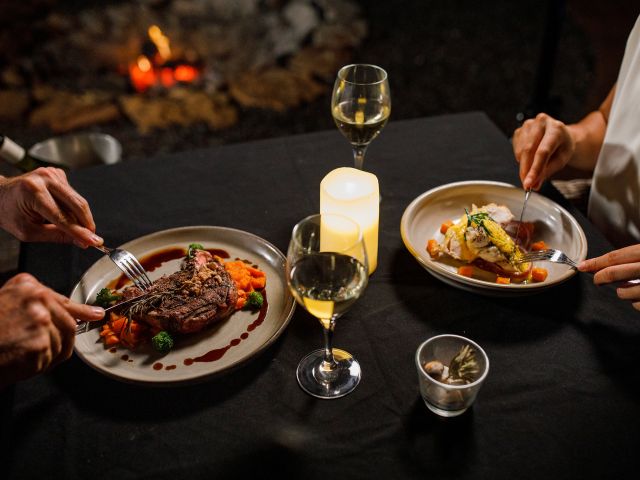
Foodies are spoilt for choice in multi-cultural Darwin. Try Sri Lankan flavours at Ella by Minoli, where Masterchef contestant Minoli De Silva creates delectable dishes, or head to Charlie’s of Darwin for gin-tasting, cocktails and more. Bowls of fragrant laksa, excellent coffee, fresh vegetables and authentic crafts are all part of a weekend visit to Darwin’s Parap Markets , Rapid Creek Markets and the Nightcliff Markets .

Prefer to catch your own dinner? Book a Top End fishing charter to bag a barramundi – and from October register for the annual Million Dollar Fish competition. Hooking one of the tagged barra released each year in waterways across the Territory could win you up to $1 million.

A bowl of Laksa.
Eat your way through multicultural Darwin. (Image: Tourism NT)

5. Up close with Uluṟu

The magnificent monolith Uluṟu is even more magical when the summer rains fall. When it rains on The Rock, the locals come out to watch – consider yourself lucky if that happens when you visit. Waterfalls cascading off the sides of Uluṟu is a sight that relatively few tourists see.

There’s so much to do at Uluṟu, from guided walks to learn the stories of the Aṉangu people and the ancient landscape they live in to scenic flights for a bird’s-eye view or a leisurely walk around the base of Uluṟu. Book ahead to spend the evening wandering through the Field of Light installation by Bruce Munro.

A closer look at Uluru and uncover its ancient stories, sacred sites, and striking natural beauty – one of the most iconic things to do in the Northern Territory.
Discover the details that make Uluṟu truly sacred. (Image: Tourism NT)

6. Drive the Red Centre Way

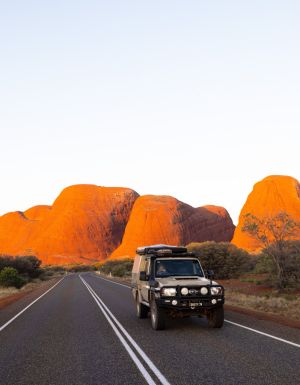
From Alice Springs, take an epic road trip along the Red Centre Way, taking in Uluru and Watarrka National Park, home to the magnificent Kings Canyon. Allow at least a week to drive through the red heart of Australia by 4WD, a little longer on the sealed road by 2WD vehicle, travelling through ochre deserts, palm-lined valleys and dramatic gorges. Stop off at waterholes for a refreshing dip along the way.

Kings Canyon offers hiking options for all levels of fitness, from the three-hour Rim Walk atop soaring sandstone walls to the gentler Kings Creek Walk. Either way, you’ll have breathtaking views.

SEIT Outback Australia is a small group touring specialist offering exciting, adventurous, exclusive and specialised iconic, pioneering and cultural touring in the Red Centre of Australia, giving you the time to learn, absorb and relax in the heart of Australia.<br /><br />This innovative tour company focuses on providing clients with the ultimate interpretive touring experiences with a range of products and customised touring itineraries for small groups and bespoke private charters.<br /><br />The company bases its philosophies from the key words of Spirit, Emotion, Intellect and Task (SEIT).
Drive through Australia’s heart. (Image: Outback Australia Tours)

7. Take a walk at Kata Tjuṯa

Head out early to tackle the Valley of the Winds Walk at Kata Tjuṯa . This natural wonder, also known as The Olgas, is a labyrinth of soaring ochre domes that glow golden at sunrise and sunset (the walk may be closed during the middle of the day as temperatures rise).

Walking trails range from easy to longer, more difficult tracks. At the Kata Tjuṯa dune viewing area, take in the panoramic view of the domes. The longest of the trails is the Valley of the Winds Walk, a 7.4km circuit that winds between the domes and through creek beds. It’s moderately difficult and steep in places, but offers stunning views – and occasional encounters with kangaroos.

The Valley of the Winds Walk at Kata Tjuta is one of the most awe-inspiring things to do in the Northern Territory, especially at sunrise when the domes glow golden.
Step into the golden light of Kata Tjuṯa. (Image: Tourism NT)

8. Explore Tjoritja/West MacDonnell Ranges

Tjoritja/West MacDonnell National Park lies 135km west of Alice Springs, with many fascinating natural features to beguile visitors. The ‘West Macs’ formations include chasms, gorges and waterholes – take your swimsuit for a dip at Ormiston Gorge waterhole, open year-round. The Ormiston Pound Walk is a three to four-hour circuit that leaves from the visitor centre and loops back along the gorge via the main waterhole. Other places of interest in the park include Simpsons Gap , Standley Chasm , Ellery Creek Big Hole and Glen Helen .

Soaking in the serenity of Ormiston Gorge, these two travellers enjoy one of the most scenic things to do in the Northern Territory.
Take the plunge at Ormiston Gorge waterhole. (Image: Joshua Griffin Litchfield)

Start planning the NT road trip of a lifetime at northernterritory.com