Everything you need to know about ethically buying Aboriginal Art

hero media
Investing in Aboriginal art is about more than just finding something to hang on your wall.

For an art form with traditions and practices stretching back multiple millennia, the Aboriginal and Torres Strait Islander art movement is having a moment right now in the global market. With dedicated followers such as actor Steve Martin (who famously loaned 10 paintings from his collection to the influential Gagosian Gallery in New York in 2019 as part of its Desert Painters of Australia exhibition) and renowned international museums including London’s Tate Modern adding pieces to its permanent collections, this is a bona fide contemporary art movement steeped in ancient history. But the good news is that investing in it does not require a Hollywood-sized bank balance; in fact, every visitor to the Northern Territory can buy a unique piece of art all their own.
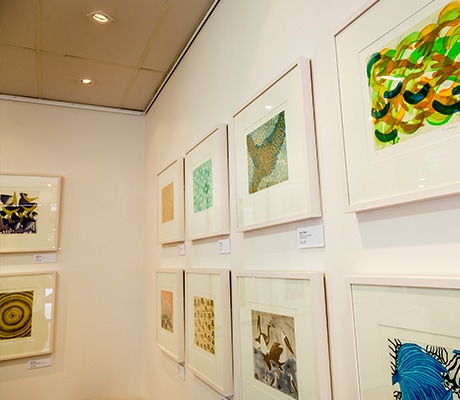
Aboriginal artwork at Nomad Art, Darwin
Nomad Art is a gallery specialising in limited edition artworks by artists from Indigenous art centres. (Image: Tourism NT/Nick Pincott)

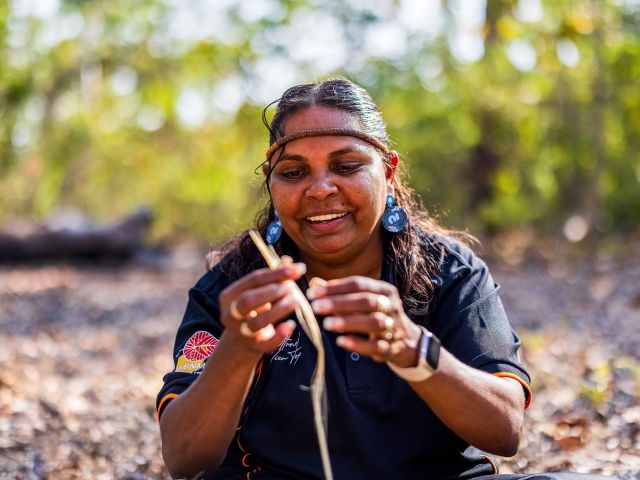
While Aboriginal and Torres Strait Islander art has been called ‘Australia’s greatest cultural gift to the world’, buying it here in Australia, and specifically on a trip to the Northern Territory, offers an irresistible opportunity to go beyond the mere provenance of a piece. It allows buyers to meet and interact with the artists themselves and experience the country, the colours, the sounds, the mood and the traditions that have influenced and shaped it.
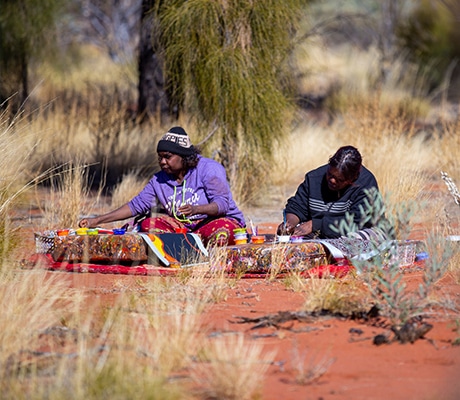
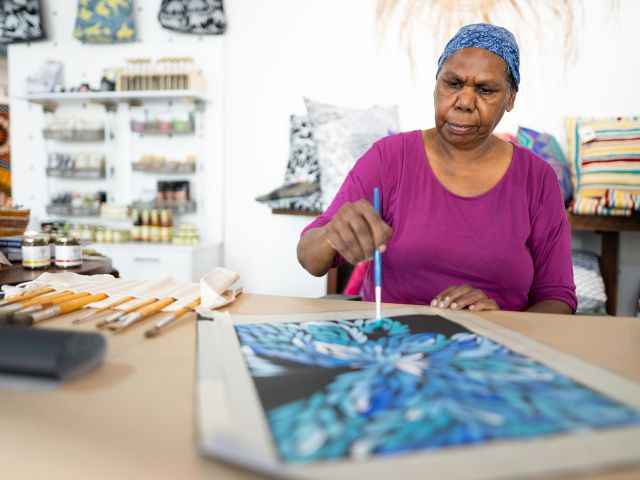
Women painting Desert art at Maruku, Uluru
An art form with traditions and practices stretching back multiple millennia. (Image: Tourism NT/Felix Baker)

It is estimated that Aboriginal and Torres Strait Islander art contributes up to $100 million to the Australian economy each year, but on a much more human level, the sale of art through Indigenous owned and operated art centres and any number of art fairs held across the country each year not only provides an invaluable source of income for artists, families and remote communities, but also allows them to take pride in continuing the traditions of the world’s oldest living culture.
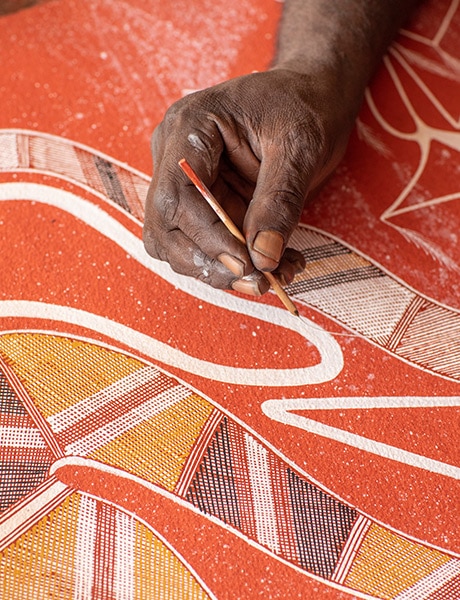
Artwork at Venture North's 4 Day Arnhem Land and Cobourg Peninsula Tour
Aboriginal and Torres Strait Islander art contributes up to $100 million to the Australian economy each year. (Image: Tourism NT/James Fisher)

With so much significance woven into the act of buying a piece of art, it is important to be respectful of the process, do the research and make informed decisions in order to end up with a work that is both authentic and ethical, and that you can also take pride in owning.
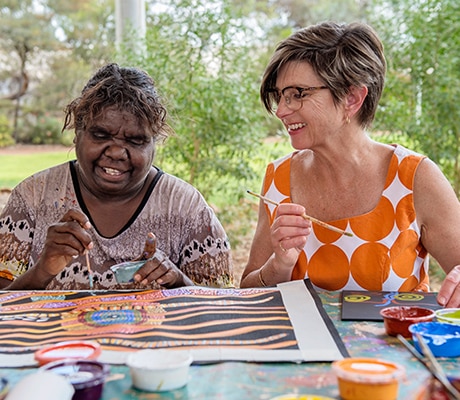
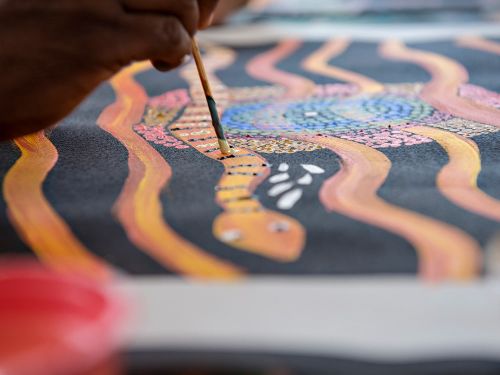
Women dot painting
Buying in Australia allows buyers to meet and interact with the artists themselves. (Image: Tourism NT/Shaana McNaught)

Need tips, more detail or itinerary ideas tailored to you? Ask AT.

AI Prompt

Do your research

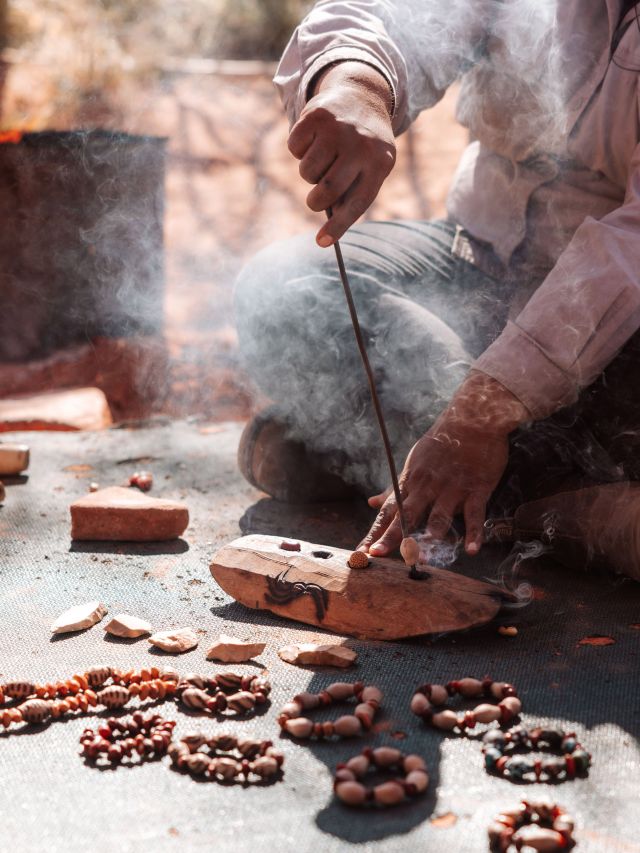
While most people considering buying a piece of Aboriginal or Torres Strait Islander art to commemorate a trip to the Northern Territory will imagine themselves returning with a painting, there are myriad styles and mediums to choose from: mesmerising contemporary dot paintings on canvas, traditional bark paintings, sculpture, woven fibre art, digeridoos, works on paper, prints and cultural regalia.

Decide the style you are interested in and seek out artists and community art centres in regions and locations that specialise in them, from the ochre paintings on bark that are typical of Arnhem Land to the intricate woven fibre art produced by the female Tjanpi artists of the remote Central and Western desert regions (Tjanpi Desert Weavers, a social enterprise of the Ngaanyatjarra Pitjantjatjara Yankunyytjatjara [NPY] Women’s Council, also has a public gallery in Alice Springs).
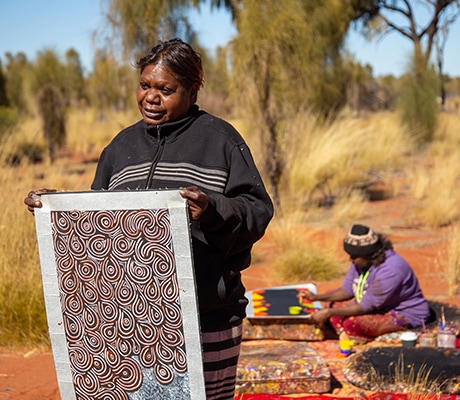
Women holding art work at Desert art at Maruku, Uluru
There are myriad styles and mediums to choose from. (Image: Tourism NT/Felix Baker)

Connect with the artist

Buying art in an ethical way means you are contributing to the sustainability of Aboriginal art into the future and showing respect for the artists themselves and the rich history that influences their work. According to the Indigenous Art Code, developed to establish a set of standards between dealers and artists to ensure fair and ethical trade in artwork, buyers should not be afraid to be inquisitive, whether buying from a gallery, at auction or at an art fair; the three questions you should be asking when making a purchase are: ‘Who is the artist?"; ‘Where are they from?’ And ‘How are they paid?’
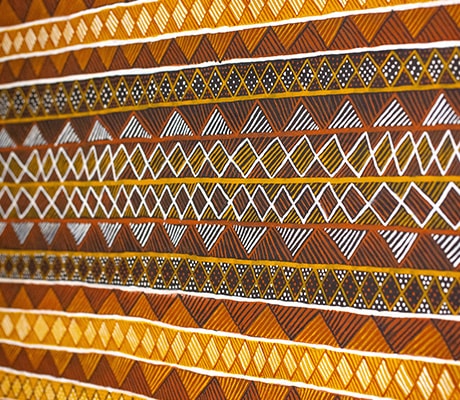
Aboriginal art, Godinymayin Yijard Rivers Arts and Culture Centre
Be inquisitive, whether buying from a gallery, at auction or at an art fair. (Image: Tourism NT/Felix Baker)

It is also important to establish provenance, a record of ownership that confirms that an artwork is authentic and has been traded in an ethical way, including fair payment for the artist. The Indigenous Art Code advises that any piece of Aboriginal or Torres Strait Islander art bought for more than $250 at an art centre should come with an authentication certificate; you should always ask for one if it is not offered.
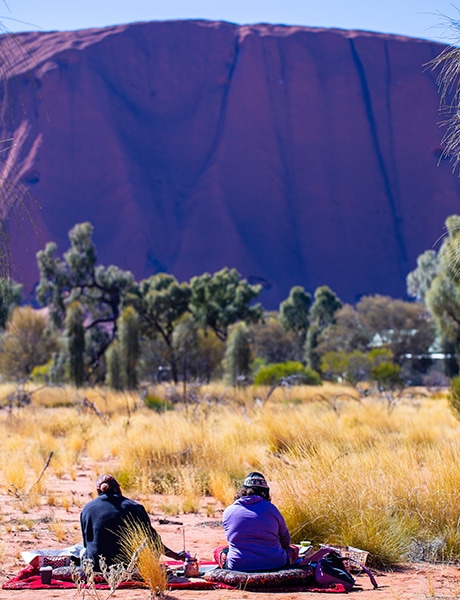
Women painting with Uluru in the background
Buying art in an ethical way means you are contributing to the sustainability of Aboriginal art. (Image: Tourism NT/Felix Baker)

Weekly travel news, experiences
insider tips, offers, and more.

Buy (really) local

While it is possible to buy Aboriginal art from dealers, the most ethical way to purchase is from Indigenous-owned and operated art centres, including the likes of Injalak Arts in Gunbalanya, Jilamara Arts and Crafts Association on Melville Island, Karungkarni Art and Culture in Katherine and Aaruku Arts in Uluru, owned and operated by Anangu of the Central and Western Desert. Non-profit cooperatives run by artists and communities, in addition to offering direct access to the artists, offering the chance to see first-hand how artworks are made and the inspiration behind them, these community art centres allow you to be confident the art you are buying is authentic and that the artists benefiting from all sales.
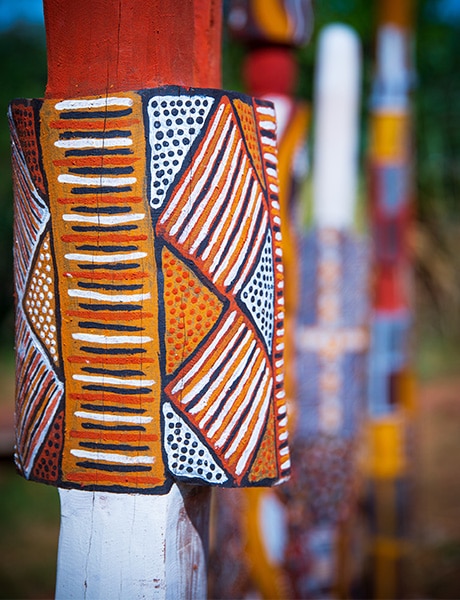
Aboriginal art for sale at Jilamara Arts and Craft Association
Contemporary Aboriginal art for sale at Jilamara Arts and Craft Association. (Image: Tourism NT/Felix Baker)

Art fairs are another great way to buy Aboriginal art straight from the source. There are a number of fairs held each year in the Northern Territory including Desert Mob in Alice Springs, presented by Araluen Arts Centre and Desart and representing Aboriginal arts and crafts centres of the Central Desert, and the Darwin Aboriginal Art Fair (DAAF). Staged by the not-for-profit Darwin Aboriginal Art Fair Foundation, DAAF does not attach commission to works sold, which means 100 per cent of the money made (some $11.6 million in the last five years) goes directly to the artists and their communities.
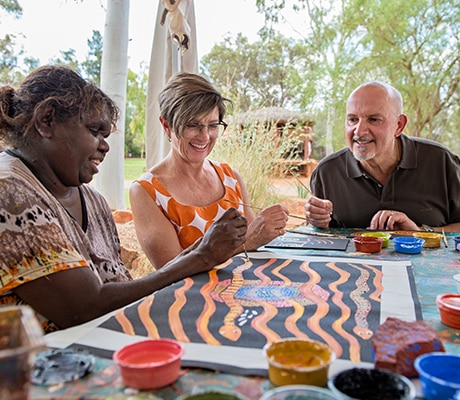
Artist teaching couple to dot paint
The most ethical way to purchase is from Indigenous-owned and operated art centres. (Image: Tourism NT/Shaana McNaught)

Enjoy the experience

In the homogenised, mass-produced world in which we live, being able to source artworks directly from the artists producing them and gaining insight into the creative process is not just unusual, it’s a privilege. Going straight to the source to buy Aboriginal art when visiting the Northern Territory, interacting with the artists and hearing their stories, is as much an experience as seeing Uluru or exploring Kakadu. Take the time, make the effort and you will be richly rewarded.
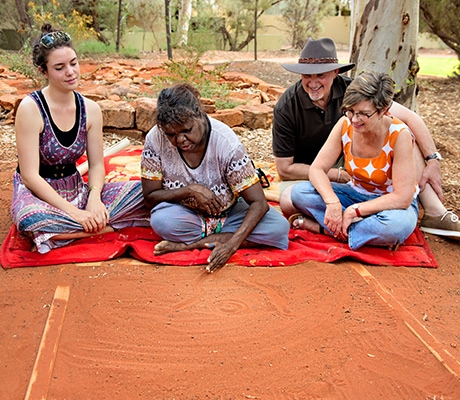
Learning to dot paint with artist
Interacting with the artists and hearing their stories, is as much an experience as seeing Uluru. (Image: Tourism NT/Shaana McNaught)
Australian Traveller

Australian Traveller

View profile and articles
hero media

Discovering East Arnhem: Australia’s most unique and rewarding corner

    Joanne Millares Joanne Millares

    Hard to reach and harder to forget, East Arnhem offers something rare in modern travel: the chance to slow down and experience Country on its own terms.

    The sky feels bigger in East Arnhem. It stretches wide and uninterrupted above rouged earth, stringybark woodland and beaches so empty they seem to belong to another era. The coastline curves for kilometres without a footprint and the horizon runs on forever.

    For comedian Lou Wall, the scale of the place was the first thing that hit them.

    “The sheer openness,” they say. “The sky feels infinite and the land stretches out endlessly. It’s pretty breathtaking visually.”

    But the physical landscape is only part of the story. The real reward isn’t only the scenery but the shift in perspective the journey brings. Visitors stop trying to tick off the destination and a real engagement takes over.

    “It made me never want to travel again,” Wall jokes. “In that I never wanted to leave East Arnhem.”

    Getting there

    Aerial shot of East Arnhem’s coastline as cars trace the curve of the shore.
    Sail along the remote coastline on an expedition cruise.

    Reaching East Arnhem is part of the adventure. Travellers typically fly into Gove Airport near Nhulunbuy via Darwin or Cairns, or arrive by expedition cruise along the remote coastline. Others make the journey overland along rutted dirt roads that cut through East Arnhem’s small pockets of monsoon forest.

    However you arrive, there’s a distinct feeling of crossing into somewhere different. Permits are required to visit the region, reflecting the fact that this is Yolŋu land where communities and traditional owners maintain deep cultural connections to Country.

    The extra planning becomes part of the experience. By the time visitors arrive, they understand they’re entering a place not just of respect, but also patience and curiosity.

    At one with nature

    East Arnhem’s  landscapes leave a strong imprint. For Wall, one place in particular still lingers in their memory: Ngalarrkpuy, also known as Lonely Beach, near Bawaka Homeland.

    “I genuinely felt like I was living inside an Instagram filter,” they say. “One of the most stunning feats of nature I’ve ever seen. The water was so clear I swear I could see even the fish smiling.”

    Across the region, natural experiences unfold at a slower pace. Fishing, beachcombing and island hopping reveal the rhythm of the coastline. The tides shape daily life and the vastness of the landscape makes even simple moments feel downright cinematic.

    For visitors with limited time, Wall says the Bawaka Homeland experience is unmissable.

    “I just left and I’m already planning when I can get back there.”

    The sense of remoteness is part of the appeal. In a country where many beaches are crowded and well-trodden, East Arnhem’s coastline still feels wonderfully wild.

    Immersing in local culture

    A visitor spends a meaningful moment alongside Yolŋu guides, gaining insight into their deep cultural knowledge and connection to the land.
    Experience authentic moments with the locals.

    Culture is woven through every experience in East Arnhem. Visitors have the opportunity to spend time on Country with Yolŋu guides and knowledge holders who share stories and traditions that have been passed down for generations.

    For Wall, one of the most powerful moments came during a conversation with a Yolŋu elder.

    “I got to meet a traditional elder, Mayalil, in Nhulunbuy,” they say. “Listening to her talk about her home made the land feel alive in ways I couldn’t have imagined.”

    The region is also home to internationally recognised Aboriginal art centres where artists shape works deeply connected to land and family knowledge.

    Music carries the same cultural energy. East Arnhem has produced globally recognised artists such as King Stingray and Baker Boy, blending Yolŋu language, storytelling and contemporary sound.

    Wall experienced this musical spirit first-hand.

    “A jam session around the fire was it for me,” they say. “Letting the deep joy and history of their music wash over me…  and meeting a few of the King Stingray musicians was unreal.”

    These moments of human connection often become the most memorable part of a visit.

    Spotting local wildlife

    An aerial view of the beach shows tiny figures lined up across the white sand, moving as if in a rhythmic dance.
    Step into a world where nature reigns.

    The wildlife of East Arnhem adds another layer to the experience. The region is home to an extraordinary range of animals, from waterbirds and turtles to dugongs, dolphins and the formidable saltwater crocodile.

    Wall admits they didn’t actually spot a croc during their visit.

    “Devastatingly, I didn’t see one,” they laugh. “But with all the stories from the locals I definitely gained a healthy respect for caution.”

    Some of the most memorable wildlife encounters can be surprisingly small., At Banubanu Beach Retreat on Bremer Island, Wall remembers walking along the beach one morning and watching it come alive.

    “As you walk through the sand you see hundreds of crabs scurrying into their holes as you pass by,” they say. “Such a small thing, but it was completely magical.”

    Moments like this reveal the quieter rhythms of East Arnhem, where even the smallest creatures seem to play a part in the landscape.

    Visitors who make the journey soon learn the most important travel tip of all.

    “Go in open-minded with a sense of curiosity,” Wall says. “Be prepared to ditch your plans. The land and the locals will guide you on an adventure no spreadsheets could ever compete with.”

    And most importantly, they add, don’t rush.

    “The land and people deserve your time and attention. You’ll be all the better for slowing down.”

    For more information on visiting East Arnhem, head to eastarnhem.com.au.