NT The best Aboriginal cultural festivals

hero media
Immerse yourself in the rich history, culture and beauty of Indigenous Australia at the best Aboriginal festivals in the Northern Territory. Whether you’re into traditional art, are mesmerised by Indigenous song and dance, or are keen to delve into the everyday life of remote communities, these are the festivals you’ll want on your travel calendar.

Parrtjima – A Festival in Light

Alice Springs

9–18 April 2021

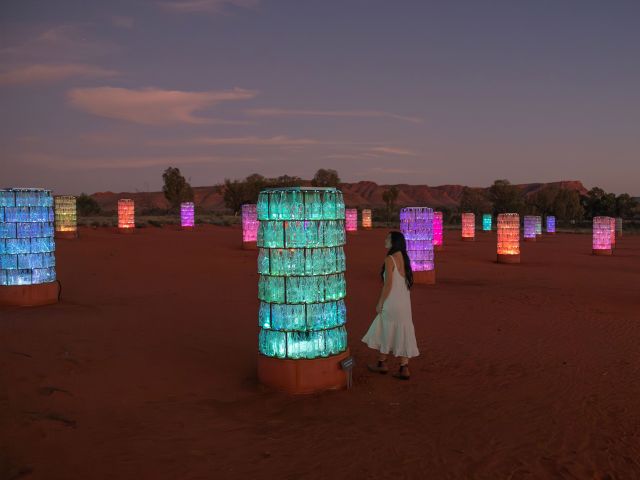
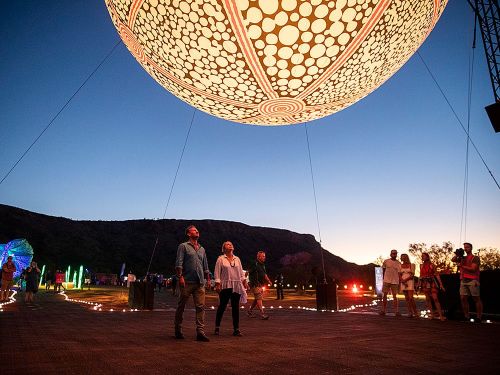
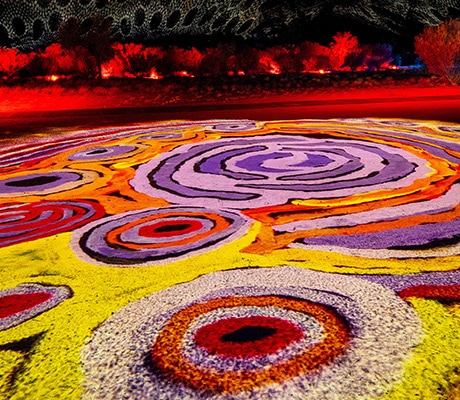
For 10 nights, the majestic MacDonnell Ranges are lit up with large-scale light installations as part of the highly anticipated Parrtjima – A festival in Light. Casey Donovan is among the numerous musicians set to wow visitors to the Alice Springs festival, and you won’t want to miss the live talks by guests such as award-winning writer Bruce Pascoe (Dark Emu, 2018).
Parrtjima Fetsival 2018, NT
The majestic MacDonnell Ranges are lit up with large-scale light installations, (Image: Parrtjima/NTMEC)

Rounding out one of the Northern Territory’s best festivals is a program of workshops (textiles, wood carvings, metal sculpture and painting), films and art. The festival spreads across three venues: Araluen Arts Centre, Alice Springs Desert Park and Todd Mall.
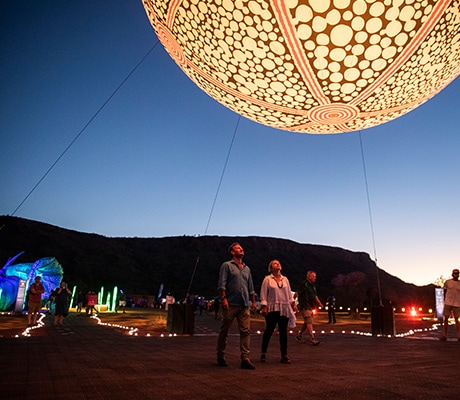
Couple at Parrtjima, NT
A couple taking in the incredible installations at Parrtjima. (Image: Tourism NT/KWP!)

Taste of Kakadu

Kakadu National Park

28-30 May 2021

A celebration of Kakadu’s cuisine and culture, Taste of Kakadu is the pinnacle festival for anyone wanting to delve into the surprises and delights of bush food. Across three days, you’ll get to: learn traditional cooking techniques and recipes from locals; enjoy contemporary Aboriginal dishes while watching the sun set across this World Heritage-listed park; take in an al fresco art exhibit; and sample interesting foods such as buffalo tongue and cured emu egg yolk. An Aussie culinary holiday doesn’t get much more enriching than this.
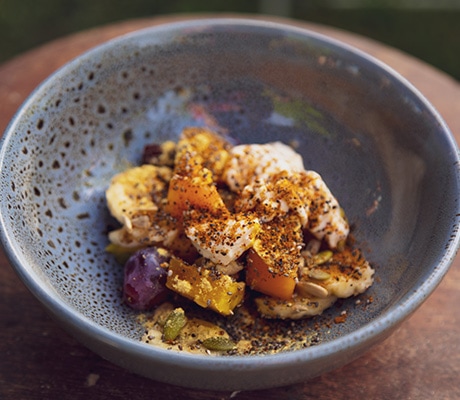
Kakadu plum fruit salad, Taste of Kakadu, NT
Kakadu plum fruit salad. (Image: Tourism NT)

Barunga Festival

Barunga, 80 kilometres south-east of Katherine

11–13 June 2021

Storytelling circles, AFL games and a didgeridoo competition bring to life the essence of Aboriginal communities at the annual Barunga Festival, known to attract 4000-strong crowds. Located in the remote community of Barunga, near Katherine, the tropical winter festival features a fantastic line-up of live music, displays of Indigenous art, softball and basketball games, bush tucker and bush medicine workshops, and traditional dancing.
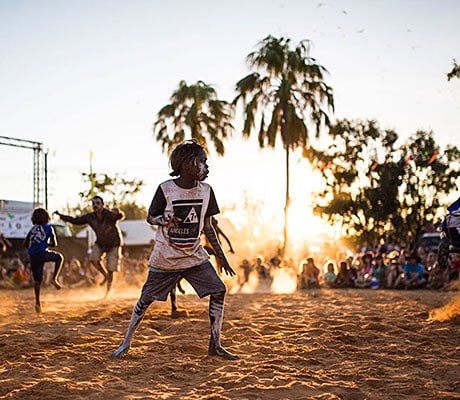
Aboriginal Dance - Barunga Festival, NT
Aboriginal Dance being performed at Barunga Festival. (Image: Tourism NT/Stephen Parry)

There are also plenty of fun things for kids to do, including damper making, and a range of good food options, and you can pitch a tent and stay for the three days. Barunga is all about sharing Aboriginal culture with a broader community, and is a fabulous introduction to Indigenous Australia.
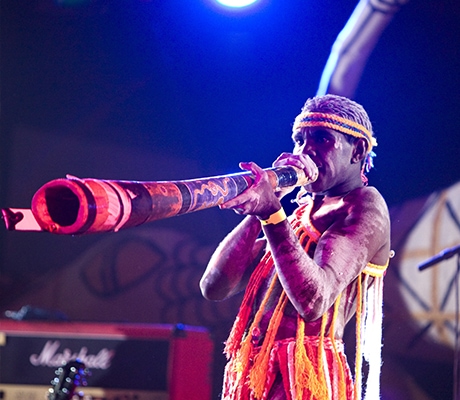
Performance at Barunga Festival, NT
Barunga is all about sharing Aboriginal culture with a broader community. (Image: Tourism NT/Peter Eve)

Need tips, more detail or itinerary ideas tailored to you? Ask AT.

AI Prompt

GARMA Festival

Gulkula, Arnhem Land

30 July – 2 August 2021

One of the most well-known Aboriginal events in Australia and heralded as the biggest celebration of Indigenous heritage in the country, GARMA Festival is four days of dance, ceremony, song and art at Gulkula, a sacred site on the Gove Peninsula, north-east Arnhem Land. Into its 22nd year, the festival is about local Yolngu clans coming together to share their knowledge and culture through daily workshops, discussions and debates.
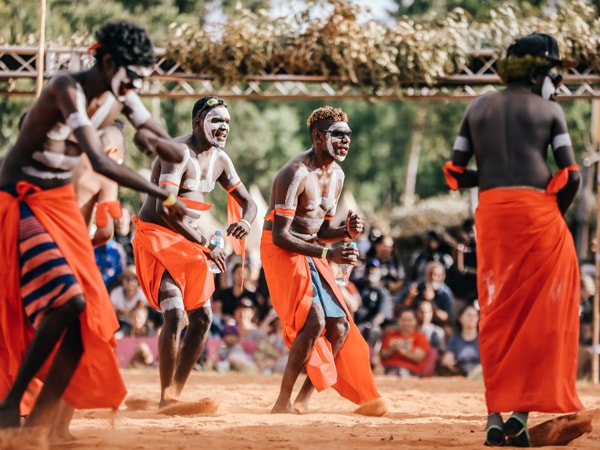
The Groote Eylandt
The Groote Eylandt mob takes to the Bunggul. (Credit: Elise Hassey)

Hosted by the Yothu Yindi Foundation, GARMA is more than your typical celebration, with education a large focus, however travellers to this remote corner of the country can still expect to be mesmerised by sunset dances, performances by emerging and established artists, and traditional art. (Tickets are limited due to Covid-19.)
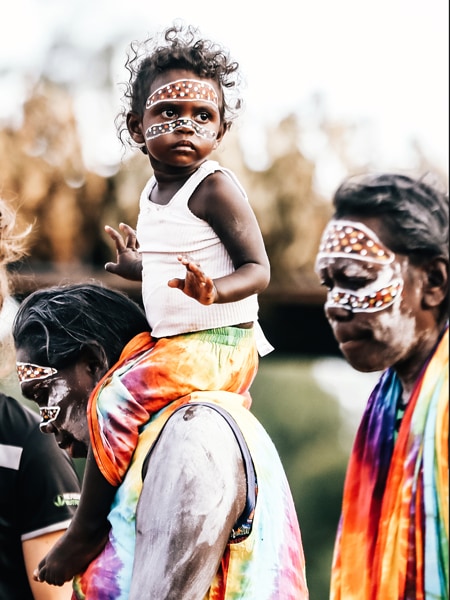
A young girl at Garma
A young Garma-goer gets into the spirit. (Credit: Elise Hassey)

Darwin Festival

Darwin

5–22 August 2021

One of the best places to see local NT artists and performers is at Darwin Festival. Showcasing international acts (during pre-Covid years), while supporting homegrown talents, the festival is a great mix of entertainment during the region’s dry season. The main festivities of the award-winning event take place in Festival Park in the CBD, with art exhibits and performances held at venues across the city.
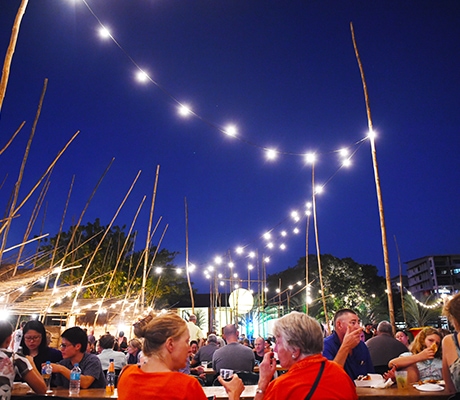
Darwin Festival, NT
Darwin Festival is one of the best places to see local NT artists and performers. (Image: Tourism NT/Elise Derwin)

Darwin Aboriginal Art Fair

Darwin

Weekly travel news, experiences
insider tips, offers, and more.

6–8 August 2021

Having the opportunity to buy Aboriginal art direct from about 70 Indigenous-owned art centres in the Northern Territory is one of the highlights of Darwin Aboriginal Art Fair. Art masterclasses and talks, fashion displays, traditional dance and film are also on the schedule. The event is currently planned to be held in Darwin, however, stay tuned for updates in case Covid restrictions force the festival online.
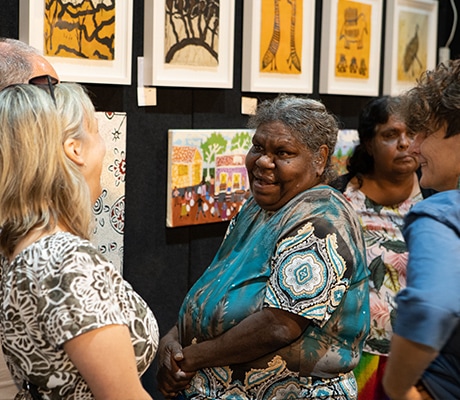
Darwin-Aboriginal art fair
Tangentyere artists and Yarrenyty Arltere artists booth at the 2019 Darwin-Aboriginal art fair. (Image: Dylan Buckee_

Freedom Day Festival

Kalkaringi and Daguragu, 480 kilometres south-west of Katherine

27–29 August 2021

If you’re searching for a festival that’s different to the norm – perhaps you’ve been to a few already – then Freedom Day Festival is a wonderful event that celebrates Aboriginal Land Rights and unity, and focuses on harnessing a positive future. In 2021, organisers are marking the festival’s 55th anniversary with a party centred around music, art, sport and culture.
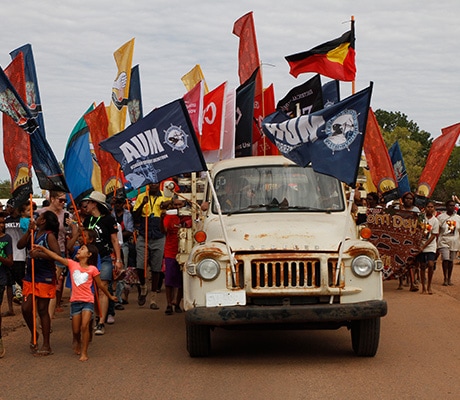
Freedom Festival, NT
Freedom Day Festival is a wonderful event that celebrates Aboriginal Land Rights and unity. (Image: Susanna Tosh)

The festival takes place on Gurindji country, in the communities of Kalkaringi and Daguragu (formerly Wave Hill), on the Buntine Highway around five hours south-west of Katherine. Aim to arrive on the festival’s eve so you can enjoy the Welcome to Country and community march the following morning. There are basic campgrounds to stay in; check with organisers if visitor permits are required.
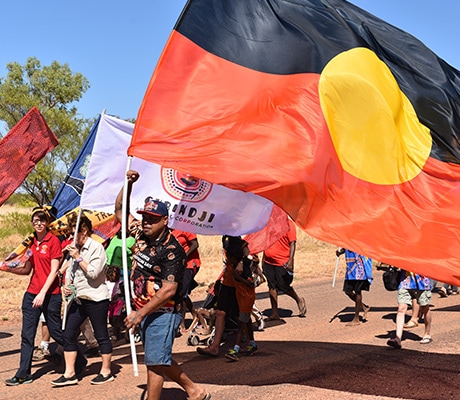
Freedom Day Festival, NT
Enjoy the Welcome to Country and community march. (Image: Susanna Tosh)

Desert Festival

Alice Springs

23 September – 3 October 2021

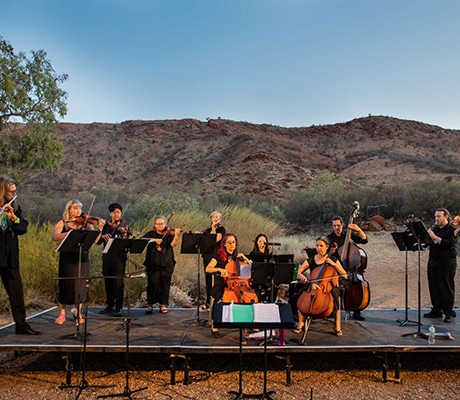
One of the easiest Aboriginal festivals to reach is Desert Festival, held at various locations throughout Alice Springs. You won’t need a 4WD to get here (you can fly) and you can return to a modern hotel, instead of a campground, at the end of each day. Let’s say it’s a good go-to for those who like a little comfort with their festival experience. Visitors can see films and theatre, enjoy art and music, and attend workshops and talks over the course of the 10-day event.
Desert Festival, NT
The Alice Springs World Chamber Orchestra live amongst nature at the Alice Springs Desert Park for Desert Festival.

Want to see more stories from Australian Traveller in your Google search results?

  1. Click here to set Australian Traveller as a preferred source.
  2. Tick the box next to "Australian Traveller". That's it.
Jennifer Ennion
Jennifer Ennion is a freelance travel and ski journalist who loves encouraging people to spend more time outdoors. From snorkelling with belugas in sub-Arctic Canada to hiking the Himalayas, Jennifer is constantly searching for stories that inspire readers to push their boundaries.
View profile and articles
hero media

Discovering East Arnhem: Australia’s most unique and rewarding corner

    Joanne Millares Joanne Millares

    Hard to reach and harder to forget, East Arnhem offers something rare in modern travel: the chance to slow down and experience Country on its own terms.

    The sky feels bigger in East Arnhem. It stretches wide and uninterrupted above rouged earth, stringybark woodland and beaches so empty they seem to belong to another era. The coastline curves for kilometres without a footprint and the horizon runs on forever.

    For comedian Lou Wall, the scale of the place was the first thing that hit them.

    “The sheer openness,” they say. “The sky feels infinite and the land stretches out endlessly. It’s pretty breathtaking visually.”

    But the physical landscape is only part of the story. The real reward isn’t only the scenery but the shift in perspective the journey brings. Visitors stop trying to tick off the destination and a real engagement takes over.

    “It made me never want to travel again,” Wall jokes. “In that I never wanted to leave East Arnhem.”

    Getting there

    Aerial shot of East Arnhem’s coastline as cars trace the curve of the shore.
    Sail along the remote coastline on an expedition cruise.

    Reaching East Arnhem is part of the adventure. Travellers typically fly into Gove Airport near Nhulunbuy via Darwin or Cairns, or arrive by expedition cruise along the remote coastline. Others make the journey overland along rutted dirt roads that cut through East Arnhem’s small pockets of monsoon forest.

    However you arrive, there’s a distinct feeling of crossing into somewhere different. Permits are required to visit the region, reflecting the fact that this is Yolŋu land where communities and traditional owners maintain deep cultural connections to Country.

    The extra planning becomes part of the experience. By the time visitors arrive, they understand they’re entering a place not just of respect, but also patience and curiosity.

    At one with nature

    East Arnhem’s  landscapes leave a strong imprint. For Wall, one place in particular still lingers in their memory: Ngalarrkpuy, also known as Lonely Beach, near Bawaka Homeland.

    “I genuinely felt like I was living inside an Instagram filter,” they say. “One of the most stunning feats of nature I’ve ever seen. The water was so clear I swear I could see even the fish smiling.”

    Across the region, natural experiences unfold at a slower pace. Fishing, beachcombing and island hopping reveal the rhythm of the coastline. The tides shape daily life and the vastness of the landscape makes even simple moments feel downright cinematic.

    For visitors with limited time, Wall says the Bawaka Homeland experience is unmissable.

    “I just left and I’m already planning when I can get back there.”

    The sense of remoteness is part of the appeal. In a country where many beaches are crowded and well-trodden, East Arnhem’s coastline still feels wonderfully wild.

    Immersing in local culture

    A visitor spends a meaningful moment alongside Yolŋu guides, gaining insight into their deep cultural knowledge and connection to the land.
    Experience authentic moments with the locals.

    Culture is woven through every experience in East Arnhem. Visitors have the opportunity to spend time on Country with Yolŋu guides and knowledge holders who share stories and traditions that have been passed down for generations.

    For Wall, one of the most powerful moments came during a conversation with a Yolŋu elder.

    “I got to meet a traditional elder, Mayalil, in Nhulunbuy,” they say. “Listening to her talk about her home made the land feel alive in ways I couldn’t have imagined.”

    The region is also home to internationally recognised Aboriginal art centres where artists shape works deeply connected to land and family knowledge.

    Music carries the same cultural energy. East Arnhem has produced globally recognised artists such as King Stingray and Baker Boy, blending Yolŋu language, storytelling and contemporary sound.

    Wall experienced this musical spirit first-hand.

    “A jam session around the fire was it for me,” they say. “Letting the deep joy and history of their music wash over me…  and meeting a few of the King Stingray musicians was unreal.”

    These moments of human connection often become the most memorable part of a visit.

    Spotting local wildlife

    An aerial view of the beach shows tiny figures lined up across the white sand, moving as if in a rhythmic dance.
    Step into a world where nature reigns.

    The wildlife of East Arnhem adds another layer to the experience. The region is home to an extraordinary range of animals, from waterbirds and turtles to dugongs, dolphins and the formidable saltwater crocodile.

    Wall admits they didn’t actually spot a croc during their visit.

    “Devastatingly, I didn’t see one,” they laugh. “But with all the stories from the locals I definitely gained a healthy respect for caution.”

    Some of the most memorable wildlife encounters can be surprisingly small., At Banubanu Beach Retreat on Bremer Island, Wall remembers walking along the beach one morning and watching it come alive.

    “As you walk through the sand you see hundreds of crabs scurrying into their holes as you pass by,” they say. “Such a small thing, but it was completely magical.”

    Moments like this reveal the quieter rhythms of East Arnhem, where even the smallest creatures seem to play a part in the landscape.

    Visitors who make the journey soon learn the most important travel tip of all.

    “Go in open-minded with a sense of curiosity,” Wall says. “Be prepared to ditch your plans. The land and the locals will guide you on an adventure no spreadsheets could ever compete with.”

    And most importantly, they add, don’t rush.

    “The land and people deserve your time and attention. You’ll be all the better for slowing down.”

    For more information on visiting East Arnhem, head to eastarnhem.com.au.