This ancient rainforest hosts one of the largest glow worm colonies

hero media
Illuminated stickybeaking through glow worm caves can be found one hour from the Gold Coast.

Like glow-in-the-dark stars stuck to the bedroom ceilings of our childhood, glow worms flood darkened spaces with otherworldly light shows. In Queensland’s Springbrook National Park, one of the hidden gems of the Gold Coast Hinterland, the itty bitty insects thrive, clustering into Australia’s largest known colony and drawing queues of awe-struck visitors daily.

From knowing where to find these glow worm caves (well, it’s technically one cave and several rocky overhangs) and precisely when to catch them, to getting across further glow worm hot spots throughout Queensland and Australia’s east coast, our guide to bioluminescent exploration will see you spellbound by its undeniable magic.

Springbrook National Park
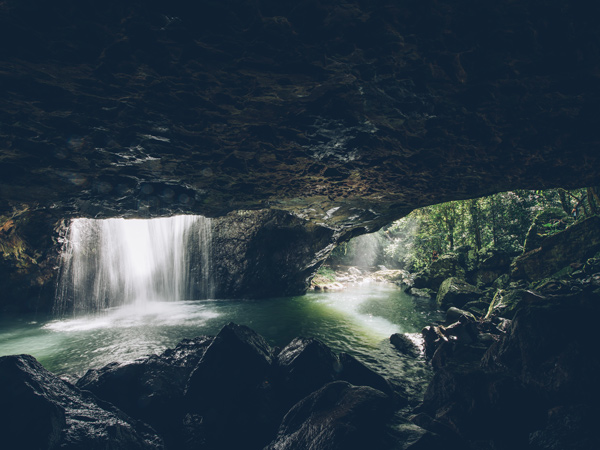
the waterfall and the Natural Bridge rock arch in Springbrook National Park
Spot glow worms at the Natural Bridge in Springbrook National Park. (Image: Tourism and Events Queensland)

Flowing with lush forest, waterfalls, streams, ancient trees and wildlife including several endangered species, Springbrook National Park is a spectacular natural playground that stretches over 6,558 hectares. It’s roughly 40 kilometres inland from the Gold Coast, about an hour’s drive from Surfers Paradise, forming part of the Gondwana Rainforests of Australia World Heritage Area, the world’s largest sub-tropical rainforest.

While a stroll along any of its trails will highlight the park’s majesty, tackling the one-kilometre Natural Bridge Circuit, off Bakers Road within the Natural Bridge section, will take you straight to Springbrook’s glow worm cave. If you’re driving straight in and out, punch ‘Nerang Murwillumbah Road Reserve’ into Maps.
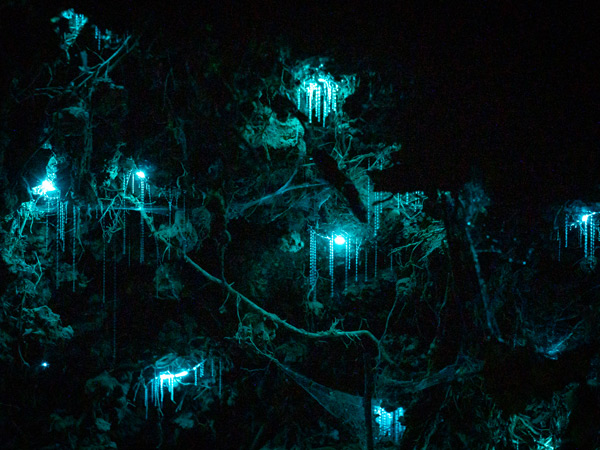
glow worms inside a cave
Soak in the delicate radiance of nature’s tiny lanterns. (Image: Getty/Camille Niel)

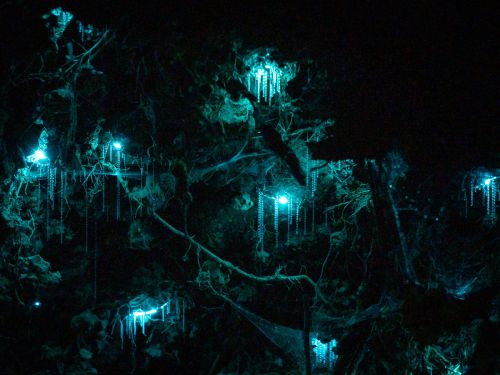
Outsmart long sets of stairs by tackling the walk in a clockwise direction and before long, a striking basalt cave, crafted by the force of a waterfall cascading overhead, is destined to steal your attention. Thousands of the small fly species Arachnocampa flava, which are endemic to south-east Queensland, fill the cave’s roof, creating a blanket of tiny bluey-green lights. Think tiny speckly flies rather than worms, in fact. The sight is soothing yet eerily sinister, vivid yet cloaked in the dampness of the rocky wall — it’s a breathtaking wonder, no matter how many times you spy it.
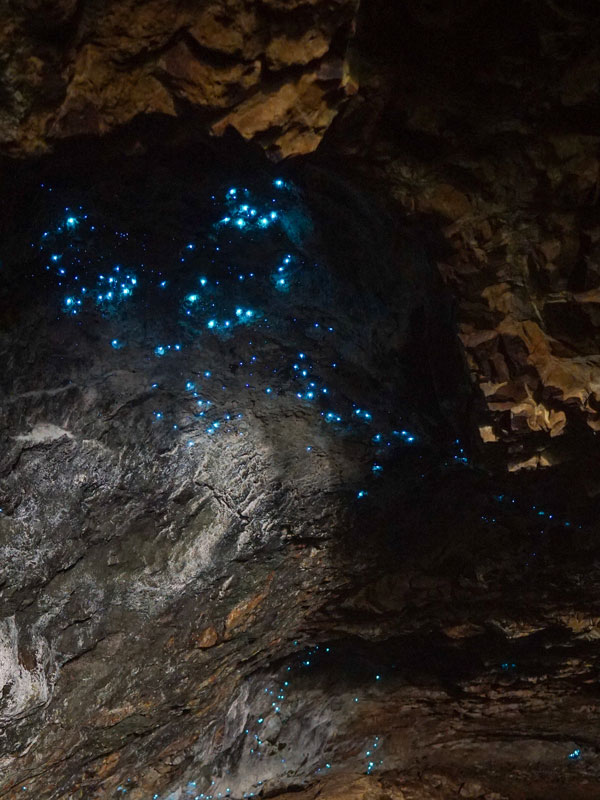
glow worms inside a cave, Springbrook National Park
Marvel at the bioluminescence. (Image: Getty/Jessica North)

Now, some logistics to amplify your viewing. You’ll need to visit after sunset when darkness enhances the little guys’ radiance, and the best time of year to see them is during the wet season in full heat: December to March. Because it’s summer, you’ll also likely spot fireflies and microbats, so it’s a real feast for the senses.

Queensland National Parks also offer rules to comply with while visiting the glow worm cave, due to these phenomenal attractions being super sensitive to their surroundings.

  • You should bring torches — one between two people is advised — but visitors are urged to avoid shining them directly onto glow worms. Their light is emitted to lure prey (humans aren’t the only suckers for glow worm caves — midges and mozzies are also drawn in) and shining harsh lights may disrupt the natural feeding process.
  • No flash photography. Again, harsh light may interrupt feeding cycles.
  • No smoking, as smoke can kill glow worms.
  • Do not touch the insects.
  • Do not apply insect repellent while you’re up close. Again, the repellent could prove fatal to glow worms, so ensure you’re sufficiently lathered before you start the trail.
  • Cap your group at 12 people. More people and excessive noise mean a greater chance of disrupting those feeding cycles.

Additionally, we recommend wearing super grippy shoes as the grounds can be quite slippery, especially if you’re visiting after some rain. Plus, it’s pitch black in there.

Where else can you see glow worms?
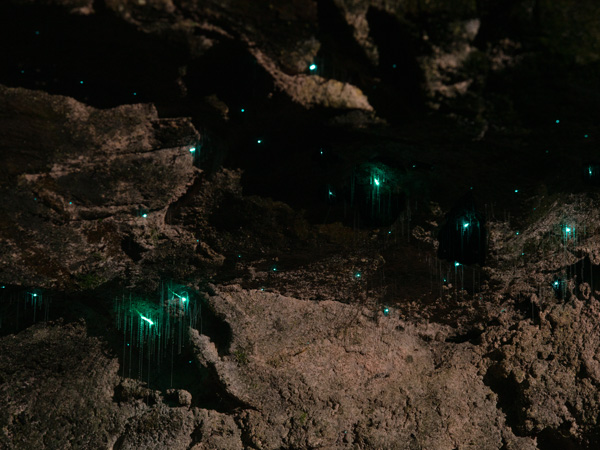
Glow Worm Caves at Tamborine Mountain
Check out the Glow Worm Caves at Tamborine Mountain. (Image: Getty/Jeremy Edwards)

If you’ve got a bit of time on the Gold Coast, you should also check out the Glow Worm Caves at Tamborine Mountain . The insects are real, but the cave is man-made and the team behind it offer guided tours, so you’ll hear all about how glow worms survive and more in-depth storytelling into what you’re marvelling. It’s located near Cedar Creek Estate vineyard on the corner of Long and Hartley roads.

Additionally, we love exploring:

Wollemi National Park, NSW
glow worms inside Wollemi National Park, NSW
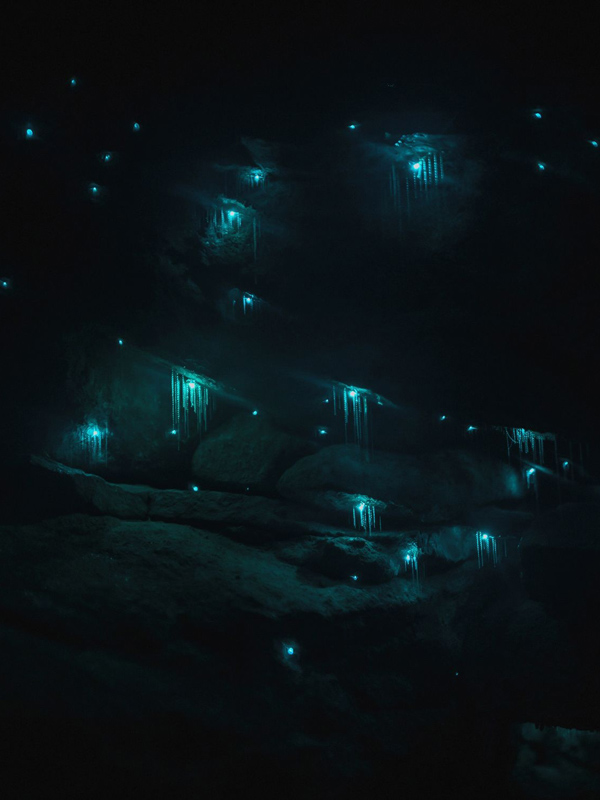
Thousands of glow worms light up the 387-metre-long tunnel.

Located near Lithgow in the Blue Mountains, Wollemi National Park is home to the six-kilometre return Glow Worm Tunnel walking track, leading nature lovers to another high concentration of glow worms. Lining the walls of a historic 387-metre-long tunnel, thousands of the insects are spotted about 1.5 kilometres into the trail.

Great Otway National Park, VIC

One of the wettest corners of the state, Great Otway National Park along the Great Ocean Road boasts its own impressive glow worm population at the park’s Melba Gully. Take the Madsens Track Nature Walk at night to spot the little fellas clinging onto soil banks and overhanging ledges. The walk is about 1.5 kilometres in total.

Marakoopa Cave in Mole Creek Karst National Park, Tas
an undeground stream at Mole Creek Caves
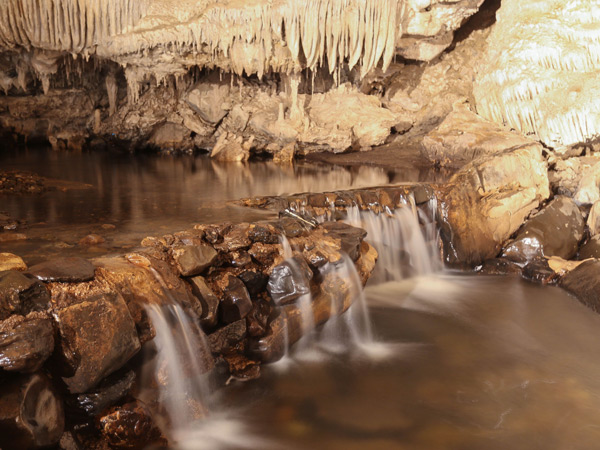
The majestic Mole Creek Caves boast underground streams and spectacular rock formations. (Image: Tourism Australia & Graham Freeman)

A limestone underground structure located about 40 minutes from Tasmania’s Deloraine, the Marakoopa Cave in Mayberry is filled with glow worms but you’ll need to join a tour to access it. Mole Creek Karst National Park’s ticketing office provides seasonal tour options so check out the website to find a pick that’s perfect for you.

Glow Worm Glen Track in Morton National Park, NSW

Located within the Southern Highlands of NSW, Morton National Park is another great spot to catch glow worms spinning their magic after dark. The park’s Garland Road Reserve, otherwise known as the Glow Worm Glen Track, is a two-kilometre return trail illuminated at the William Street section. Park at the top end of the street before carefully scaling down towards a viewing platform where the beauties beam.

Discover our guide to Lamington National Park

Kristie Lau-Adams
Kristie Lau-Adams is a Gold Coast-based freelance writer after working as a journalist and editorial director for almost 20 years across Australia's best-known media brands including The Sun-Herald, WHO and Woman's Day. She has spent significant time exploring the world with highlights including trekking Japan’s life-changing Kumano Kodo Pilgrimage and ziplining 140 metres above the vines of Mexico’s Puerto Villarta. She loves exploring her own backyard (quite literally, with her two young children who love bugs), but can also be found stalking remote corners globally for outstanding chilli margaritas and soul-stirring cultural experiences.
See all articles
hero media

An insider’s guide to Noosa’s best-kept winter secrets

As the cooler weather rolls in, head to this popular Sunshine Coast destination to enjoy stunning natural beauty, culinary wonders and mild temperatures.

As southern Australia’s weather starts to cool – the frost visiting every morning and the evening chill descending at dusk – you might reach for your thickest cable knit sweater and warmest blanket. But why not reach for your suitcase and sunglasses and book a ticket to Noosa in winter instead?

Sure, it’s a favourite destination for sun-seeking summer travellers. But as locals will readily tell you, winter is the best time to uncover hidden gems across the region – not only is the weather mild and enjoyable, but the beaches and hinterland are picture-perfect, too. You might even spot a whale or two if you visit from June to September.

Discover how to spend your winter surrounded by Noosa’s stunning natural beauty.

Noosa Rivermouth And Main Beach
Make the most of mild temperatures of Noosa in winter.

Where to eat in Noosa

Known for its dynamic cuisine, Noosa is an overflowing foodie destination. Whatever your tastebuds fancy, the region has it covered.

There are the classic eateries, like lively beachfront Bistro C (try the caramelised pork belly), popular Season Restaurant on Hastings Street (order the spanner crab pasta) and stylish Locale (our pick is the slow roasted White Pyrenees lamb shoulder).

There are also chic new restaurants offering tasty dishes, like the Mediterranean fare at Pelis , Cantonese-inspired dim sums at Sabrosa , organic sourdough pizza from El Capitano , traditional recipes and tequila at Dona Cocina Mexicana and modern Italian-Australian creations from Lucio’s Marina .

diners at Lucio's Marina in noosa in winter
Taste modern Italian-Australian at Lucio’s Marina. (Image: Nickolas May)

Where to stay in Noosa

Once you’re full, you’ll need to find a place to lay your head, and Noosa has no shortage of accommodation options. From five-star resorts with palm-fringed lagoon pools to self-catered apartments and family-friendly budget options, stays in the heart of the action on Hastings Street to sleeping steps from the beach or in more spacious and relaxed accommodation along the river, Noosa offers something for everyone.

There’s the laid-back luxury of Netanya Noosa overlooking Noosa Main Beach, which offers studios, two- and three-bedroom apartments, or the family-oriented Ivory Palms Resort in Noosaville, with its three pools, jumping pillow and playground. Guests also love the versatile RACV Noosa Resort and its numerous pools, waterslides and tennis courts.

For a wildlife experience, hop on a ferry and travel to the eco-friendly Senses Noosa North Shore . Surrounded by 16 hectares of native bushland, the beautiful architect-designed property blends indoor and outdoor living and offers three stunning pools and a spa. Guests can even spot kangaroos and rainbow lorikeets from shaded verandahs.

a beachfront swimming pool at Netanya Noosa
Gaze over Noosa Main Beach at Netanya Noosa. (Image: Lumea Photo)

Things to do on land

There’s no denying it, the main beach – with its creamy-coloured sand, consistent breaks and epic coastline views – is Noosa’s shining star attraction. Bordering this is the wildly popular Noosa National Park, where you can explore over 15 kilometres of walking tracks, including options like the Coastal Walk, Tanglewood Walk and Palm Grove Walk.

A short stroll away is busy Hastings Street, which is full of life during the day and long into the night. Enjoy a little shopping, a late brunch, dinner out and a cocktail as the sun goes down.

Climb onto a fully electric tuk tuk with Noosa e-TukTuk to get an insider’s tour of the region. For a more in-depth exploration, book a bespoke tour with Joel’s Journeys and head to the lush green hinterland, or discover the rugged landscapes of Great Sandy National Park with Sunny Jeeps to spend the day with the wind in your hair and sand underfoot.

woman enjoying the view after hiking through Noosa National Park, noosa in winter
Take in views of the beautiful Noosa Hinterland. (Image: Demy Gavin)

Things to do in the water

Noosa isn’t just about the beach, the national parks and shopping; one of the most popular ways to embrace winter is to explore on water.

You could brave the waves on a surfboard, explore the languid Noosa River on a stand-up paddleboard or even head to the Noosa Everglades for a day adventuring on a boat, canoe or kayak.

Enjoy the winter sunsets aboard the newly launched HV Stillwater , a luxury, hybrid-powered catamaran that glides silently along Noosa’s waterways. You can also book a table on the only floating restaurant on the river – Noosa Cruiser – and dig into freshly cooked cuisine.

For a little more adventure, head out with Kingfisher Safari Co and cruise around the Noosa River Inlet and Lake Cootharaba. Or search for whales and dolphins (from June to September) on a small charter boat tour with WhaleSongs Noosa ; with an onboard researcher to explain what you’re seeing, as well as a hydrophone, you’ll be able to listen to the haunting songs of some of the world’s biggest animals while enjoying a winter’s day in the sun.

women kayaking through Noosa everglades noosa in winter
Explore the gorgeous Noosa Everglades. (Image: Emily Redfern)

Book your winter getaway in Noosa at visitnoosa.com.au.