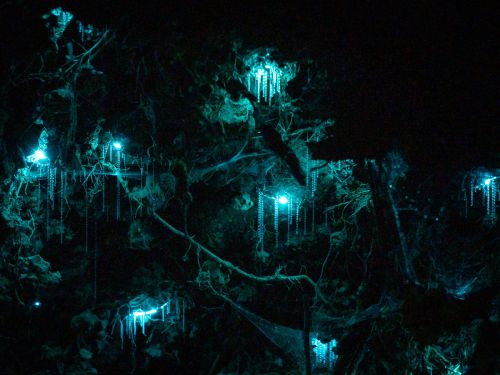
Illuminated stickybeaking through glow worm caves can be found one hour from the Gold Coast.
Like glow-in-the-dark stars stuck to the bedroom ceilings of our childhood, glow worms flood darkened spaces with otherworldly light shows. In Queensland’s Springbrook National Park, one of the hidden gems of the Gold Coast Hinterland, the itty bitty insects thrive, clustering into Australia’s largest known colony and drawing queues of awe-struck visitors daily.
From knowing where to find these glow worm caves (well, it’s technically one cave and several rocky overhangs) and precisely when to catch them, to getting across further glow worm hot spots throughout Queensland and Australia’s east coast, our guide to bioluminescent exploration will see you spellbound by its undeniable magic.
Springbrook National Park
Flowing with lush forest, waterfalls, streams, ancient trees and wildlife including several endangered species, Springbrook National Park is a spectacular natural playground that stretches over 6,558 hectares. It’s roughly 40 kilometres inland from the Gold Coast, about an hour’s drive from Surfers Paradise, forming part of the Gondwana Rainforests of Australia World Heritage Area, the world’s largest sub-tropical rainforest.
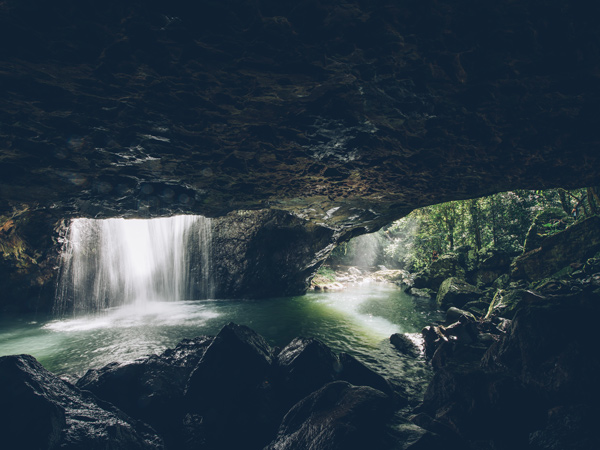
While a stroll along any of its trails will highlight the park’s majesty, tackling the one-kilometre Natural Bridge Circuit, off Bakers Road within the Natural Bridge section, will take you straight to Springbrook’s glow worm cave. If you’re driving straight in and out, punch ‘Nerang Murwillumbah Road Reserve’ into Maps.
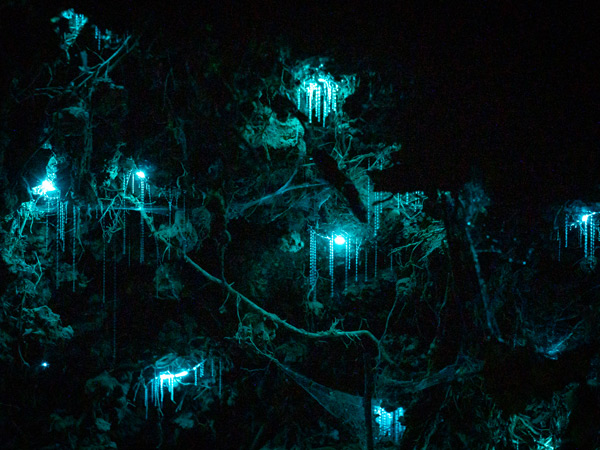
Outsmart long sets of stairs by tackling the walk in a clockwise direction and before long, a striking basalt cave, crafted by the force of a waterfall cascading overhead, is destined to steal your attention. Thousands of the small fly species Arachnocampa flava, which are endemic to south-east Queensland, fill the cave’s roof, creating a blanket of tiny bluey-green lights. Think tiny speckly flies rather than worms, in fact. The sight is soothing yet eerily sinister, vivid yet cloaked in the dampness of the rocky wall — it’s a breathtaking wonder, no matter how many times you spy it.
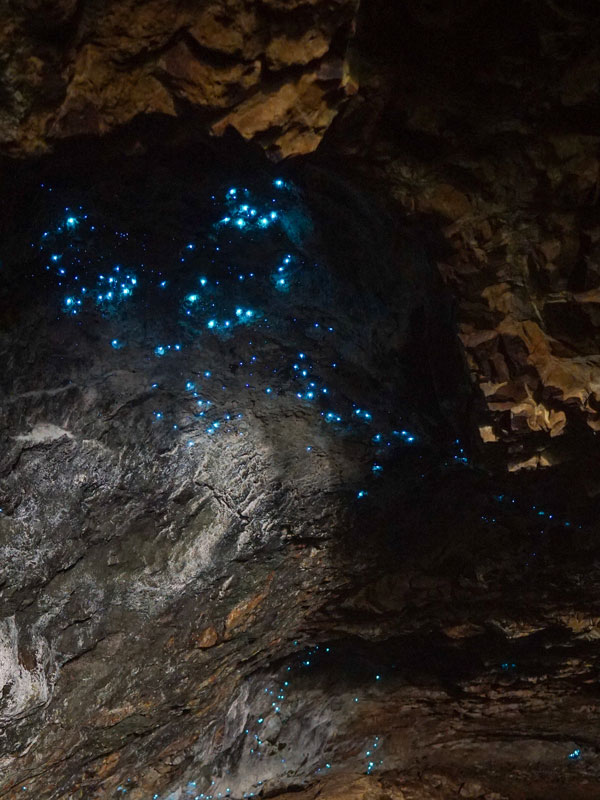
Now, some logistics to amplify your viewing. You’ll need to visit after sunset when darkness enhances the little guys’ radiance, and the best time of year to see them is during the wet season in full heat: December to March. Because it’s summer, you’ll also likely spot fireflies and microbats, so it’s a real feast for the senses.
Queensland National Parks also offer rules to comply with while visiting the glow worm cave, due to these phenomenal attractions being super sensitive to their surroundings.
- You should bring torches — one between two people is advised — but visitors are urged to avoid shining them directly onto glow worms. Their light is emitted to lure prey (humans aren’t the only suckers for glow worm caves — midges and mozzies are also drawn in) and shining harsh lights may disrupt the natural feeding process.
- No flash photography. Again, harsh light may interrupt feeding cycles.
- No smoking, as smoke can kill glow worms.
- Do not touch the insects.
- Do not apply insect repellent while you’re up close. Again, the repellent could prove fatal to glow worms, so ensure you’re sufficiently lathered before you start the trail.
- Cap your group at 12 people. More people and excessive noise mean a greater chance of disrupting those feeding cycles.
Additionally, we recommend wearing super grippy shoes as the grounds can be quite slippery, especially if you’re visiting after some rain. Plus, it’s pitch black in there.
Need tips, more detail or itinerary ideas tailored to you? Ask AT.
AI Prompt
Where else can you see glow worms?
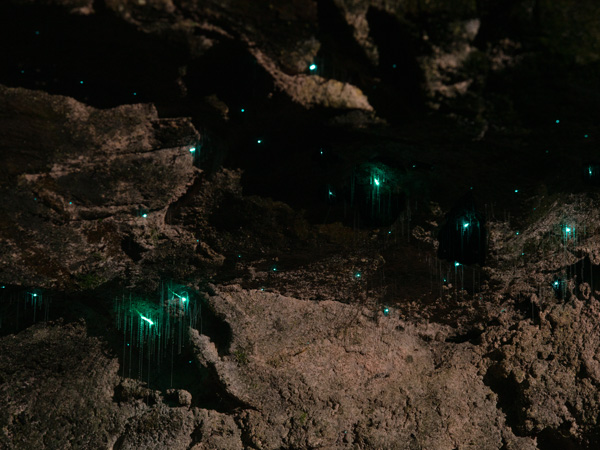
If you’ve got a bit of time on the Gold Coast, you should also check out the Glow Worm Caves at Tamborine Mountain. The insects are real, but the cave is man-made and the team behind it offer guided tours, so you’ll hear all about how glow worms survive and more in-depth storytelling into what you’re marvelling. It’s located near Cedar Creek Estate vineyard on the corner of Long and Hartley roads.
Additionally, we love exploring:
Wollemi National Park, NSW
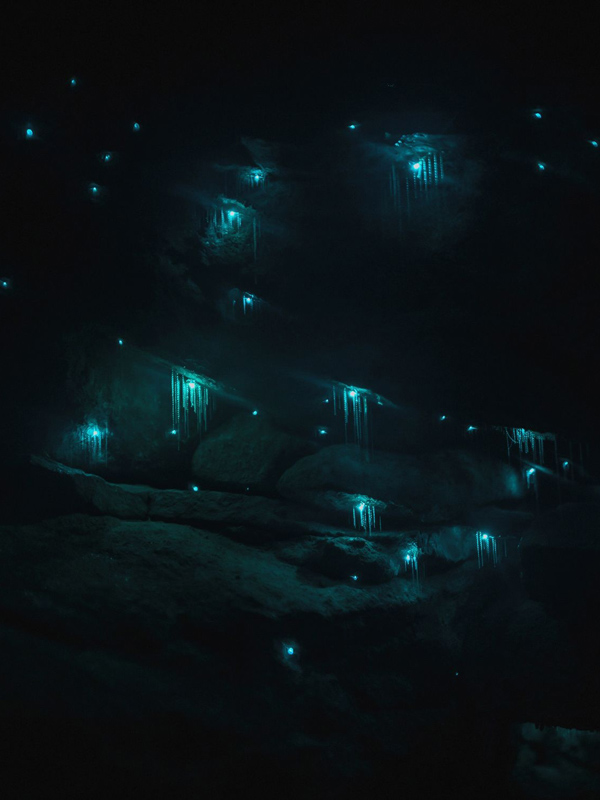
Located near Lithgow in the Blue Mountains, Wollemi National Park is home to the six-kilometre return Glow Worm Tunnel walking track, leading nature lovers to another high concentration of glow worms. Lining the walls of a historic 387-metre-long tunnel, thousands of the insects are spotted about 1.5 kilometres into the trail.
Weekly travel news, experiences
insider tips, offers, and more.
Great Otway National Park, VIC
One of the wettest corners of the state, Great Otway National Park along the Great Ocean Road boasts its own impressive glow worm population at the park’s Melba Gully. Take the Madsens Track Nature Walk at night to spot the little fellas clinging onto soil banks and overhanging ledges. The walk is about 1.5 kilometres in total.
Marakoopa Cave in Mole Creek Karst National Park, Tas
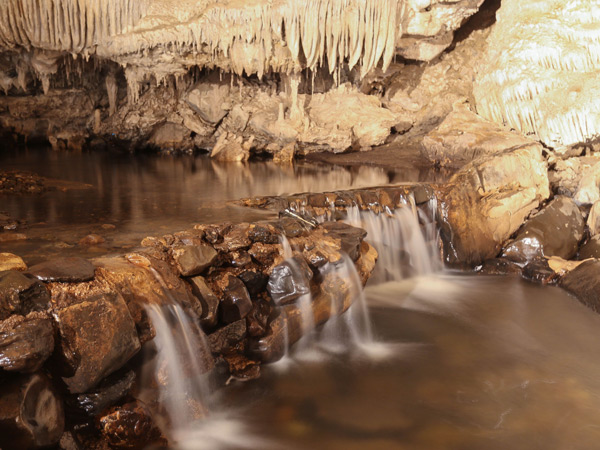
A limestone underground structure located about 40 minutes from Tasmania’s Deloraine, the Marakoopa Cave in Mayberry is filled with glow worms but you’ll need to join a tour to access it. Mole Creek Karst National Park’s ticketing office provides seasonal tour options so check out the website to find a pick that’s perfect for you.
Glow Worm Glen Track in Morton National Park, NSW
Located within the Southern Highlands of NSW, Morton National Park is another great spot to catch glow worms spinning their magic after dark. The park’s Garland Road Reserve, otherwise known as the Glow Worm Glen Track, is a two-kilometre return trail illuminated at the William Street section. Park at the top end of the street before carefully scaling down towards a viewing platform where the beauties beam.
Discover our guide to Lamington National Park
Want to see more stories from Australian Traveller in your Google search results?
- Click here to set Australian Traveller as a preferred source.
- Tick the box next to "Australian Traveller". That's it.