I came to South Australia’s inaugural Michelin selection with a healthy respect for the Red Guide—and a few reservations of my own. Two very different restaurants show what the guide’s arrival means for dining in Australia.
I’ve spent a fair bit of time eating at Michelin-starred restaurants. More than 150, by my rough count. Living in New York introduced me to the world behind those little stars, both through my work and by attending Michelin Guide ceremonies.
There’s plenty of theatre around the stars, and no shortage of debate about whether restaurants deserve them. But whatever you think of Michelin, there’s no denying that travellers use the guide to decide where to eat and that a star can put extraordinary cooking on the map.
I never thought Michelin would make it to Australia. Now that it has, our restaurants stand to gain an international audience, chefs have another benchmark to work towards, and, naturally, the rest of us have a few more things to argue about.
The stars went to tasting menus
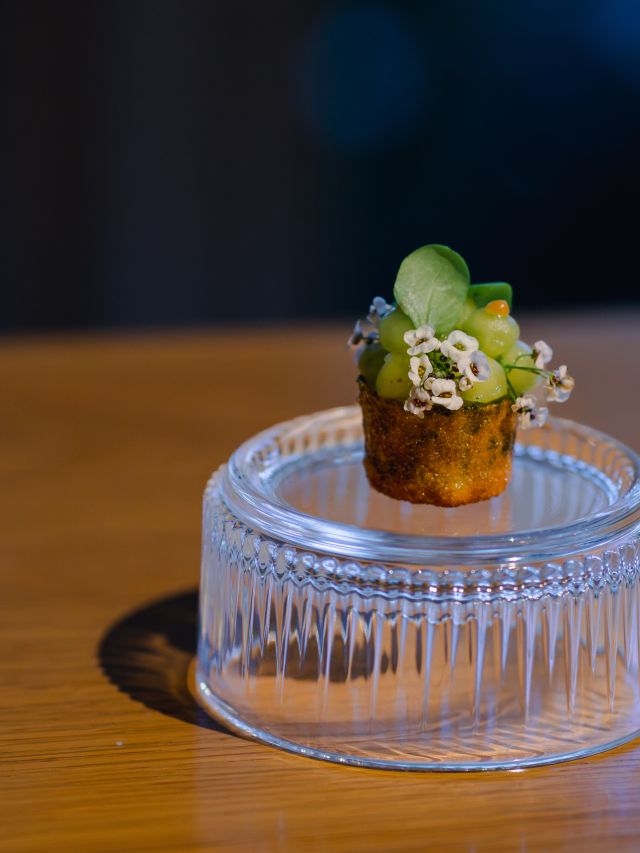
Botanic’s degustation starts with a procession of snacks. (Credit: Natasha Bazika)
After the inaugural ceremony in Adelaide, I headed out to try two of South Australia’s newly starred restaurants. Of the 11 restaurants, all but one serve tasting menus, which seems a narrow way to represent Australia’s dining culture built on shared plates, long lunches and generations of migration.
That’s why I always recommend booking a Bib Gourmand alongside a starred restaurant wherever you are. These are the places you’re more likely to return to on an ordinary Tuesday, and they can tell you just as much about a state’s food culture as a multi-course dinner.
For my first booking, though, Arkhè was the obvious choice. It’s the only starred restaurant in South Australia where you can order à la carte.
Arkhé: The outlier on the list
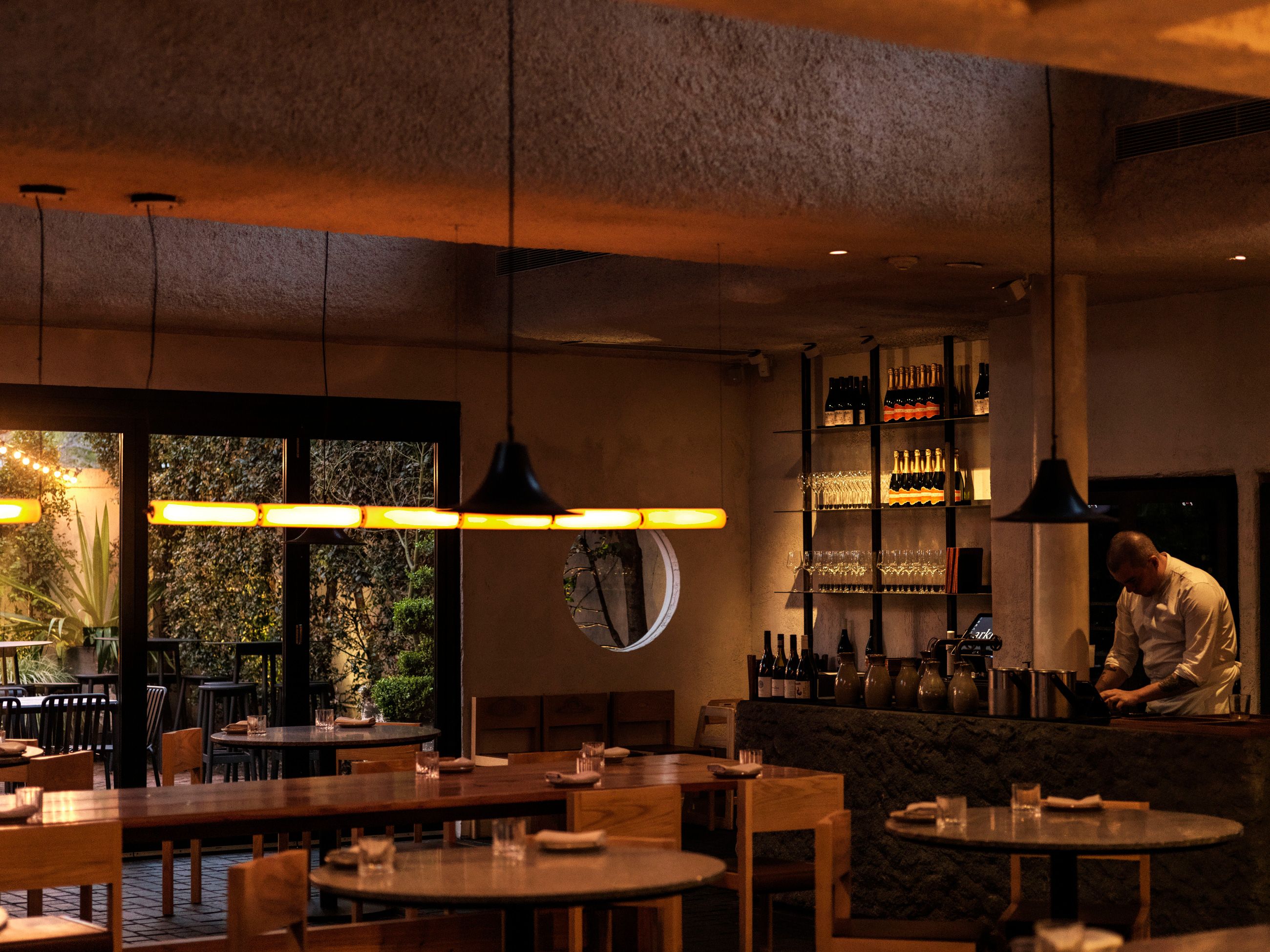
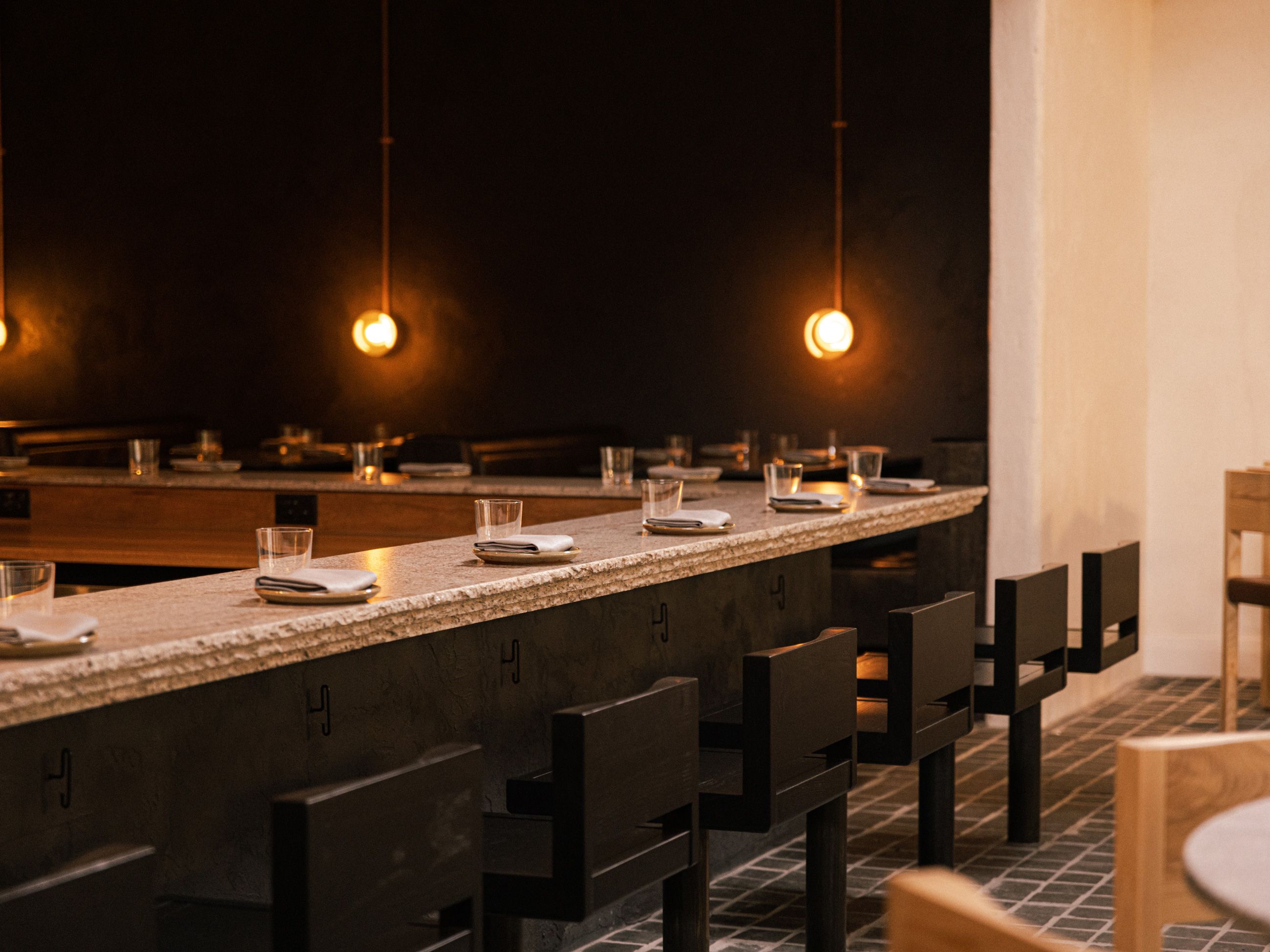
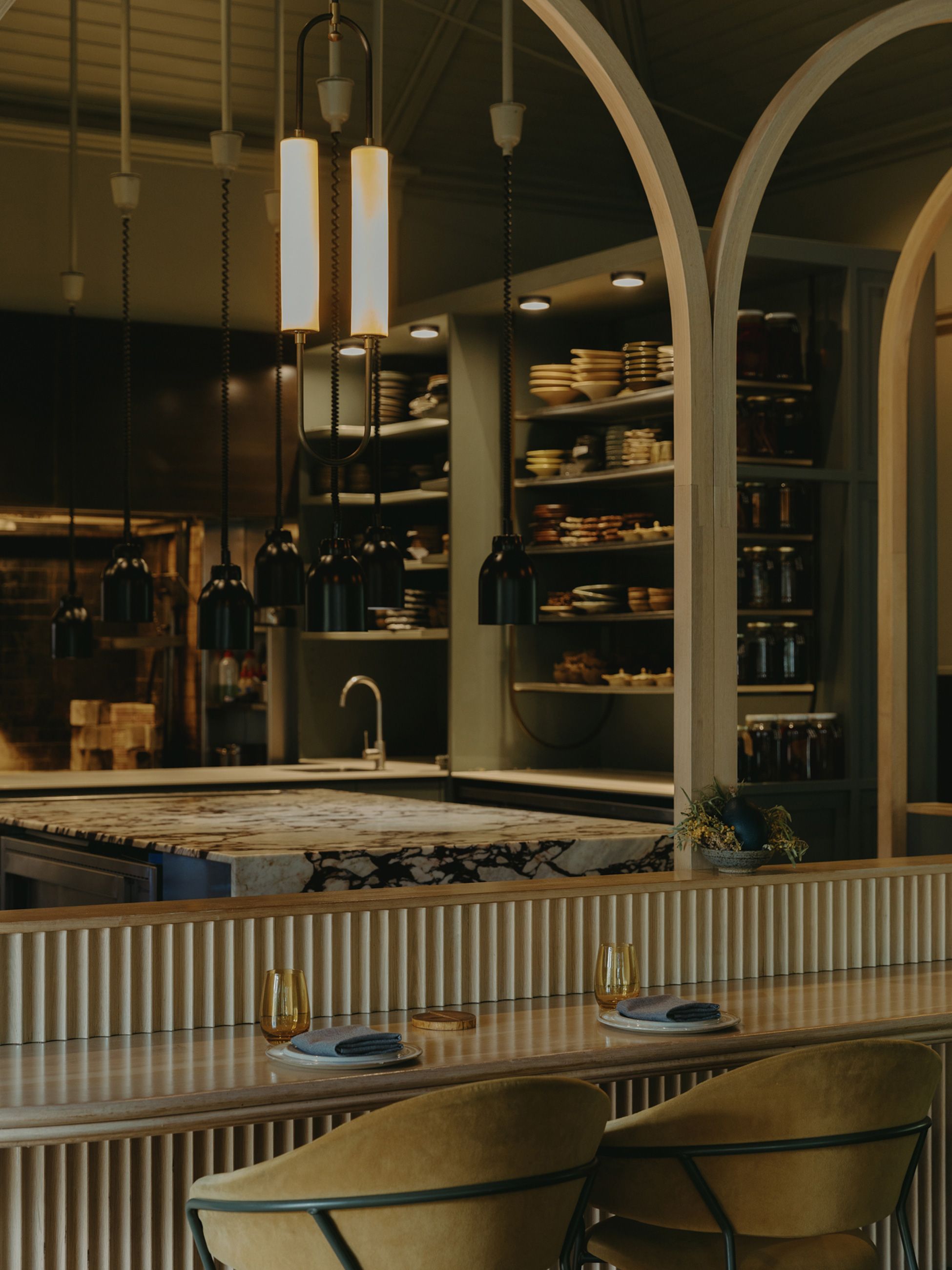
Arkhé's moody interiors. (Credit: Supplied)
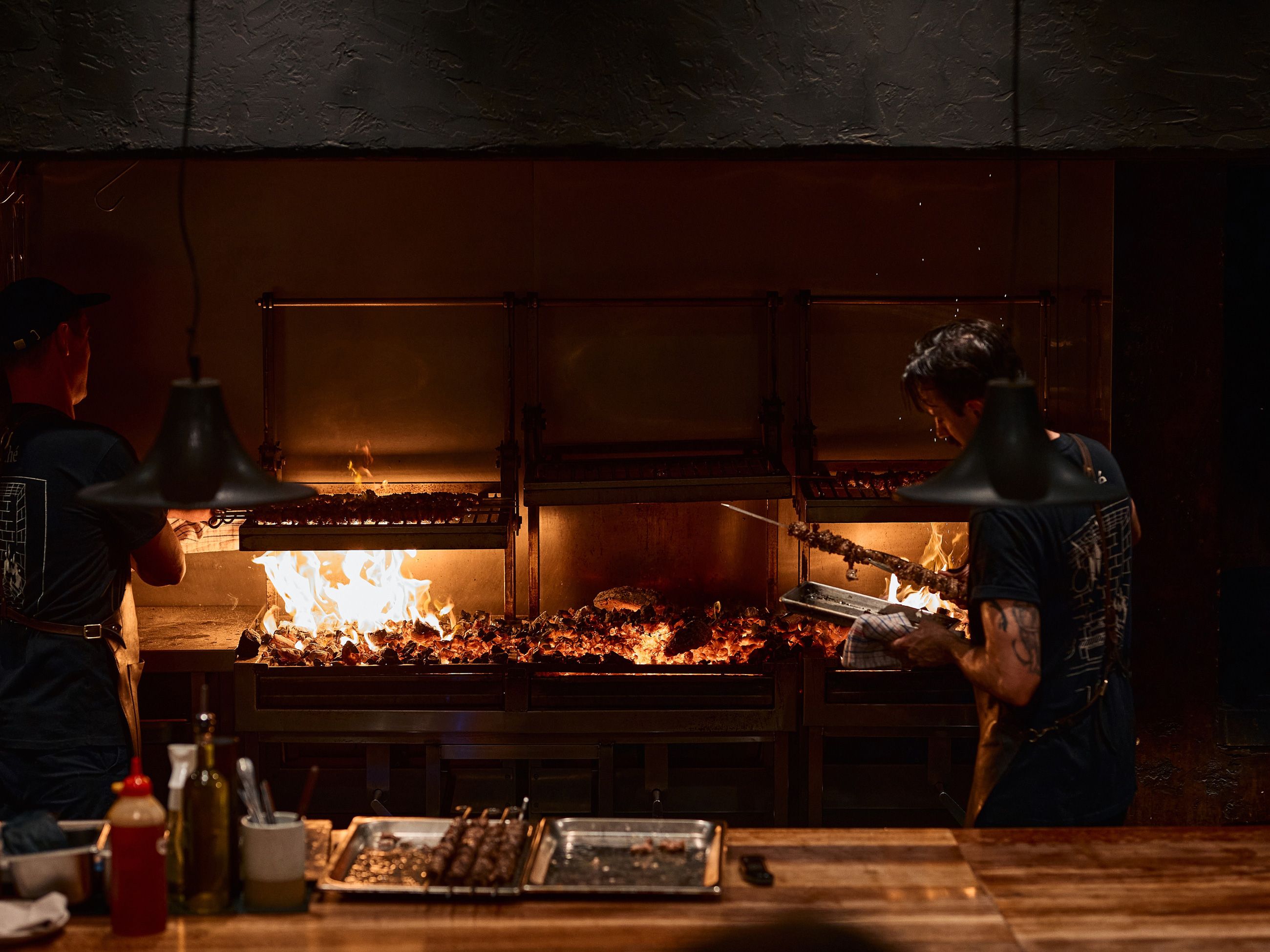
Fire-licked dishes cooked to perfection in Arkhé's kitchen. (Credit: Supplied)
Get a front-row view of the kitchen at the chef's counter. (Credit: Supplied)
The dining room of Arkhé is buzzing the day after the restaurant is awarded its first Michelin star. But it’s not the diners making the noise. It’s the chefs and front-of-house who are practically humming.
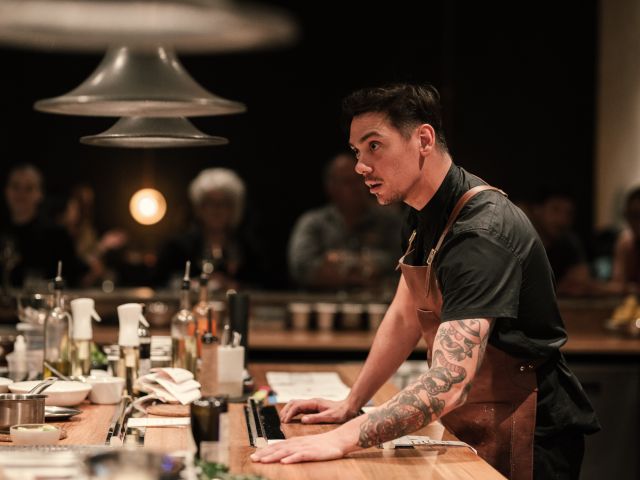
Chef and co-owner Jake Kellie walks in after a long morning of media briefings, grinning from ear to ear. I ask how he’s feeling, which seems a fairly obvious question the day after winning a Michelin star. “I’ve worked in Michelin restaurants before, but to have one of your own is different," he says.
Chef Jake Kellie in the newly awarded Michelin-starred Arkhé kitchen.
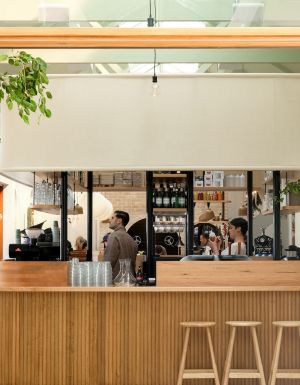
Arkhé is in Norwood, a leafy eastern suburb of Adelaide lined with boutique shops, cafes and bars. Inside, a long bar leads into the main dining room, where some tables are pushed into dimly lit corners and others in a bright outdoor setting. The best seats, though, might be the swivel stools around the U-shaped chef’s counter, with a front-row view of the kitchen.
Contrary to what I said earlier, there is a five-course chef’s select menu ($165 per person). But it’s not the only way to eat here. The à la carte menu is sizeable, with fire-licked dishes ranging from charred cabbage with red miso beurre blanc to grilled Murray cod.
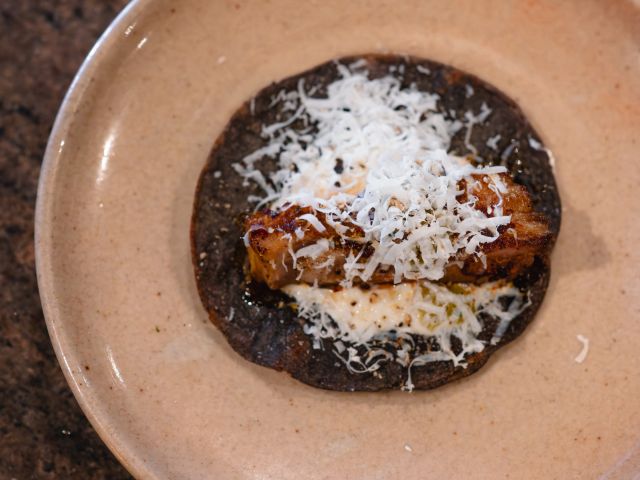
Lamb rib taco at Arkhé. (Credit: Natasha Bazika)
Lamb rib tacos are on the menu when I visit, and I can’t resist. A chef places a sizzling slab of lamb on a purple tortilla, adds yoghurt crema and charred tomatillo, then showers it with cheese. I’m tempted to catch the shavings. That’s the danger of sitting at the counter, so close to the action. The rib has a smoky, charcoal bite, while the crema cuts through the richness.
White asparagus is in season for just eight weeks a year, so I order it with cacio e pepe sauce. It’s every bit as creamy and delicious as it sounds. Would the eight-year-old version of me have eaten more vegetables if they’d come covered in this sauce?
The Peking duck wontons get a mention on the Michelin Guide website, so naturally, I try them. Four oversized wontons sit in a rich smoked duck broth. The chef tells me they’re a menu staple, one of those original dishes they’ve never quite managed to take off.
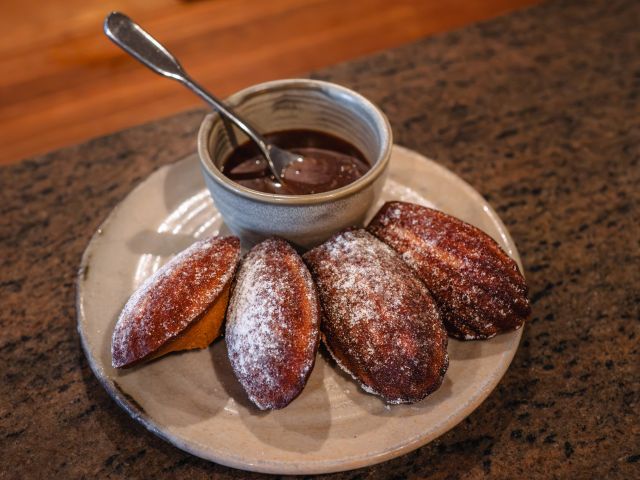
The irresistible burnt butter madeleines for dessert. (Credit: Natasha Bazika)
I hadn’t planned on dessert, but watching dishes fly out of the kitchen gives me order envy. I polish off all four burnt butter madeleines, soaking each one in salted caramel sauce.
I leave full and satisfied, with a total bill of $79.
Need tips, more detail or itinerary ideas tailored to you? Ask AT.
AI Prompt
Botanic: where the set menu earns its place
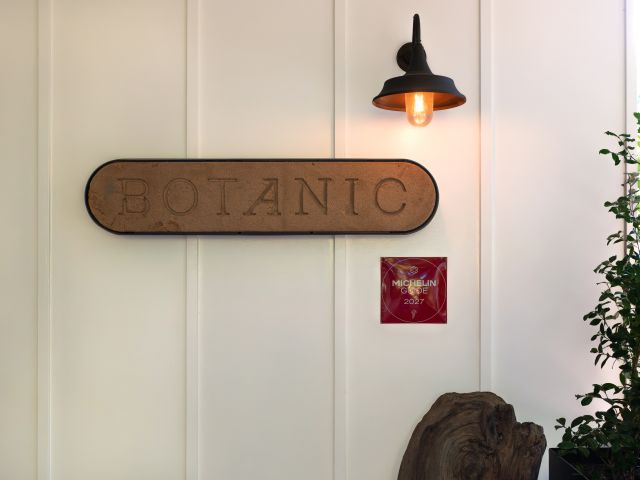
Botanic’s shiny new red Michelin plaque hanging at the entrance. (Credit: Natasha Bazika)
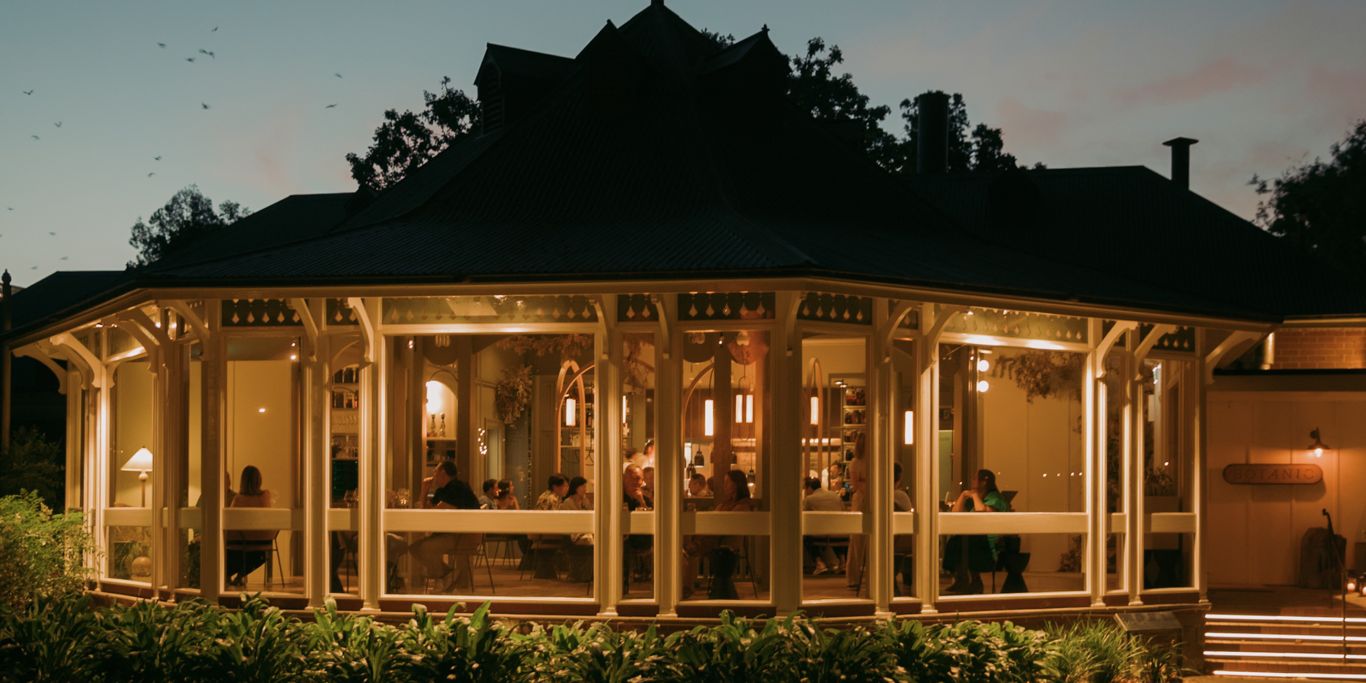
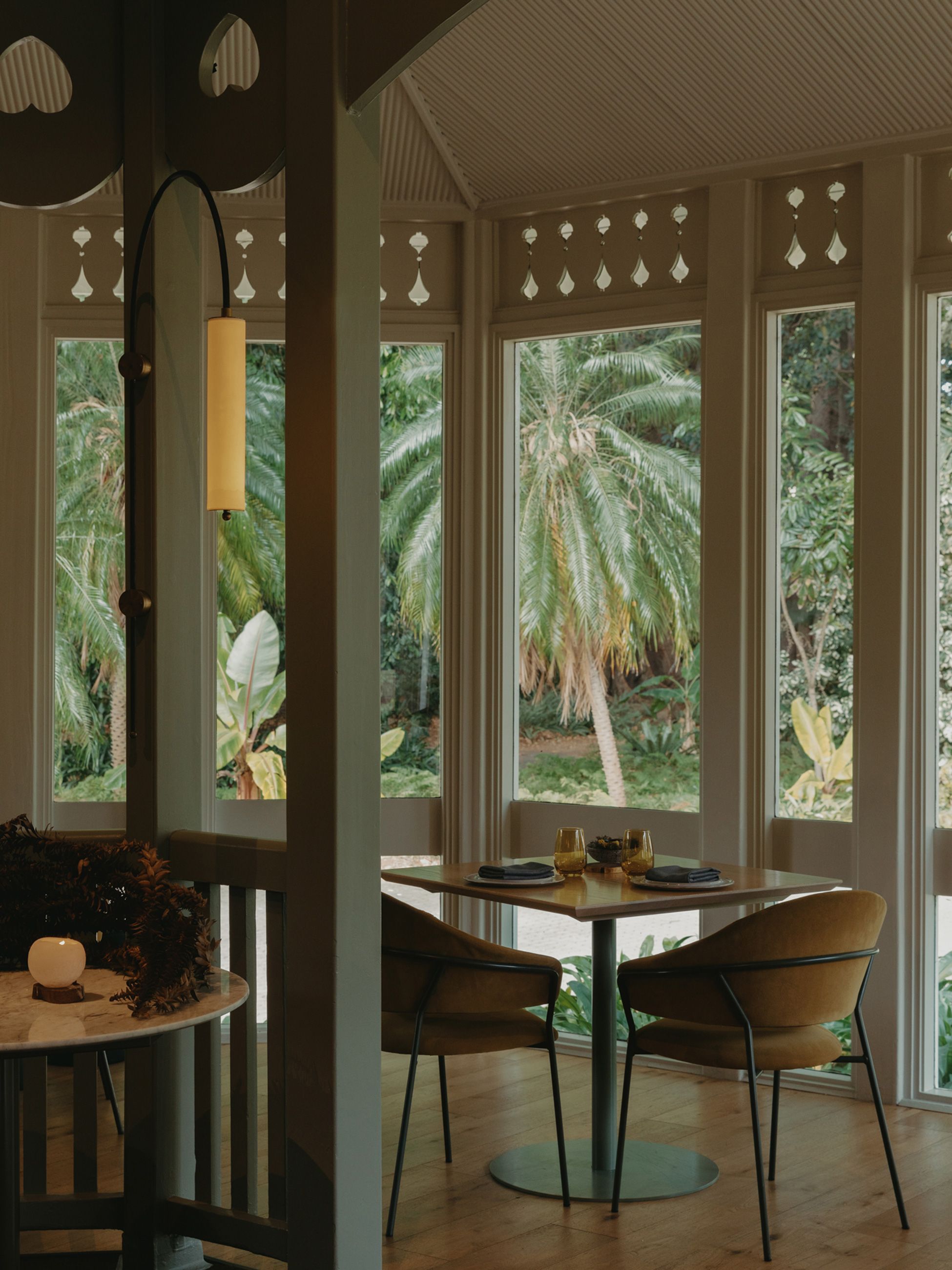
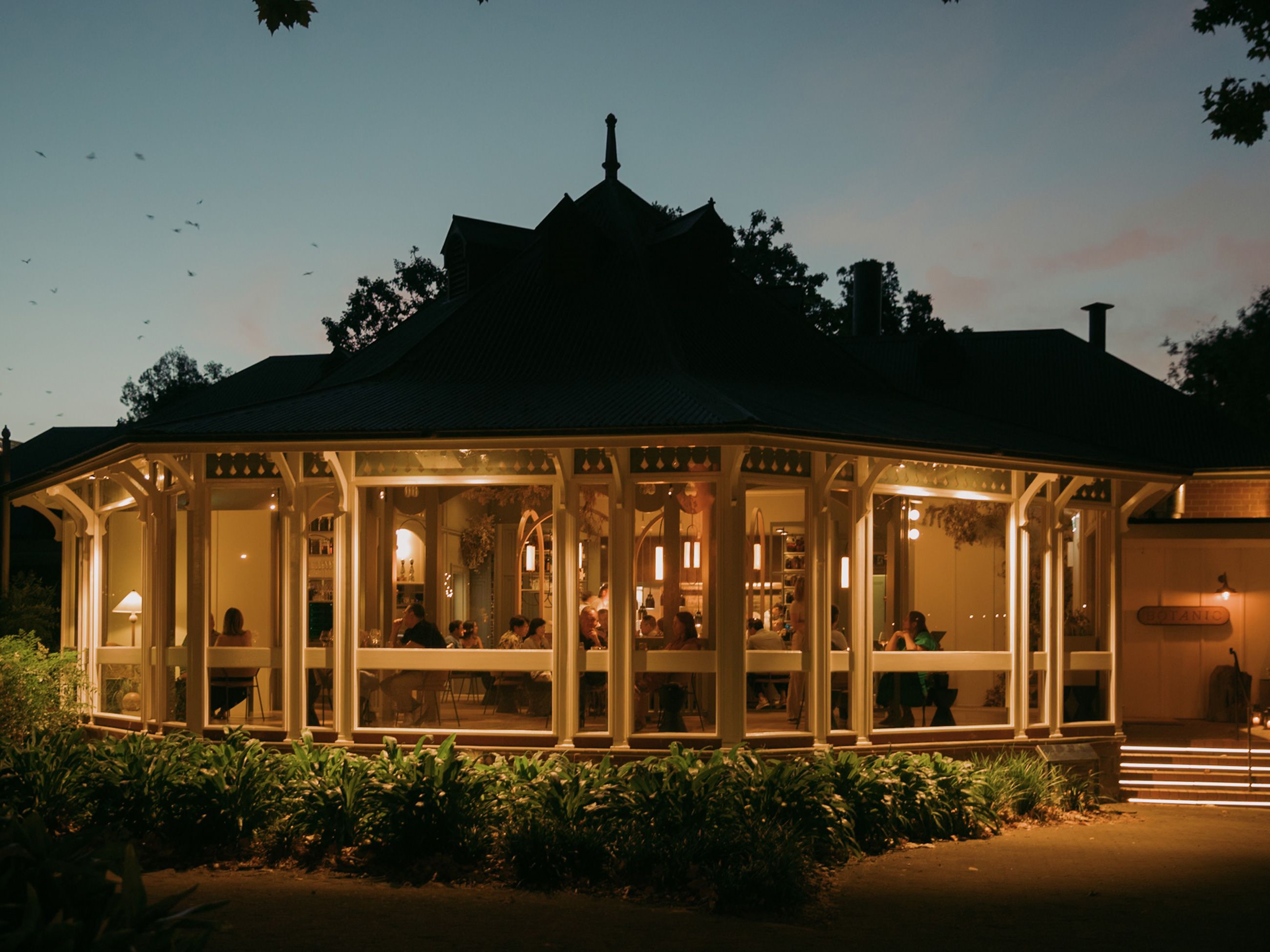
When I walk up to Botanic, the rotunda set among the jungle-like surrounds of Adelaide Botanic Garden, a red Michelin plaque is already hanging beneath the restaurant’s sign. Much to my surprise, executive chef Jamie Musgrave is in the kitchen, business as usual.
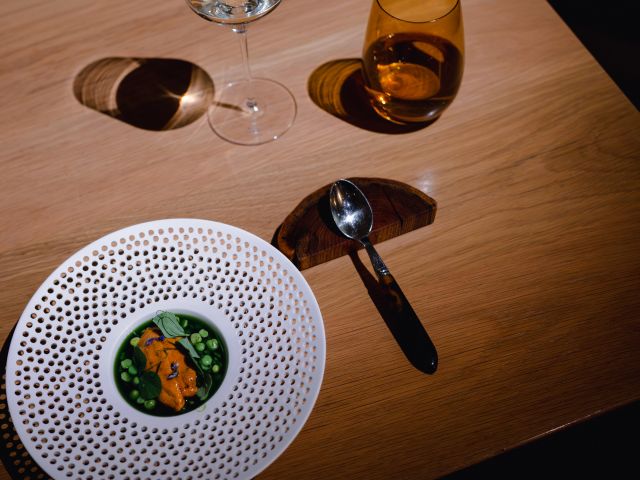
One of many courses in Botanic’s degustation menu. (Credit: Natasha Bazika)
Botanic serves a degustation menu for dinner and a more relaxed three-course lunch. I’ve come for dinner, which starts with a gin and sake cocktail (two of my favourite spirits), after I tell Nicole Sharrad, one of the servers, to “surprise me".
Dinner opens with a procession of snacks: crab, a bull kelp tart with crocodile tongue, wasabi leaf and green ants.
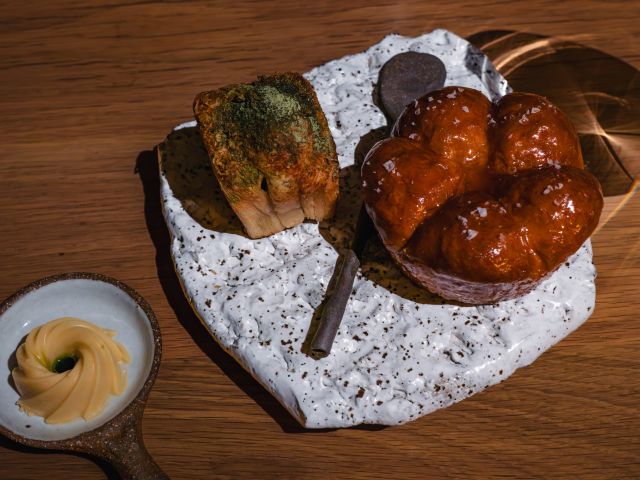
The Botanic bread course is reminiscent of a cheesy vegemite scroll. (Credit: Natasha Bazika)
Later, I slather butter on bread stuffed with braised kangaroo tail, which tastes remarkably like a Vegemite and cheese scroll. A nostalgic bite among all the experimentation. My favourite is the marron, served with vanilla and cherry tomatoes filled with strawberry compote that oozes out when you cut into them. There are plenty more dishes I could list, though the seasonal menu will likely have moved on by the time you visit.
Musgrave clearly enjoys playing with native Australian ingredients, and there’s plenty of technique at work. The service is sharp without being stiff, and they explain each course as it is placed down.
Botanic is set within Adelaide Botanic Garden. (Credit: Supplied)
The perfect garden setting for Botanic.(Credit: Supplied)
Botanic delivers a more classic Michelin dining experience. (Credit: Supplied)
This is a more classic Michelin experience than Arkhé. At Botanic, there’s an ingredient, technique, or idea to get your head around, which is the fun of it. You might never order crocodile tongue or drink vodka poured over a cup of fresh garden herbs yourself, but here you get to see what a chef can do with them. Save it for a night when you want something fancy, and you’re happy to let dinner run its course.
Want to see more stories from Australian Traveller in your Google search results?
Tick the box next to "Australian Traveller". That's it.
Natasha Bazika has spent over a decade collecting a global perspective, from living through the relentless energy of New York to slowing way down on the salty shores of Puglia. With a culinary track record spanning over 150 Michelin-starred restaurants, she operates on the belief that a life well-travelled requires a lot of grit, a bit of glamour, and a permanent appetite for the unexpected. She is happiest capturing the world through her camera and chasing the sweet spot where raw adventure meets incredible flavour, ideally at the end of a long, remote hike.
Monarto Safari Resort’s new Safari Lodge delivers so much more than a memorable stay; it’s packed full of unforgettable moments.
Just a year after the 78-room Monarto Safari Resort opened, the new Safari Lodge brings a more intimate and exclusive overnight African safari experience to Australia just outside of Adelaide. But just how similar is it to an African safari?
Consider these pinch-me moments I had during my stay and decide for yourself.
1. Cheetah sightings at check-in
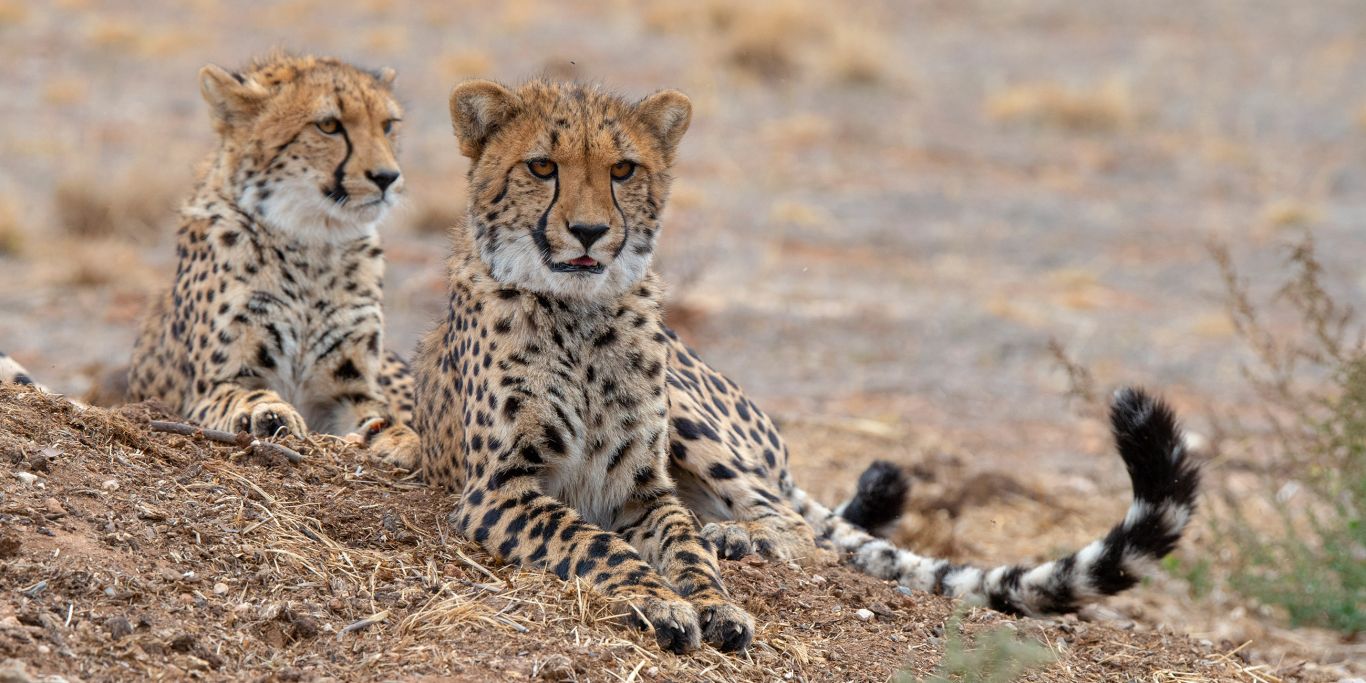
Spot cheetahs before you even check in.
Safari Lodge is set within the Wild Africa precinct of the expansive, open-range Monarto Safari Park. I expected to see animals, but I didn’t expect to see two cheetahs stalking the fenceline just behind my tent at check-in.
I cross the paddock to get a closer look. Both are now perched like a sphinx on a hill overlooking the 20 premium tents that make up Safari Lodge. I stand here, locked in place, waiting to see if they make a move. After 10 minutes like this, I turn to get settled into the tent but throw a final look in their direction; they’ve slinked back down, now barely visible in the grass. I’m sure I’ll be dreaming about this encounter later tonight.
2. Sipping champagne as a giraffe sips from a waterhole
Enjoy champagne while meeting the locals. (Credit: Katie Carlin)
The all-inclusive stay includes a 2.5-hour Sunset Safari that takes guests into the Wild Africa precinct onboard a purpose-built Safari Land Cruiser for a chance to see free-roaming herds of African animals up close.
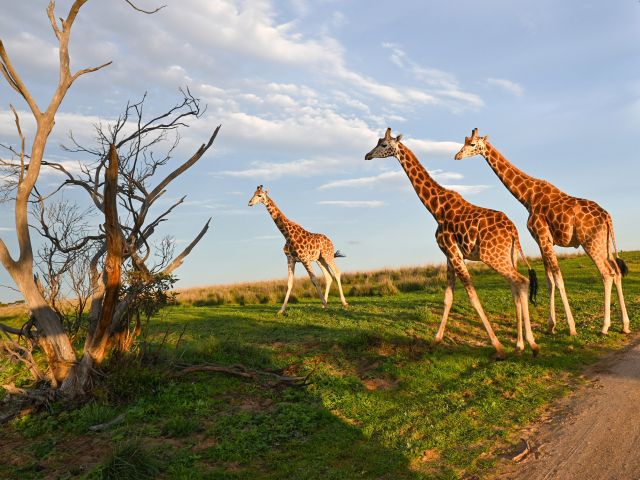
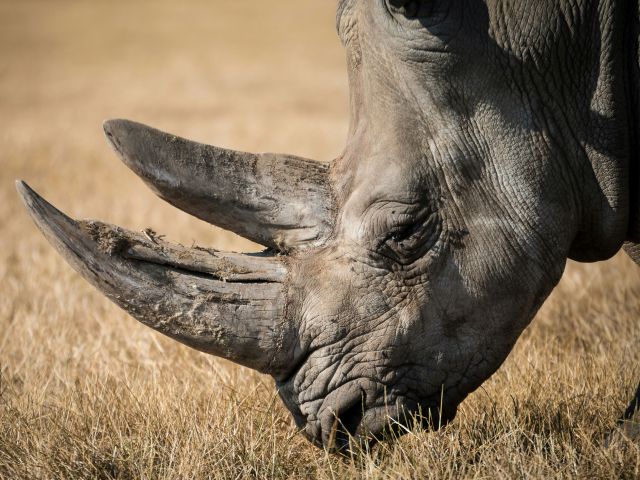
The safari drive culminates in a champagne and canapé stop in a fenced and sheltered viewing area of the precinct. A chance to watch the sun set as animals gather around one of the many waterholes. And we’re in luck! Two giraffes are stripping leaves from a nearby tree as three white rhinos graze to my right. One giraffe starts galloping, in that funny head-bobbing way giraffes do, to the water’s edge. It splays its legs and bends its long neck down to start slurping up water. I find giraffes endlessly entertaining, and sipping champagne while watching the scene play out is the icing on the cake.
3. A rain shower with views of a waterhole where African animals gather
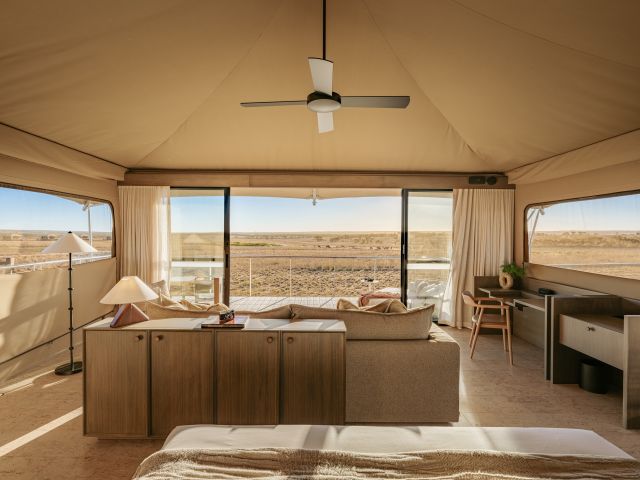
Enjoy views from the King Safari Tent.
I am staying in tent 17, one of the best positioned tents for animal encounters, due to its proximity to the waterhole. Not only does the spacious 71-square-metre King Safari Tent feature a king bed, lounge area, separate dressing room with kitchenette, coffee machine, kettle and fully stocked mini bar, and ensuite bathroom. But you can even glimpse the waterhole from the rain shower. It’s thoughtful details like this that keep you connected to the safari experience no matter where you are located.
4. Feeding lions from within a caged dome
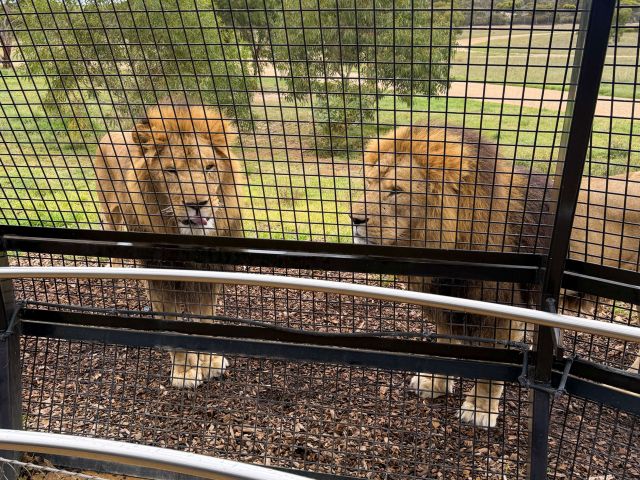
Step into the Lion 360 experience. (Credit: Katie Carlin)
Monarto Safari Park isn’t a zoo. Set across 1500 hectares of South Australian bushland, it’s an expansive safari experience. It’s been designed to support complex social groupings, natural behaviours and long-term species management. Entry is included for guests, but I’ve decided to upgrade my experience with tickets to Lion 360.
Senior Keeper Rachel Hemming herds 15 of us into a domed cage for the unique lion feeding experience. She leads Monarto’s care and conservation breeding programs for their iconic big cats. “Make sure you don’t get too close to the edge of the cage; the lions like to mark their territory,” she warns.
She starts making cat-like calls to Kubwa, Kashka and Kito, the three male lions lazing somewhere out of sight behind the tree line in the distance. The promise of food eventually lures the lions over. I’m in awe of their size as they pace back and forth, pausing to take the meat as it’s fed to them via tongs.
In her excitement, one lady has inched too close; a lion takes aim and hits his mark before she realises her mistake. I see her leaving the gift shop with a new jacket not long after the tour ends.
5. A swim in a private plunge pool with a floating charcuterie board
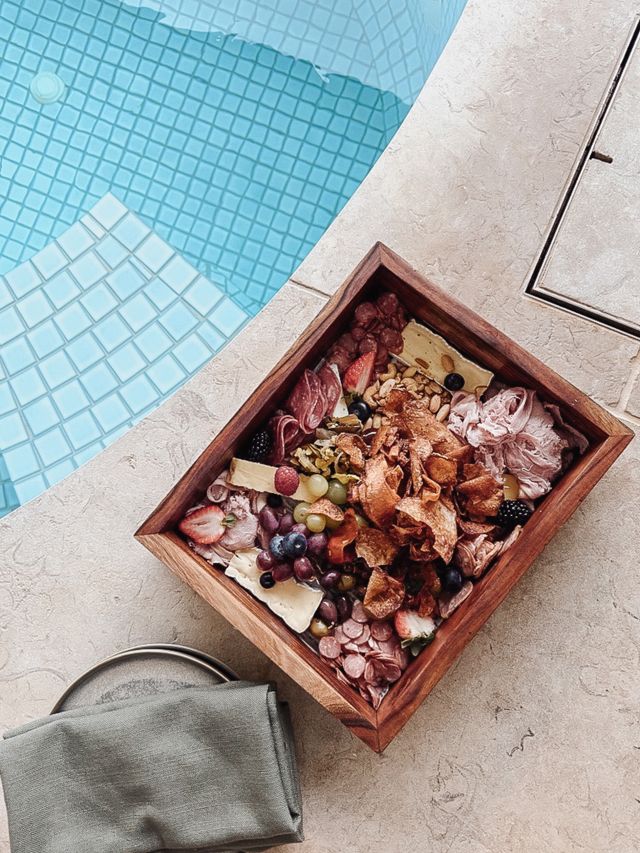
Tuck into a poolside treat. (Credit: Katie Carlin)
The Safari Lodge reception is also home to a restaurant and bar, heated swimming pool and several private plunge pools available to book. After a morning spent at Monarto Safari Park, a dip in one of the private plunge pools sounds too good to skip.
I change into my swimmers and make my way to the lodge. A generous charcuterie board arrives shortly after I slip into the pool. I’m told floating trays are already on order, but picking at the selection of cheeses, meats, nuts and fruit while perched on the edge sipping champagne is just as indulgent as it is having it float in the water. I never make it to the gym or pickleball court beside the lodge, but I have no regrets.
6. A front-row seat to a male rhino rejected by two females
Watch a rhino’s unlucky day. (Credit: Lucas Alexander)
Louis Tonkin, our Wild Africa Tour host, is giddy with excitement when he spots the three white rhinos on our Sunset Safari drive. He has an inkling that we’re about to get a show.
He pulls to the side and tells us what terrible eyesight white rhinos have, struggling to spot a motionless animal or object even from a short distance. However, they make up for it with acute hearing and an incredible sense of smell. Which explains why the larger male rhino is methodically creeping towards the two disinterested females grazing metres in front of him, then suddenly freezing on the spot. He’s hoping one will be open to mating with him. He takes another wary shuffle forward and suddenly the smaller of the two turns and charges towards him, butting him hard with her head. It’s a firm no. The male, denied, sheepishly backs away.
7. Watching a dazzle of zebra from the comfort of a luxury safari tent
Wildlife encounters abound.
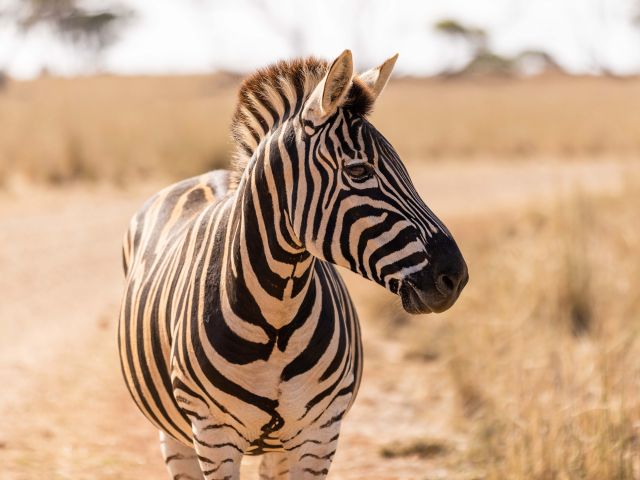
Rain clouds loom, and the wind is howling, but thankfully it hasn’t deterred the zebras. I’m brewing a cup of Monarto’s Serengé-T – a vanilla rooibos blended with Daintree black tea and butterfly pea flower when I spot them. Six zebras are prancing across the plains for a drink at the waterhole. I watch their antics from the deck of my King Safari Tent, wrapped in a merino blanket made by Australian-owned Grampians Good Co. and marvel at the fact I get a front-row show to these wild animals.
After they disappear from view, I sit with the sketch pad and pencils I find in the cupboard and start drawing some of my most memorable animal encounters from the weekend – starting with the two hippos I saw ravenously munching on grass at dusk as we made our way out of the Wild Africa precinct last night. This really is as close to an authentic safari experience as you can get outside of Africa.