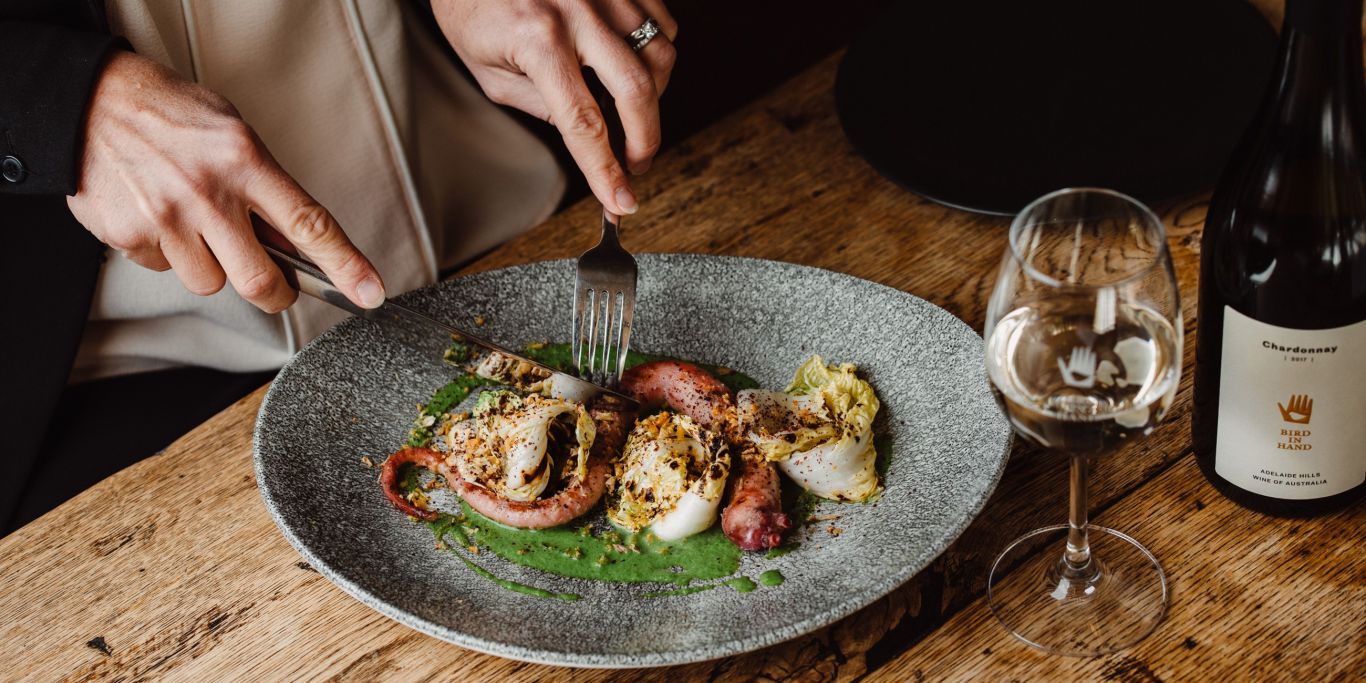

The Michelin Guide is sinking its fork into South Australia’s culinary scene. We speak with the people behind the launch to find out why.
Long regarded the global gastronomic authority, the Michelin Guide has been shining a spotlight on exceptional food for more than a century. Yet the publication has never brought its three-star award scheme to Australian soil, until now. South Australia will be the first – and, for the foreseeable future, only – Australian state to feature in the coveted guide.
The selection of Michelin-starred restaurants will be announced in October 2026. Anonymous inspectors are already on the ground, wining and dining their way across the state in search of its most outstanding culinary establishments.
In a decision that has sparked many questions, Michelin has confirmed no other Australian states will be featuring in the guide for the moment.
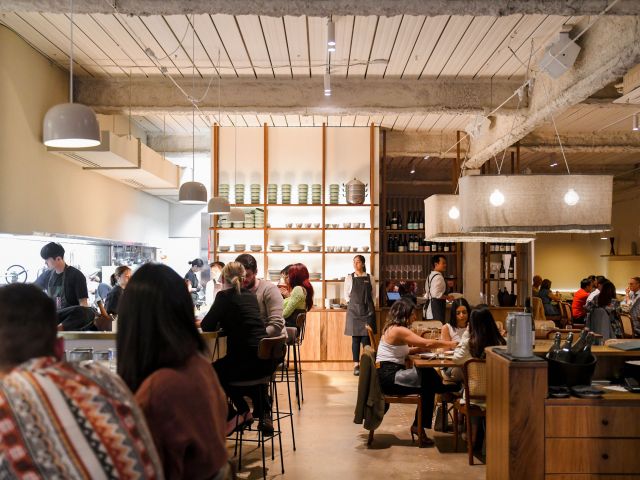
“South Australia’s culinary landscape has reached a remarkable level of maturity and distinctiveness," Gwendal Poullennec, International Director of the Michelin Guide, told Australian Traveller.
“Our inspectors encountered a dynamic and confident dining scene shaped by outstanding local produce, prestigious wine‑growing regions and a strong sense of identity. We felt this was the right moment to recognise and share this energy with an international audience."

With four South Australian towns recently named among Australian Traveller’s top 10 food and wine towns, it’s clear the state’s culinary culture, which is deeply connected to its unique landscapes, has earnt it national recognition. But the guide will propel the state’s dining into global visibility.
“We already know we have incredible food and wine in South Australia, but this puts us on the map," South Australia’s Minister for Tourism Emily Bourke MLC told Australian Traveller. “We’ll be a beacon of opportunity for so many young aspiring chefs to come to South Australia and work in our restaurants."
Why South Australia?
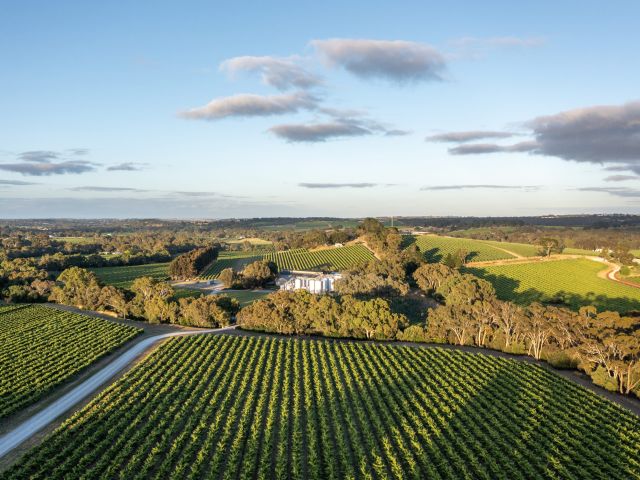
The news follows Michelin’s decision to expand into New Zealand in 2026, which was announced last year. Poullennec says the launch of the guide in South Australia is a veritable recognition of the state’s diverse gastronomic offerings, as well as an effort to strengthen its position as a tourism destination for food and wine.
While the Michelin Guide’s expansion into South Australia was made possible through a significant investment by the South Australian government, Michelin states its selection process remains entirely independent and that restaurants cannot pay to be included.
“Our selections always begin with the work of our inspectors," Poullennec said when asked why the state was chosen as the first destination for the Australian Michelin Guide. “In South Australia, they discovered a culinary scene with real character – one driven by talented chefs, strong relationships with producers and a genuine sense of place."
“What stood out was the diversity of culinary expression across the region, combined with a clear identity rooted in high‑quality ingredients and a confident openness to global influences. Ultimately, the credit belongs to the chefs, producers, and hospitality professionals whose work made this selection possible."
Need tips, more detail or itinerary ideas tailored to you? Ask AT.
AI Prompt
More than just stars
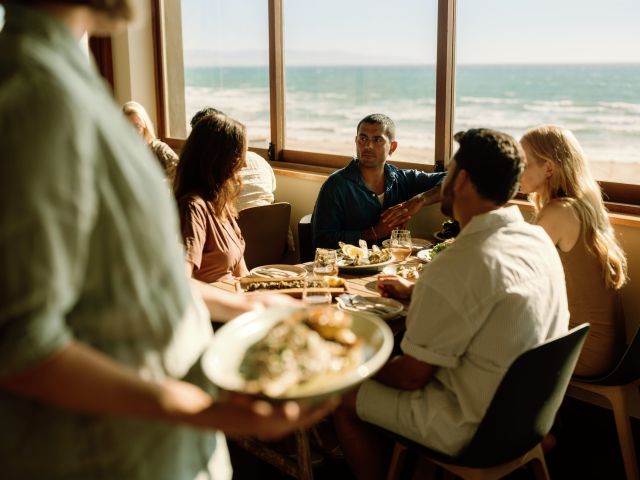
Chef Duncan Welgemoed, owner of institution-like Adelaide restaurant Africola and Tasting Australia’s festival curator, says the launch of Michelin in South Australia is incredibly important for local chefs and businesses – especially those in regional parts of the state who rarely receive as much recognition as restaurants in big cities such as Sydney and Melbourne.
“With South Australia having [few] official publications or awards for our young hospitality, [Michelin] is giving visitors a reason to stay and, more importantly, to invest in the state. It’s certainly a lot bigger than just getting the awards."
Welgemoed says the entire South Australian food industry is extremely excited.
“Michelin is an ecosystem. Your suppliers, your producers and your employees – they all benefit. What [the Michelin stars] would do for the community itself is just mind-blowing."
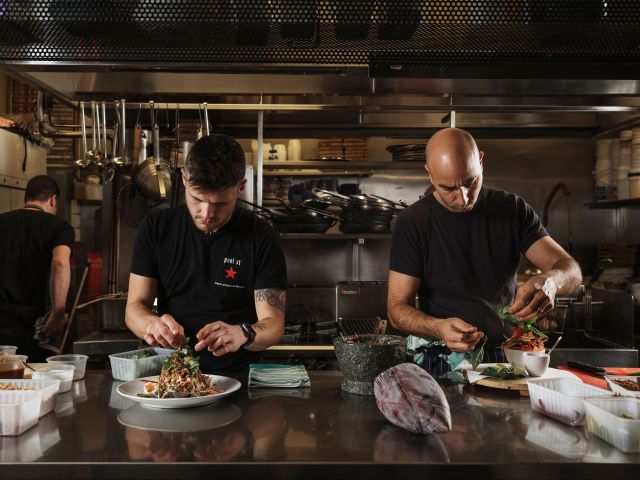
Bourke adds that the benefits will go “far beyond the plate" for so many people, including young and aspiring chefs who no longer need to travel overseas to work in a Michelin-starred establishment.
“We know that at least two jobs are created every time in the food chain and supply chain when you do have a Michelin restaurant, because it just increases that demand that little bit more."
Weekly travel news, experiences
insider tips, offers, and more.
Will Michelin expand into other Australian states?
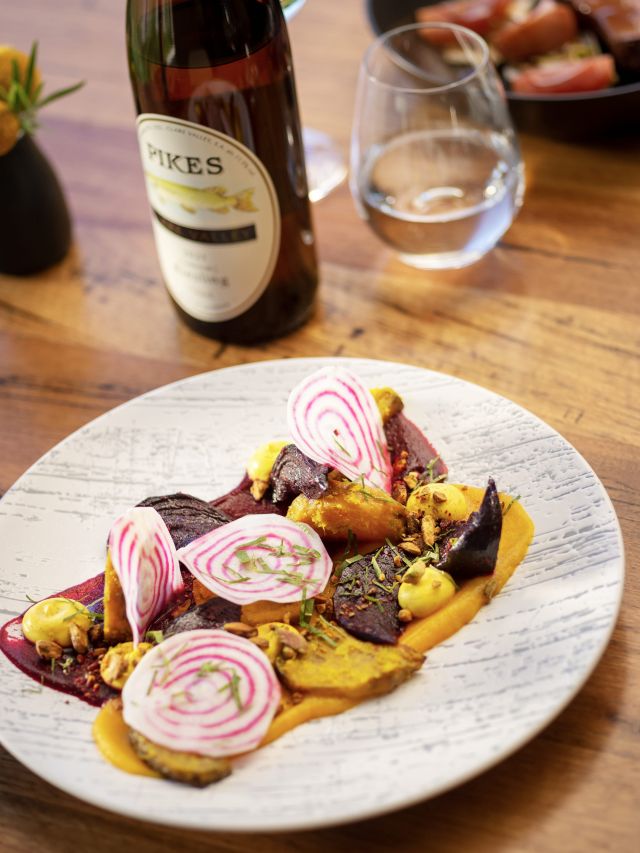
“At this stage, our focus is entirely on South Australia and on delivering a first edition that truly reflects the strength and diversity of its culinary scene," Poullennec explained.
“As always, any future developments are considered independently by Michelin, based on ongoing observation and evaluation. Australia as a whole offers a rich culinary landscape, but we have no further announcements to share at this time."
How many restaurants will receive a Michelin star?
At this stage, the number of establishments that will be receiving an award remains unknown.
“As in all Michelin Guide destinations, there are no quotas or predetermined numbers," said Poullennec. “All distinctions are awarded independently, based solely on the quality of the cuisine and according to the same internationally recognised criteria."
While there’s plenty of chatter around which establishments may receive a star and whether other Aussie states will follow, one thing is certain: South Australia is home to a slew of chefs doing remarkable things, and they are finally gaining the attention they deserve.
Want to see more stories from Australian Traveller in your Google search results?
- Click here to set Australian Traveller as a preferred source.
- Tick the box next to "Australian Traveller". That's it.