
South Australia has issued a temporary swimming ban to protect its marine wildlife.
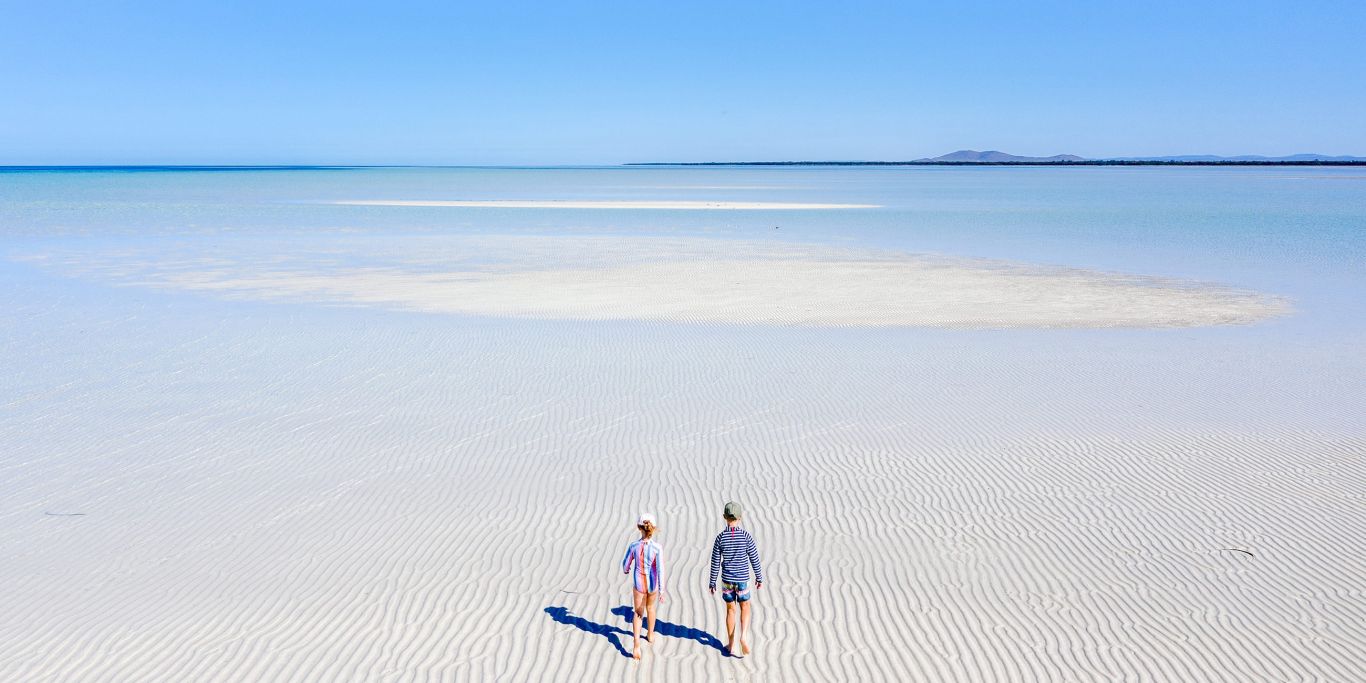
The beaches of South Australia’s Eyre Peninsula are truly spectacular – and that’s even in a country world-famous for its unbeatably beautiful beaches from coast to coast. But the state’s tourism and environment minister, Emily Bourke, has announced a temporary swimming ban at one of its most iconic spots, with thousands of dollars in fines for anyone who ignores the new rule. Sounds dramatic, but there’s a very good reason behind the temporary Whyalla Beach swimming ban.
What to know about the ban
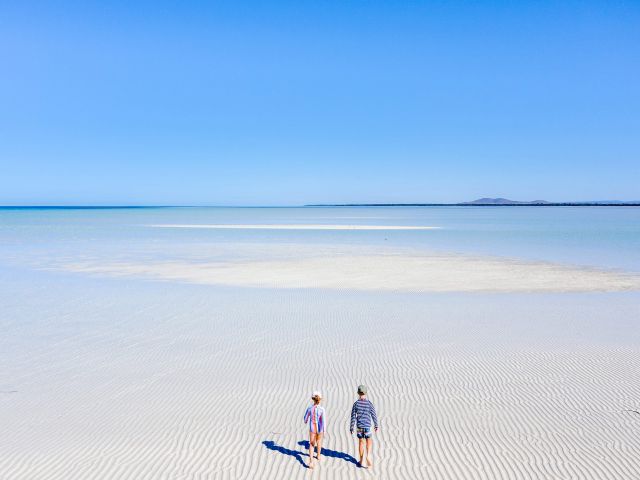
“The temporary restrictions apply to an area between Black Point and Stony Point…and include limits on in-water recreational activities such as swimming, snorkelling, diving and vessel anchoring," Bourke shared.
Fishing had already been banned in the marine park’s sanctuary zone for a decade. And fines of up to $20,000 have been applied to anyone taking a giant cuttlefish in South Australian waters since November last year.
Why is there a swimming ban?
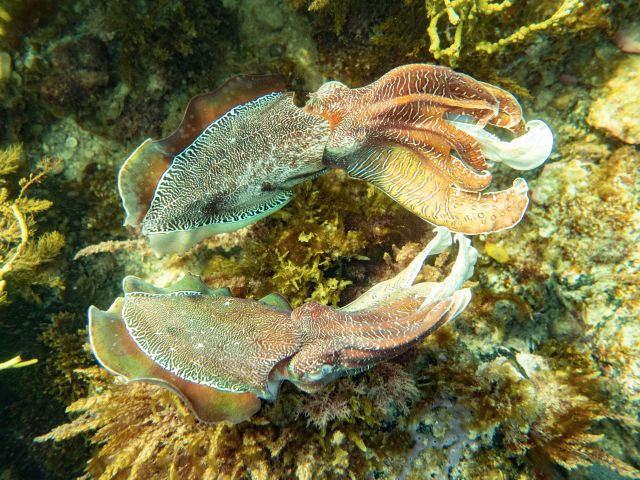
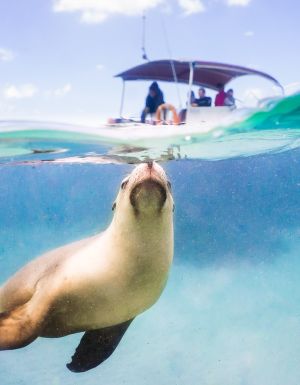
Besides being a go-to spot for the perfect beach day, Whyalla is where you’ll find Upper Spencer Gulf Marine Park – which happens to be the only place in the world where tens of thousands of giant cuttlefish congregate each year to mate.
The 90-day exclusion zone measures have been set up to minimise the impact on cuttlefish, which have turned up in far lower numbers this year. The number of visiting cuttlefish has varied greatly since surveys first began in 1998, fluctuating from 13,500 in 2013 to 247,000 in 2020. But a record low of only a few dozen have been seen this year, after a much larger 64,000 giant cuttlefish were recorded in 2025.
What caused this? Likely a mix of changes due to Climate Change that have turned South Australia’s waters green with algae and killed over 90,000 marine creatures. Bourke stated the ban would give the remaining numbers the best opportunity to thrive.
“This annual gathering only happens here in the Upper Spencer Gulf – the only place in the world where Giant Australian Cuttlefish come together in these numbers to breed," she said. “Protecting it means future generations can continue to experience this truly unique South Australian wonder".
While the move does mean annual cuttlefish tours that attract millions of tourism dollars can no longer go ahead, local cuttlefish tourism operators were involved in, and supportive of, the decision. Tours will still be allowed at Point Lowly.
Need tips, more detail or itinerary ideas tailored to you? Ask AT.
AI Prompt
What else to do in Whyalla
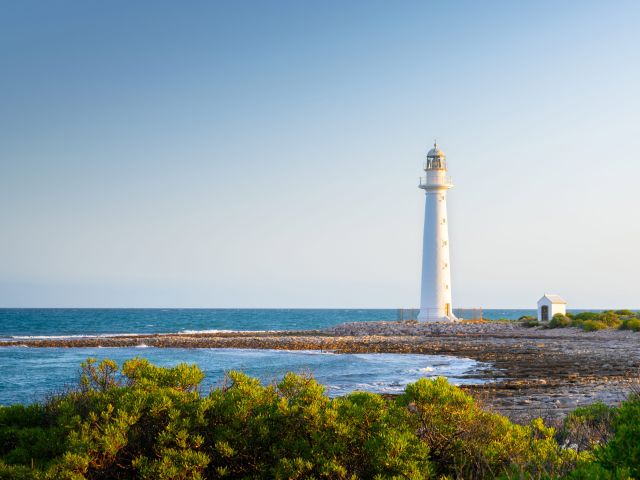
While the Giant Australian Cuttlefish Migration may be on pause for tourists this year, there are plenty of other reasons to visit the Eyre Peninsula’s largest regional city.
See the heritage-listed Point Lowly Lighthouse. Built in 1883, enjoy the history and the dramatic outback and coastal views across the Spencer Gulf that it offers. Discover more incredible views of sprawling steelworks, coastline, and the town from Hummock Hill – the highest point in town. Or, enjoy the marine environment from above, thanks to the Whyalla Circular Jetty. At Whyalla Maritime Museum, learn about the region’s rich 6000-year Indigenous history, its shipbuilding past and more.
Want to see more stories from Australian Traveller in your Google search results?
- Click here to set Australian Traveller as a preferred source.
- Tick the box next to "Australian Traveller". That's it.