6 must-see natural attractions in Geelong and the Bellarine Peninsula

hero media
From scuba diving an aquatic playground so biodiverse it rivals even the Great Barrier Reef, through to hitting the trails of a national park that boasts the state’s richest wildflower habitat, these six natural attractions offer more than enough reason to visit Geelong and the Bellarine Peninsula.

1. Brisbane Ranges National Park

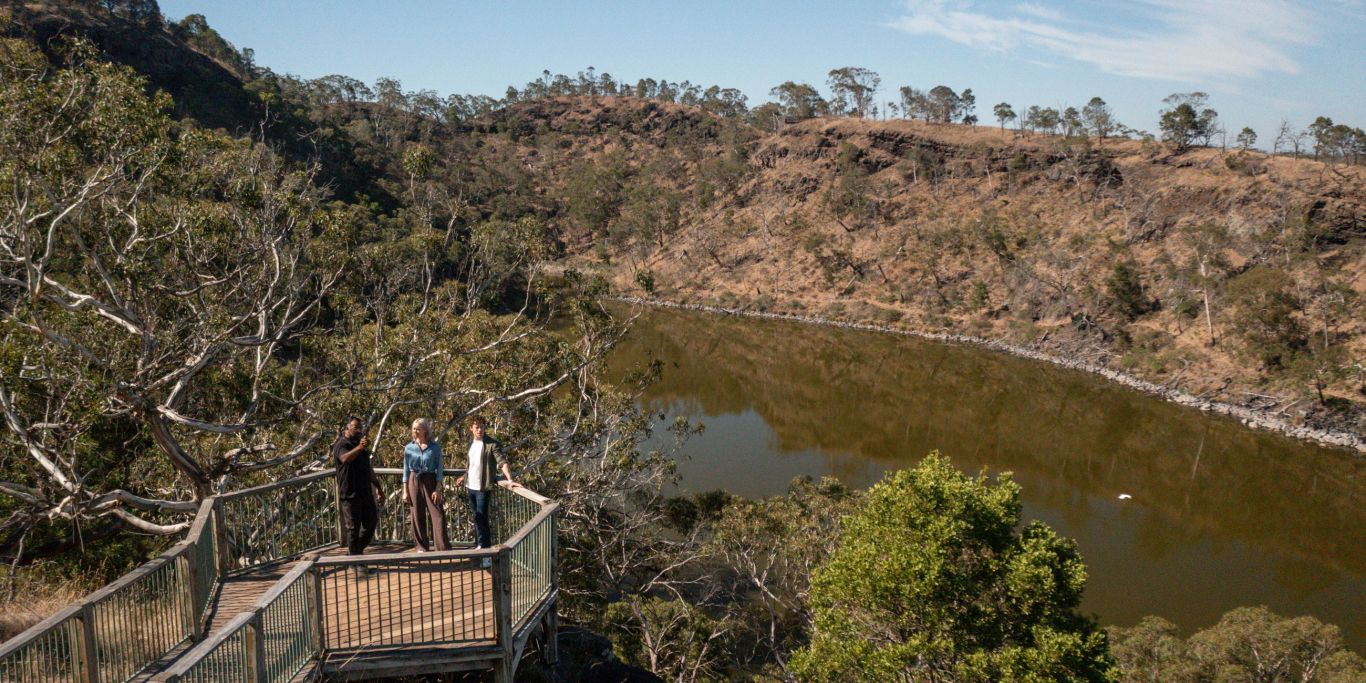
Abundant with native flora and fauna and located some 50 kilometres north-west of Geelong, Brisbane Ranges National Park is popular with hikers and birdwatchers alike. Hit one of its many walking trails and you’re sure to encounter a bird or two and likely even a koala; up to 180 species of birds frequent the park, which is also home to the greatest density of koalas in Victoria.
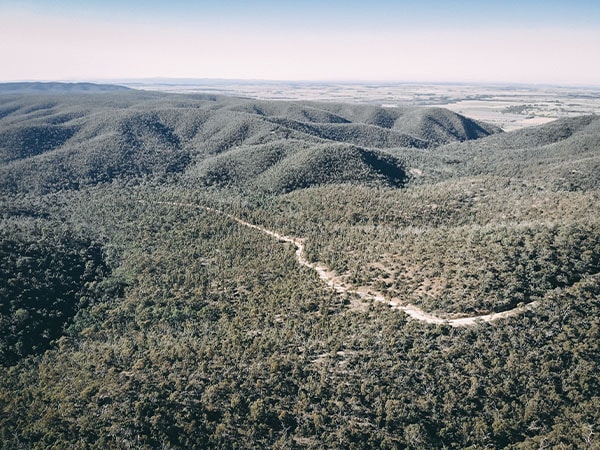
Moorabool Valley, Brisbane Ranges National Park, Geelong and the Bellarine Peninsula, VIC, Australia
Hit one of its many walking trails and you’re sure to encounter a bird or two. (Image: Megan Winden)

Come spring, this hinterland pocket is awash with wildflowers (you’ll find more here than anywhere else in the state). Explore the sharp rocky cliffs and gullies, populated with rare wattles, grevilleas, gum trees and bush peas, and soak up the serenity.
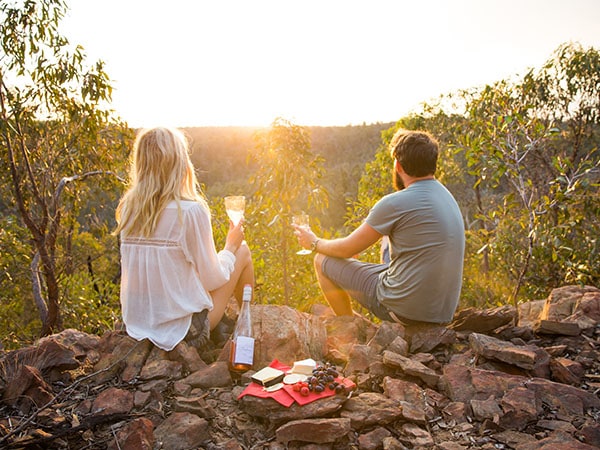
Brisbane Ranges National Park, Geelong & The Bellarine, VIC, Australia
Bring your loved ones to witness the abundant native flora and fauna in Geelong. (Image: Visit Geelong & The Bellarine)

2. Port Phillip Heads Marine National Park, Point Lonsdale

Situated at the mouth of Port Phillip Bay, not far from the urban sprawl of Melbourne, Geelong and the two peninsulas that flank it, you’d be forgiven for assuming these waters wouldn’t promise much of interest. In fact, that couldn’t be further from the truth.
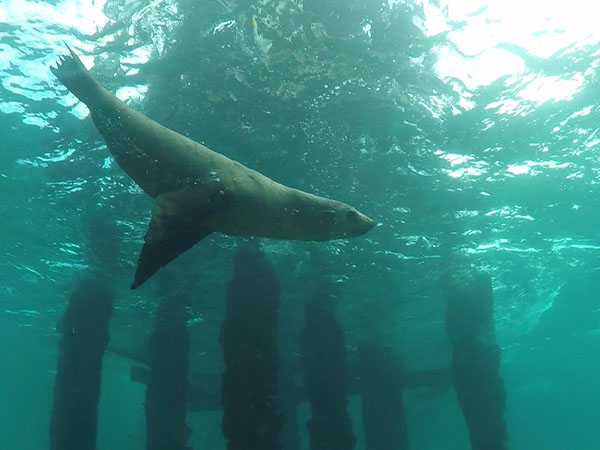
Underwater life, Geelong & The Bellarine Peninsula, VIC, Australia
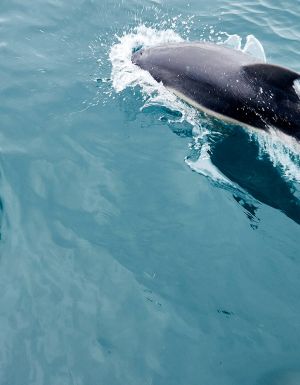
Snorkel or scuba dive and you’ll uncover waters teeming with life. (Image: Visit Geelong & The Bellarine)

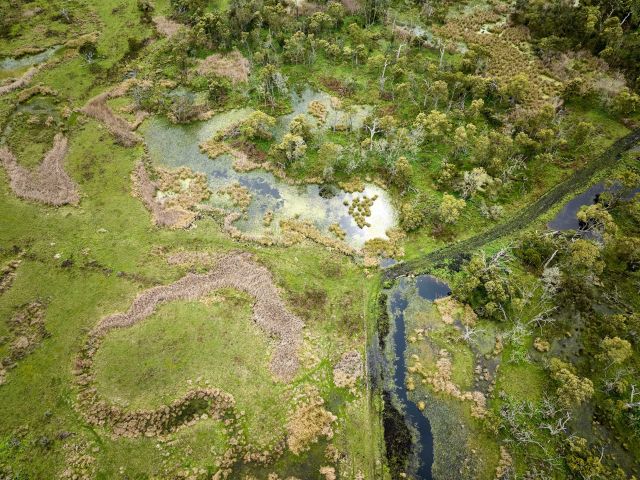
Above water, explore the Ramsar Convention-listed wetland of Swan Bay, a habitat that supports nearly 200 bird species. Each summer, some 10,000 migratory waders, such as plovers and curlews, call these intertidal mudflats home. There are also sizable rock pools to investigate at Point Lonsdale during low tide, plus reef breaks to surf and crystalline waters to swim in.

The surprises keep coming underwater. Not only are there more than 30 shipwrecks to dive, but the variety of marine life that inhabits the Port Phillip Heads Marine National Park is so vast it’s said to rival that of the Great Barrier Reef. Go scuba diving and you’ll uncover kaleidoscopic sponge gardens and soft corals, thick forests of kelp and huge seagrass beds, all teeming with life. Take a dive at the reefs of Pope’s Eye or Lonsdale Wall and you might spy nudibranchs, Gulf wobbegongs, or shoals of western blue devils, leather jackets, dusky morwongs, giant Australian cuttlefish and southern hulafish, to name but a few.

3. Barwon River

Originating in the Otway Ranges, and meandering east through Forrest and Birregurra before joining the Moorabool River in Geelong and entering the sea at Barwon Heads, this 160-kilometre-long river is located on Wadawurrung country. It was once a rich source of food for the Aboriginal community, who would catch eels and fish for trout and perch off its banks.
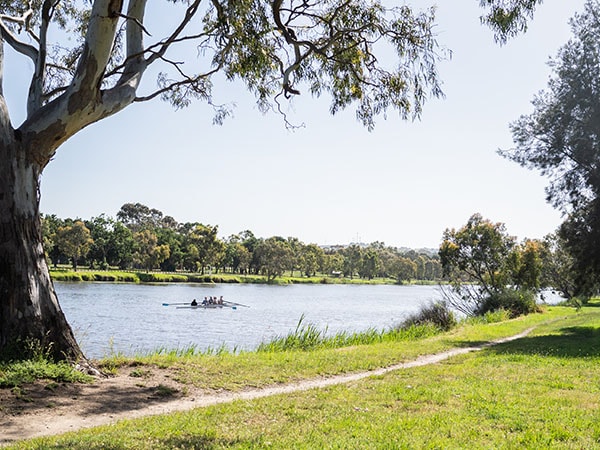
Barwon River, South Geelong, Victoria, Australia
Trace this waterway from start to finish and you’d find a plethora of native vegetation lining its banks, making it a dendrophile’s delight. (Image: Visit Geelong Bellarine)

Trace this waterway from start to finish and you’d find a plethora of native vegetation lining its banks, making it a dendrophile’s delight: there are river red gums, Australian blackwoods, silver wattles, woolly tea trees, drooping sheoaks, and even the nation’s floral emblem, the golden wattle. Wildlife also finds refuge in the river and on its banks, from the elusive nankeen night heron and platypus to swamp wallabies and native water rats.
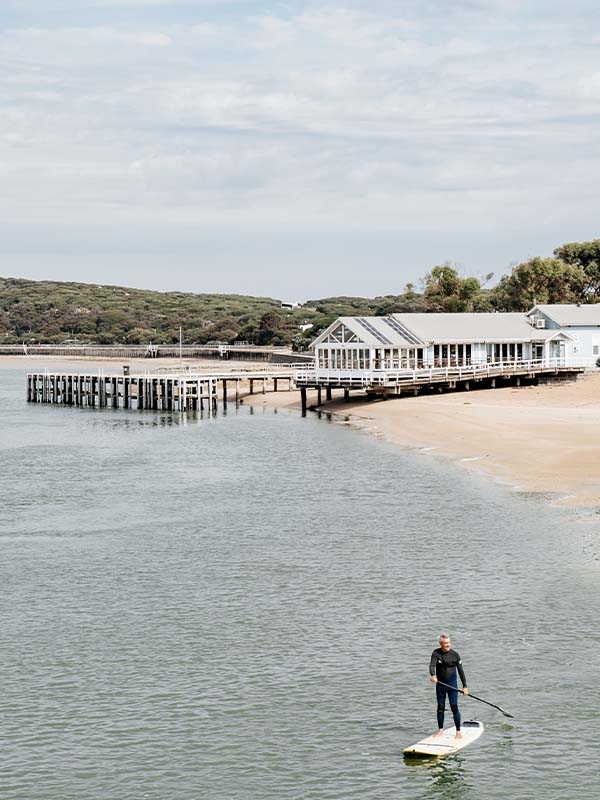
Paddle boarding at the Barwon River, Geelong, VIC, Australia
Go paddle boarding on Barwon River. (Image: Visit Geelong & The Bellarine)

Geelong is home to a number of peaceful parks and reserves that capitalise on the river’s beauty and natural features, such as Buckley Falls, Fyansford Common and Zillah Crawcour Park. The riverside Balyang Sanctuary is arguably the pick of the bunch; once a swamp, this park now encompasses nine hectares of lake and native bushland, often visited by pelicans, pied cormorants and Eurasian coots.
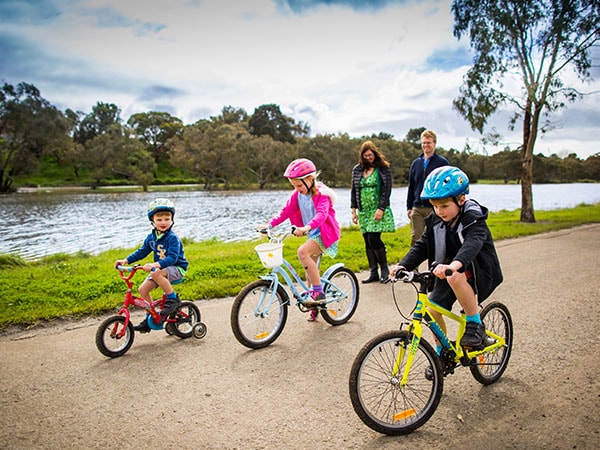
Children riding bikes at Barwon River and Park, Victoria, Australia
Geelong is home to a number of peaceful parks and reserves that capitalise on the river’s beauty and natural features. (Image: Visit Victoria)

4. Geelong Botanic Gardens, Geelong

The city’s green lung, Geelong Botanic Gardens has been going strong since 1851. Not only is it home to your more typical botanic garden fare – from rose gardens to plentiful lawns fit for picnicking, and a conservatory that houses a collection of tropical plants – it’s also home to more than a dozen ‘heritage’ trees.
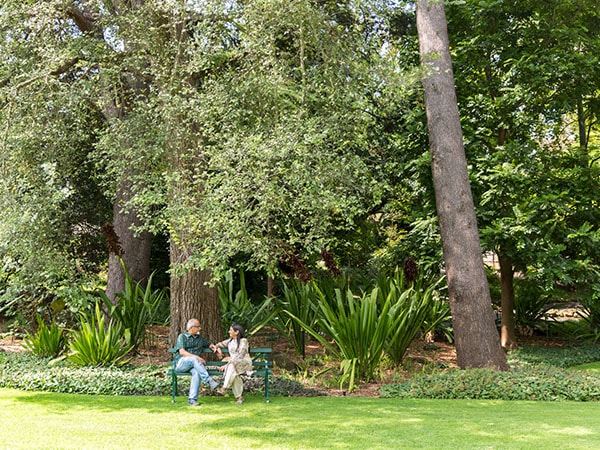
Geelong Botanic Gardens, VIC, Australia
Geelong Botanic Gardens is known as the city’s green lung. (Image: Visit Geelong & The Bellarine)

These specimens are so important they’re listed on the National Trusts of Australia’s Register of Significant Trees, and they include a positively huge Chilean wine palm and a maidenhair tree native to China.
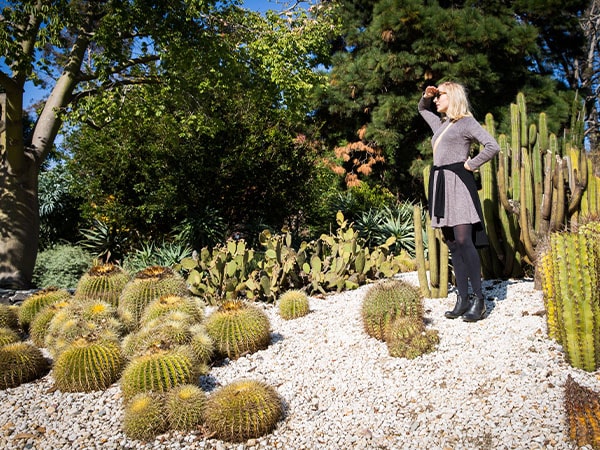
Geelong Botanic Gardens, VIC, Australia
See the home to more than a dozen ‘heritage’ trees. (Image: Visit Geelong & The Bellarine)

5. You Yangs Regional Park

The granite peaks of this mountain range rise just 320 metres high, but they cut a striking silhouette against the pancake-flat Werribee Plain.
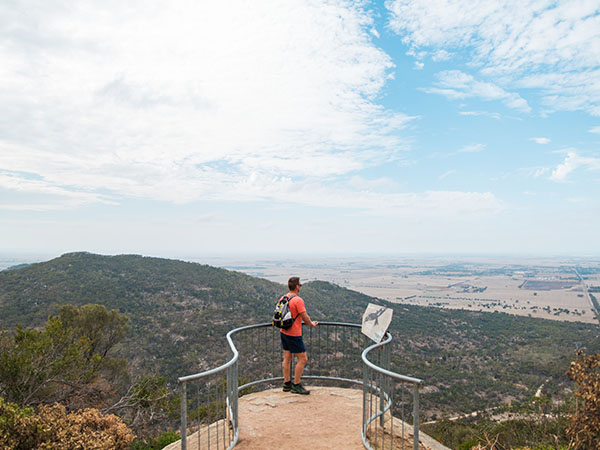
You Yangs Regional Park, Geelong & The Bellarine Peninsula, VIC, Australia
Whip out your binoculars, as there’s a wealth of birdlife to spy. (Image: Visit Victoria)

Whip out your binoculars, as there’s a wealth of birdlife to spy among the You Yangs Regional Park’s scrub and gum tree-flecked slopes. From the park’s summit you can also gorge on sweeping views of the surrounding countryside.
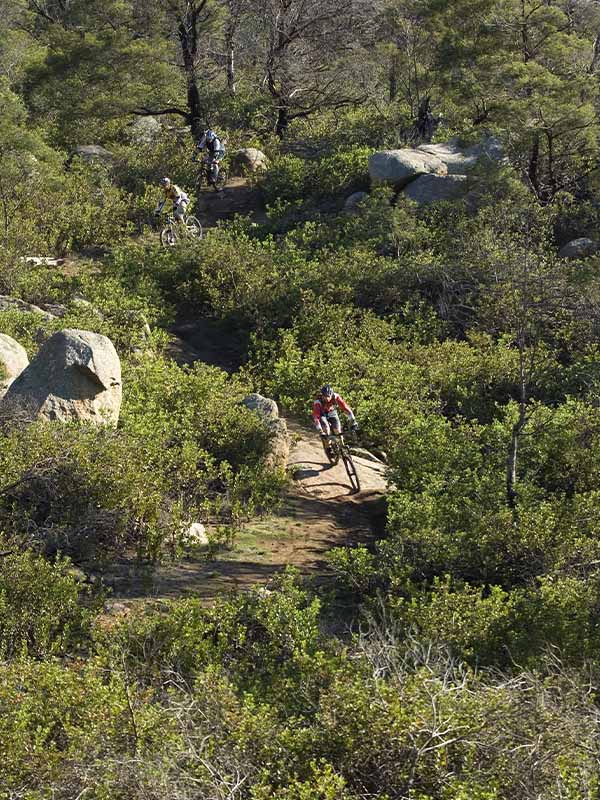
You Yangs Regional Park, Geelong & The Bellarine Peninsula, VIC, Australia
The You Yangs is fantastic mountain biking terrain. (Image: Visit Victoria)

6. Serendip Sanctuary, Lara

A haven for all manner of creatures big and small, Serendip Sanctuary is ground zero for animal lovers. Run by Parks Victoria, the sanctuary is located among the open grassy woodlands, marshlands and wetlands of the volcanic Western Plains, and is home to more than 150 animal species, from kangaroos, wallabies and emus to bearded dragons and spotted-tail quolls. Don’t leave without retreating to one of the bird hides to spy on the plethora of birdlife: among the 150 different species that visit this wildlife park, you might see black kites, Cape Barren geese, bush stone-curlews or the endangered masked owl.

Chloe Cann
Chloe Cann is an award-winning freelance travel and food writer, born in England, based in Melbourne and Roman by adoption. Since honing her skills at City St George's, University of London with a master's degree in journalism, she's been writing almost exclusively about travel for more than a decade, and has worked in-house at newspapers and travel magazines in London, Phnom Penh, Sydney and Melbourne. Through a mixture of work and pleasure, she's been fortunate enough to visit 80 countries to date, though there are many more that she is itching to reach. While the strength of a region's food scene tends to dictate the location of her next trip, she can be equally swayed by the promise of interesting landscapes and offbeat experiences. And with a small person now in tow, travel looks a little different these days, but it remains at the front of her mind.
See all articles
hero media

This geological wonder is hiding in the heart of Victoria

Mythical, historical and most of all, spectacularly beautiful, Buchan Caves demands you take your time – and a tour. 

In the pools of water, so still they could be mirrors, the reflections of the stalactites make these limestone towers seem even taller. Almost 400 million years ago, an underground river carved through the rock to create the Buchan Caves . Now, artworks created by dripping water adorn these subterranean galleries: stalactites hanging from the ceiling, pillars connecting some to the ground, even curtain-like wave formations clinging to the stone.

Caves House
Visit the caves for the day or stay onsite in the campground or at the self-contained Caves House. (Image: Ben Savage)

“This is called the Fairy Cave because it’s full of fairy dust,” a guide tells visitors as they enter a cavern glittering with “calcite that’s solidified into thousands of tiny little diamond shapes”.  Buchan Caves is Victoria’s largest cave system, but Fairy Cave is a highlight and, along with nearby Royal Cave, is accessible only by tour. Naturally cold, naturally dark, these caverns deep below the surface light up as the local experts tell their stories. 

couple walking in cave
You’ll need to book a guided tour to see the caves. (Image: Tourism Australia)

Among the hundreds of caves, some can be easily accessed from the surface. For instance, a casual stroll along the FJ Wilson Interpreted Walk, as kangaroos watch on from beneath acacia trees, leads into the 400-metre-long Federal Cave and its natural steps of white limestone. A slightly longer track, the Granite Pools Walk heads through soaring forest down into moss-covered gullies where the calls of lyrebirds trill through the leaves. 

A quick history lesson on Buchan Caves 

Buchan Caves
Buchan Caves are a must-visit attraction in Gippsland. (Image: Tourism Australia)

Among the geology and the nature are millennia of history. This part of East Gippsland connects the high country to the coast and was long a place of refuge for the local Gunaikurnai people on seasonal migrations to the mountains. Archaeological studies show humans lived here up to 18,000 years ago, with artefacts such as small stone tools found around the site. But not too far into the caverns – oh no! The Gunaikurnai didn’t dare venture deep into the dark at Buchan Caves, telling stories they were inhabited by gnome-like nyols (small grey-skinned creatures that could steal memories). 

Buchan Caves Hotel
The Buchan Caves Hotel was rebuilt after burning down in 2014. (Image: Jess Shapiro)

By the early 1900s, more people had started to hear about these incredible caves and so the Moon family set up home at the site and started to run tours below ground for intrepid visitors. More than a century later, their historic residence is available as accommodation, with the three-bedroom house sleeping up to eight people and now equipped with modern amenities the Moons could only have dreamt of. 

But whether you stay overnight or just spend the day here, it’s worth taking your time to explore more than just the main caves, to get a deeper understanding of one of Victoria’s fascinating geological attractions.