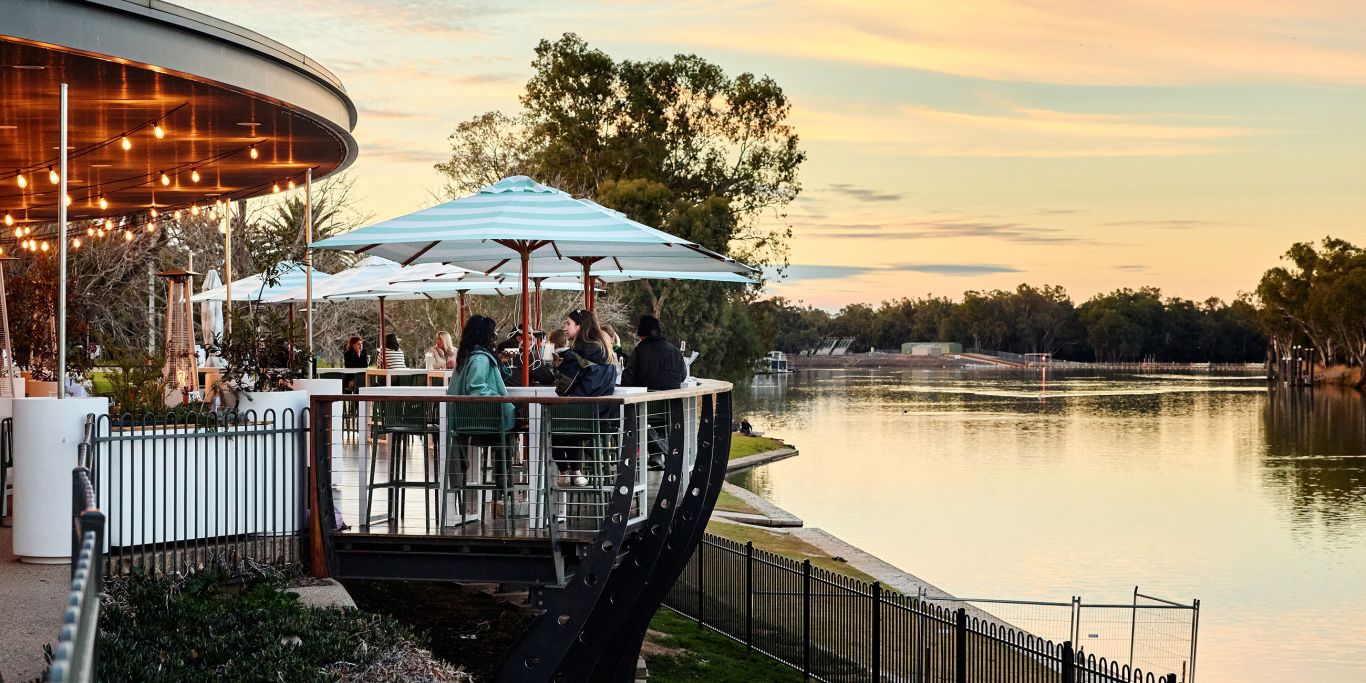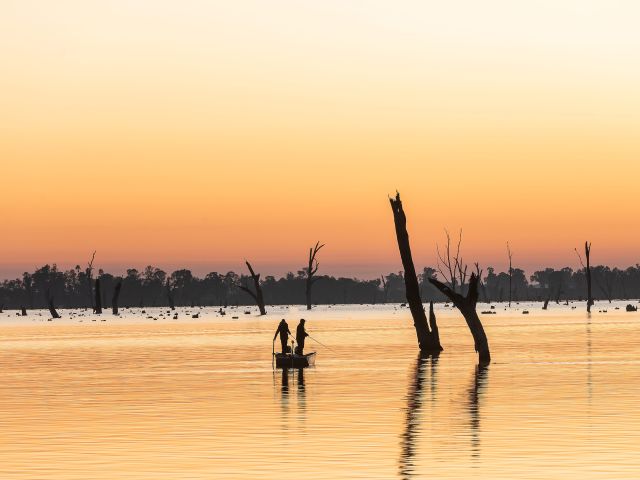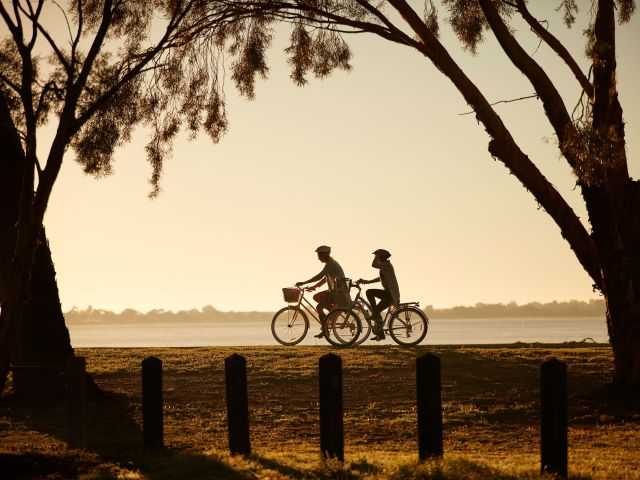

Move over, big smoke – a Victorian goldfields city has just claimed Australia’s top spot on the world’s largest happiness ranking.
Ballarat isn’t just pretty on a postcard. According to the Institute for Quality of Life’s 2026 Happy City Index – the world’s largest community-driven study of urban happiness – it’s the most contented city in Australia, and one of the happiest places on the entire planet.
The Victorian city ranked 16th out of 251 cities worldwide, earning a coveted spot in the index’s gold group: a distinction reserved for the top 50 cities that consistently perform across quality of life, sustainability and long-term development.
What is the happiest city in Australia?
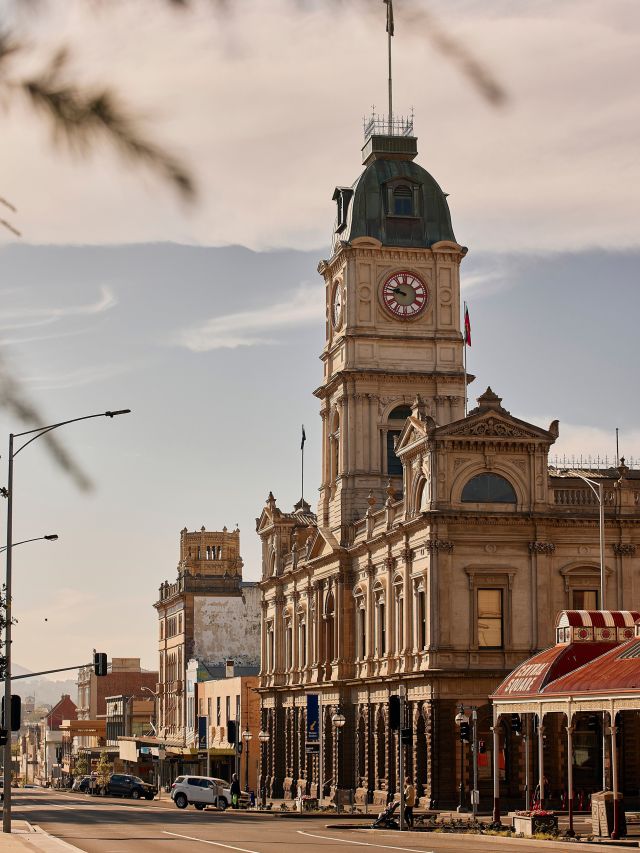
This year, that title belongs to Ballarat – and it might surprise those who’ve never looked past Melbourne when thinking about Victoria.
Ballarat scored 6546 total points across 64 indicators and six dimensions in the 2026 Happy City Index, outperforming the global average in a striking range of areas: its recycling rate sits at 72 per cent against a global average of 44 per cent, its housing affordability ratio is 1.99 compared to the worldwide average of 5.12, and its intentional homicide rate is zero – against a global average of more than 20 per 100,000 residents.
Life expectancy in Ballarat is 82.3 years, and green space per capita comes in at 182.35 square metres – more than double the global average of 72.57. The city also recorded a net internal migration rate of 18.10 per 1000 residents, compared to a global average of 3.58 – meaning people are actively choosing to move there.
How were the rankings determined?

Happiness, as any philosopher will tell you, is slippery to measure. The Happy City Index approaches it with rigour: covering 251 cities and drawing on 64 indicators across six dimensions – citizens, governance, environment, economy, health and mobility. Over a five-month research period, 466 researchers gathered and validated more than 150,000 data records, looking at everything from voter turnout and air quality to green space, work-life balance and housing costs.
From an initial pool of more than 3400 cities worldwide, nearly 1000 were selected for deeper analysis, so making the final list of 251, let alone landing in the gold group, is no small feat.
Where Ballarat really shines is in the areas that matter most to everyday life. Its average weekly working hours are 38 – below the global average of 40.5 – and its unemployment rate of four per cent sits well below the worldwide average of 5.58 per cent. Annual PM2.5 air pollution sits at just 5.00, less than half the global average of 11.86.
What other Australian cities made the list?
Ballarat wasn’t the only Australian city to perform well. Maitland in NSW’s Hunter region came in at 35th – also earning gold group status – while Adelaide, which topped the Australian rankings in 2025, came in at 71st this year. Melbourne ranked 108th, Geelong came in at 122nd, Hobart was 132nd, and Rockhampton came in at 168th.
Globally, Copenhagen in Denmark took the number one spot, followed by Helsinki in Finland, Geneva in Switzerland, Uppsala in Sweden and Tokyo in Japan, rounding out the top five.
Ready to visit Australia’s happiest city?

The numbers make a compelling case, but Ballarat has always had a way of winning people over in person. Whether you’re after great food, a cold drink, a Saturday market or a weekend retreat, we’ve got you covered.