Wondering what are the best things to do in the Grampians? Don’t worry we have you covered with our 13 things you’ll definitely want to see.
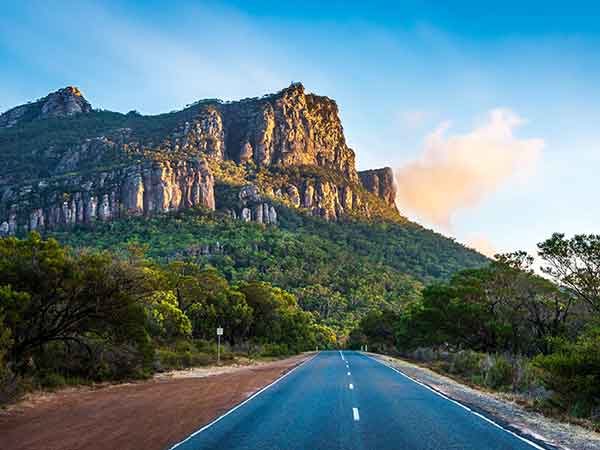
Home to some of the most scenic roads in Australia, the Grampians is stuff of road tripping dreams. The iconic route between Dunkeld and Halls Gap, a 65-kilometre stretch of road so spectacular you’ll want to drive it twice because the views are that good, is just the beginning. Follow this list and go a little deeper.
1. Find “Hope" in St Arnaud
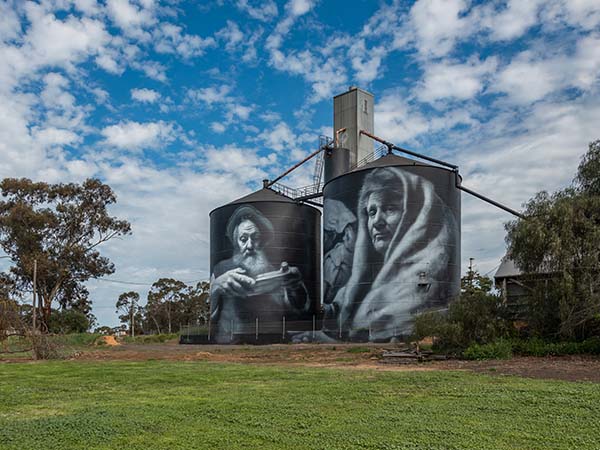
The Grampians may be famous for its soaring peaks and amazing views, but one of the region’s best kept secrets is the historic gold mining town St Arnaud and in particular, its Silo and Art Trail. The trail reveals a collection of nine public works by local artist Kyle Torney. Torney’s most arresting work, titled “Hope", spans two silos and reflects the aspirations of the time.
2. Be awed by Mad-Dadjug (Mt Abrupt)
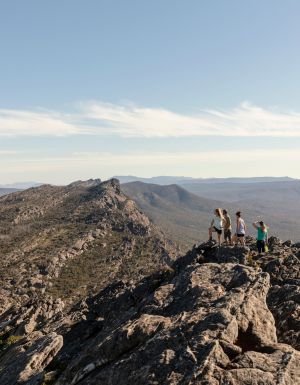
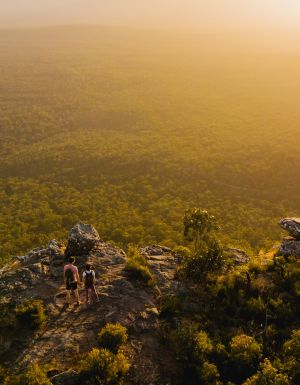
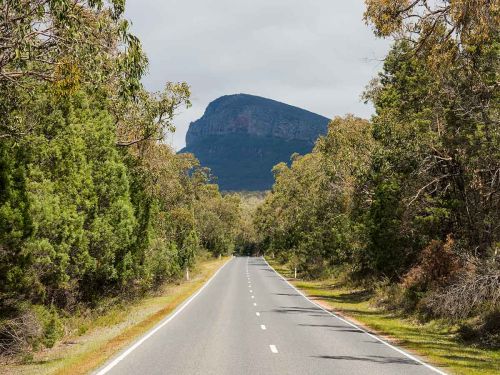
When the sandstone ridge of Mad-Dadjug (Mt Abrupt) majestically appears at the end of the road it’s one of the most remarkable – and photogenic – sights on the scenic route through the heart of Grampians (Gariwerd) National Park between Dunkeld and Halls Gap. For truly awesome views, tackle the steep walking track up to the summit. It’s a challenging climb but the rewards are worth the effort.
3. Chill out at Victoria’s largest waterfall
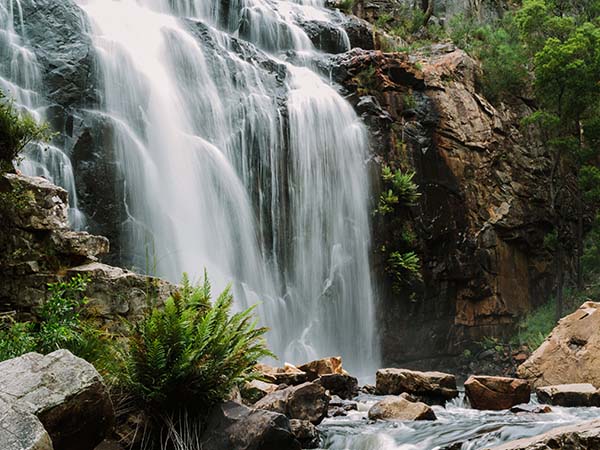
Standing at the foot of Mikunung wira (MacKenzie Falls), it’s hard to believe that these thundering cascades – the largest in the state, and the only falls in the Grampians that flow all year round – are less than 100 kilometres from a desert. It’s one of the park’s most celebrated attractions, but to really get a sense of all that natural power, follow the walking trail from the lookout down to the pool at the base (be prepared to get doused in the mist). If you don’t fancy tackling the 265 steps, the longer but gentler MacKenzie River Walk is easier on the knees.
4. Be humbled by ancient creation stories.
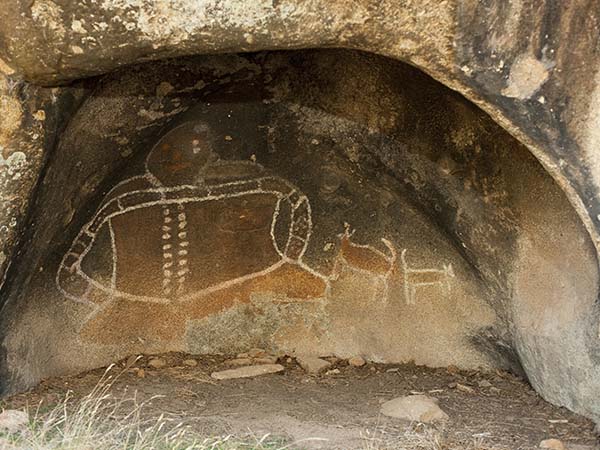
The Grampians region has the largest number of rock art sites in southern Australia (more than 80 per cent of Victoria’s First Nations art sites are here). One of the most significant is Bunjils Cave, in the Black Range Scenic Reserve near Stawell, the only known rock art depiction of the spirit Bunjil, who created not only the sandstone ranges of Gariwerd, but all the plants and animals as well. Seeing these ancient galleries in real life is a powerful reminder that this place is home to the oldest living continuous culture in the world.
Need tips, more detail or itinerary ideas tailored to you? Ask AT.
AI Prompt
5. Get in the picture at Framing the Wimmera
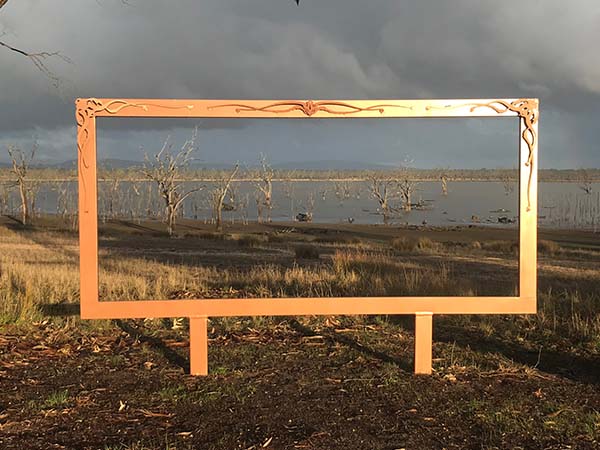
There are plenty of views in the Grampians worth framing, but the vistas in the art installation Framing the Wimmera really are next level. Super-sized frames in four of the most picture-perfect locations across the region – at Mount Arapiles, the Grampians, Toolondo Reservoir and the Wimmera River – make glorious locations for road trip snaps, ready to share. Don’t forget to tag #FramingTheWimmera.
6. Take a deep dive into the world of olive oil
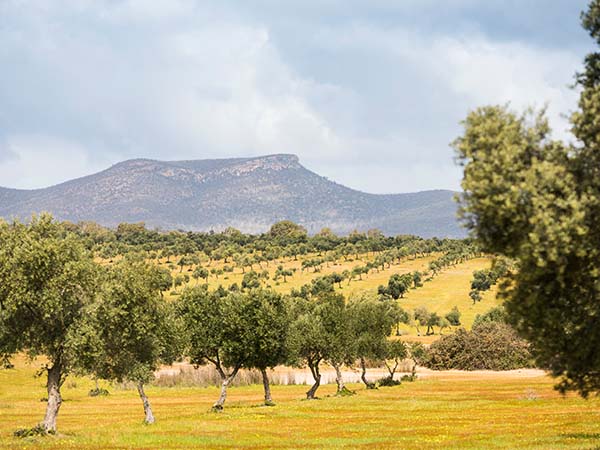
The Grampians Olive Co is one of the oldest olive groves in Australia. Family run and certified organic, it’s the place to get the good oil on, well, the good oil. Visit the farm, follow the process from tree to bottle, learn how to taste like an olive oil sommelier and stock up on picnic supplies. Need another reason to stop? They also roast their own coffee and serve lunch platters. The mountain views are pretty special too.
7. Putt your way through the fern forest at Adventure Golf
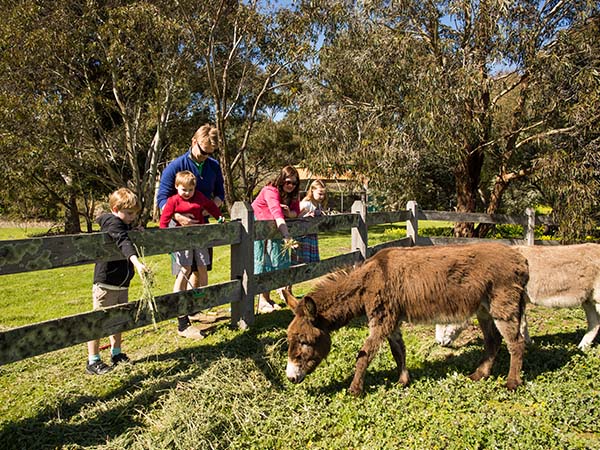
You don’t have to be an expert golfer to play around at this course, but you will need a sense of adventure. Rated one of the best adventure golf courses in the world, the 18-hole course has no less than four waterfalls and five ponds, plus a few tunnels and other challenges. Surrounded by the wilds of the national park with its own beautiful gardens, it’s family-friendly fun, although the infamous ‘nerve test’ has been known to spark some serious social rivalry.
8. Pay your respects to the father of football
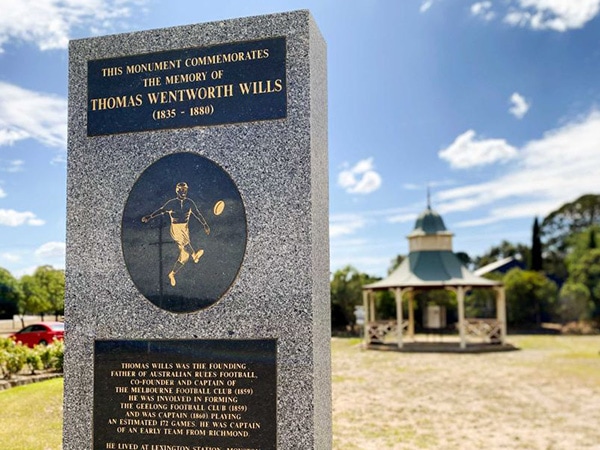
Here’s something most folks don’t know: Australian rules football was born in Moyston! Cricketing superstar, Thomas Wentworth Wills, who in 1858 co-founded and captained one of the oldest professional sporting clubs in the world, Melbourne Football Club, grew up at Lexington Station, near Moyston. Inspired by the games he played with local Indigenous kids as a child, he helped develop the rules of the game we now call Aussie Rules as a way for cricketers to keep fit in winter.There’s a monument to the sporting great in Moyston, and the gazebo behind it features a six-sided history of the game. It’s one of the stops on the East Grampians Scenic Route.
9. Take a tour of one of the longest underground wine cellar in the world
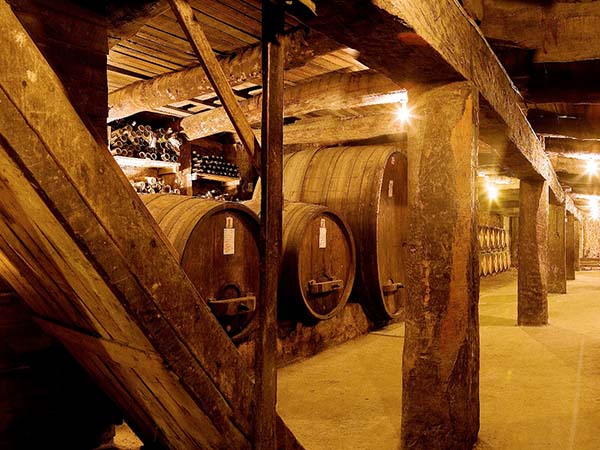
Ever wondered how much space you’d need to keep three million bottles of wine? The answer is heaps. A cellar three kilometres long, at least. Seppelt Great Western is home to the longest and largest underground wine cellar in the southern hemisphere and can hold three millions bottles of bubbly. Dug by out-of-work gold miners in the 1860s, the labyrinth of tunnels known as ‘drives’ took more than 60 years to build. The daily tours include a tasting of the region’s famous sparkling shiraz, first made back in 1890.
Weekly travel news, experiences
insider tips, offers, and more.
10. Climb a volcano and peer into a bottomless lake
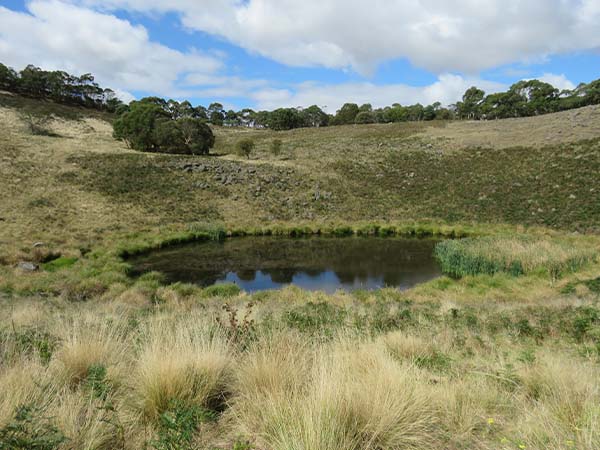
Something else most people don’t know is that the southern Grampians sit atop the third largest volcanic plain in the world. Take a drive along Mt Rouse Tourist Road near Penshurst and stop at Crater Lake on the way to the top – it was once believed to be bottomless. Follow the walking track up to a viewing platform and stairs to the summit of the now dormant volcano, where you’ll find extraordinary 360-degree views of the lava plain and neighbouring volcanoes Budj Bim (Mt Eccles) and Mt Napier. Learn more about the amazing history of the region at the Volcanoes Discovery Centre in Penshurst.
11. Take a walk on the dark side in Ararat
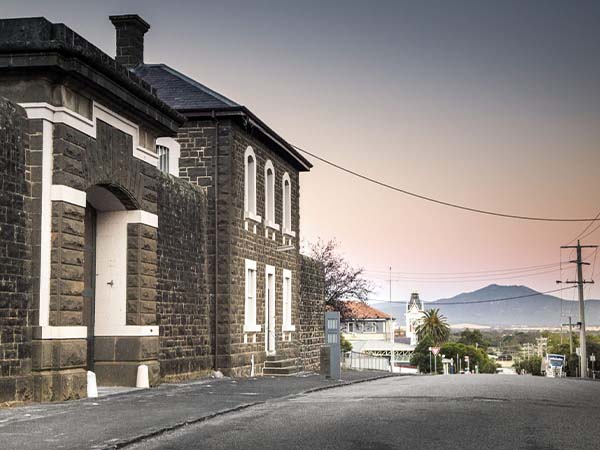
Delve into Victoria’s dark underbelly on a guided tour of J Ward, Ararat’s Old Gaol and Lunatic Asylum. Built as a goldfields prison in 1859, it became home for the criminally insane once the gold ran out, incarcerating some of the most depraved, desperate and dangerous men in the state. It’s not for the squeamish or easily spooked, as you’ll be chilled by the stories of murderers, ghosts and the rather barbaric treatments for mental illness in the past. It’s proof that real life can be stranger than fiction – and even darker than your favourite Friday night TV crime show.
12. Give the big koala a big hug
We all know it’s not a real Aussie road trip without snapping a selfie with a big thing, and big things don’t come more Instagrammable than the giant koala at Dadswells Bridge, roughly halfway between Stawell and Horsham. Standing 14 metres high and weighing in at a whopping 12 tonnes, Sam – named in honour of a real life koala rescued from the Black Saturday bushfires in 2009 – even has his own hashtag. If you really want to impress your friends, pick up a t-shirt while you’re there: there’s a gift shop in his belly.
13. Marvel at a giant shed made of sticks
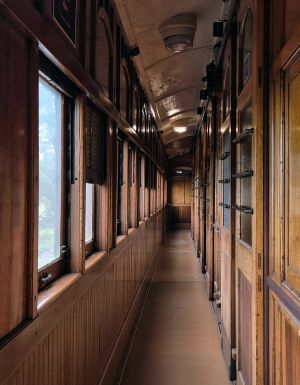
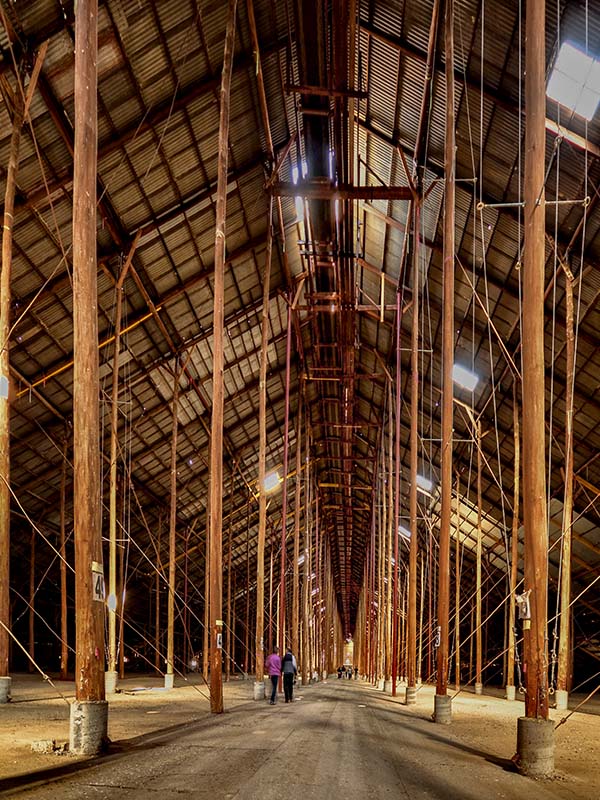
Not just any shed, the Murtoa Stick Shed is simply marvellous. Built in 1942 as an emergency grain store – the only Second World War emergency store still standing – it’s made of hundreds of hand-hewn poles of mountain ash (big sticks). It feels more like a cathedral than a silo, with its vast gabled interior and long rows of poles casting ethereal shadows. Part of the 200-kilometre Silo Art Trail – soon to become Australia’s biggest outdoor art gallery – you’ll never see anything else like it.
Plan your Grampians road trip at visitgrampians.com.au.
Want to see more stories from Australian Traveller in your Google search results?
- Click here to set Australian Traveller as a preferred source.
- Tick the box next to "Australian Traveller". That's it.

Brian Johnston
View profile and articles