The entire 164km trail is walkable again for the first time since the 2024–25 season.
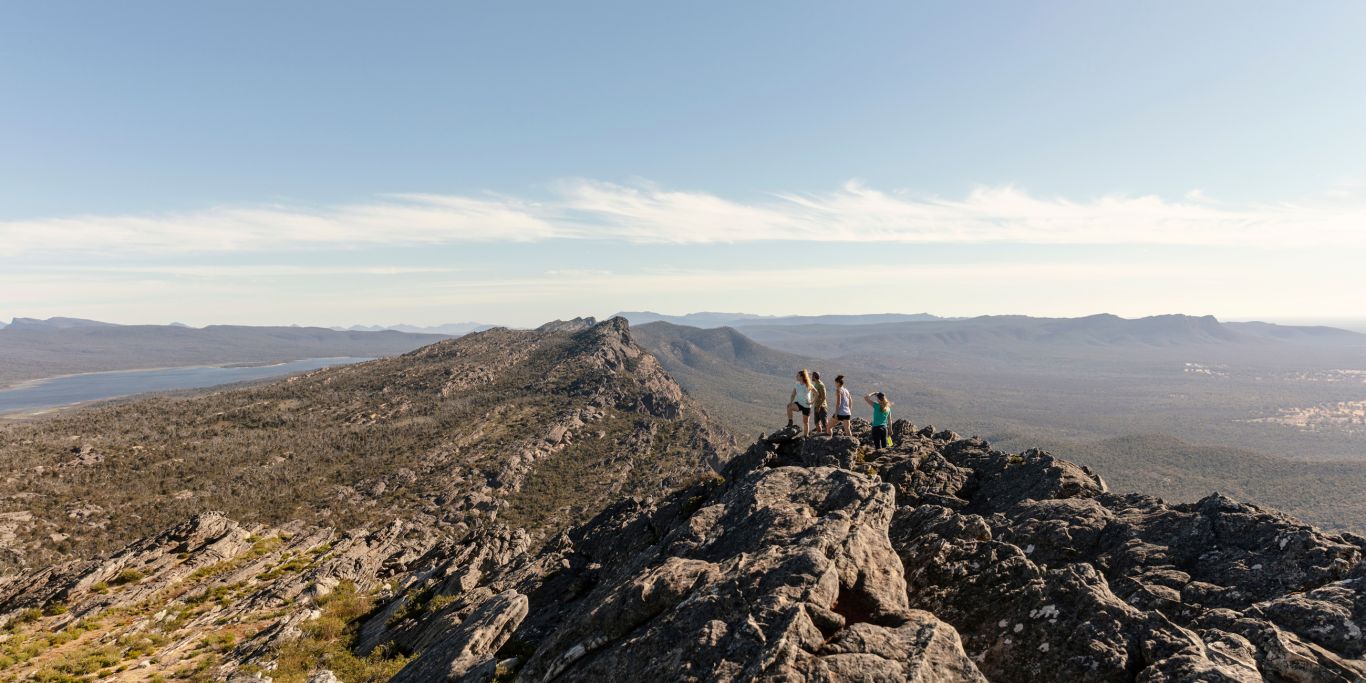
The Grampians Peaks Trail has fully reopened to hikers, marking the most significant milestone yet in the recovery of Grampians (Gariwerd) National Park following the devastating 2024–25 bushfire season.
Five hike-in campgrounds – Barri Yalug, Duwul, Durd Durd, Yarram and Wannon – reopened this month, joining the previously restored Bugiga campground to complete the Grampians Peaks Trail (GPT)’s full 164-kilometre route from Mount Zero (Mura Mura) in the north to Dunkeld in the south. It’s the first time the entire trail has been accessible since the fires swept through more than 135,000 hectares of the national park.
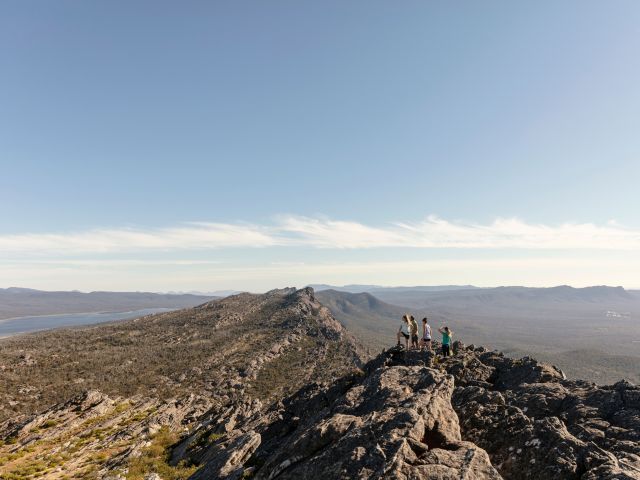
The full trail takes 13 days to complete. (Credit: Tourism Australia/Visit Victoria)
Most of the trail had reopened by July last year, but the remoteness and scale of damage to the central and southern sections meant overnight hiking remained off-limits while extensive repair works were underway. In total, six hike-in campgrounds were damaged, and large sections of track required rebuilding.
Recovery efforts have been supported by $36 million in funding from the Victorian and Commonwealth Governments.
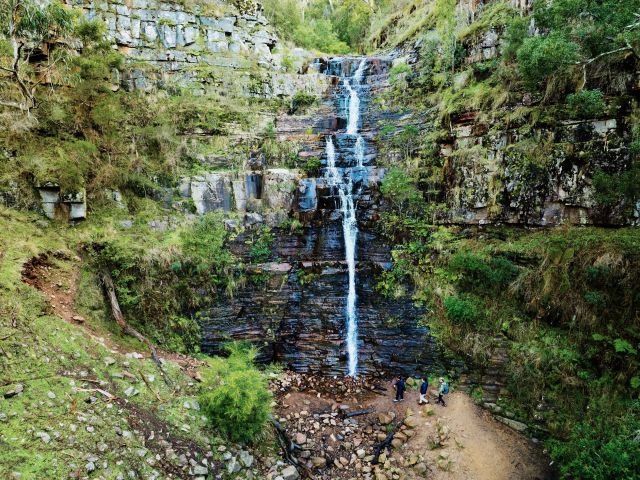
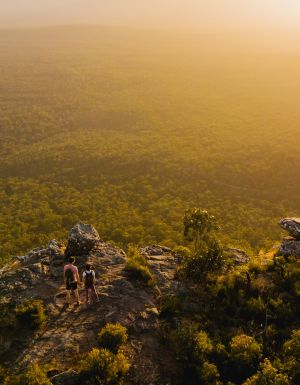
Large sections of track required rebuilding. (Credit: Tourism Australia/Visit Victoria)
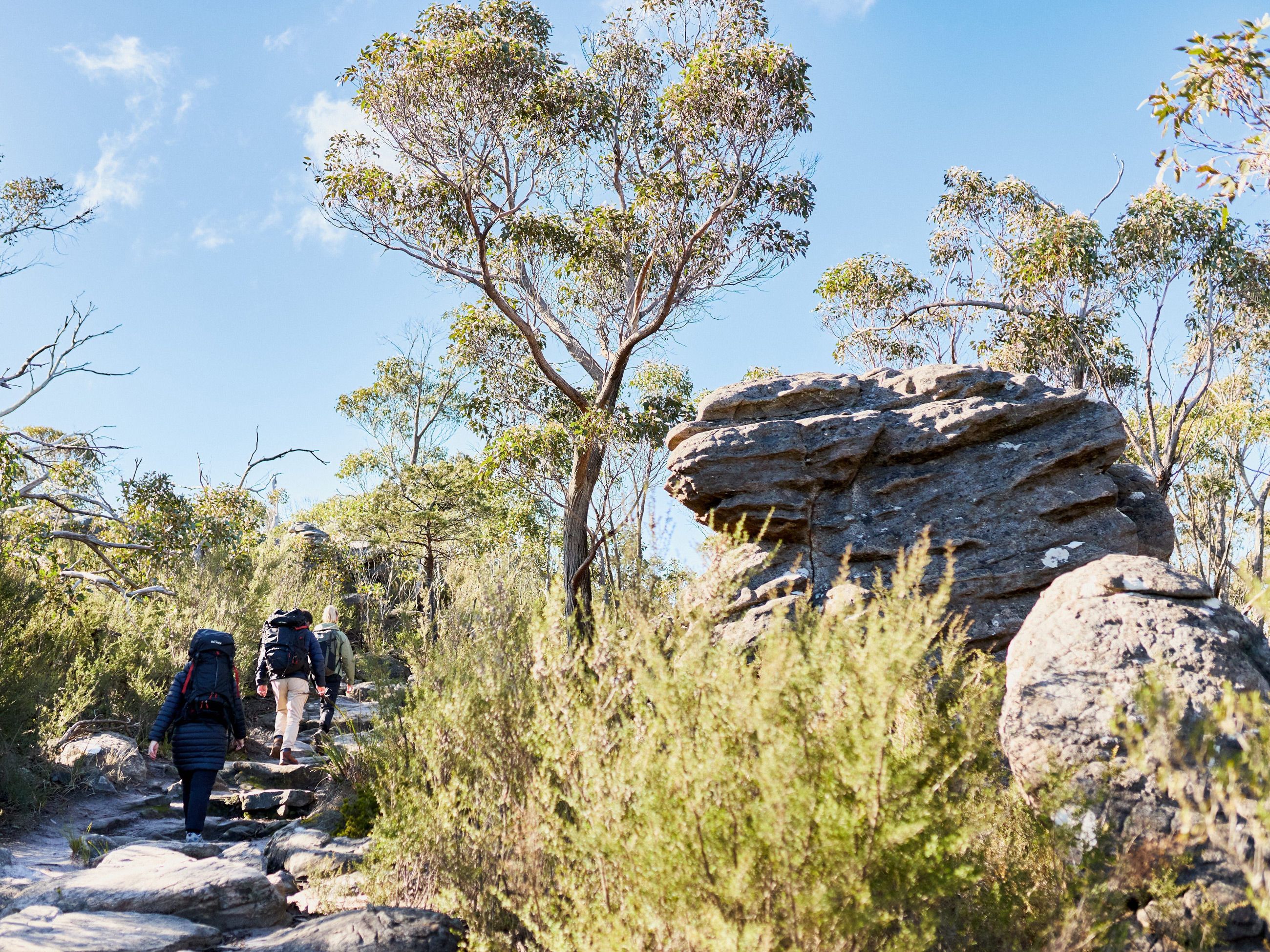
Around 100 stone steps were installed to manage steeper gradients. (Credit: Tourism Australia/Visit Victoria)
Parks Victoria recovery project officer, Kyle Hewitt, described arriving at a trail that had effectively vanished. “The post-fire inspections of the track quickly identified large sections which no longer had the cut-vegetation corridors which once guided people on their journey – it was like the track had disappeared," he said.
Works included stabilising and redefining approximately 20 kilometres of track, and around 100 stone steps were also installed to manage steeper gradients in what Hewitt describes as a now “fragile environment."
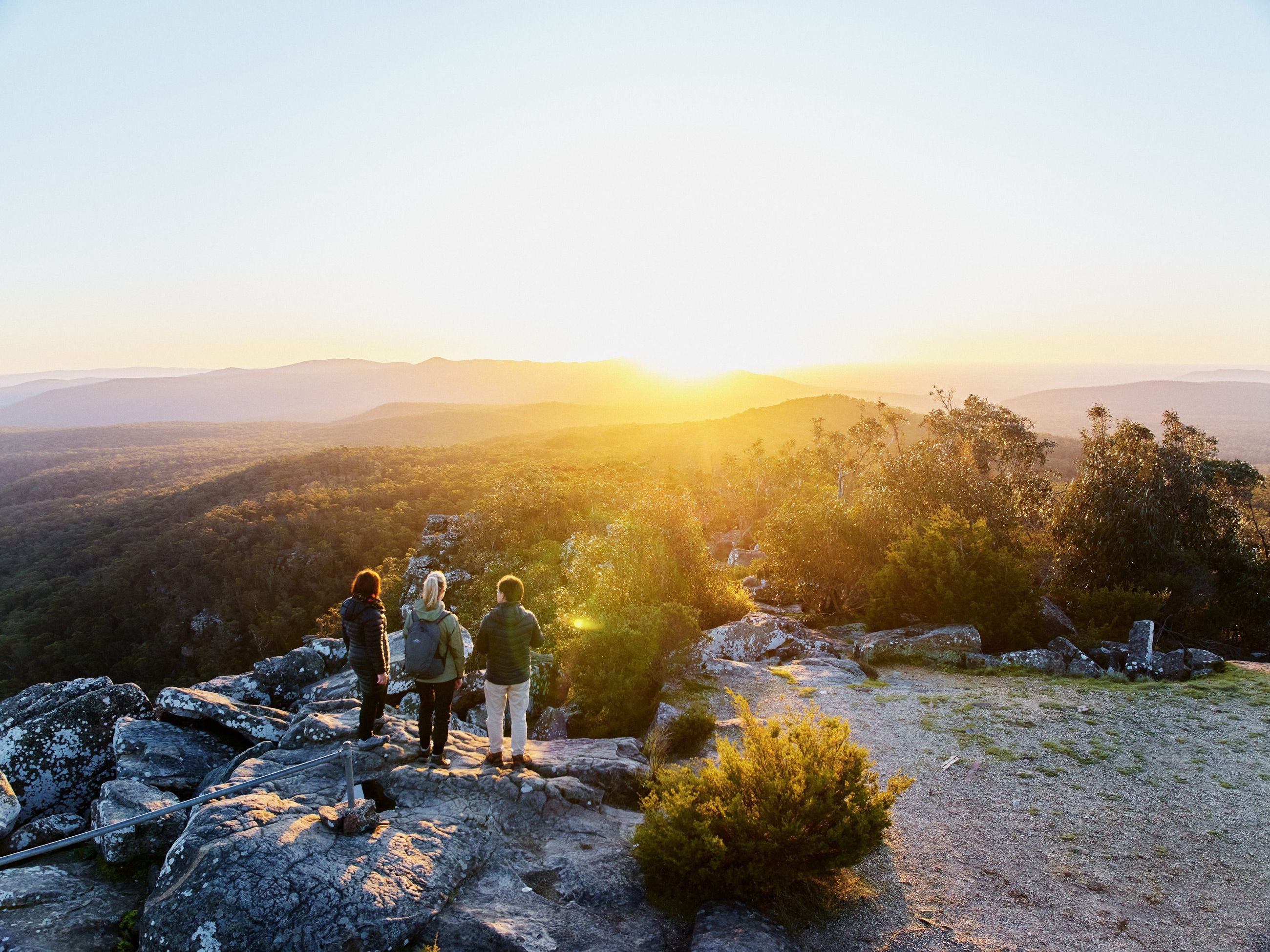
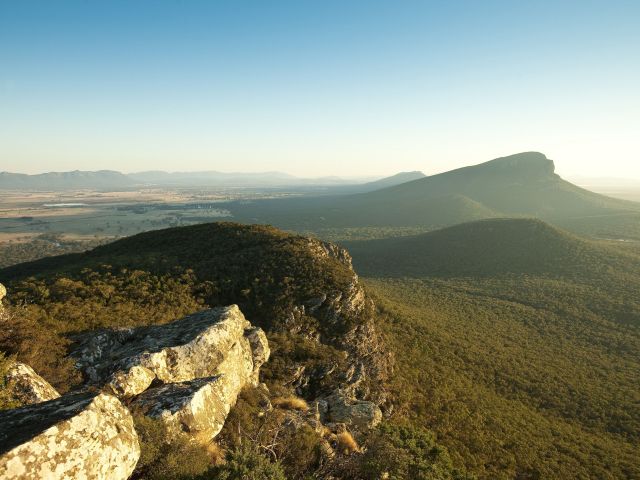
Mt Sturgeon (Wurgarri) is the final mountain of the journey. (Credit: Parks Victoria)
Of the affected campgrounds that reopened, Barri Yalug and Duwul sustained the most damage, though Hewitt noted that none were completely destroyed. Works included new timber tent pads, replacement water tanks and tank-landings, new windows at the Yarram shelter, and repairs to solar power systems. The remoteness of some sites required two helicopter sling-load operations to transport materials in and remove debris, while the Yarram shelter’s window height demanded professionally erected scaffolding reaching seven metres.
Nature, too, has been doing its own repairs. “There are lots of epicormic shoots coming back, and some of the ground cover has returned," Hewitt said – though shade remains scarce in the hardest-hit areas around Barri Yalug and Duwul.
Tick the box next to "Australian Traveller". That's it.
Emily Murphy is Australian Traveller's Email & Social Editor, and in her 4+ years at the company she has been instrumental in shaping its social media and email presence, and crafting compelling narratives that inspire others to explore Australia's vast landscapes. Her previous role was a journalist at Prime Creative Media and before that she was freelancing in publishing, content creation and digital marketing. When she's not creating scroll-stopping travel content, Em is a devoted 'bun mum' and enjoys spending her spare time by the sea, reading, binge-watching a good TV show and exploring Sydney's vibrant dining scene. Next on her Aussie travel wish list? South Australia and The Kimberley.
Sun-drenched Mildura is set to host a spirited array of events for guaranteed good times.
Nestled on the banks of the Murray River, the rural town of Mildura punches well above its weight for cultural events throughout the year. And it’s the perfect escape for those who like to find award-winning food and wine, ancient outback landscapes and a relaxed river lifestyle all in one place.
Whether you’re an oenophile on the hunt for your next favourite bottle of wine or a motor enthusiast looking for high-octane action, these events are equal parts unique and unforgettable, and offer the best ways to experience the Mildura region.
1. Mildura Fringe Festival
Enjoy a stellar line-up of arts and entertainment.
Mildura Fringe Festival is gearing up for another huge year of feel-good fun in 2026. From 29 October – 15 November, attendees will find a stellar line-up of arts and entertainment acts, spanning burlesque, comedy, theatre, live music and circus shows. Standouts include the Shake It! burlesque act, hosted by Minnie Andrews, and the first annual Mildura Pride Day. You’ll also find beer gardens, multiple bars and family-friendly venues to get the party started, as well as a tasty curation of food trucks.
2. Australian Alternative Varieties Wine Show
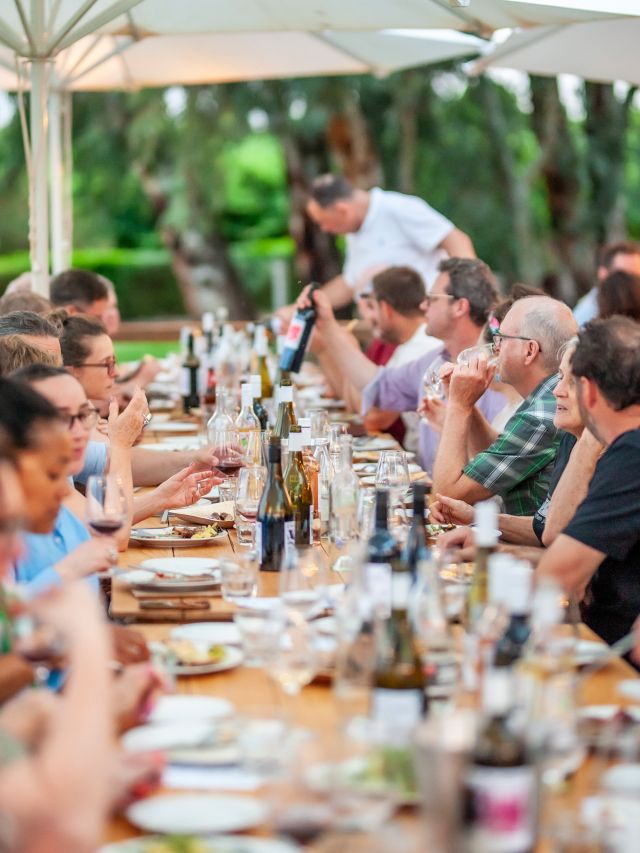
Taste a selection of the over 800 wines entered into the Australian Alternative Varieties Wine Show.
Oenophiles and occasional imbibers alike are almost guaranteed to find their next favourite drop at the Australian Alternative Varieties Wine Show. More than 800 wines from nearly 70 regions across Australia are entered into the competition, which has celebrated lesser-known innovative wines and emerging grape varieties for more than 20 years. There are a host of events from 4–7 November, from the Show Tasting – where you can sample as many entries as you like – to a delicious three-course dinner with matching wines curated by renowned Italian-Australian chef and festival co-founder Stefano de Pieri.
3. Cullulleraine Music Festival
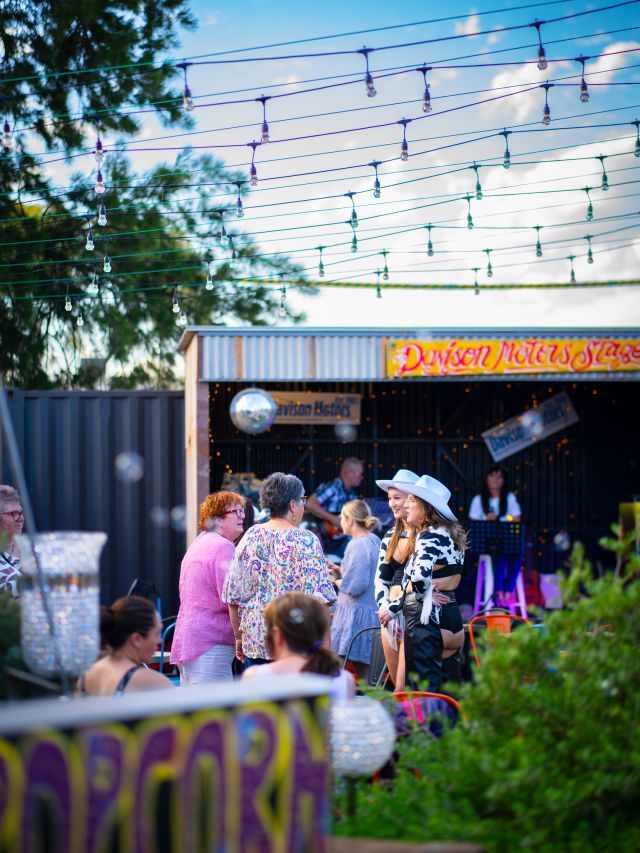
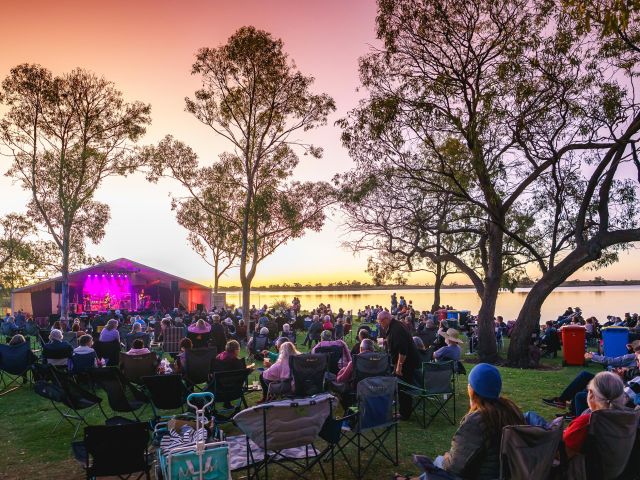
Listen to local, national and international artists. (Credit: David Sickerdick)
Adored for its ‘salt of the earth’ reputation that fosters welcoming regional vibes, the Cullulleraine Music Festival is a community-driven, not-for-profit music festival that hits all the right notes. Taking place from 9–11 April 2027, the lineup showcases a diverse range of local, national and international artists, including Harry Manx, Cat & Clint and Deep South Brass 8. Festivalgoers can get down to folk, blues and roots music, and can join immersive experiences such as drumming circles and Celtic jam sessions – all in front of golden sunset views across Lake Cullulleraine.
4. Balloons Over Mildura
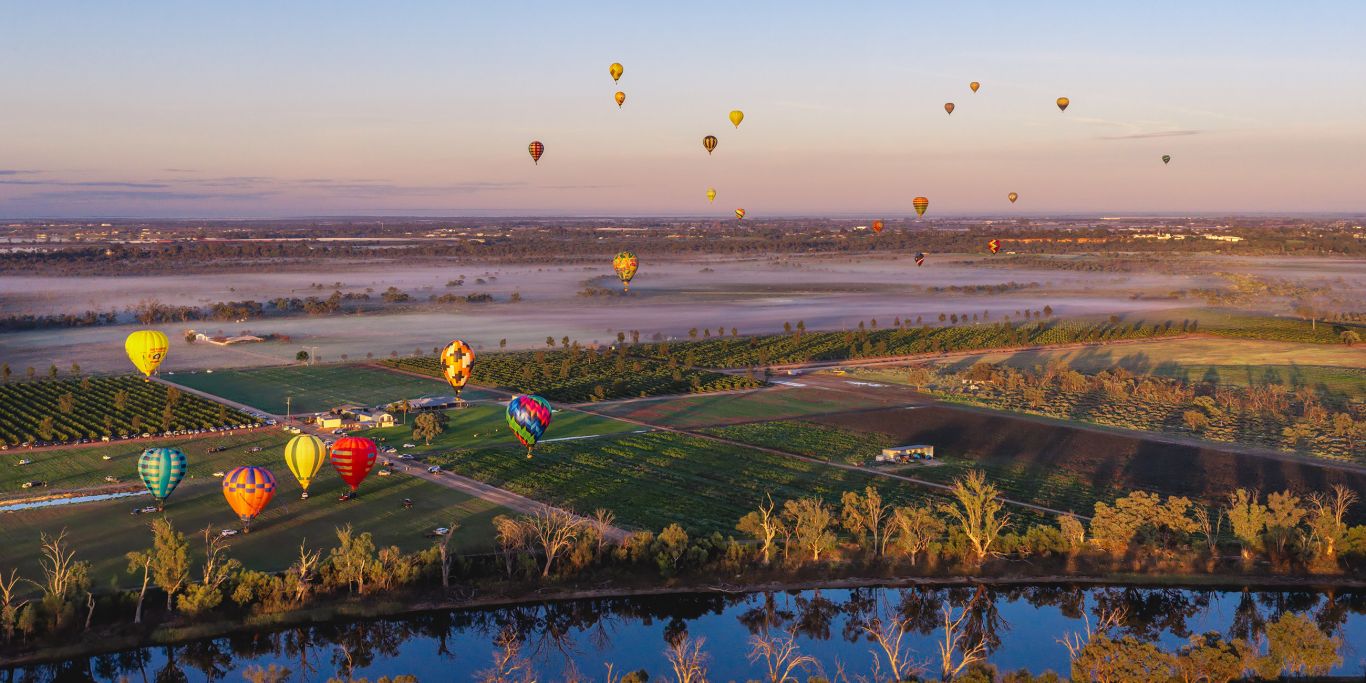
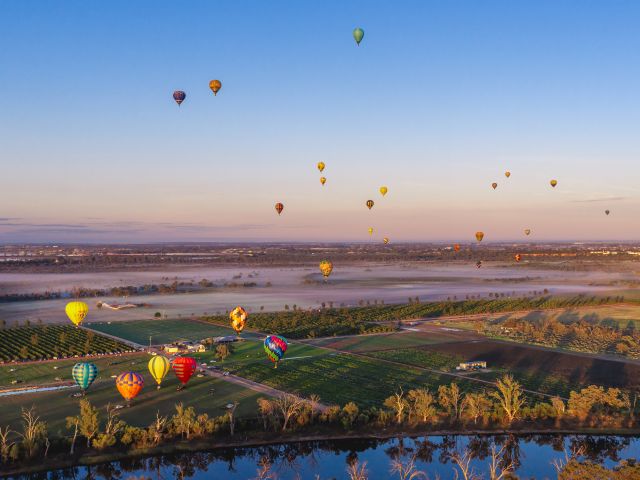
Watch the skies light up with colourful hot air balloons.
Mildura is set for a glow-up when this illuminating winter event comes to town. Around June to July each year, the Balloons Over Mildura takes over the skies. Be sure to catch the festival’s popular Night Glow event, where illuminated balloons light up the evening sky in a choreographed display. Order some fairy floss and a kebab and lay down a picnic rug to admire the colourful designs as they soar above. Little ones are also well looked after with children’s games.
5. The Great Australian Vanilla Slice Triumph
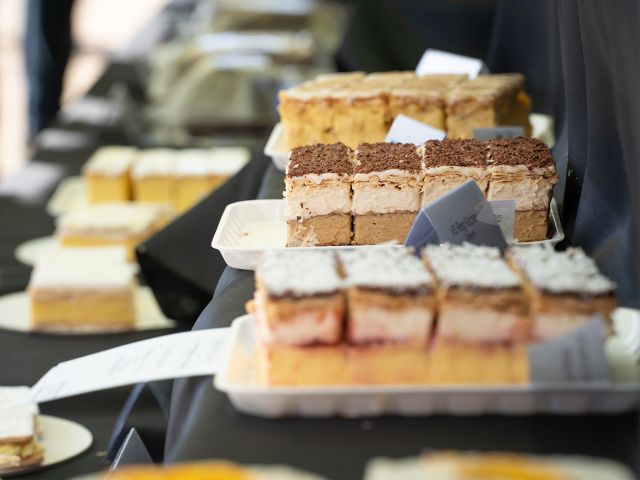
Taste the best vanilla slice in Australia.
The title of ‘best vanilla slice in Australia’ is fiercely contested. With its velvety custard sandwiched between flaky pastry, the iconic Aussie treat – affectionately known as a “snot block” – is a beloved bakery staple for good reason. Since 1998, bakers from all across the country have converged on Commercial Street in Merbein every year to compete in the Great Vanilla Slice Triumph. On 15 August, taste the creamy dessert at numerous stalls, then watch the winner be crowned by six professional baking judges. You’ll also find live music, children’s activities, market finds and vintage cars. May the sweetest treat win!
6. Hattah Desert Race
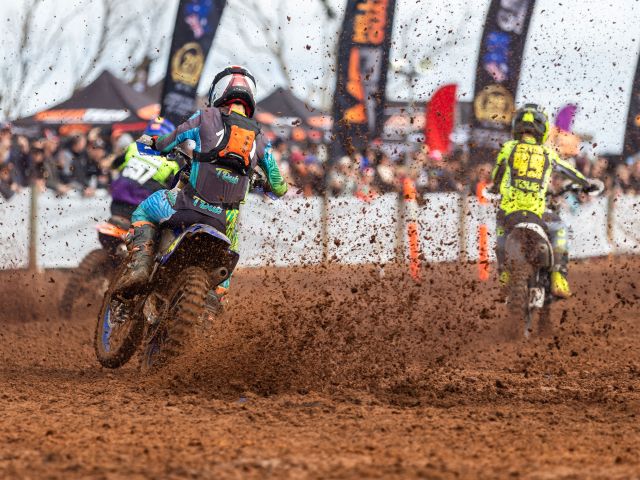
Feel the excitement of Hattah Desert Race, whether you ride or not.
Whether you’re a motorhead or new to the world of racing, experiencing the thrill of off-road motorcycling at Australia’s largest desert race is worth writing home about. In July, the Hattah Desert Race sees nearly 900 junior and senior motorcyclists dash across 300 kilometres of red dirt and sand. Established in 1998, the high-speed enduro race is widely considered the most demanding motorsport race in the country, promising spectators an electrifying weekend up close to the action.
7. Goanna Run
See the best dressed at Goanna Run’s fashion show.
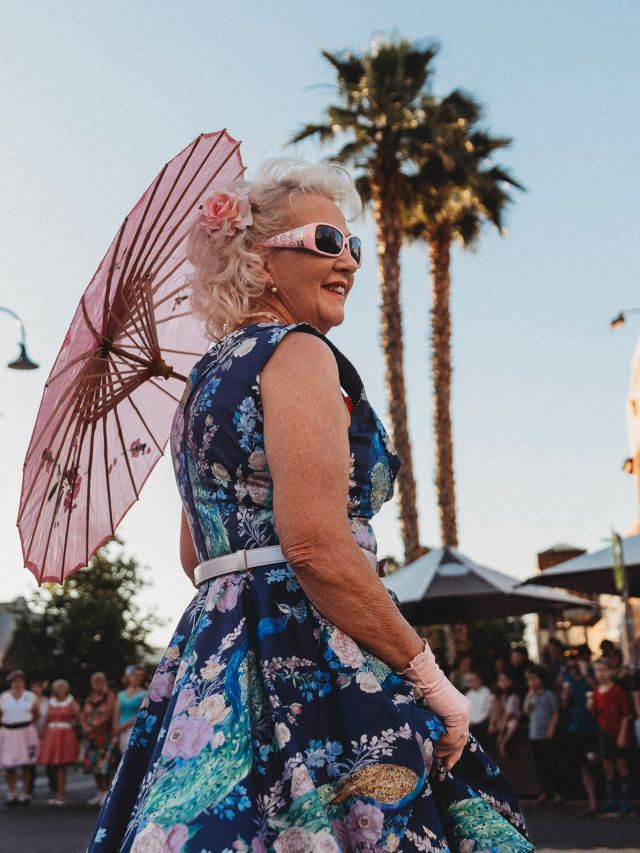
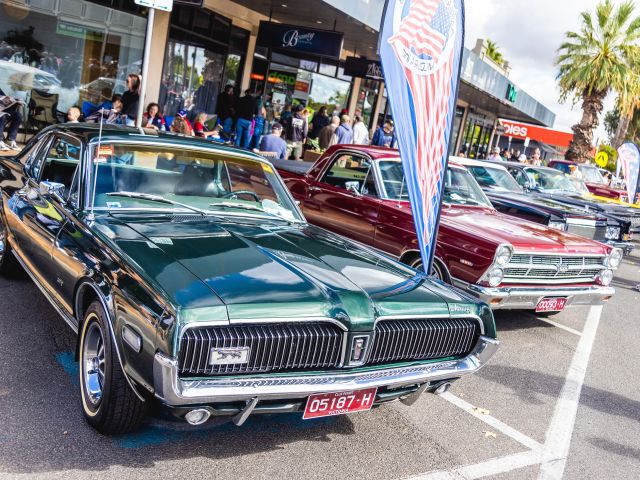
Every year, rev heads from around Australia bring their unique vehicles together for the Goanna Run, a buzzing hot rod and custom car festival. Held from 23–25 October and hosted by the Desert City Rodders, the weekend is a celebration of hot rods, rock ‘n’ roll and food trucks. Marvel at the hundreds of classic and vintage vehicles at Langtree Mall for The Show ‘n’ Shine event, and get some serious fashion inspiration from the ’50s-style fashion show. The events take place next to the picturesque Murray River, so a paddlesteamer cruise is also worth adding to the itinerary.
8. Mildura Easter Powersports Weekend
Become a rev head at Mildura Easter Powersports Weekend.
Go full throttle over the Easter long weekend with the ultimate horsepower party. The Mildura Power Sports Weekend is a multiday racing series held at Timmis Speedway, Sunset Strip and the Murray River, guaranteeing plenty of action and adrenaline. Fuel your obsession for all things motorsports with ski racing, arena motocross, speedway and drag racing events, and up your motor knowledge with organised fan meet-and-greets and talks. The weekend also features live music and family-friendly entertainment.