From pink salt landscapes to oases fringed by forests of red gums, the lakes of this rural region are astounding.
You’re going to find peace and quiet when you take a road trip through the lakes of the Wimmera Mallee region. Whether it’s mirror-like pink salt lakes that look like an inland sea, or lakes fringed by forests of red gums that showcase Victoria’s arid beauty, there’s a lake for you out here somewhere.
1. Lake Tyrrell
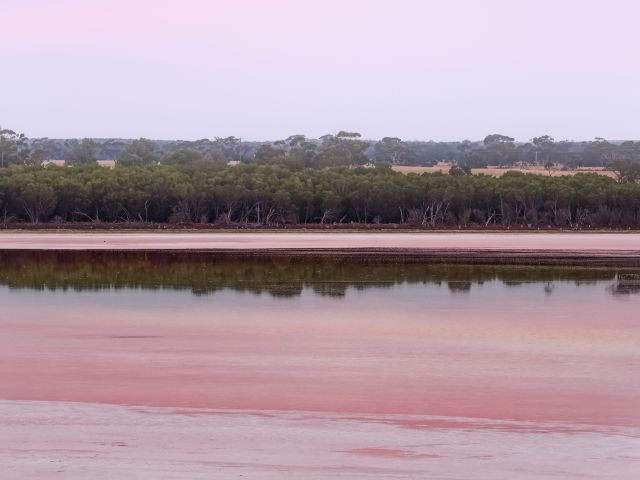
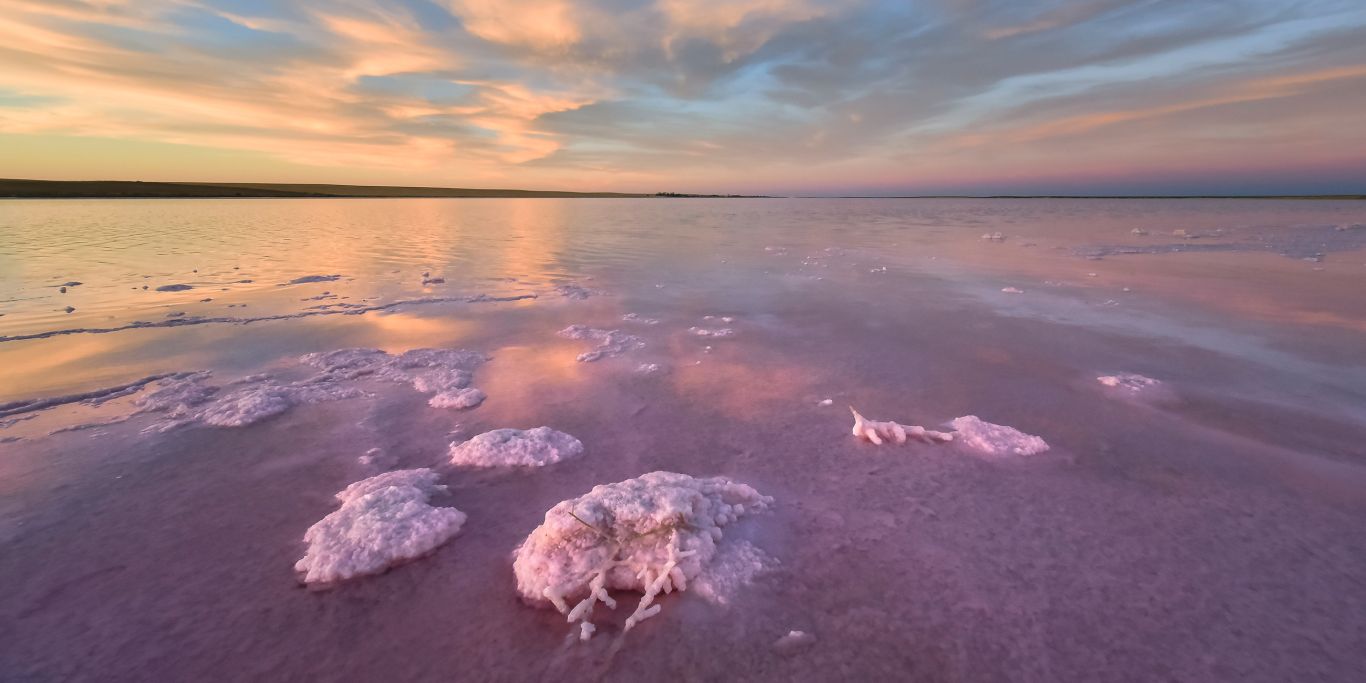
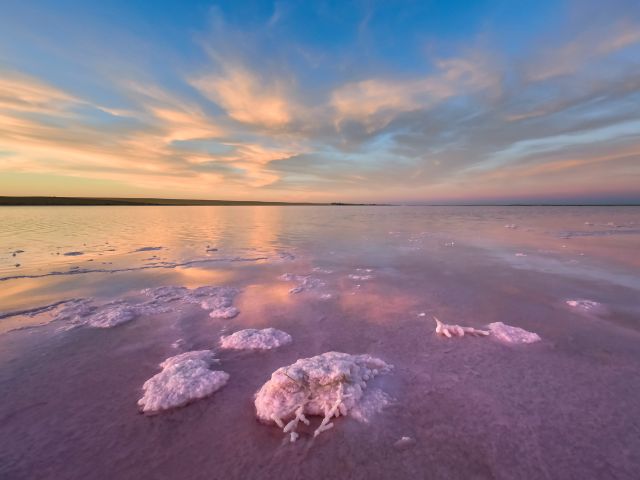
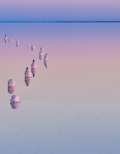
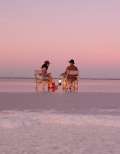
The colours of Lake Tyrrell blend into the sky. (Image: Visit Victoria/Anne Morely)
Located in the dead heart of the Mallee, Victoria’s largest salt lake, Lake Tyrrell, is a landscape photographer’s dream – especially at sunrise and sunset when the pink salt flats look like a gigantic mirror. It’s easy to camp or park a caravan nearby, too, though the tiny town of Sea Lake is just south (with accommodation). In winter, shallow water covers the salt, creating surreal reflections of the sky.
2. Nhill Lake
There’s a permanent water source here, so there’s always plenty of water for water skiing, swimming and fishing (the trout and redfin fishing here is legendary). Located beside the pretty heritage town of Nhill with its main street of historic buildings, there’s options for eating and drinking right next door. There’s also a barbecue area with plenty of shady picnic spots and a boardwalk for walking around the lake.
3. Lake Bringalbert
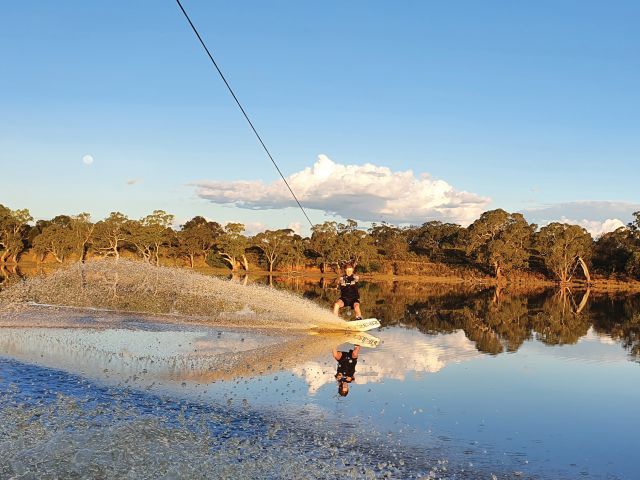
Lake Bringalert is a great spot for aquatic adventures.
Located south-west of the pretty Mallee town of Kaniva, Lake Bringalbert epitomises the best of ‘outback’ Victoria. It’s ringed by red gums and red mallee and feels completely hidden from the world – you’ll barely ever see another person. There’s basic camping on its foreshore and Kaniva offers more accommodation options. It’s the perfect lake for swimming, kayaking and skiing, and the stars at night come without even a hint of city glow.
Need tips, more detail or itinerary ideas tailored to you? Ask AT.
AI Prompt
4. Lake Hindmarsh
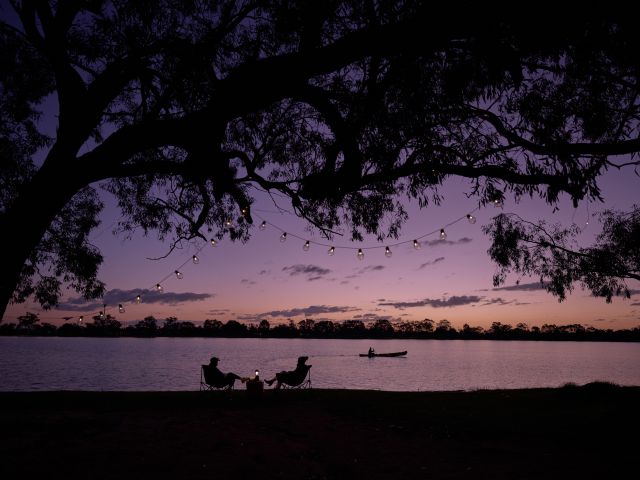
If you’re a bird fan, you’ll love Lake Hindmarsh. Located north of Dimboola, Victoria’s largest natural freshwater lake is like an inland sea full of pelicans, swans and numerous species of ducks – but it also teems with everything from spoonbills to parrots. Sunsets here will blow your mind – the lake is a mirror for the pinks and golds you’ll see on the horizon. There’s free camping spots along the foreshore if you’d like to really contemplate the magic of the lake.
5. Pink Lake
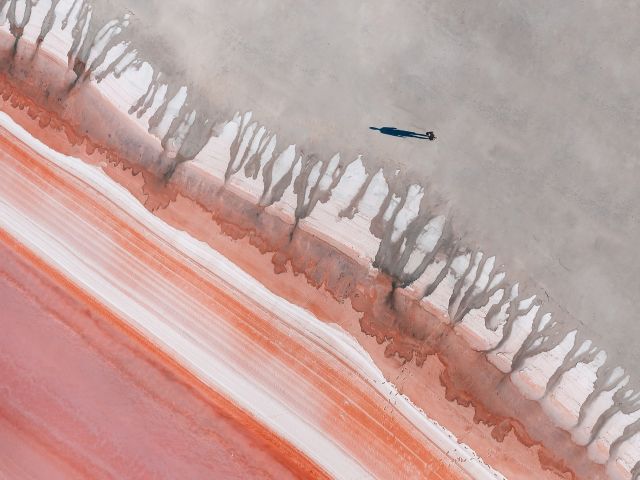
The Pink Lake is most vivid after rain. (Image: Visit Victoria/Anne Morely)
Also known as Loch Lel, the summer months offer up some seriously vivid pink water colour at this lake north of Dimboola. The pink varies throughout the year, but is best after rain (hence why summer is the time to visit).
Pink Lake, also known as Loch Lel, is located near Dimboola in the Grampians. (Image: Tourism Australia)
There’s plenty of birds, including wedge-tailed eagles, but you’re as likely to spot big lace monitors, kangaroos and echidnas. Nearby, check out the uber-cute heritage town of Dimboola and its eclectic shops, and Little Desert National Park, full of walking trails through mallee heathland.
6. Lake Lascelles
You can camp at Lake Lascelles.
On a hot summer’s day, there’s nowhere better for a cooling dip, kayak or boat ride. You can camp by the lake, or at powered caravan sites – or the pretty town of Hopetoun offers numerous accommodation options a short walk away. At night you’ll see the lights of Hopetoun reflect off the lake. Fish for yellow belly, redfin or catfish, or try water-skiing. There’s also a great walking trail around the lake, where there’s more birds than you can count.
Want to see more stories from Australian Traveller in your Google search results?
Tick the box next to "Australian Traveller". That's it.
Craig Tansley has been a travel writer for over 20 years, winning numerous awards along the way. A long-time sucker for adventure, he loves to write about the experiences to be had on islands, on the sea, in forests or deserts; or anywhere in nature across Australia, and the world.
A world away from the hustle, bustle and chaos of the big smoke – yet with a distinct sense of familiarity – Victoria’s Wimmera Mallee region is an incomparable place.
Victoria’s Grampians are a visual feast, a seemingly endless vista of craggy cliffs, rolling valleys and untamed bushland. But they’re also much more than a scenic mountain landscape. Diverse and storied, each region within the range has its own rhythm. The Wimmera Mallee – a pocket in the state’s north-west, stretching from Horsham to near Mildura – is one of the most captivating.
Once known as Victoria’s agricultural heartland, the Wimmera Mallee has evolved in recent years into a dynamic, slightly offbeat hub. It buzzes with a creative hum and welcoming energy, and harbours an eclectic mix of long-time locals and tree-changers. Once you encounter its unmistakable charm, feel its warm country hospitality and taste its nationally celebrated vanilla slice, you may find yourself lingering longer than planned.
Eager to explore? These must-visit spots let you experience the inimitable spirit of this special part of the world.
Wimmera Mallee’s quirky attractions
Step into the whacky Dimboola Imaginarium. (Image: Denis Bin)
If you’re after something a little more unconventional, the Wimmera Mallee delivers in droves.
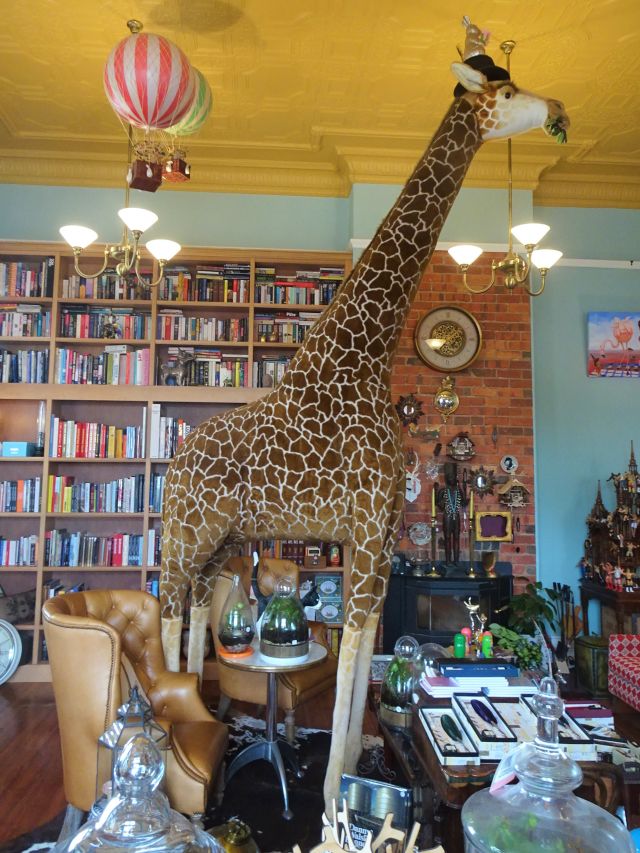
The Dimboola Imaginarium – located in a historic bank building in its namesake town – is a gift shop and boutique accommodation in one. Shop for unique and whimsical keepsakes, stay overnight in an elegant themed room, and lose yourself in one of the Imaginarium’s interactive experiences.
Also in Dimboola, just a short drive from the Imaginarium, is a menagerie of utter delight. Tiny Goats and Co. is home to a herd of miniature goats, with the farm offering group visits and special events like goat yoga and cuddle sessions.
Arcade aficionados should visit the Australian Pinball Museum in nearby Nhill. Here, you’ll find the biggest selection of playable pinball machines in the country, featuring modern models and classics dating all the way back to 1931.
Arts and culture in Wimmera Mallee
Step into history at the Stick Shed. (Image: Visit Vic)
As a thoroughly creative community, it’s no wonder the Wimmera Mallee has a host of venues focused on its rich arts and culture scene.
Wander Trickbots Metal Art & Sculpture Garden in Nullawil, a winding trail filled with unique and quirky creations fashioned from metal odds, ends and scrap. A walk through the garden is inspiring enough, but consider buying a piece to take home and treasure.
The town of Nhill also has a significant Karen-Burmese refugee community, who make up 10 per cent of the local population. Discover the artistry of this vibrant culture at Paw Po, where you can purchase traditional hand-woven and textile products. Choose from a selection of beautifully crafted homewares, fashion and dolls.
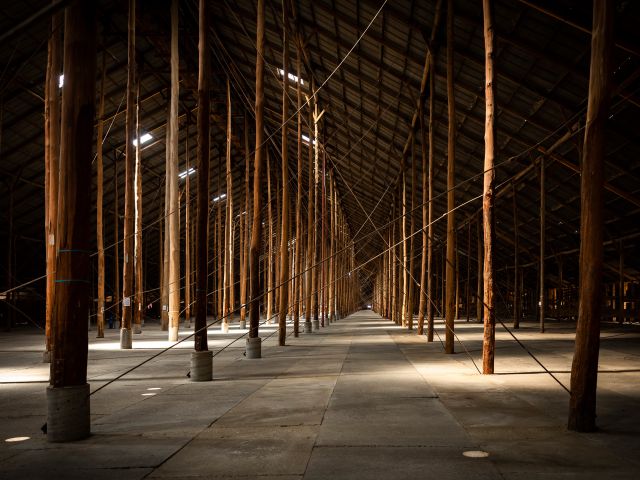
Step into the Wimmera Mallee’s storied history at the Stick Shed, the only WWII emergency grain store still standing today. This National Heritage-listed structure takes you on a journey through the region’s agricultural past and is a dramatic sight with its towering and eerily striking timber poles.
Nature escapes around Wimmera Mallee
Take in the pink hues of Lake Tyrrell. (Image: Visit Vic)
Much like the majestic beauty of the wider Grampians, the Wimmera Mallee is a mélange of serene and spellbinding nature escapes.
Victoria’s pink lakes are famed nationwide, and two of them are found right here. See the flamingo-pink hues of Loch Iel, particularly vivid after a heavy downpour, or the vast and ancient Lake Tyrrell, which turns pink during wet and warm conditions.
The Snowdrift dunes in Wyperfeld National Park are ideal for adventurers. Set amid the area’s semi-arid landscape, the dunes are expansive mounds of sand deposited around 40,000 years ago. Hike or sandboard them and make sure to visit at sunset, when the sand glows golden.
And while some travellers chase the highest peaks, you can see the most modest in the Wimmera Mallee. Standing a mere 43 metres above the surrounding terrain, Mount Wycheproof is considered the smallest registered mountain in the world. Courtesy of its relatively gentle inclines, it’s a lovely spot for a walk and a picnic.
Culinary adventures in Wimmera Mallee
Meet the locals at Border Inn.
As a region rich in agricultural bounty, it’s little surprise the Wimmera Mallee has such a robust and vibrant food scene. The community is fiercely proud of its local produce, showcasing the flavours and heritage of the area.
The Border Inn in the village of Apsley is a quaint country pub and meeting spot for the local community, featuring a classic country menu and warm hospitality.
The Horsham Golf Club is a popular spot for golf buffs with an adjoining bistro and bar. Try a modern twist on hearty favourites while taking in views of the green.For a taste of the area’s vintages, head to Norton Estate Wines – a boutique wine producer and cellar door open weekends.
A Wimmera Mallee jaunt wouldn’t be complete without a visit to the famed Sharp’s Bakery in Birchip. Here, you’ll find a velvety vanilla slice that’s been crowned as Australia’s best seven times.
Wimmera Mallee accommodation
Escape to Fulham Homestead.
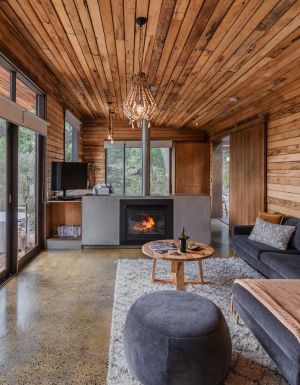
If you’re enjoying an extended trip, you’ll need somewhere to rest.After a day tackling Wyperfeld’s epic dunes, visit Pine Plains Lodge, also in the national park. Built from reclaimed timber planks and logs, and anchored by rugged stone fireplaces, the lodge is a rustic and cosy hideaway.
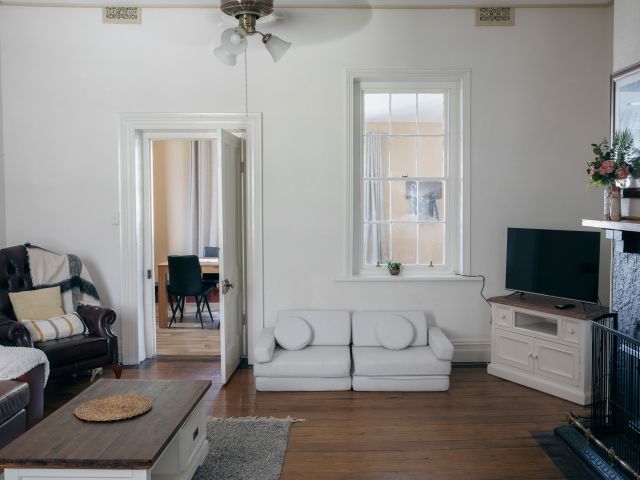
For a refined yet relaxing escape, head to Fulham Homestead – a gorgeously restored guesthouse on an idyllic working farm, complete with farm animals and scenic vistas. Built in the 1840s, it has all the elegance and charm of its heritage, plus contemporary comforts like a modern kitchen, wi-fi and air-conditioning.
The Hermitage Hotel is Victoria’s oldest inland pub and an equally delightful blend of old and new. The restored rooms are perfectly appointed and adorned with period furnishings and high-quality linens. The pub itself is a favoured food and wine spot among locals and travellers alike.
If camping is more your style, the Lake Lascelles Cabins and Camping (formerly Mallee Bush Retreat) is a sprawling oasis with powered and unpowered sites and snug cabins. The setting is stunning too, the pristine Lake Lascelles sitting right in its centre.
Annual events
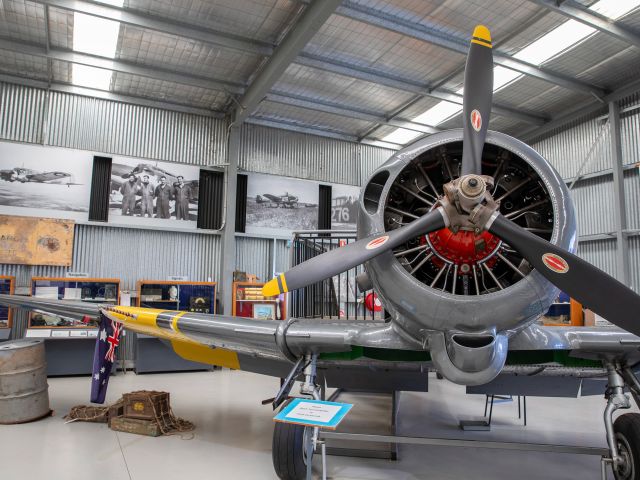
Time your visit to Nhill Aviation Museum for the annual air show.
You may not need an excuse to revisit the Wimmera Mallee, but these annual and bi-annual events will almost certainly have you returning again and again.
Each year, the Lake Chalegrark Country Music Marathon takes over the town for a spectacular line-up of musicians from around Australia. The event is easygoing, family-friendly, and set in scenic surrounds on the shores of Lake Charlegrark.
Every two years, the region holds colourful events like the Wimmera Steampunk Festival, a raucous celebration of 19th-century steampunk culture with a different theme each time; the Nhill Air Show, which features jaw-dropping aerial stunts, aircraft displays, music, activities and more; and the Nati Frinj, a festival of art, culture and performance showcasing the many talents of the Natimuk community.