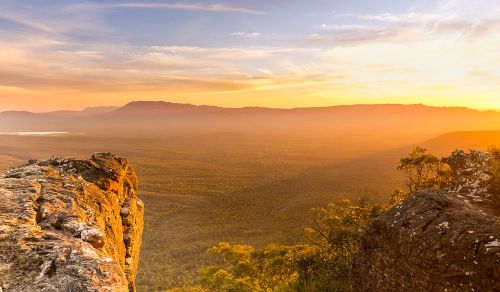
The Grampians road trip is the road trip with it all, but one you’ve probably never done before, writes Phil Hawkes. Melbourne (or Adelaide) to the Grampians is a drive that offers delicious mix of cute historic towns, wineries, luxury experiences and plenty of the great Australian outdoors too.
Looking for a short break from Melbourne or Adelaide? Done the Ocean Road before? Driven Gippsland? It’s time to head to the Grampians.
That was my situation. The result: four days’ and three nights’ touring through Victoria’s Western Districts of flat grazing lands, straight roads followed by curvy hilly terrain with craggy peaks and verdant valleys to admire.
It’s an easy drive, with many options for breaks along the way, and a variety of interesting accommodation choices on offer. There’s much to see and do. Here are my highlights:
Ballarat
1. The ideal first stop if you’re leaving from Melbourne. Well known for its Gold Rush history, heritage-listed Victorian buildings, beautiful parks and gardens, and Lake Wendouree.
2. Great coffee (this is Victoria), many choices. Aim for Lydiard Street and Sturt Street. Try a chilli hot chocolate at Harvest Food Store and Café.
3. Historic Craig’s Royal Hotel for lunch in the Victorian-era Gallery Bistro. Or try the legendary high tea.
4. The Museum of Australian Democracy at Eureka for a history lesson, especially if you have kids. They’ll appreciate the interactive displays and the original Eureka flag.
5. Fill up with fuel on the outskirts of town – it’s much cheaper than where you’re going!
Next: Ballarat to Glenthompson 90 mins
Glenthompson
1. This quiet Glenelg Highway town is worth a break from the long, straight road.
2. The murals of St Peter’s Church are described, rather optimistically, as Victoria’s answer to the Sistine Chapel.
3. Try Grampians Pure Sheep Dairy for the best sheep cheese and yoghurt around. Talk to enthusiastic young farmhands Daniel or Ryan.

Next: Glenthompson to Dunkeld 15 mins
Dunkeld

1. Be sure to explore the back streets of Dunkeld – you might be surprised at what you’ll find.
2. The Old Bakery serves genuine French pâtisserie and bread baked in the original 1886 oven. The chocolate croissants are to die for.
3. Dining at the highly awarded Royal Mail Hotel is a culinary experience to be savoured, especially the degustation menu.
Next: Dunkeld to Hamilton 30 mins
Need tips, more detail or itinerary ideas tailored to you? Ask AT.
AI Prompt
Hamilton
1. The region’s biggest city, centre of the agricultural industry, was once known as “the wool capital of the world".
2. Ideal for an overnight stopover in one of several B&Bs. Try Mourilyan House in town or Pierrepoint Winery just south of the city.
3. Hamilton Art Gallery is rated as one of Australia’s finest regional collections, including the watercolours of famous English artist Paul Sandby.
4. The impressive William Guilfoyle-designed Botanic Gardens is an ideal spot for a picnic lunch or tea.
Next: Hamilton to Halls Gap 75 mins
Halls Gap – the heart of the Grampians

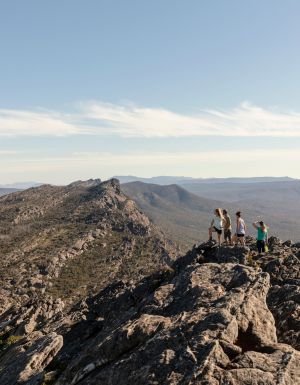
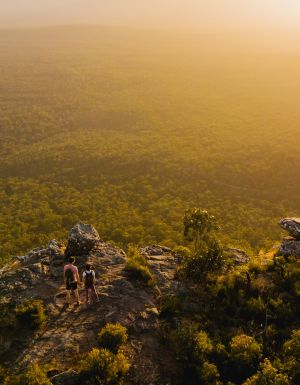
Now known by its traditional Indigenous name Gariwerd, the Grampians National Park attracts visitors from all over the world for its natural beauty, plentiful wildlife and adventure sports.

1. Stop at the Brambuk Cultural Centre on arrival for park information, accommodation bookings and interactive displays of Indigenous and Colonial history.
2. Book a tour to some of Australia’s best rock art sites, such as Bunjil’s Shelter, and several other caves.
3. There are more than 160km of walking trails, including a 33km trek with overnight camping facilities. (We managed the 2km walk to Venus baths easily, but our more adventurous friends went on to Mackenzie Falls, which they said was spectacular).
4. Try canoeing, fishing, horse riding, quad biking. Kayaking on Lake Wartook is a special adventure for kids, and there are many abseiling sites for more extreme exertions.
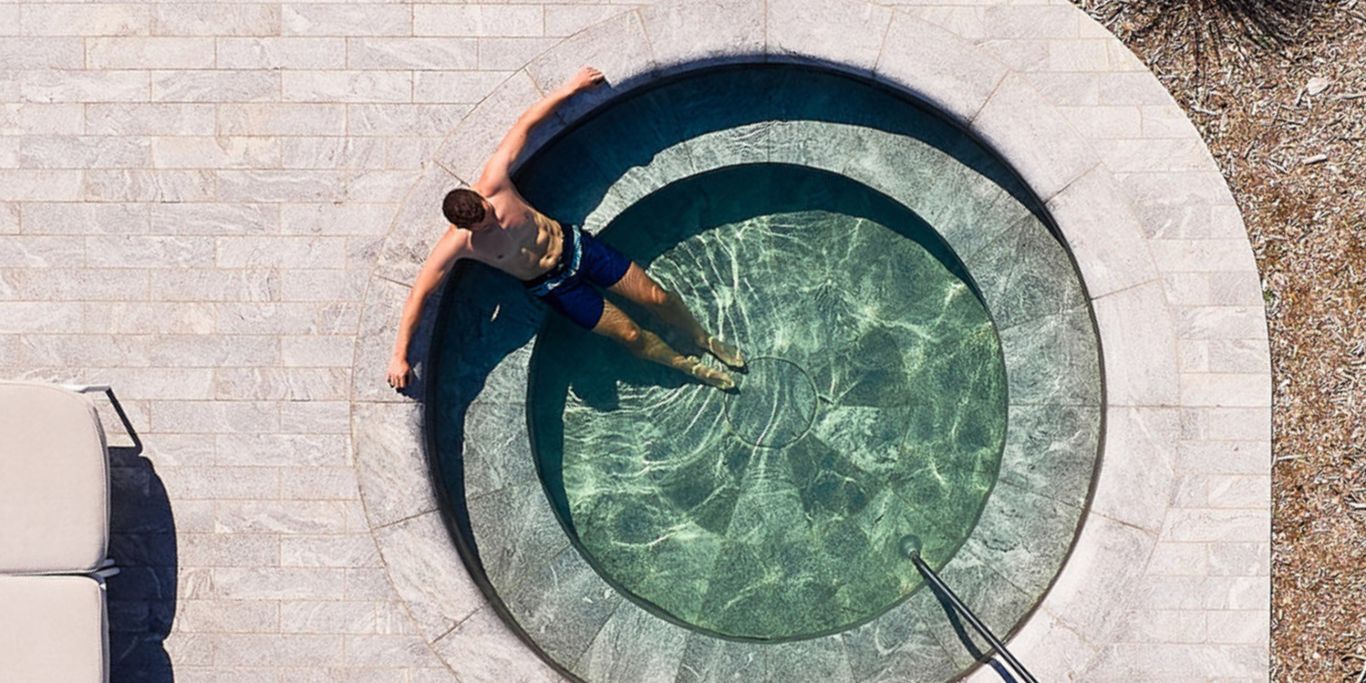
5. A wide range of accommodation is available, from campsites to five-star luxury at Boroka Downs Retreat (in total seclusion, 6km from town, south west along Ararat-Halls Gap Road).
6. Its well-appointed chalets have log fires, spa bath, first-class breakfasts – and inquisitive wildlife at your door.
Next: Halls Gap to Great Western 30 mins


Weekly travel news, experiences
insider tips, offers, and more.
Great Western
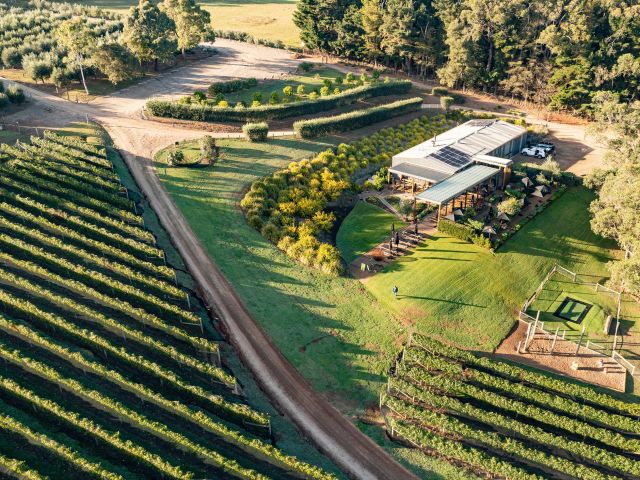
With wineries dating back to the mid-1800s, this pioneer village is known as the birthplace of Australia’s sparkling wine industry. You’ll find many opportunities for local wine and cheese tastings in the area. Top choices include:
1. Best’s Winery, still a family-run business producing classic drops including award-winning Shiraz blends.
2. Seppelts Great Western, with labyrinthine cellars to explore and then taste the famous bubblies.
3. Grampians Estate, voted Best Small Cellar Door for wine and cheese tastings plus great coffee.
Next: Great Western to Beaufort 45 mins
Beaufort

On the Western Highway, it’s a pleasant village dotted with cafes and craft shops.
1. One of the state’s most picturesque wineries is nearby at Mt. Langi Ghiran. Taste the fragrant pinot noir.
2. Overnight in a restored 1850s country manor at Eurambeen Homestead with its three-acre garden designed by Edna Walling. The farmhouse roast dinners alone are worth the trip.
Finish: Back past Ballarat to Melbourne to edit the hundreds of photographs or videos you’ve accumulated…
More: Planning you next road trip? See Australia’s best driving holidays
Want to see more stories from Australian Traveller in your Google search results?
- Click here to set Australian Traveller as a preferred source.
- Tick the box next to "Australian Traveller". That's it.

Editor
View profile and articles