hero media

Australia’s best festival town is hiding at the end of the Great Ocean Road

Port Fairy is the festival town that has no off-season.

I’ll be honest: I didn’t think a town of 3000 people at the end of the Great Ocean Road could feel like a city that never sleeps. Then I started scrolling through Port Fairy’s events calendar and realised I’d need to book multiple trips to tick everything off. Jazz in February. Folk in March. A whole month of summer revelry over Christmas. Fireside warmth in June. Arts and blooms in spring. This is not a one-trip town – it’s a year-round obsession disguised as a sleepy Victorian fishing village.

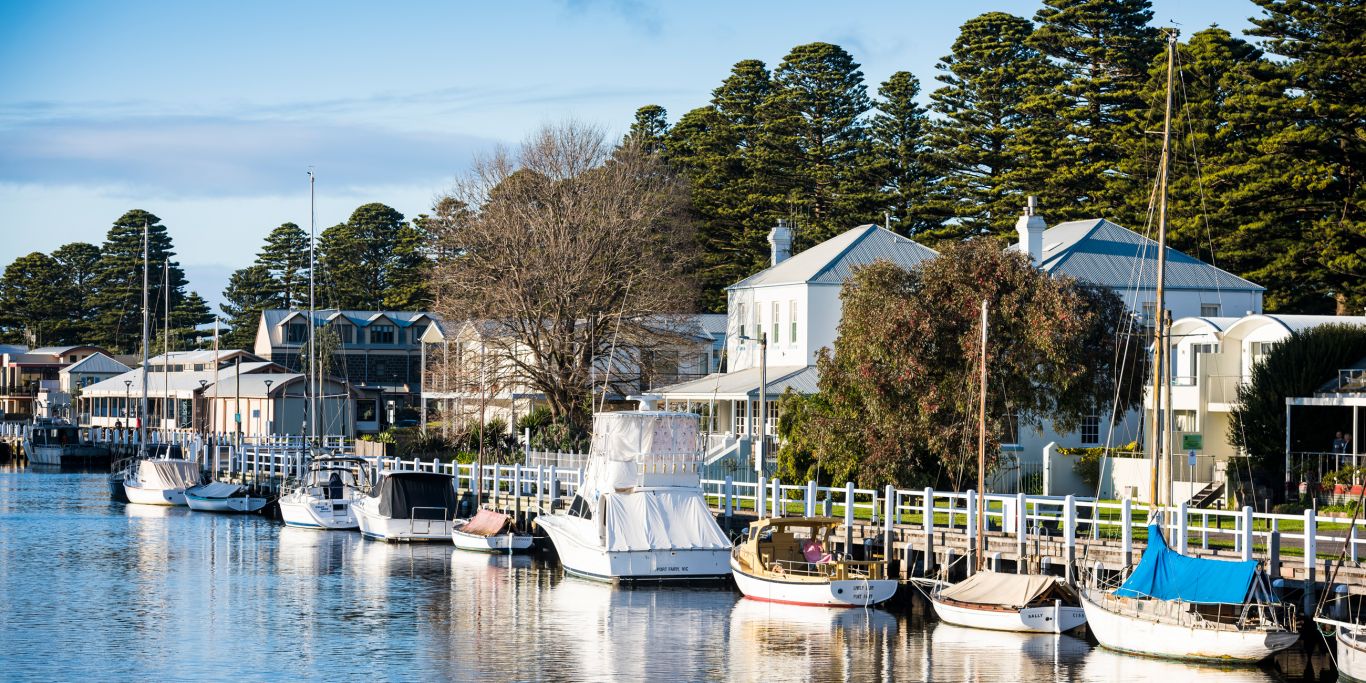
Port Fairy was ranked fourth in Australian Traveller’s 100 best Aussie towns to visit list, but it also took the category win for the best town for festivals and events, too, as voted by an expert panel. For a place where whitewashed bluestone cottages line streets canopied by ancient moonah trees and the Moyne River meets the Southern Ocean in a blaze of gold, it’s the cultural heartbeat that truly sets it apart from its Great Ocean Road neighbours.

Meet the sleepy Victorian fishing village that never actually sleeps. Port Fairy has just been named Australia's number 4 best town and the best town for festivals and events in our 100 Best Aussie Towns! Once you see the events calendar, you'll understand why. Folk in March. Jazz in February. A whole month of summer revelry. Fireside warmth in June. Port Fairy is the festival town that has no off-season.

The event that put Port Fairy on the map
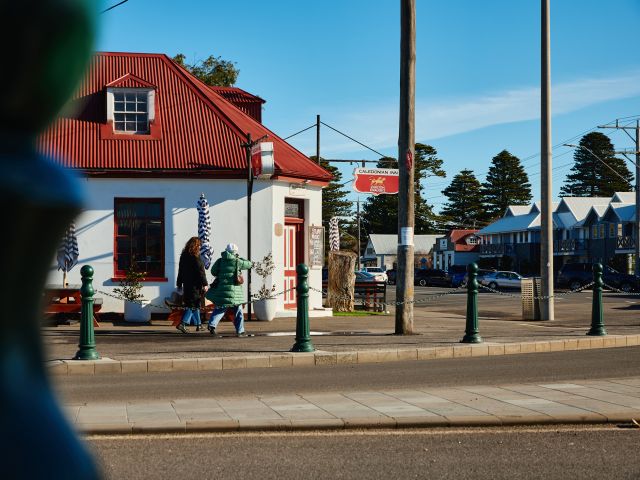
Streetscapes in Port Fairy on the Great Ocean Road
Pubs become stages during the Port Fairy Folk Festival. (Credit: Peter Foster)

Every conversation about Port Fairy eventually leads to the same place: the Port Fairy Folk Festival. Held over the Labour Day long weekend in March, it’s one of Australia’s most beloved and longest-running music events, drawing national and international folk, roots and blues artists to an intimate coastal setting that makes even headline talent feel like they’re playing just for you.

The magic isn’t just the lineup – though the lineup is consistently brilliant. It’s the way the whole town leans in. Pubs become stages. Parks fill with picnic blankets and the sound of banjos drifting on the sea breeze. Even if you’ve never considered yourself a folk person, you’ll leave a convert. Accommodation books out months in advance, so if the 2027 festival is on your radar, start planning now.

A festival for every season
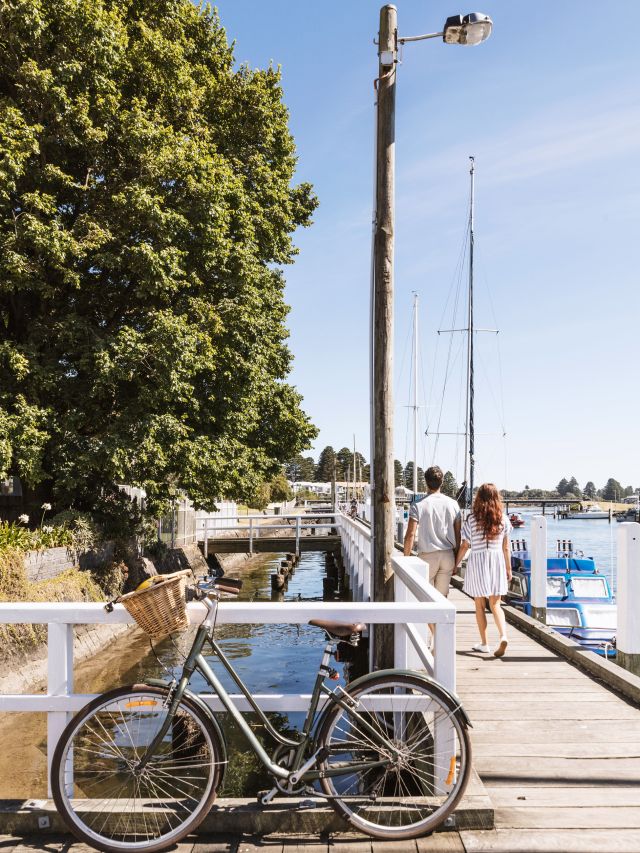
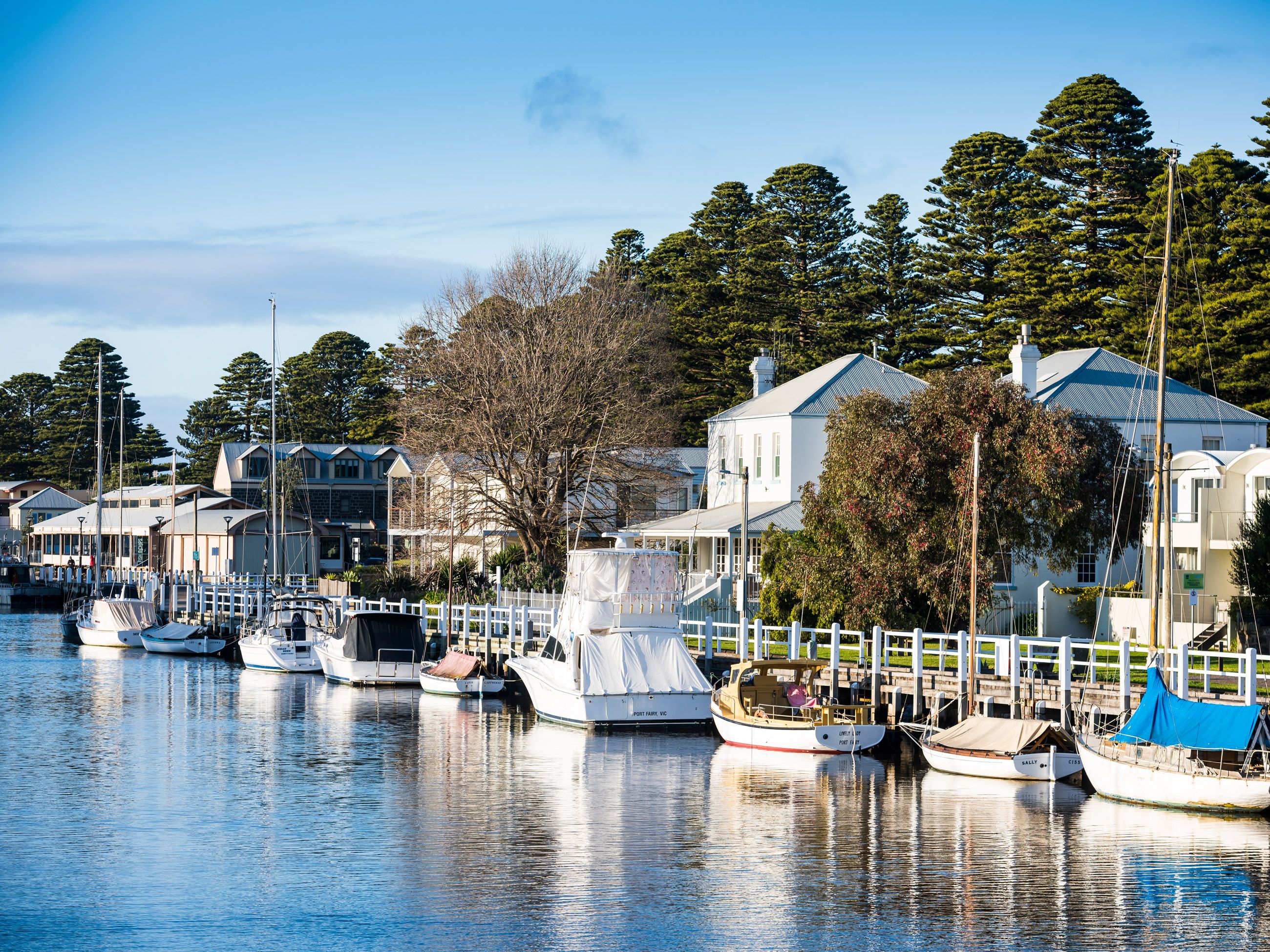
Waterfront in Port Fairy on the Great Ocean Road
Port Fairy is the festival town that has no off-season.

What makes Port Fairy genuinely exceptional is that the Folk Festival isn’t an anomaly – it’s the headline act of a packed annual program. Here’s how to plan a year of visits around it.

Summer – Moyneyana Festival: The town transforms over the holiday season with this month-long celebration of community spirit. Daily activities, live music, markets and family-friendly entertainment make this the perfect time to bring the whole crew. Think long evenings by the river, local produce stalls, and that particular coastal-summer magic.

Autumn – Port Fairy Jazz Festival: Just before the folk crowds arrive, jazz fans descend for a weekend of traditional and mainstream performances across more than 100 acts at multiple venues. It’s a more intimate affair – and the restaurant bookings are a little easier to score.

Winter – Winter Weekends: Port Fairy in winter is a revelation. When the tourist crowds thin and the fire pits come out, the town’s personality shifts into something cosier and more local. Port Fairy Winter Weekends celebrate the season with food, warmth and community events that feel genuine rather than manufactured. If you want to see Port Fairy as the locals live it, this is your moment.

Spring – Spring Music Festival: As the weather turns and gardens bloom, the Port Fairy Spring Music Festival brings arts and community celebration to the fore. It’s a gentler pace – perfect for wandering over schedules – though with Port Fairy’s dining scene at its most vibrant in the run-up to summer, you’ll want to book dinner early regardless.

Need tips, more detail or itinerary ideas tailored to you? Ask AT.
AI Prompt

More than a festival town

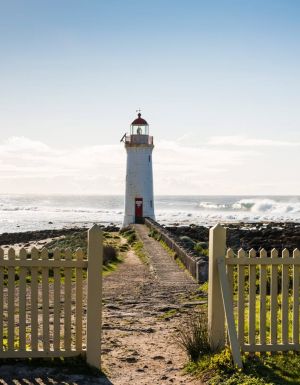
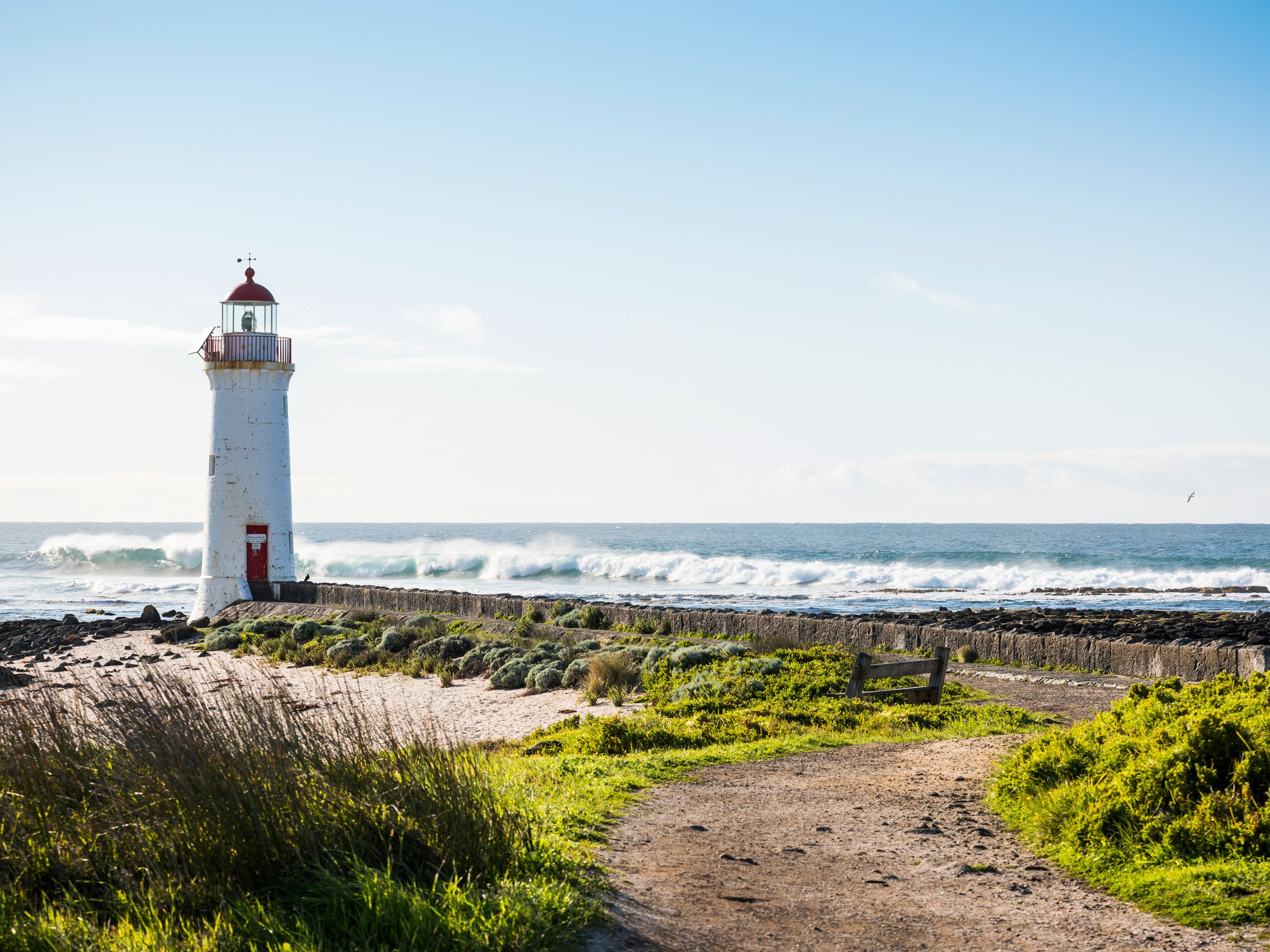
Lighthouse in Port Fairy on the Great Ocean Road
Explore the lighthouse on Griffiths Island.
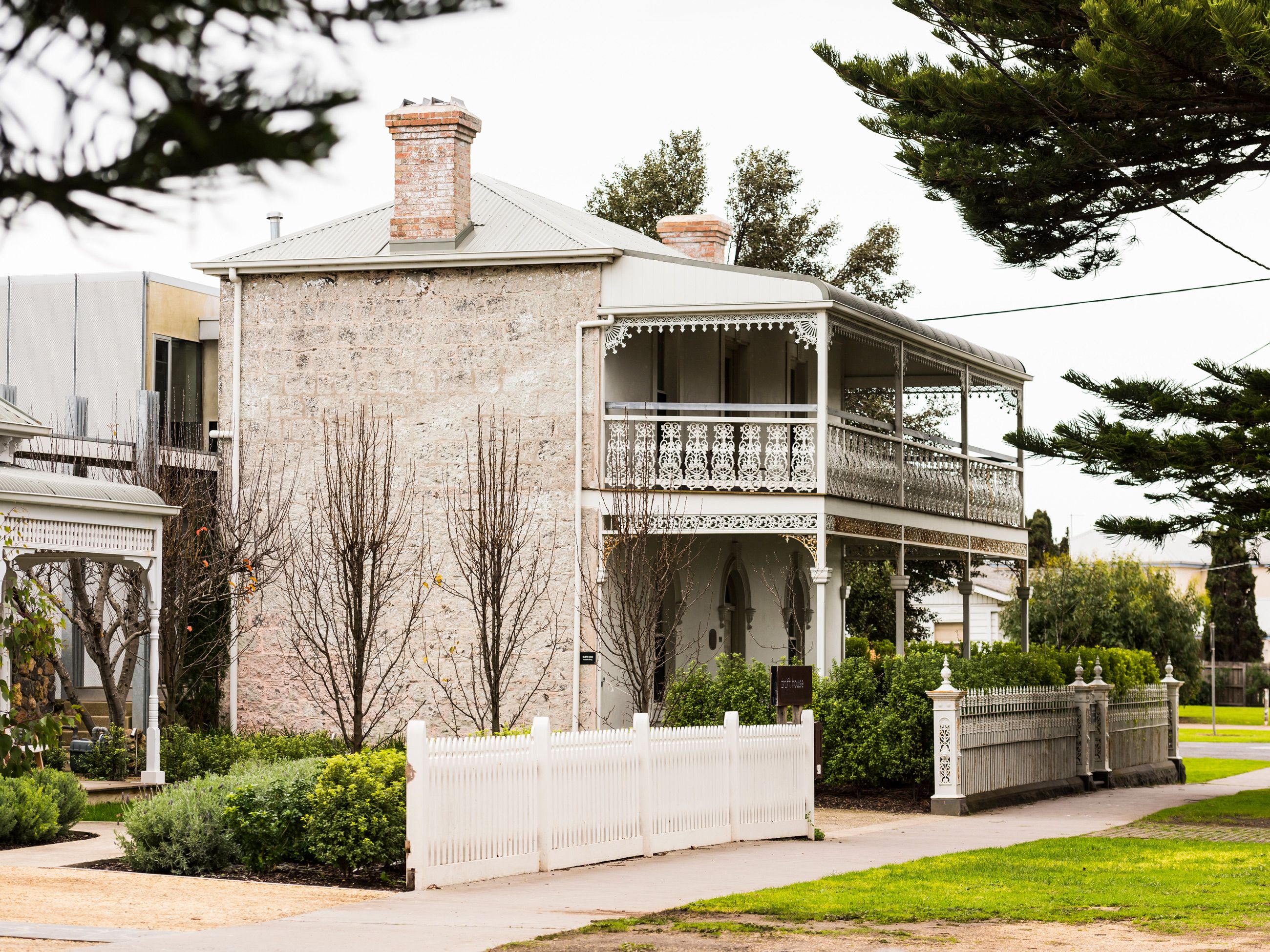
Drift House boutique accommodation in Port Fairy on the Great Ocean Road
The heritage buildings bring character to the town.
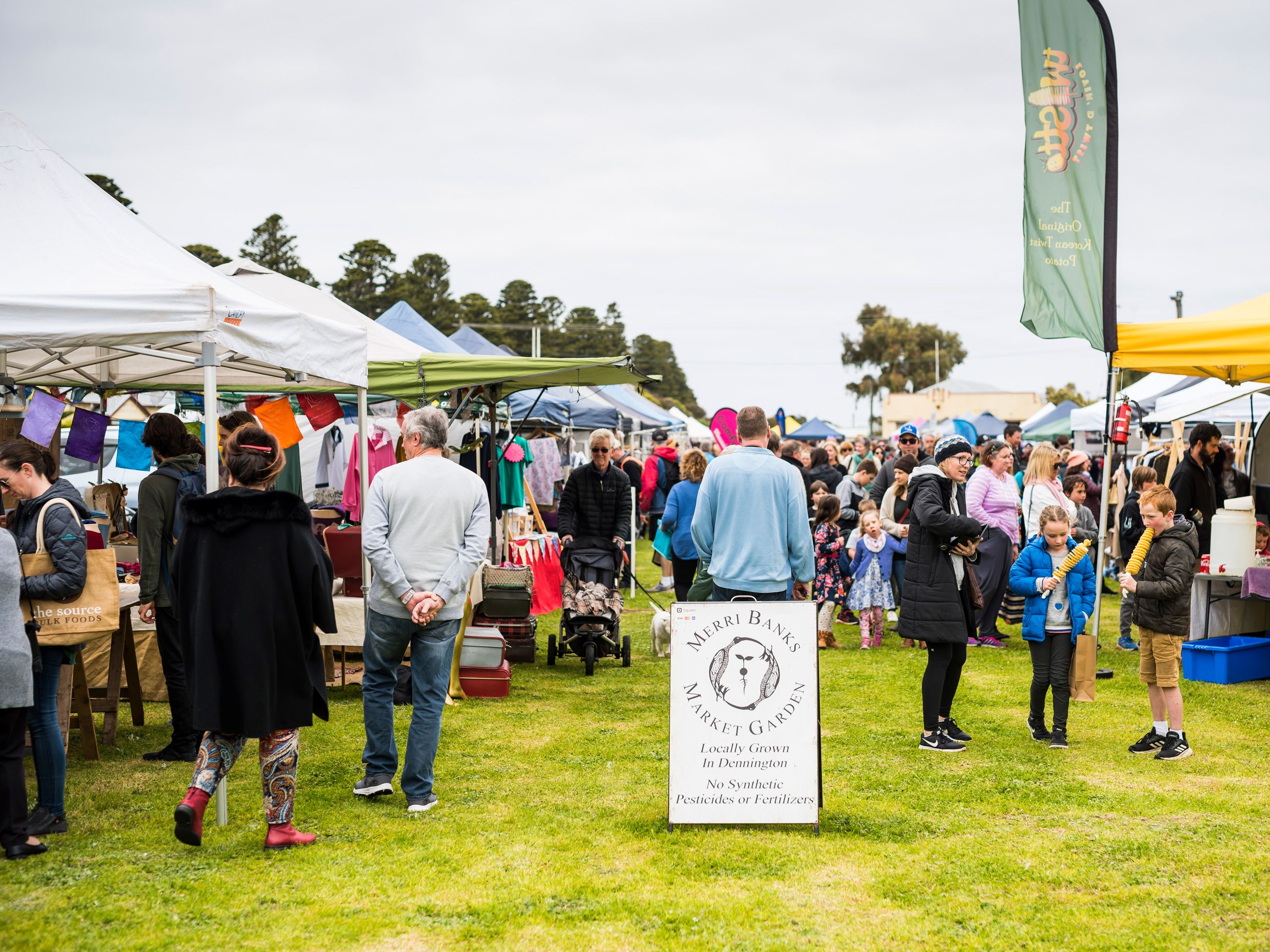
Port Fairy Farmers Market on the Great Ocean Road
Visit the Port Fairy Farmers Market.
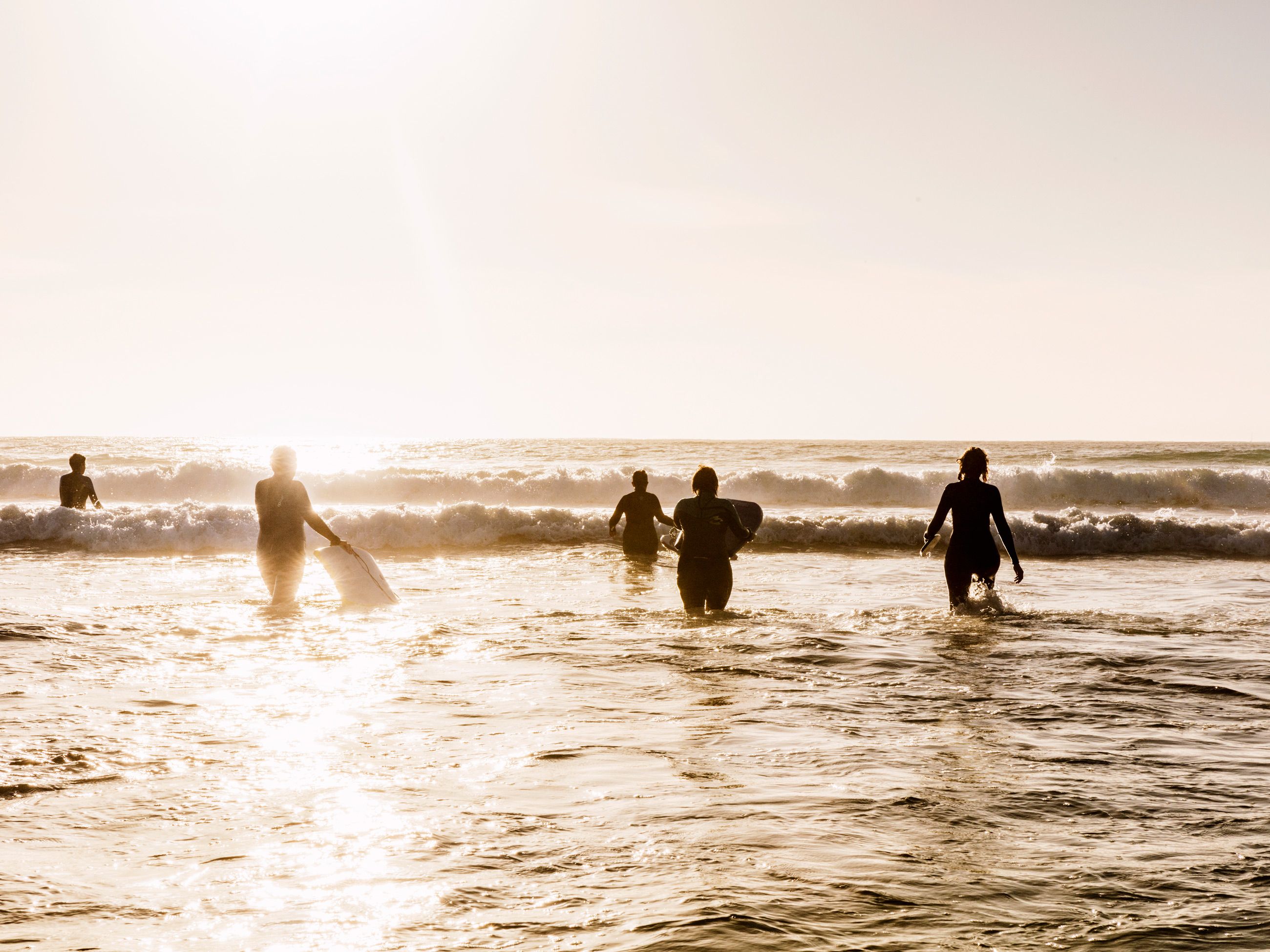
People surfing at sunrise in Port Fairy on the Great Ocean Road
Surfing is big in Port Fairy.

On any given weekend, you might stumble across the Port Fairy Farmers Market overflowing with local produce, an art and craft day, a community film screening, or a street event that has half the town out with a glass of something Victorian in hand.

Beyond the calendar, the town itself is stunning. Griffiths Island – a short walk from the centre – is home to a lighthouse and a colony of short-tailed shearwaters (muttonbirds) that put on one of nature’s great daily spectacles at dusk. East Beach is a long, dramatic stretch popular with surfers and walkers, and the working fishing fleet still comes in with the morning catch, keeping things real in the best possible way.

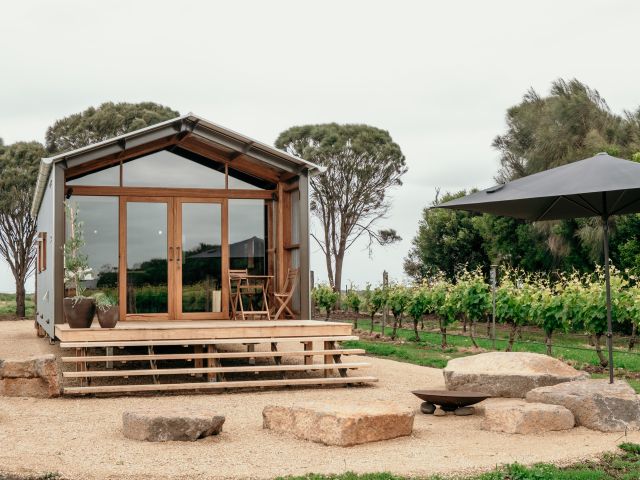
External shot of the Pinot Noir villa at Basalt Retreat near Port Fairy on the Great Ocean Road
Basalt Retreat is the only vineyard accommodation on the Great Ocean Road.

For accommodation, forget the standard motel playbook – Port Fairy and its surrounds have options that are genuinely part of the experience. I stayed at Basalt Retreat, in the Pinot Noir villa. Set within a 24-year-old working vineyard just minutes from town, this adults-only escape is the only vineyard accommodation on the Great Ocean Road – and the detail is exceptional. Architect-designed, with soft tones, floor-to-ceiling light, a private deck facing the pinot rows, and a breakfast hamper of local produce waiting each morning (think organic yoghurt, fresh pastries and properly good coffee).

Why Port Fairy over its Great Ocean Road rivals?

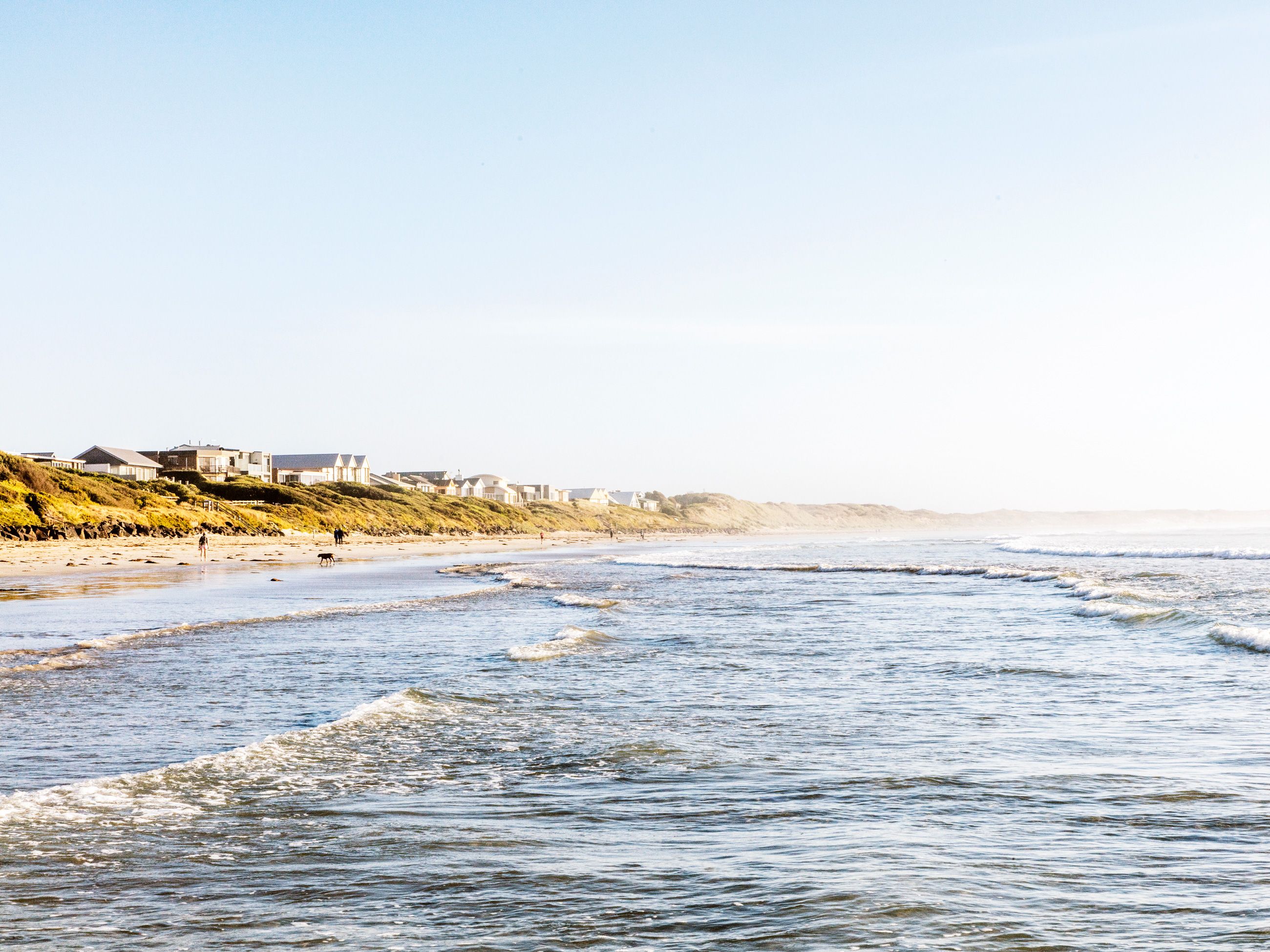
Beach in Port Fairy on the Great Ocean Road
Port Fairy has a genuine sense of place.
Port Fairy Riverside Walk on the Great Ocean Road
Walk along the Port Fairy Riverside Walk.

Lorne has its surf-town cool, and Warnambool has its hot springs and walks, but Port Fairy has something harder to engineer: a genuine sense of place. It sits at the end of the road – literally, where the Great Ocean Road officially concludes – and it has the feeling of a destination rather than a stopover. People don’t drive through Port Fairy; they come specifically for it.

The bluestone heritage buildings, the working waterfront, the community events that fill the calendar, not because tourism demands it but because the locals simply love to celebrate – these are things Port Fairy has earned over 200 years of coastal life. Add the festivals, and you have arguably Victoria’s most complete small-town experience.

Weekly travel news, experiences
insider tips, offers, and more.

How we chose the winners

Australian Traveller’s 100 best Aussie towns to visit were selected by a voting panel of much-loved Australians, industry experts and category authorities from across the country. The expert panel consisting of 15 travel experts, including the likes of Accor’s Adrian Williams, Ernie Dingo and Catriona Rowntree. Port Fairy was voted ‘Best Festivals and Events Town’ and came fourth overall in ‘Best 100 towns’ in Australia.

Here is the shortlist of what to know about Port Fairy

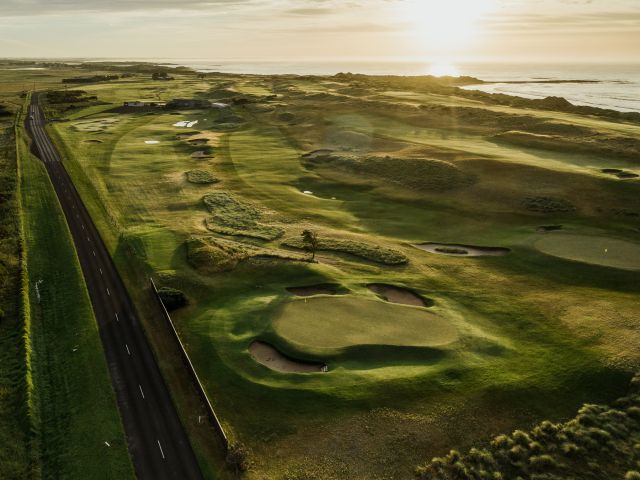
Port Fairy Golf Course on the Great Ocean Road
Port Fairy is 3.5 hours from Melbourne.

Getting there

  • Port Fairy is approximately 3.5 hours from Melbourne via the Princes Highway, or around 2.5 hours via Geelong if joining the Great Ocean Road from Torquay.

Key events

  • Moyneyana Festival: December – January
  • Port Fairy Jazz Festival: February
  • Port Fairy Folk Festival: March (Labour Day long weekend)
  • Koroit Irish Festival: April
  • Port Fairy Winter Weekends: June
  • Port Fairy Literary Weekend: September
  • Port Fairy Spring Festival: November
  • Port Fairy Annual Show: November

Where to stay

  • Basalt Retreat: The Great Ocean Road’s only vineyard accommodation, set within 24-year-old vines.
  • Merrijig Inn: Victoria’s oldest inn (est. 1841), central and full of character.
Emily Murphy
Emily Murphy is Australian Traveller's Email & Social Editor, and in her time at the company she has been instrumental in shaping its social media and email presence, and crafting compelling narratives that inspire others to explore Australia's vast landscapes. Her previous role was a journalist at Prime Creative Media and before that she was freelancing in publishing, content creation and digital marketing. When she's not creating scroll-stopping travel content, Em is a devoted 'bun mum' and enjoys spending her spare time by the sea, reading, binge-watching a good TV show and exploring Sydney's vibrant dining scene. Next on her Aussie travel wish list? Tasmania and The Kimberley.
View profile and articles
hero media

The Macedon Ranges is Victoria’s best-kept food and wine secret

    Emily McAuliffe Emily McAuliffe
    Located just an hour north-west of Melbourne, the largely undiscovered Macedon Ranges quietly pours some of Australia’s finest cool-climate wines and serves up some of Victoria’s best food.

    Mention the Macedon Ranges and most people will think of day spas and mineral springs around Daylesford, cosy weekends away in the countryside or the famous Hanging Rock (of enigmatic picnic fame). Or they won’t have heard of the Macedon Ranges at all.

    But this cool-climate destination has been inconspicuously building a profile as a high-quality food and wine region and is beginning to draw serious attention from oenophiles and epicureans alike.

    The rise of Macedon Ranges wine

    liquid gold barrels at Kyneton Ridge Estate Winery
    Barrels of liquid gold at Kyneton Ridge Estate Winery. (Image: Chloe Smith Photography)

    With elevations ranging from 300 to 800 metres, Macedon Ranges vineyards are among the highest in the country. This altitude, combined with significant day/night temperature swings, makes for a slow ripening season, in turn nurturing wines that embody elegance and structure. Think crisp chardonnays, subtle yet complex pinot noirs and delicate sparkling wines, along with niche varietals, such as gamay and nebbiolo.

    Despite the region’s natural advantages – which vary from estate to estate, as each site embodies unique terroir depending on its position in relation to the Great Dividing Range, soil make-up and altitude – the Macedon Ranges has remained something of an insider’s secret. Unlike Victoria’s Yarra Valley or Mornington Peninsula, you won’t find large tour buses here and there’s no mass marketing drawing crowds.

    Many of the 40-odd wineries are family-run operations with modest yields, meaning the wineries maintain a personal touch (if you visit a cellar door, you’ll likely chat to the owner or winemaker themselves) and a tight sales circle that often doesn’t go far beyond said cellar door. And that’s part of the charm.

    Though wines from the Macedon Ranges are just starting to gain more widespread recognition in Australia, the first vines were planted in the 1860s, with a handful of operators then setting up business in the 1970s and ’80s. The industry surged again in the 1990s and early 2000s with the entry of wineries, such as Mount Towrong, which has an Italian slant in both its wine and food offering, and Curly Flat, now one of the largest estates.

    Meet the new generation of local winemakers

    the Clydesdale barn at Paramoor.
    The Clydesdale barn at Paramoor. (Image: Chloe Smith Photography)

    Then, within the last 15 years, a new crop of vignerons like Andrew Wood at Kyneton Ridge Estate, whose vineyard in 2024 was the first in the Macedon Ranges to be certified by Sustainable Winegrowing Australia; Geoff Plahn and Samantha Reid at Paramoor, who have an impressive cellar door with a roaring fire and studded leather couches in an old Clydesdale barn; and Ollie Rapson and Renata Morello at Lyons Will, who rapidly expanded a small vineyard to focus on top-shelf riesling, gamay, pinot noir and chardonnay, have taken ownership of local estates.

    Going back to the early days, Llew Knight’s family was one of the pioneers of the 1970s, replacing sheep with vines at Granite Hills when the wool industry dwindled. Knight is proud of the fact that all their wines are made with grapes from their estate, including a light, peppery shiraz (some Macedon wineries purchase fruit from nearby warmer areas, such as Heathcote, particularly to make shiraz) and a European-style grüner veltliner. And, as many other wineries in the region do, he relies on natural acid for balance, rather than an additive, which is often required in warmer regions. “It’s all about understanding and respecting your climate to get the best out of your wines,” he says.

    farm animals atKyneton Ridge Estate
    Curious residents at Kyneton Ridge Estate. (Image: Chloe Smith Photography)

    Throughout the Macedon Ranges, there’s a growing focus on sustainability and natural and low-intervention wines, with producers, such as Brian Martin at Hunter Gatherer making waves in regenerative viticulture. Martin previously worked in senior roles at Australia’s largest sparkling winemaking facility, and now applies that expertise and his own nous to natural, hands‑off, wild-fermented wines, including pét‑nat, riesling and pinot noir. “Wild fermentation brings more complexity,” he says. “Instead of introducing one species of yeast, you can have thousands and they add different characteristics to the wine.”

    the vineyard at Kyneton Ridge Estate Winery
    The estate’s vineyard, where cool-climate grapes are grown. (Image: Chloe Smith Photography)

    Most producers also focus on nurturing their grapes in-field and prune and pick by hand, thus avoiding the introduction of impurities and the need to meddle too much in the winery. “The better the quality of the fruit, the less you have to interfere with the natural winemaking process,” says Wood.

    Given the small yields, there’s also little room for error, meaning producers place immense focus on quality. “You’re never going to compete in the middle [in a small region] – you’ve got to aim for the top,” says Curly Flat owner Jeni Kolkka. “Big wineries try to do things as fast as possible, but we’re in no rush,” adds Troy Walsh, owner and winemaker at Attwoods. “We don’t use commercial yeasts; everything is hand-harvested and everything is bottled here, so we bottle only when we’re ready, not when a big truck arrives.” That’s why, when you do see a Macedon Ranges product on a restaurant wine list, it’s usually towards the pointy end.

    Come for the wine, stay for the food

    pouring sauce onto a dish at Lake HouseDaylesford
    Dining at Lake House Daylesford is a treat. (Image: Chloe Smith Photography)

    If wine is the quiet achiever of the Macedon Ranges, then food is its not-so-secret weapon. In fact, the area has more hatted restaurants than any other region in Victoria. A pioneer of the area’s gourmet food movement is region cheerleader Alla Wolf-Tasker, culinary icon and founder of Daylesford’s Lake House.

    For more than three decades, Wolf-Tasker has championed local producers and helped define what regional fine dining can look like in Australia. Her influence is palpable, not just in the two-hatted Lake House kitchen, but in the broader ethos of the region’s dining scene, as a wave of high-quality restaurants have followed her lead to become true destination diners.

    the Midnight Starling restaurant in Kyneton Ridge Estate Winery
    The hatted Midnight Starling restaurant is located in Kyneton. (Image: Chloe Smith Photography)

    It’s easy to eat well, whether at other hatted restaurants, such as Midnight Starling in the quaint town of Kyneton, or at the wineries themselves, like Le Bouchon at Attwoods, where Walsh is inspired by his time working in France in both his food offering and winemaking.

    The beauty of dining and wine touring in the Macedon Ranges is that it feels intimate and unhurried. You’re likely to meet the winemaker, hear about the trials of the latest vintage firsthand, and taste wines that never make it to city shelves. And that’s worth getting out of the city for – even if it is just an hour down the road.

    dishes on the menu at Midnight Starling
    Delicate dishes on the menu at Midnight Starling. (Image: Chloe Smith Photography)

    A traveller’s checklist

    Staying there

    the accommodation at Cleveland Estate, Macedon Ranges
    Stay at the Cleveland Estate. (Image: Chloe Smith Photography)

    Soak up vineyard views from Cleveland Estate near Lancefield, embrace retro charm at Kyneton Springs Motel or indulge in lakeside luxury at the Lake House.

    Eating there

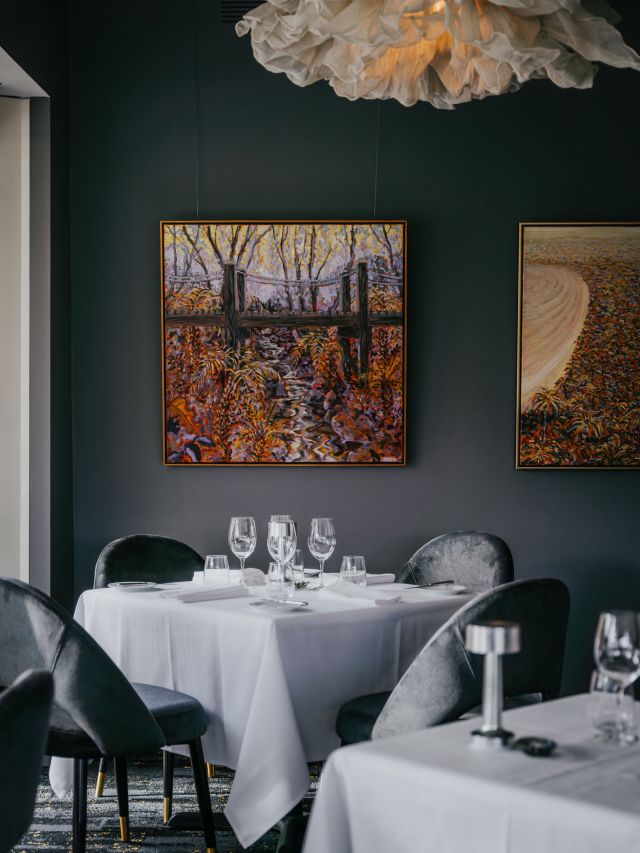
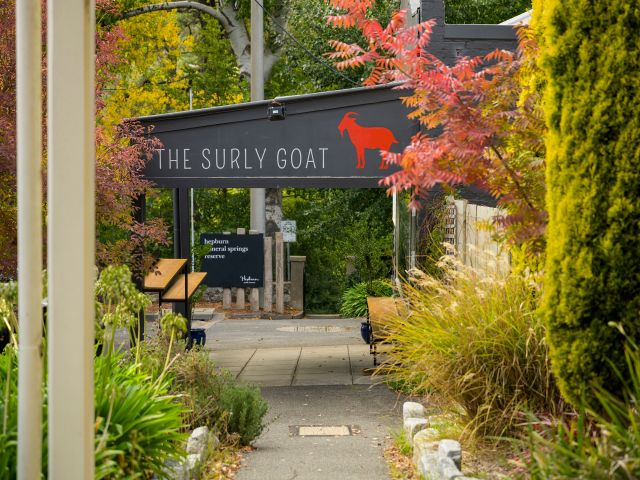
    Enjoy a four-course menu at the one-hatted Surly Goat in Hepburn Springs, Japanese-inspired fare at Kuzu in Woodend or unpretentious fine dining at Mount Monument, which also has a sculpture park.

    Drinking there

    wine tasting at PassingClouds Winery, Macedon Ranges
    A tasting at Passing Clouds Winery. (Image: Chloe Smith Photography)

    Settle in for a tasting at Boomtown in Castlemaine, sample local drops at the cosy Woodend Cellar & Bar or wine-hop around the many cellar doors, such as Passing Clouds.

    the Boomtown Winery and Cellar Bar signage
    Boomtown Winery and Cellar Bar. (Image: Chloe Smith Photography)

    Playing there

    a scenic river in Castlemaine
    Idyllic scenes at Castlemaine. (Image: Chloe Smith Photography)

    Wander through the seasonal splendour of Forest Glade Gardens, hike to the summit of Hanging Rock, or stroll around the tranquil Sanatorium Lake.

    purple flowers hanging from a tree
    Purple flowers hanging from a tree. (Image: Chloe Smith Photography)