Roadside attractions from Melbourne to Mildura

hero media
A Roadside Attractions column for Australian Traveller Magazine on the route between Melbourne and Mildura via the Calder Highway.

Roadside Attractions – Melbourne to Mildura via the Calder Highway

Let AT liven up your next roadtrip. Each issue we take a well-worn path and provide you with plenty of perfect distractions along the way. By Kim Richards

“Not another road trip," you’re thinking. The kids will get fidgety and ask the dreaded “Are we there yet?" 1000 times or more. But with AT’s quick stops and long stretches your trip is happily broken up as we steer you happily along the A 79. Here’s how to best enjoy the 650km Melbourne-Mildure stretch . . .

Stop 1 //
Bendigo, 150km northwest of Melbourne
Let your creative juices run wild at Bendigo’s Art Gallery (42 View St), one of the most beautiful provincial galleries in the country. Be inspired. Art’s always a great conversation starter, and massively educational for the more creative family. Before hitting the road, grab a cuppa from any coffee bar – the café culture is pretty prominent here.

Stop 2 //
Charlton, 245km from Melbourne
Here’s one for the fitness fanatic family: walk the 4km return trek along the Avoca River and set up your (prepacked) picnic on your return (easily done for the organised mum). There are tree-lined avenues and riverbanks running through town so finding a spot for your outdoor spread shouldn’t be hard.

Stop 3 //
Mount Wycheproof, 270km southeast of Mildura
Turn onto the C 267 for a quick peek at the smallest registered mountain worldwide. It’s a mere 43m high but boasts great little views. From town, turn right into High St, left into Mount St and follow your nose towards Mount Wycheproof. And if you didn’t stop at Charlton, here’s your chance to take a short walk uphill. (It shouldn’t take long.)

Stop 4 //
Lake Tyrrell Wildlife Reserve, 180km from Mildura
Five to ten minutes from Sea Lake, turn right off the Calder Hwy towards Lake Tyrrell, where you’ll find amazing views of Victoria’s largest salt lake (impressive even when dry, which is most of the year). Islands dotted around the lake are breeding grounds for thousands of seagulls. Keep an eye out – there’s a lot of wildlife around.

Stop 5 //
Ouyen, 102km south of Mildura
Stop for a delicious meal at the Victoria Hotel (22 Rowe St). We reckon it’s one of the nicest country pubs in Victoria. And although you’ll be rushed for time (as all travellers are), you’ve got to grab a take away Vanilla Slice for desert; Ouyen is home to the annual Vanilla Slice Day, so they’ve got a reputation to uphold.

How a $1 deal saved Bendigo’s historic tramways

The passionate community that saved Bendigo Tramways has kept the story of this city alive for generations.

It was an absolute steal: a fleet of 23 trams for just $1. But such a fortunate purchase didn’t happen easily. It was 1972 when the Bendigo Trust handed over a single buck for the city’s historic collection of battery, steam and electric trams, which had transported locals since 1890.

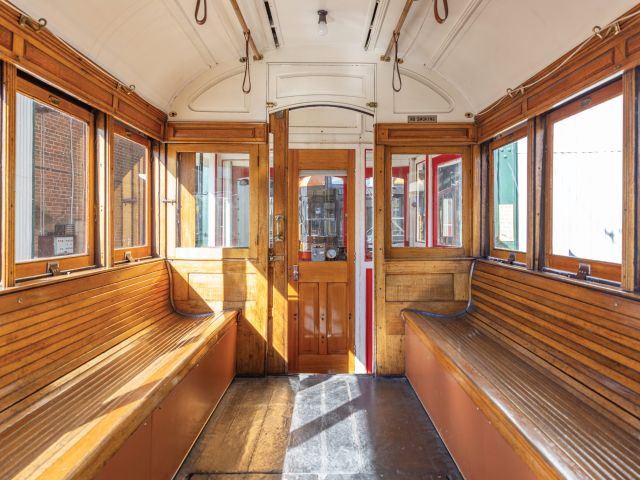
inside the historic Bendigo Tram
Bendigo Tramways is a historic transport line turned tourist service. (Image: Bendigo Heritage)

The city’s tram network had been declared defunct since 1970 due to post-war shortages in materials to upkeep the trams and declining passenger numbers as motor vehicles were increasing. However, determined locals would not hear of their beloved trams being sold off around the world.

The Bendigo Trust was enlisted to preserve this heritage, by converting the trams into a tourist service. The Victorian government approved a trial, however news spread that the Australian Electric Tramways Museum in Adelaide had acquired one of the streetcars for its collection.

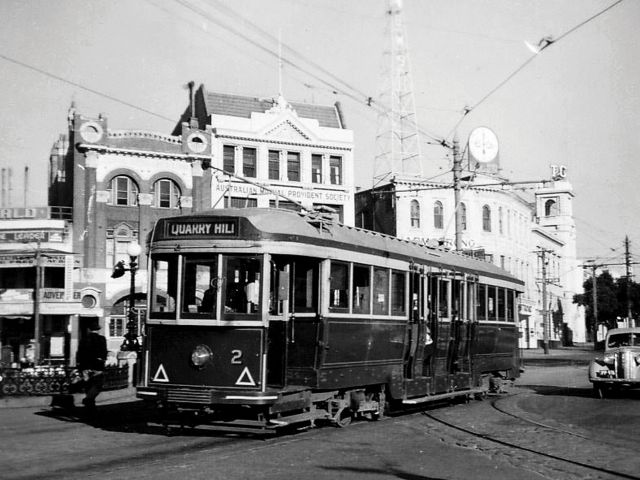
a tram heading to Quarry Hill in 1957
A tram on its way to Quarry Hill in 1957. (Image: Bendigo Heritage)

An impassioned group rallied together to make this physically impossible. Breaking into the tram sheds, they welded iron pipes to the rails, removed carbon brushes from the motors, and formed a blockade at the depot. The community response was extraordinary, and a $1 deal was sealed.

A new chapter for the city’s fleet

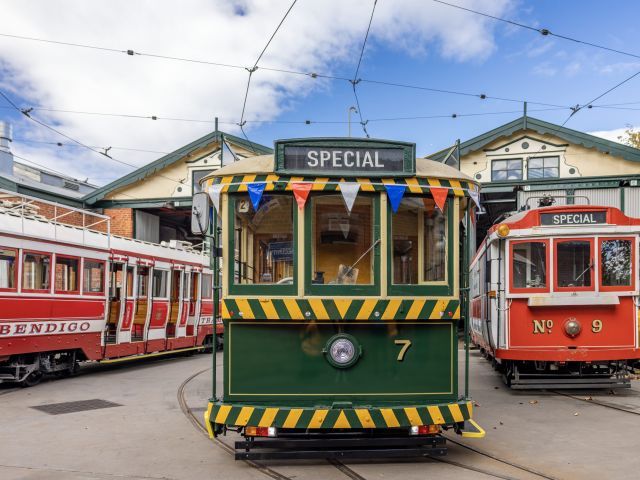
the old Tramways Depot and Workshop
The old Tramways Depot and Workshop is one of the stops on the hop-on, hop-off service. (Image: Tourism Australia)

Today, Bendigo Tramways welcomes some 40,000 passengers annually, operating as a hop-on, hop-off touring service aboard the restored trams. Fifteen of the now 45-strong fleet are dubbed ‘Talking Trams’ because of the taped commentary that is played along the route. The trams loop between Central Deborah Gold Mine and the Bendigo Joss House Temple, which has been a place of Chinese worship since 1871, via other sites including the old Tramways Depot and Workshop.

a Gold Mine Bendigo Tram
The fleet comprises 45 trams that have been restored. (Image: Visit Victoria/Robert Blackburn)

Keeping things interesting, throughout the year visitors can step aboard different themed trams. Tram No. 302 becomes the Yarn Bomb Tram, decorated both inside and out with colourful crochet by an anonymous group of locals.

During the festive season, Tram No. 15 operates as a tinsel-festooned Santa Tram, and the big man himself hides out somewhere along the route for excited children to find. And on selected dates, the adults-only Groove Tram runs nighttime tours of the city, accompanied by local musicians playing live tunes and a pop-up bar.

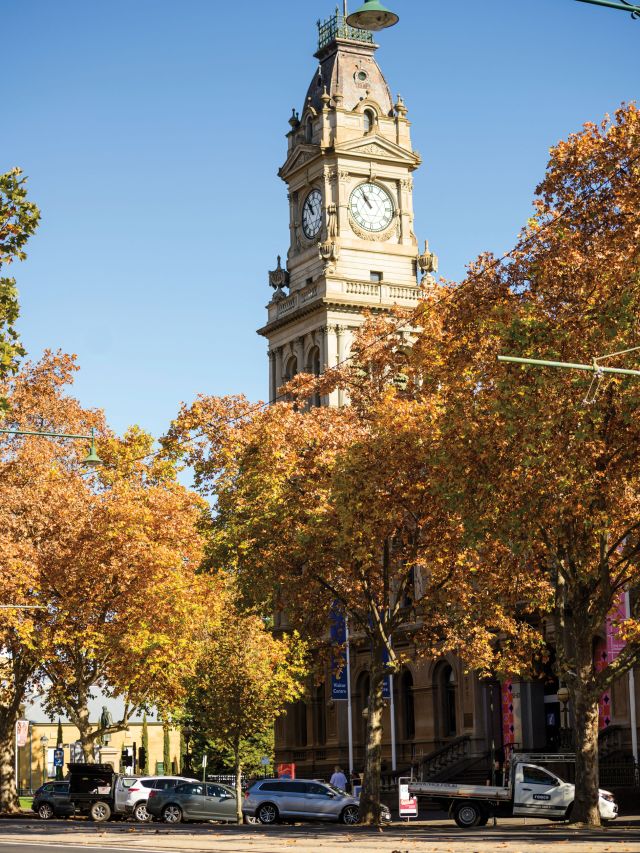
the historic post office turned visitor centre in Bendigo
Visitors can hop on and off to see the city’s sites such as the historic post office turned visitor centre. (Image: Tourism Australia)

As well as preserving the city’s history, however, the continuation of the tram service has kept the skills of tram building and craftsmanship alive in a practical sense. Bendigo’s Heritage Rail Workshop is world-renowned for restoring heritage trams and repurposing vehicles in creative ways.

Locally, for example, Tram No. 918 was transformed into the Dja Dja Wurrung Tram with original Aboriginal artworks by emerging artist Natasha Carter, with special commentary and music that shares the stories and traditions of Bendigo’s first people. You can’t put a price on preserving history. Nonetheless, it was a dollar very well spent.