For a snapshot in time, we asked eight people around the country to reflect on Australia Now. Here, Brad Norman a whale shark researcher for ECOCEAN in WA, shares his thoughts on what studying the endangered fish has taught him.
Brad Norman believes oceans are the new frontier. The 52-year-old whale shark researcher has based himself off the coast of Ningaloo Reef for two months most years for the past three decades. To help protect the ocean’s largest known fish, Norman, who is a Research Fellow at the Harry Butler Institute, Murdoch University, has developed an identification system based on its markings that borrows from a pattern-identification method used to map the night sky.
“When I started researching whale sharks, their conservation status as a species was unknown. Through my research, I was able to undertake a review that resulted in them being assessed as ‘vulnerable to extinction’. It drew a lot more attention to ensuring their conservation," says Norman, who lives in Perth when he’s not diving with these gentle giants off the deep blue waters around Ningaloo Reef.
“My interest in whale sharks has extended over half my life and I think that the whale shark is a flagship species for the health of the ocean and can help us draw attention to the need to protect it. These animals are the biggest fish of the sea and they eat tiny organisms including krill, small fish, and crab larvae. What’s imperative for their survival is that the whale sharks find productive areas of our ocean that are healthy," he says.
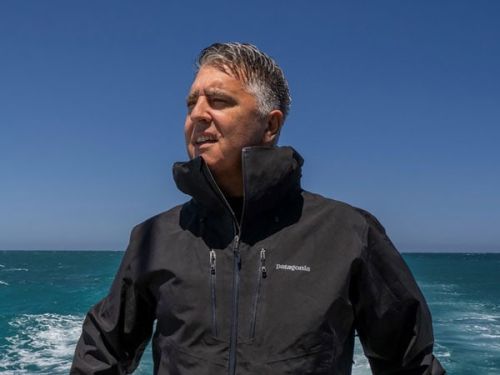
Brad Norman bases himself off the coast of Ningaloo Reef for two months of the year to research whale sharks.
Why whale sharks are so integral to our oceans
Brad says whale sharks can be a bellwether for the health of our oceans as their numbers have declined on our watch. “It’s important that we understand the negative short-term effect humans can have on an animal like this that has been around for millions of years."
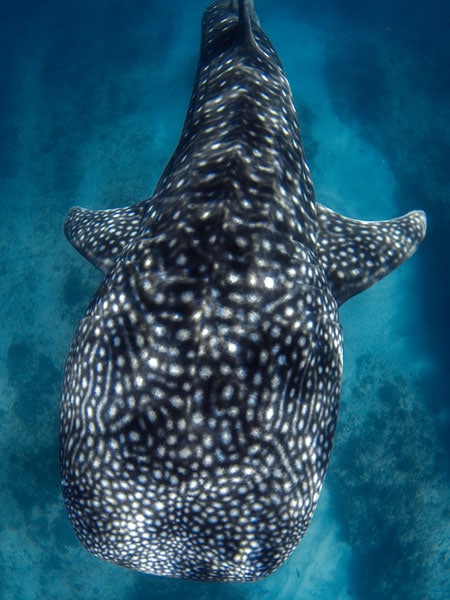
Brad believes his monitoring program, initially set up through his conservation group, ECOCEAN, will help make a difference to preserve the species. The system relies on images taken by divers from more than 54 countries around the world who can take photos to help identify individual whale sharks in order to better understand the elusive fish, which can reach up to 18 metres in length.
Brad says whale sharks can be a bellwether for the health of our oceans.
“Each whale shark has a unique celestial-like pattern on its body. It is like a fingerprint and because they swim so close to the surface, it has given us an opportunity to identify individuals and monitor their movements. It’s been a very successful program as it gives people a sense of stewardship, which encourages them to think about what’s in their own backyard and gain ownership of the issue, which leads to good conservation practices."
Want to see more stories from Australian Traveller in your Google search results?
Blend the addictive energy of dance, creative cinematic movies, captivating theatre, and energising music during Perth Festival.
Perth Festival has extraordinary roots. Born as a summer community experiment back in 1953, the brainchild of Professor Fred Alexander, it’s now Australia’s longest-running international art-based festival. From its first event at University of Western Australia, it now spans across Noongar Boodjar country (Perth City) bringing worldclass performances into the hearts of ardent festivalgoers. Hundreds of curtain calls, including numerous free events, are set to linger and leave a lasting impression on those who seek thrills that fill life’s in-between spaces. Featuring unmissable highlights from 6th February to 1st March, we’ve done the legwork for you – here’s what’s on, and where:
1. East Perth Power Station
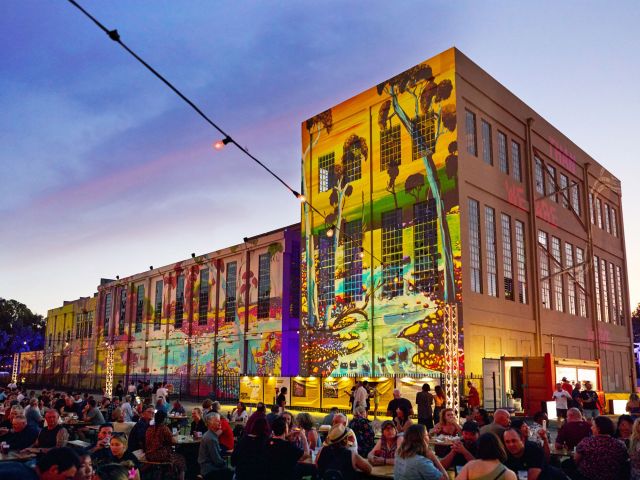
See East Perth Power Station come alive. (Image: Jessica Wyld Photography)
Abandoned, run-down and shutdown in 1981, East Perth Power Station, located on the banks of the stunning Swan River, was reinvented in 2025 as an entertainment venue for the Perth Festival. Pack a picnic, bring the family and kick back under paperbark trees at Casa Musica – a free event featuring a melting pot of world-class musicians from Australian shores and around the globe. The diversity will have you bopping until the final encore.
A decade after David Bowie’s passing, his powerful music lives on in the electrifying show, Rebel Rebel. Powerhouse vocalists join Perth Symphony Orchestra for one incredible night showcasing the singer-songwriter’s iconic hits. Illuminate your world through the eyes of First Nation Noongar artist, Lance Chadd Tjyllyungoo in a free event. His distinctive paintings and Dreamtime stories decorate the Power Station’s walls depicting spiritual beliefs. Or settle in to watch British indie pop singer-songwriter, Nilüfer Yanya.
2. St Mary’s Cathedral
Take in Award-winning vocal group, Roomful of Teeth. (Image: Anja Schutz)
Step into the lofty ceilings of Perth’s grandest cathedral, St Mary’s, and soak up choral harmonies. Dating back to 1865, the stained-glass reproductions of Leonardo da Vinci’s Last Supper are a talking point, add talented maestros, and the stage is set to enthral.
The international line-up is impressive. Master Irish fiddler, Martin Hayes takes to the stage with exquisite lyrical compositions from his native land. Åkervinda, an award winning Swedish quartet, weave stories of love, loss, and resilience into harmonious Nordic folk songs. The USA Grammy Award-winning vocal group, Roomful of Teeth, break all the rules. Hear their voices echo through the arched vaulted ceilings.
3. Lotterywest Films
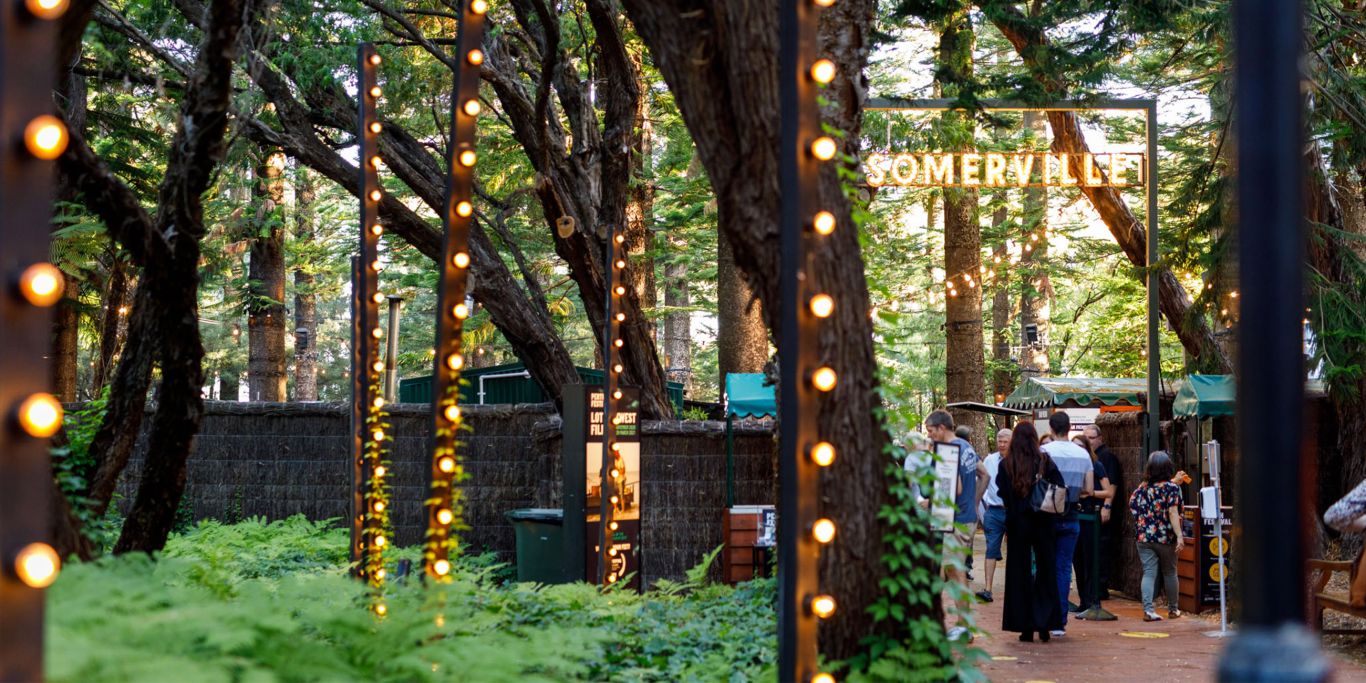
Discover the Lotterywest Films program. (Credit: Jessia Wyld Photograpghy)
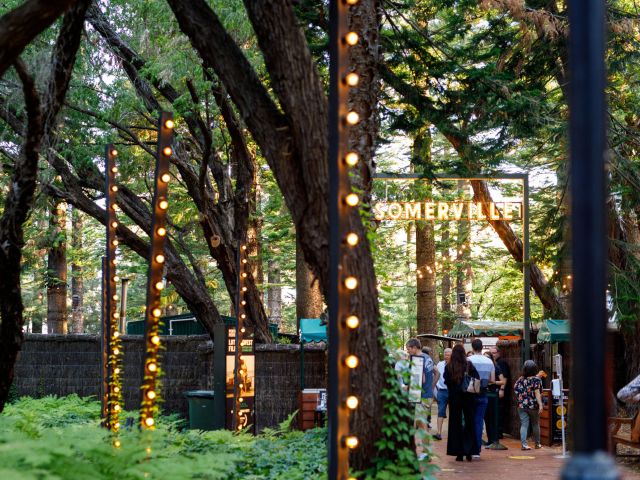
One of the festivals longest-running favourites, Lotterywest Films run a rich tapestry of cinematic features showing until 29th of March. Pack a picnic, cushions, popcorn and pop a cork under a Somerville Pine Tree as the sun sets and screenings begin. Cinema lovers, choose your poison from thrillers, deep-dive documentaries, tearjerkers, raunchy rom-coms and side-splitting comedies. The program is fantastically full, the filmmakers the best in the business, and the outdoor setting, unequalled.
4. The Embassy
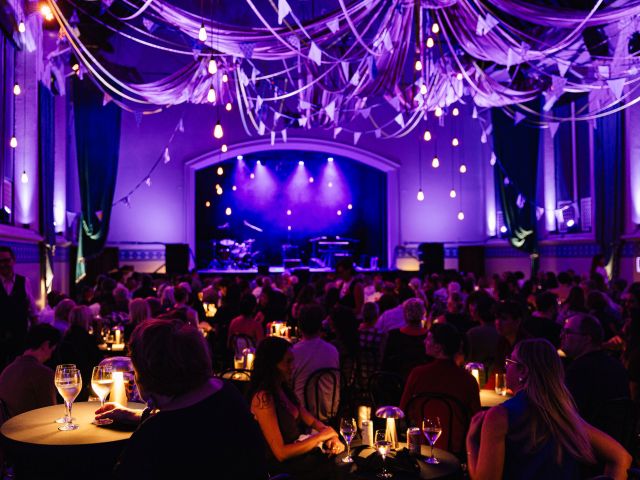
Step into the old world glitz of The Embassy. (Image: Franz Bato)
Modelled on Perth’s historic Embassy Ballroom, a devilish dance venue that operated in the 1900s, The Embassy in Perth Town Hall, serves sophistication in its A-list shows. Set your sequins a’sparkle at the, What’s TINA Got to Do With It extravaganza where guest artists play tribute as they belt out the glitzy star’s hits. The returning act, Ali Bodycoat & The Embassy Big Band, will have you jiving as you take to the dance floor reimagining a bygone era. Who doesn’t like chocolate? Black-bearded drag sensation, La Gateau Chocolat puts the raw in cacao. World-renowned for his feisty range of storied songs, he reveals the inner-man come artist through his deliciously sweet and intimate act.
5. Unusual locations
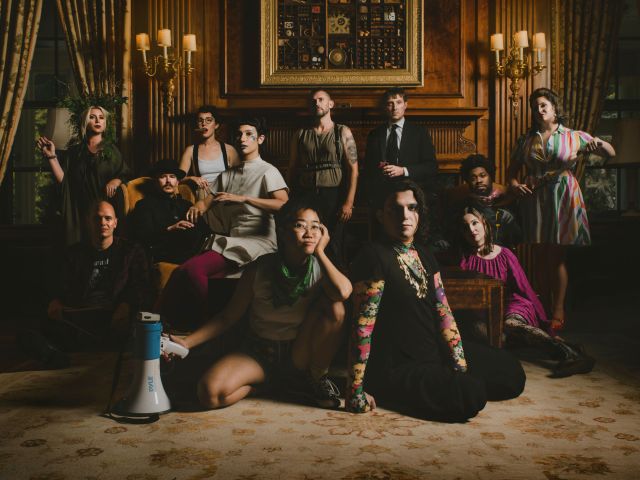
Watch a star-studded cast in The Trial. (Image: Cole Baxter)
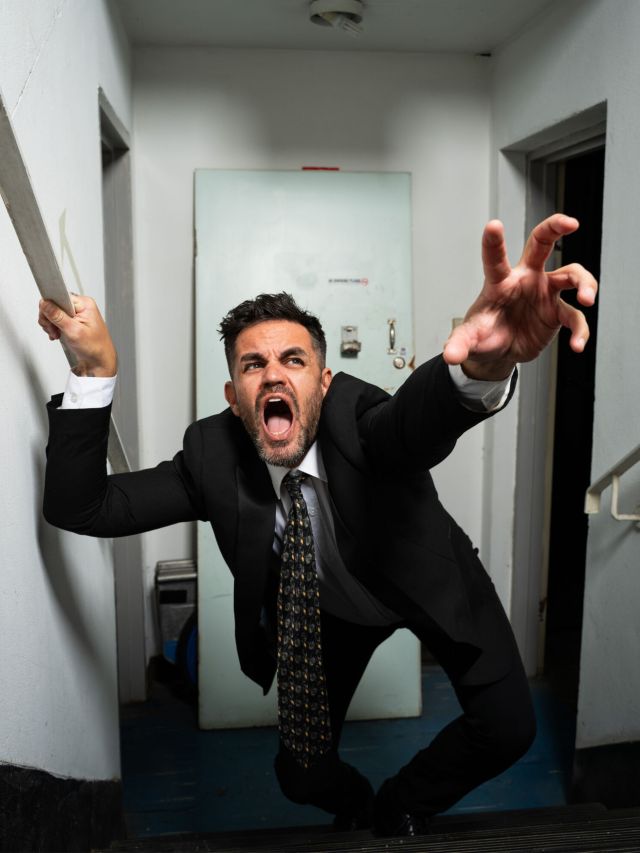
We’ve all heard of the hit show, The Office, but a spinetingling operatic thriller acted out in disused office space? Philip Glass’ nail-biter, The Trial, has a star-studded line-up. Together they deliver a dramatic ordeal showcasing Oscar-winner Christopher Hampton’s libretto; the suspense lingers after the final bow.
Sit back under starry skies and soak up dynamic dance at Ballet at the Quarry: Incandescence. Four exclusive classical and contemporary acts illuminate the amphitheatre’s stage as Perth City twinkles at nightfall. Mystery excites the mind. West Australian Opera returns again with another ‘secret opera’. Be led from an undisclosed meeting point and let the music lead to the secret.
6. A View From A Bridge
Share your innermost thoughts at A View From A Bridge.
Free, connecting strangers, and inclusive to everyone, artist, Joe Bloom’s collaborative project, A View From A Bridge has one prop – an old red telephone. Talk into the receiver, share thoughts, innermost feelings, memories, hopes and dreams as Bloom captures you from afar. The freedom to speak through the telephone movement has a worldwide following. A range of clips will be shown online.
What else to do in Perth
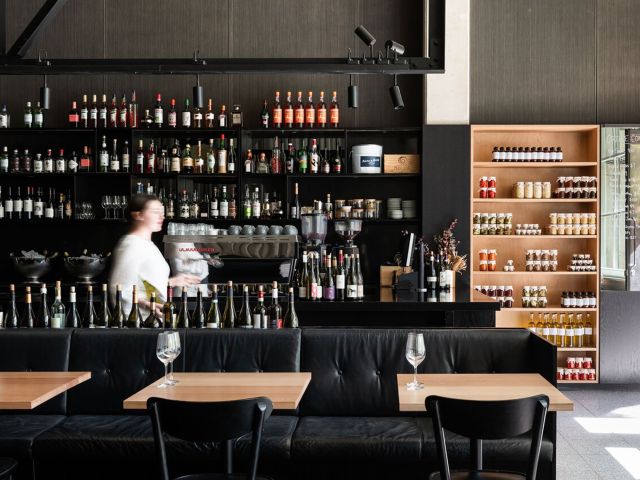
Taste the best of Perth at eateries like Shadow Wine Bar.
Endless blue skies crown Perth during February, making it the perfect time to explore Australia’s most western capital city. The city might be compact, but it packs a punch when it comes to what’s on. Perth Cultural Centre houses the city’s art-scene venues: Western Australian Art Gallery, WA Museum Boola Bardip and Perth Institute of Contemporary Arts (PICA).
After exploring the city’s alleyways, hidden corners, and main hub, savour worldclass food in Perth’s vibrant eateries. Award-winning restaurants, rooftop bars, and cafes can be found throughout; the leisurely eat-and-drink scene is literally mouthwatering, so book extra nights.