
Visitors to Western Australia’s Shark Bay World Heritage Area will soon be able to see its hyper-rare stromatolites up close.
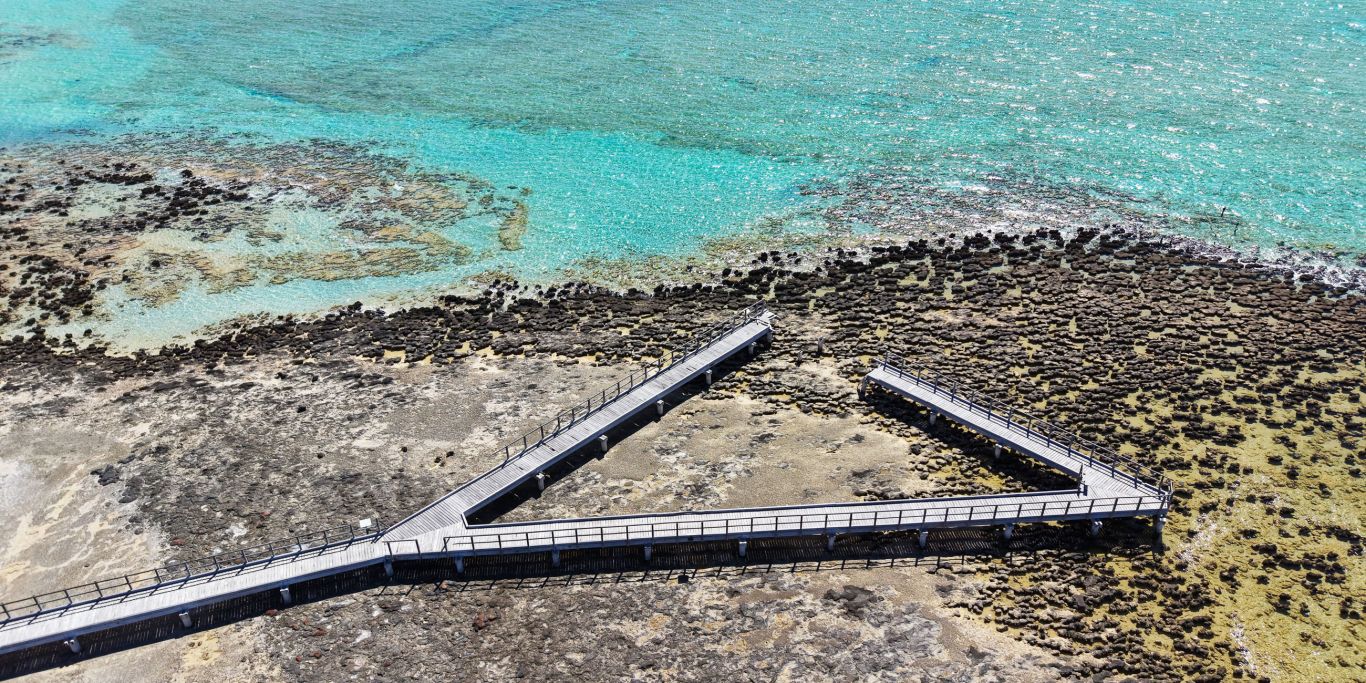
Travellers partial to rare natural wonders are in for a treat. Shark Bay World Heritage Area – WA’s most westerly point and located around 800 kilometres north of Perth – is getting a new boardwalk set to bring visitors closer to its ancient and globally significant stromatolites.
The 260-metre Hamelin Pool boardwalk will replace the main viewing platform that closed in 2021 due to cyclone damage, restoring safe visitor access while protecting the ancient lifeforms. The project, underway as of May 2026, is set to cost $4.6 million.
What are stromatolites?
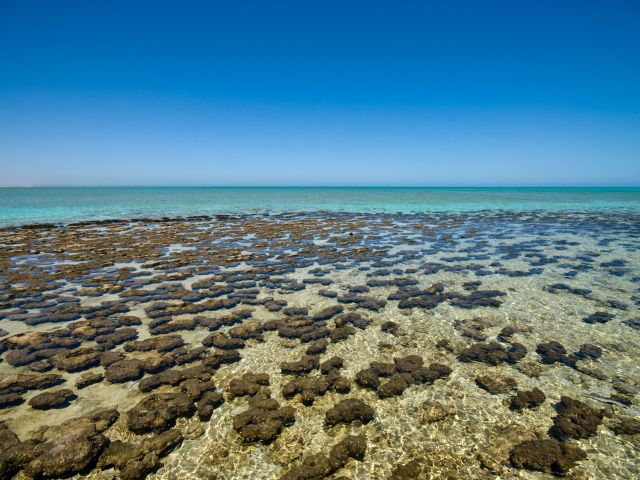
Stromatolites are the oldest living lifeforms on our planet. Often known as ‘living fossils’, they are layered, dome-like rock structures formed by the activity of microbial communities. The microbes are active on the surface layer of the stromatolites, while the underlying layers comprise an ancient sedimentary build-up of former microbial reefs.
They are considered modern examples of the earliest known lifeforms on Earth, similar to organisms that existed 3.5 billion years ago. Representing extreme evolutionary significance, stromatolites built up the oxygen content of the Earth’s atmosphere to around 20 per cent, which allowed other complex life (including humans) to exist.
Where are stromatolites found in Australia?
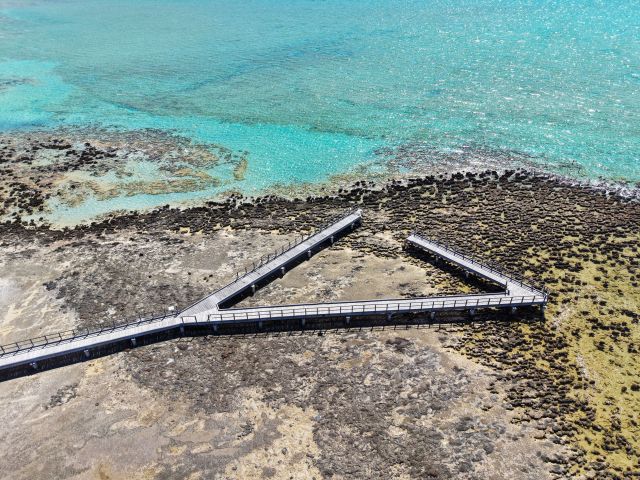
Stromatolites are found in Western Australia, with Hamelin Pool within the UNESCO World Heritage-listed Shark Bay offering the world’s most famous and extensive living stromatolite system. It is one of only several places in the world where travellers can see this unique natural phenomenon. The organisms are protected and thrive in the area’s hypersaline waters, which are twice as salty as regular seawater.
WA’s Marble Bar in the Pilbara region, specifically the North Pole Dome, is home to the oldest recorded fossilised forms of stromatolites, dated at about 3.5 billion years.
Need tips, more detail or itinerary ideas tailored to you? Ask AT.
AI Prompt
New Hamelin Pool boardwalk at Shark Bay
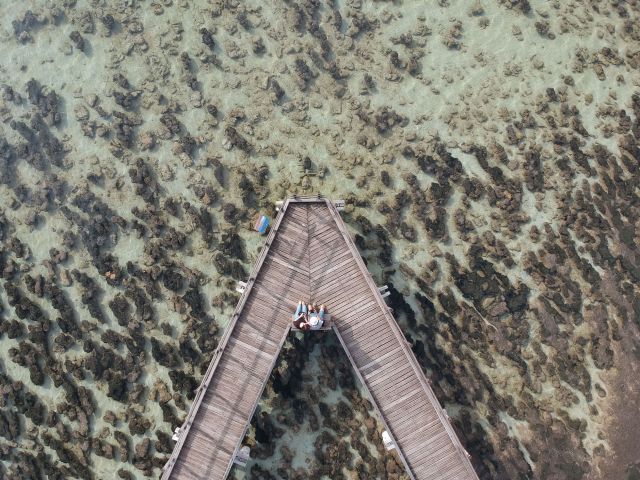
The new 260-metre boardwalk will replace the original walkway, which closed after being damaged by Cyclone Seroja in 2021. Since then, visitors have only been able to view the Shark Bay stromatolites from Hamelin Pool quarry (binoculars often required) or via scenic flights.
“The new boardwalk is 30 metres longer than the old one and is designed to allow visitors to fully experience the beauty of this natural wonder," says Gascoyne Minister Hannah Beazley.
The project represents an opportunity for visitors to reconnect with this extraordinary World Heritage area, while ensuring that its remarkable natural and evolutionary significance is preserved well into the future.
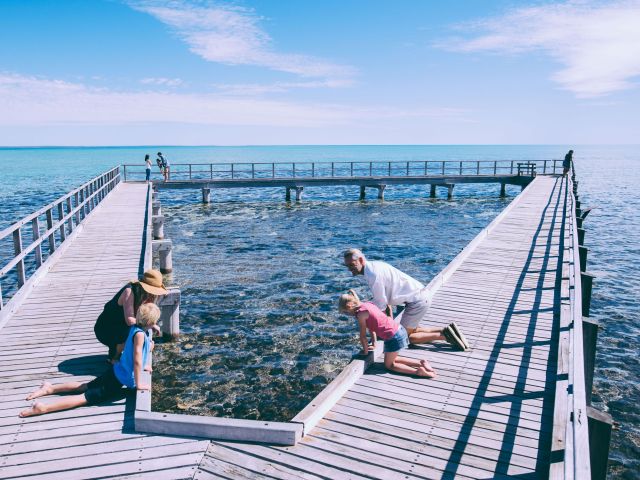
Environment Minister Matthew Swinbourn says extensive measures are being taken to realise the boardwalk with environmental sensitivity, with the project requiring a specialist construction approval.
“This is an important milestone for Hamelin Pool, and careful planning has been essential to ensure the area’s unique environmental values are protected."
Weekly travel news, experiences
insider tips, offers, and more.
When will the new Shark Bay boardwalk open?
While a completion date has not yet been publicly announced, WA’s Department of Biodiversity, Conservation and Attractions says the construction is expected to take 11 months – meaning the Shark Bay boardwalk is slated to be completed around April 2027.
Viewing tips
- Low tide offers the best chance to view stromatolites at Shark Bay.
- Keep an eye out for the stromatolites ‘fizzing’ underwater, which means they are releasing oxygen.
- Do not, under any circumstances, touch, walk on or interfere with the stromatolites.
- To further protect these incredibly rare organisms, do not leave any rubbish behind in the national park. Help keep Shark Bay’s environment pristine!
- Make sure to check out Shark Bay’s other amazing attractions, including picturesque Shell Beach, the striking colours of Francois Peron National Park and the resident wild dolphins that swim in Monkey Mia’s shallow waters.
Want to see more stories from Australian Traveller in your Google search results?
- Click here to set Australian Traveller as a preferred source.
- Tick the box next to "Australian Traveller". That's it.