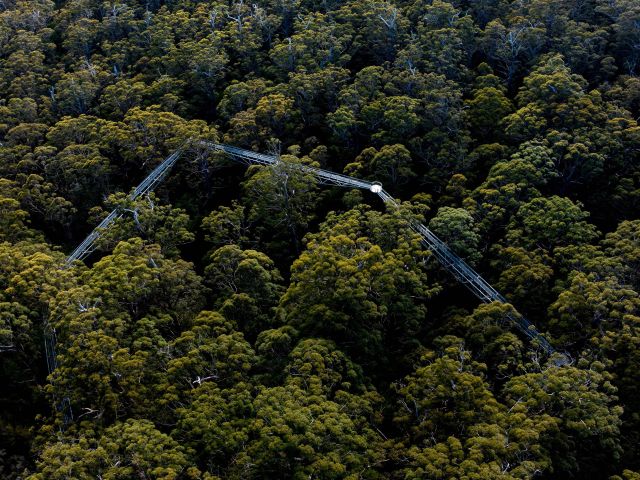
Witness one of nature’s sweetest spectacles without leaving a trace.
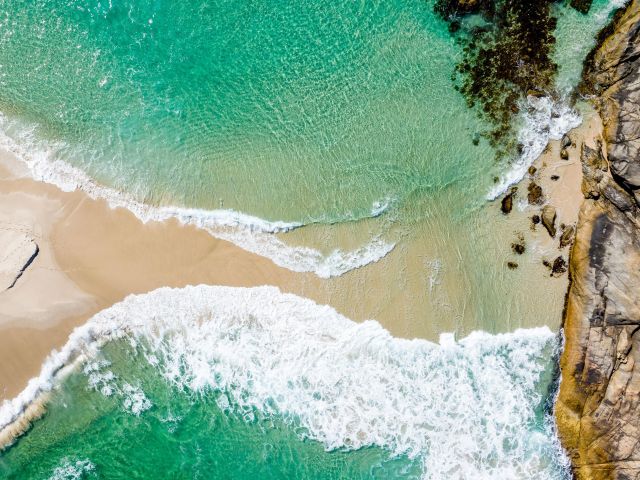
Every year from late October to March, something magical happens off Western Australia’s coast. In the shallows of Ningaloo Reef, hundreds of sea turtles gather to mate in the warm waters. It’s a once-in-a-lifetime spectacle – and one that you can experience firsthand.
What happens during turtle season?
There’s a reason why locals and tourists head to Ningaloo Reef at this time of year, one of Australia’s top UNESCO World Heritage-listed sites. Each spring and summer, it becomes a stage for one of nature’s most extraordinary cycles of life. Hundreds of sea turtles are arriving ahead of a five-month reproductive journey – from mating to nesting and finally, hatching.

The warmer temperatures, combined with the environmental conditions at Ningaloo, perfectly align with the turtles’ breeding and birthing period. It begins around mid-October, when adult turtles migrate to breeding areas and males court females. Copulation then takes place in the water.
Afterwards, the female returns to shore to catch her breath and nest – digging a chamber in the sand using her flippers. She can lay up to 100 eggs here, which then incubate in the warm sand. The hatchlings emerge from their shells around 60 days later, using the brightest horizon (often the moonlit sea) and the sound of waves to find their way to the ocean.
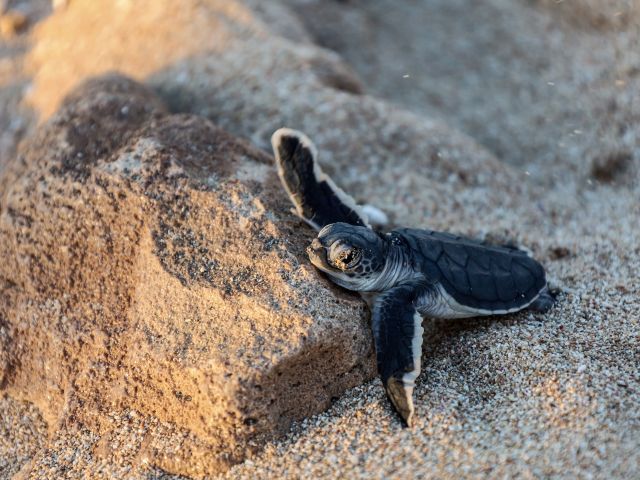
The best part? You can witness all three stages of this cycle – a truly unforgettable sight that few get to tick off the bucket list. Nature and wildlife lovers can watch as turtles mate, nest and hatch at Ningaloo Reef – as long as it’s done the right way.
How to experience turtle season responsibly
Turtle reproduction is an incredible process, but it often involves risks for both mother and baby. And while many of these challenges are simply part of nature’s design, others can stem from human activity. Being a mindful visitor goes a long way and can help protect these gentle creatures.
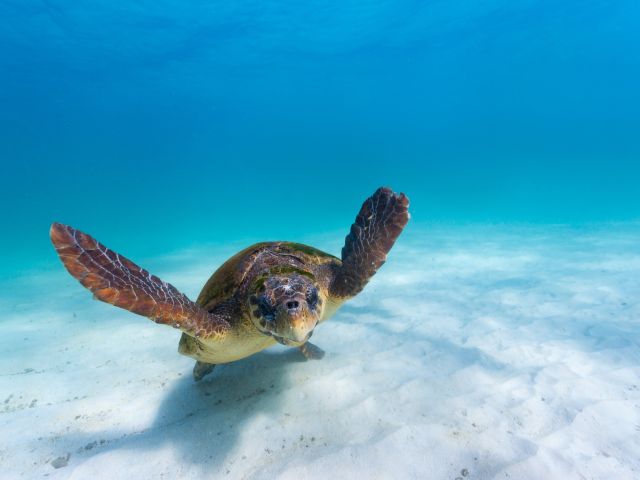
The most responsible way to experience turtle season is by booking a guided tour, which is also a great way to see Ningaloo Reef itself. These excursions are led by well-trained experts who know how to protect the turtles and minimise disturbances while ensuring guests have the best opportunity to catch a glimpse.
Local company Exmouth Adventure Co runs a four-hour Summer Sunset Turtle Watching Tour from $145 per person. As the sun sets, you’ll enjoy a quick snack while learning about the turtle watching ‘Code of Conduct’ developed by WA’s Department of Biodiversity, Conservation and Attractions. Then, you’ll head down to the beach with your guide to quietly observe nesting females using your newfound knowledge.
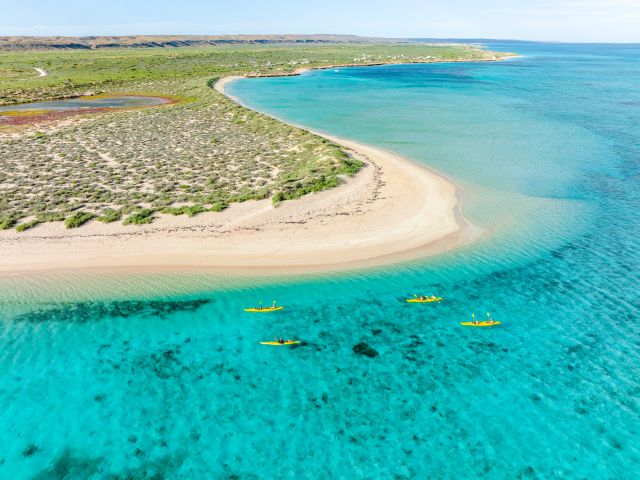
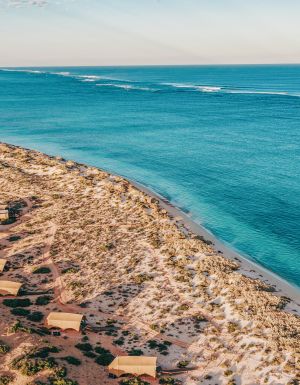
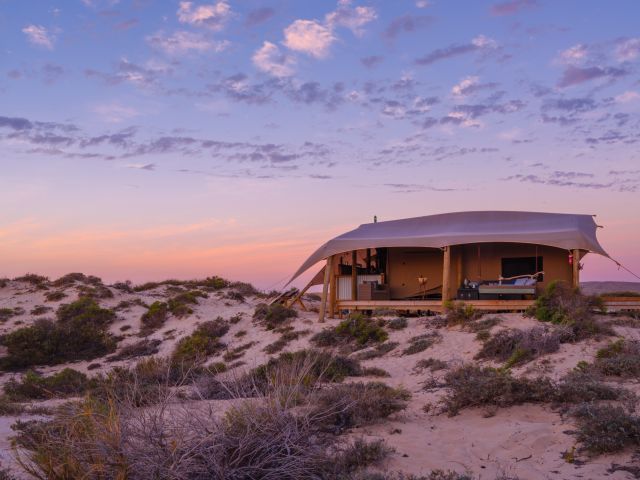
To make it a full weekend escape, book a stay at Sal Salis, the luxurious and eco-conscious beachfront camp on the shores of Ningaloo Reef. Here, guests can join guided night walks or kayaking adventures to spot turtles from a safe distance. If you miss the season, visit Ningaloo Aquarium and Discovery Centre to meet injured turtles and support their rehabilitation.
There are a few more important things to remember before booking your turtle-spotting trip. Keeping a respectful distance is crucial at all times. During mating, females may pair with multiple males. Once ashore, they need time to rest and catch their breath before nesting. If startled by humans, they may retreat to the water too soon, which can be fatal.
When hatching season arrives, distance remains key. Hatchlings can easily become disoriented and head the wrong way if distracted. If you’re observing at night, avoid using artificial light such as torches or lamps; baby turtles rely on the moon’s natural glow to find their way to the ocean. Touching the turtles at any time is strictly prohibited.
By following a few simple rules, listening to your guide and remaining patient, you could be rewarded with one of the most unforgettable wildlife experiences of your life.
Need tips, more detail or itinerary ideas tailored to you? Ask AT.
AI Prompt
Want to see more stories from Australian Traveller in your Google search results?
- Click here to set Australian Traveller as a preferred source.
- Tick the box next to "Australian Traveller". That's it.