How to have an adventurous 10-day, 2500-kilometre road trip following the Warlu Way from Broome to Exmouth, with some luxury along the way.
From sapphire seas and shell-strewn beaches to historic towns, ancient rock art, lush oases and plunging gorges, the Warlu Way is rich in natural beauty and enchanting stories. Over 10-days, from the coastal towns of Broome to Exmouth, you might find yourself swimming with the world’s largest fish, viewing ancient carvings of Tasmanian tigers and exploring the Pilbara’s massive resource industry – think long trains, big ships and salt piles.
Day one: Broome to Eighty Mile Beach
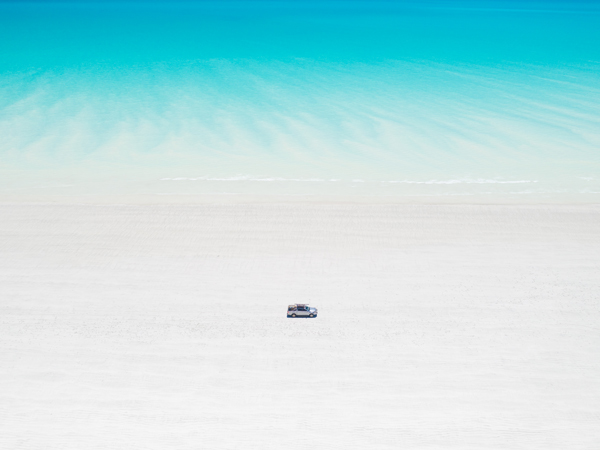
Our odyssey begins in Broome and takes us initially to Eighty Mile Beach, a 360-kilometre drive along the coastal plain, where we spend our first starlit night at the caravan park, sheltered behind shell-strewn dunes.
Hugging the water’s edge, Eighty Mile Beach Caravan Park boasts one- and two-bedroom cabins plus 150 grassy, powered sites and 50 unpowered sites. It’s a frisbee throw from the beach, the longest uninterrupted beach in Western Australia.
Must-see
Eighty Mile Beach
Head off early for the 5.1-kilometre return walk on Eighty Mile Beach – you might be the first to put footprints on the perfect white stretch of sand.

Flatback turtles
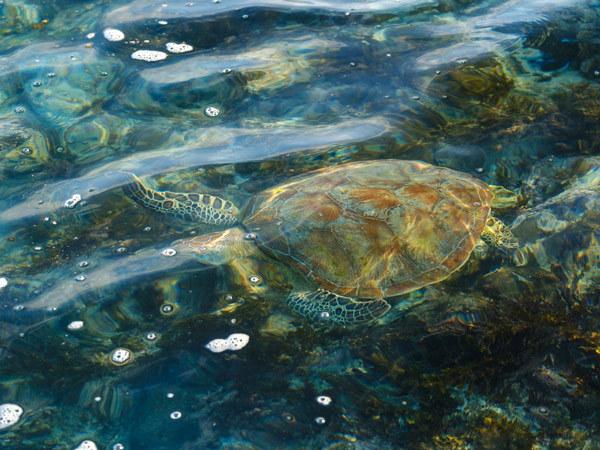
Time your visit between November and March for the chance to view hundreds of flatback turtles gathering on Eighty Mile Beach to nest.
Fish for dinner
Eighty Mile Beach is a haven for anglers. Find the deeper channels along the beach at low tide and try to hook a fish as the tide comes in.
Accommodation tip: Eighty Mile Beach Caravan Park
Day two: Marble Bar and Doolena Gorge
The next morning, we travel south down National Highway 1 for an hour and pass by the Pardoo Roadhouse (closed due to Cyclone Ilsa).
If you drive a further 15 minutes towards the coast from here, you’ll discover the world-famous Rabbit Proof Fence. But we decide to cut inland to Marble Bar, a mining settlement dubbed “the hottest town in Australia". For 161 consecutive days in 1923/1924, the temperature here remained above 37.8 degrees.

When we arrive at lunchtime, it is a degree hotter than that, so we retreat to the Iron Clad Hotel , built in 1892 to cater to thirsty miners.
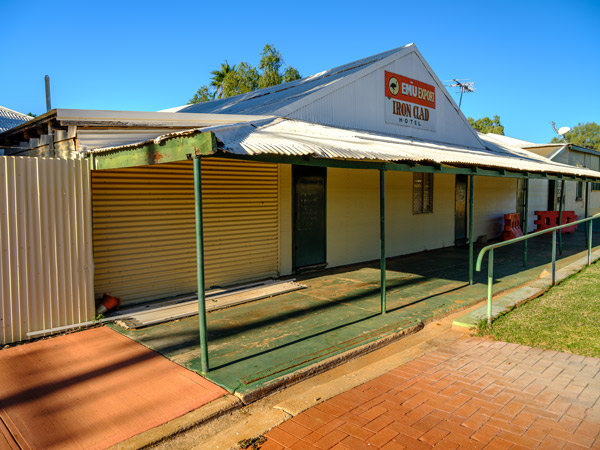
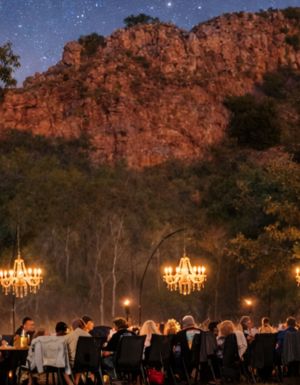
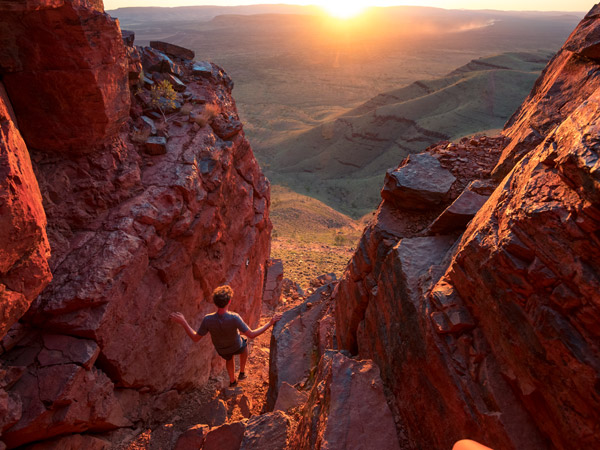
After our hearty country beef sausages with mash, peas and corn, we drive 40 kilometres north to spend the night in Doolena Gorge. It’s hot, dry, undisturbed by other visitors and mesmerising – especially when the setting sun ignites its red rock walls and cloaks the gorge in echoing shadows.
Must-see
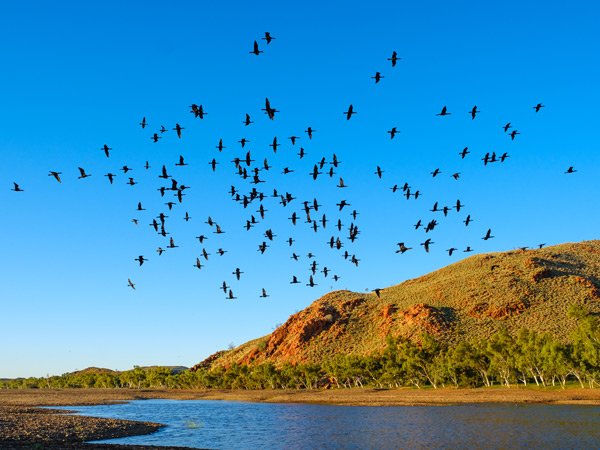
Carawine Gorge
If you feel like getting off the beaten track, head 174 kilometres east of Marble Bar to Carawine Gorge . Swim in crystal clear water while listening to birdsong – it’s worth the drive.
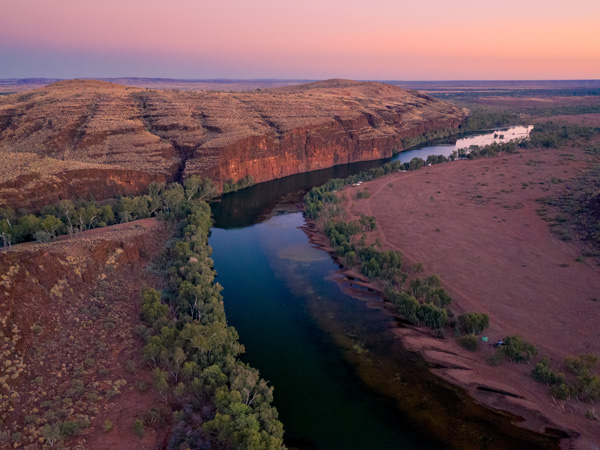
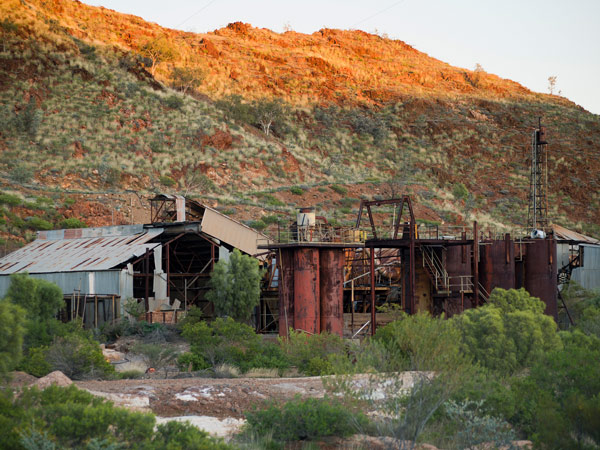
Comet Gold Mine
If you like gemstones, rocks and minerals, make a beeline for the historic Comet Gold Mine , 9 kilometres from Marble Bar.
Marble Bar Museum
Full of charm, the Marble Bar Museum and Visitor Centre has fabulous displays and doubles as an op shop that brings town folk and visitors together.
Accommodation tip: Camp at Doolena Gorge
Days three to five: Pilbara Coast
Over the next few days we journey along the Pilbara coast, searching for unspoilt corners away from Port Hedland and Karratha, towns at the centre of the region’s thriving iron ore, gas and oil industries.
At Point Samson, we discover the laid-back antidote to the industry and inland heat. If Broome circa 1990 was recreated on the Pilbara coast then this seaside resort would be it. We settle into the spotless Cove Holiday Village caravan park, swim in warm tropical waters off the little beach Honeymoon Cove and wonder, while having lunch on the verandah of Samson Beach Tavern , if we’ll ever leave.
Must-see
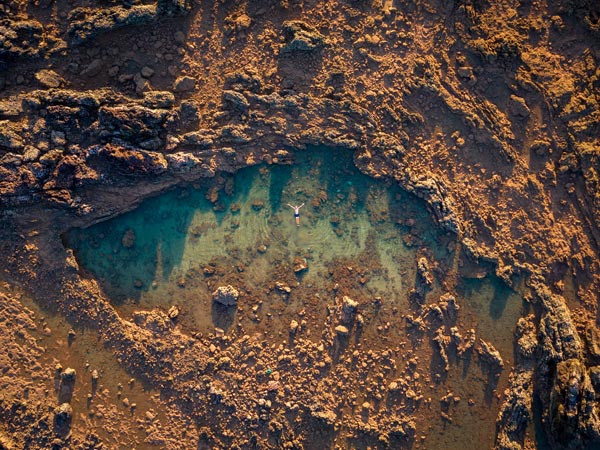
Staircase to the Moon at Point Samson
If you can, time your visit to the Staircase to the Moon dates and snap some photos from the new viewing platform at the Point Samson Peninsula.
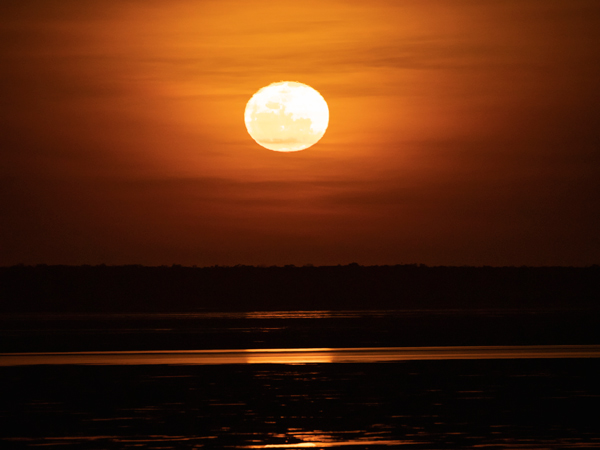
Port Hedland Salt Industry Tour
Don’t leave town without taking a 90-minute Salt Industry Tour to learn how salt is grown and harvested.
John’s Creek and Honeymoon Cove
Take a stroll along the sublime beaches at John’s Creek and Honeymoon Cove or have a picnic or barbeque on the grassed areas next to the beach.
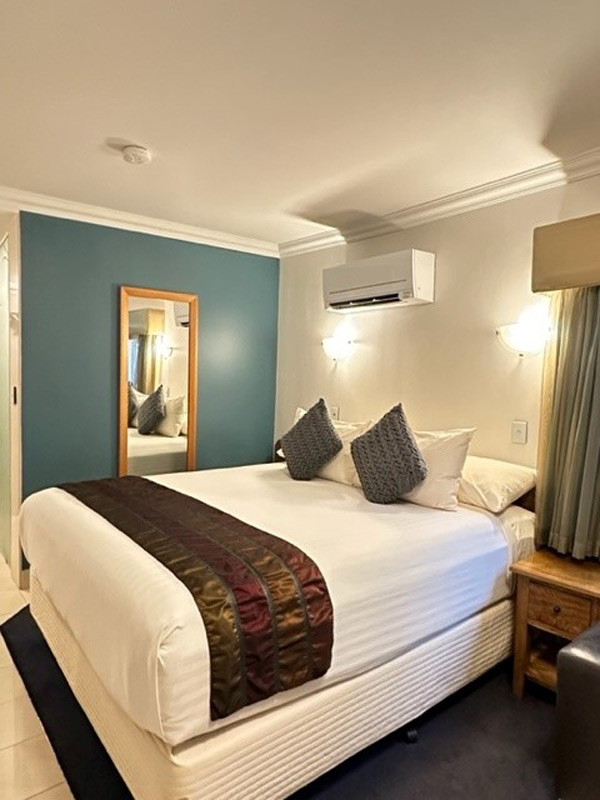
Accommodation tip: Point Samson Resort
Day six: Roebourne, Cossack and Deep Gorge
When we do leave two days later, it is to visit the nearby historic towns of Roebourne and Cossack.
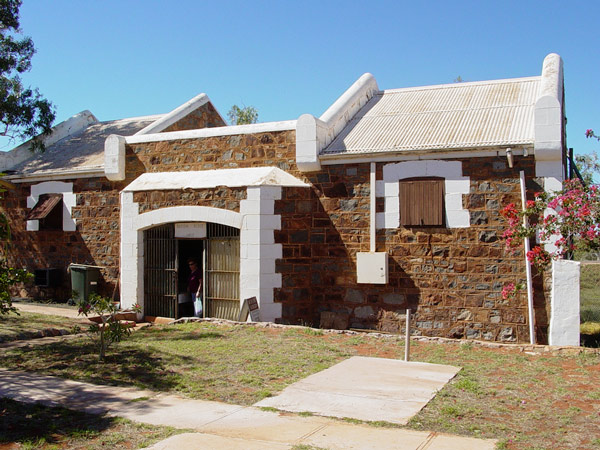
Here, at Roebourne’s Old Gaol and at the Cossack Museum in the courthouse building, we discover the area’s past as a pearling and gold mining centre and learn about the shameful treatment of local Aboriginal people who were forced to free-dive for pearls little over a century ago.
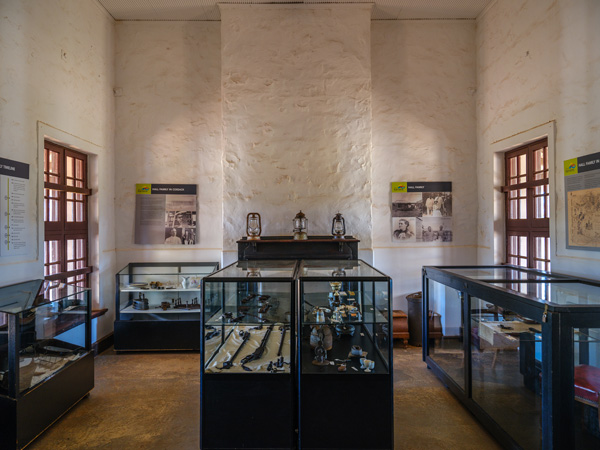
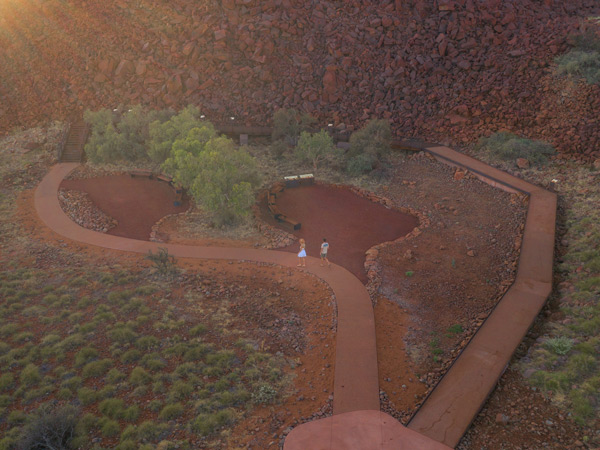
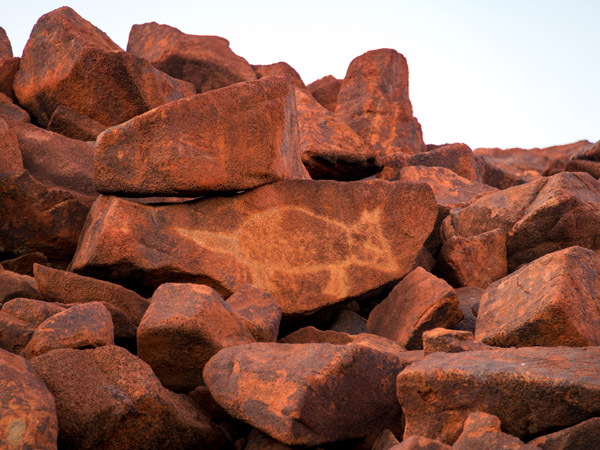
Later, we find our way to Ngajarli (Deep) Gorge in Murujuga National Park, north of Karratha. Etched on hillside boulders are 10,000 rock engravings (petroglyphs) depicting animals including the extinct thylacines (Tasmanian tigers), as well as emus and turtles. It is one of the world’s largest collections of rock carvings, but we have it to ourselves.
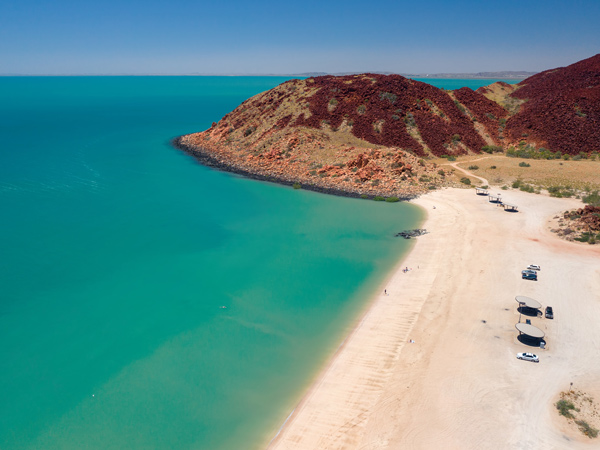
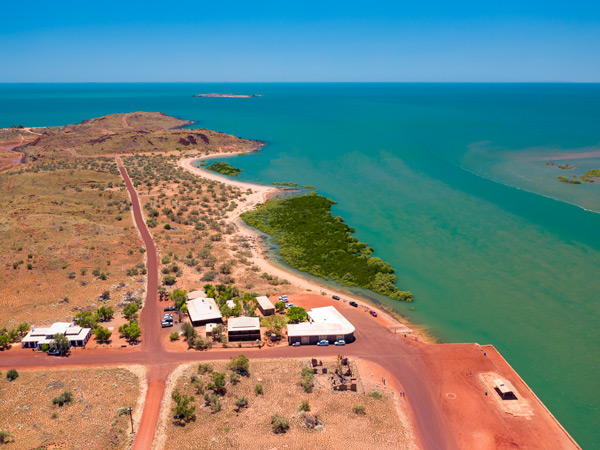
Almost as deserted is Hearson Cove, a broad slather of caramel-coloured sand beneath the rock engravings. Parking up behind the beach, we pull a bottle of West Australian white out of the campervan fridge, barbecue some fresh prawns and decide to stay overnight.
Sitting beside a roaring fire, with the ancient art behind us and a star-spangled sky above, it is an unforgettable night.
Must-see
Murujuga National Park
Home to the largest and most diverse collections of rock art in the world, Murujuga National Park really is mind-blowing.
Karratha Tank Hill Lookout
Witness a wonderful panorama that takes in the city centre and swathes of land, sea and sky at the Karratha Tank Hill Lookout.
Red Earth Arts Precinct
Catch a live show, movie or workshop at Karratha’s Red Earth Arts Precinct , a striking building that echoes the colours, contours and materials of the adjacent mountain.
Accommodation tip: Karratha International Hotel
Day seven to eight: Millstream Chichester National Park
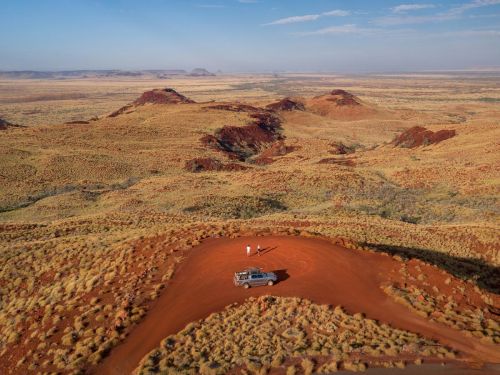
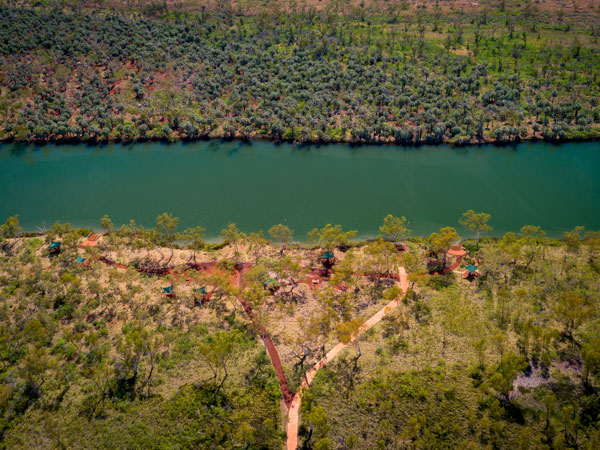
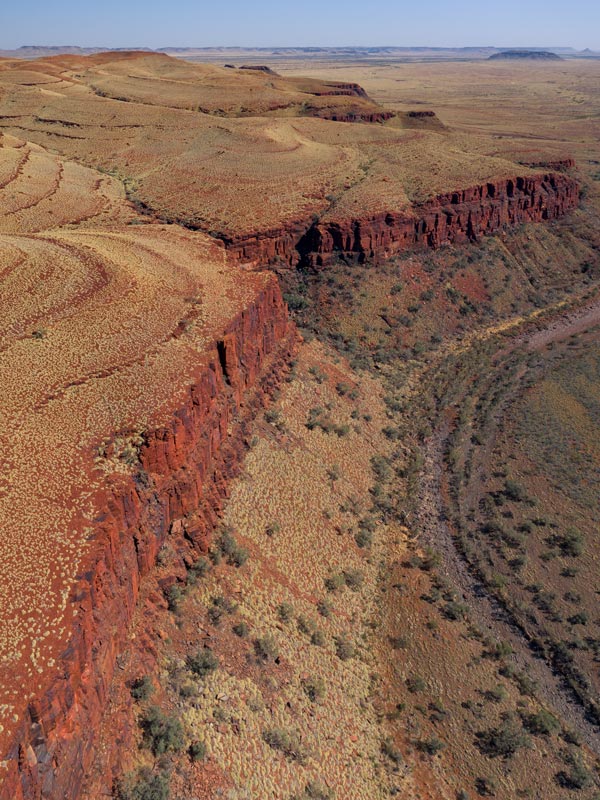
The next day, we move inland and arrive at Deep Reach Pool (Nhanggangunha) in the Millstream Chichester National Park at the mid-point of our 10-day journey from Broome to Exmouth. After the hot three-hour drive from the Pilbara coast, travelling through spinifex-covered hills and past huge mesas rearing out of the red desert, we are amazed to discover this deep waterway, lined by paperbark trees. Before the campervan engine has stopped humming, we are immersed in the pool’s cool waters.
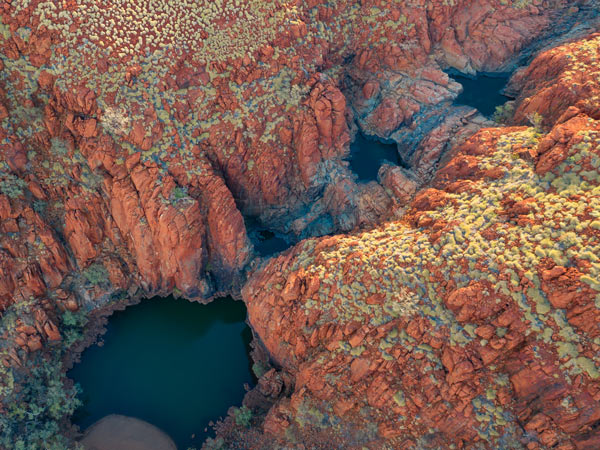
For the next half-hour, we have Deep Reach Pool to ourselves. As the olive-green water gathers reflections in the late afternoon, we drift through amplifications of the cobalt Pilbara sky and overhanging greenery. Even the corellas in nearby trees seem transfixed, barely moving from their perches.
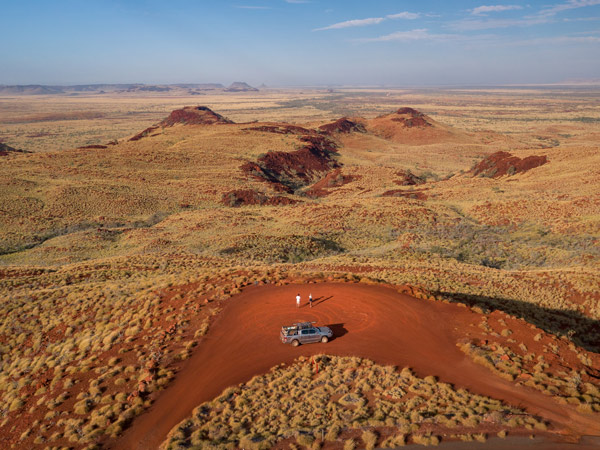
Nhanggangunha is one of the most significant Indigenous cultural sites in Western Australia, the place where the creation spirit serpent or Warlu is believed to live. It is the legend of this sea serpent, emerging from the ocean to cross the barren land while laying down waterways, that inspired the 2500-kilometre Warlu Way.
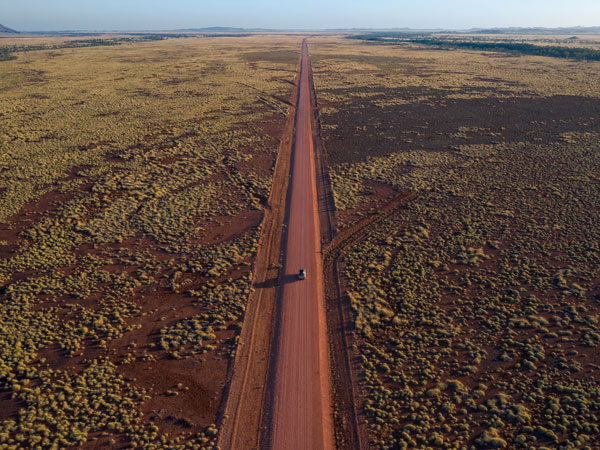
Whatever direction you do this drive, either from Exmouth to Broome or vice-versa, the desert oases of Millstream Chichester National Park lie at the journey’s heart.
Must-see
Millstream Chichester National Park
Swim in natural spring-fed water at Python Pool and Deep Reach, where the water can be so clear you can spot catfish swimming around your ankles.

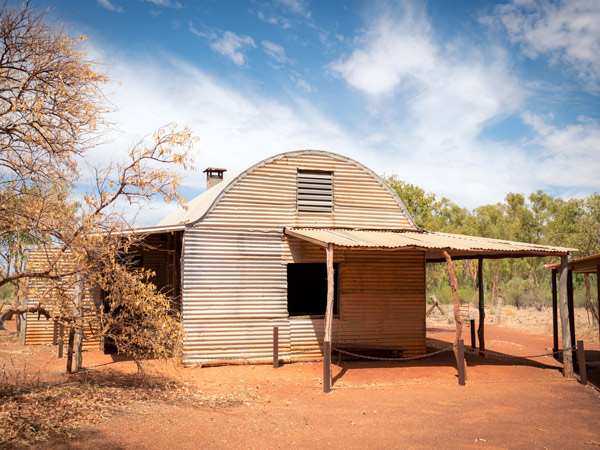
Millstream Homestead
Built in 1920, the homestead housed its last family in 1964. It’s now home to the visitor centre and a museum with rooms dedicated to the local Aboriginal Yinjibarndi people.
Mount Herbert
For an expansive view over Chichester Range, head to the Mount Herbert car park and walk up the 600-metre return summit trail.
Accommodation tip: Miliyanha Campground (near Millstream Homestead)
Day nine: Karijini National Park
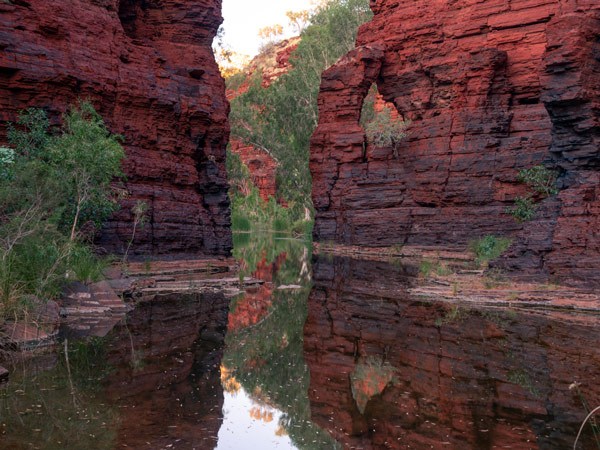
After two days, we journey onto Karijini National Park, 150 kilometres south-east of here. Karijini’s plunging chasms and swimming holes established it as our favourite Australian national park.
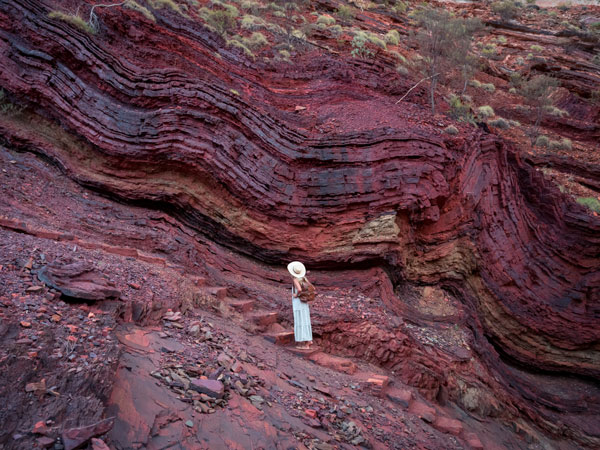
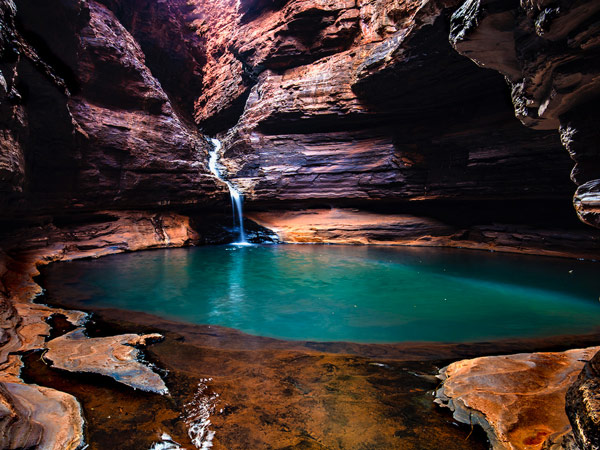
Each day follows the same pattern of gorge walks and swims in natural pools. We start at Hamersley, a broad fissure that drops down from a plateau in a series of small falls and blue-green pools.
Bands of coloured rock, from ruby to light sapphire run through the gorge walls and beneath them there’s a fern-fringed swimming hole. Above it is a hidden grotto, hollowed out of the rock face. Bubbling with sweet-tasting freshwater, it’s an irresistible natural jacuzzi.
Must-see
Hamersley Gorge
A favourite of many a visitor to Karijini National Park, Hamersley Gorge features swirls of rocks and a lush, turquoise spa pool.
Joffre Gorge
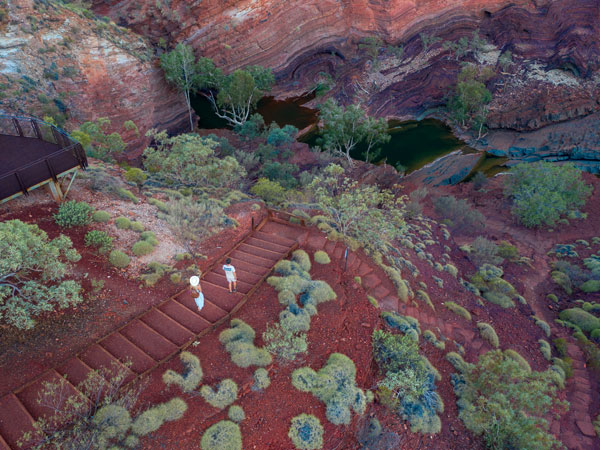
Don’t miss checking out Joffre Gorge, a stunning natural amphitheatre with a curved seasonal waterfall in Karijini National Park.
Fish the Montebello Islands
If fishing is your passion then jump on a multi-day fishing charter from Onslow to the Montebello Islands with Apache Charters .
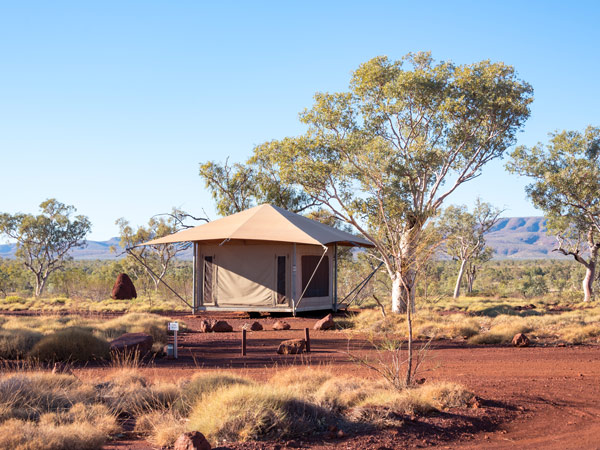
Accommodation tip: Karijini Eco Retreat
Day 10: Exmouth
It is soon time to move on again to Exmouth, on the state’s north-western tip, a full day’s drive away. Although Exmouth marks the end of our 2500-kilometre drive, the Warlu Way has one more highlight in store: swimming with whale sharks off Ningaloo Reef.
Having made an epic journey inspired by a mythical sea serpent, it seems apt to conclude it by encountering not only the planet’s largest fish but one of its oldest surviving creatures, which first appeared millions of years ago.
Must-see
Swim with whale sharks
Dreaming of swimming with the world’s largest living sharks? Live Ningaloo offer small group tours on their luxury vessel Wave Rider.
Manta ray swim
If you haven’t got your fix swimming with whale sharks or humpback whales, dive in with the manta rays on a cruise with Ningaloo Coral Bay.
Snorkel in Exmouth
Filled with more than 500 species of fish and stacks of vibrant coral, Exmouth’s bays, beaches and islands offer world-class snorkelling.
Accommodation tip: Exmouth Escape Resort
The details
Equipment required
Outback 4WD or campervan for national parks, around Marble Bar and for overnight stays in remote spots like Doolena Gorge.
Approximate costs
$5889 for Britz Outback 4WD hire for 14 days, from $341 per day + $280 for a one-way fee +
$835 Broome location fee.
$480 for two nights in eco-tent at Karijini Eco Retreat
$920 for two nights at Exmouth Escape Resort .
$300 for five nights in caravan parks like Eighty Mile Beach and the Cove Holiday Village , Point Samson
$1200 for fuel from Broome to Perth (for campervan drop-off)
$1200 for food and drink (including dining out)
Total cost = $9989
The route
Broome > Eighty Mile Beach > Marble Bar > Doolena Gorge > Point Samson > Hearsons Cove > Millstream-Chichester NP > Karijini NP > Exmouth
Highlights
Overnight in Doolena Gorge, Point Samson Beach Resort, Aboriginal petroglyphs at Deep Gorge, Crossing Pool in Millstream Chichester NP, Hamersley Gorge at Karijini NP, swimming with whale sharks off Ningaloo Reef.
Best time to go:
May to September