The best ghost towns in WA to visit

hero media
If you look hard enough (and drive far enough), you can still find the quiet ghosts of Western Australia’s old boom towns hiding in the outback.

For much of the late 19th and early 20th centuries, Western Australia‘s vast outback was filled with mining and pearling boom towns that popped up in the red dirt landscape like the region’s famed wildflowers.

But, unlike wildflowers, which disappear as soon as the seasons change, many of the towns were lost to faded fortunes and mine closures, their communities scattered to the wind, forced to leave behind everything they couldn’t carry.

While the majority of these former settlements have long surrendered to the sands of time, those that remain are known as ghost towns, their ruined buildings and rusty cars filled with the shadows of the people who once lived there (you’ll find it’s a familiar tale across Australia’s regions, and Tasmania’s ghost towns are just as fascinating).

Dotted across the outback, WA’s best ghost towns aren’t the easiest places to get to, but brave the dusty drives and you’ll be rewarded; not only with a trip down memory lane to an equal parts eerie and intriguing life-size time capsule – but also with a reminder of the fate that may one day await more of Australia’s rural towns, whose once-thriving streets are emptier than ever.

1. Gwalia

Hiding out in the northwestern Goldfields, Gwalia is one of the most interesting ghost towns in Western Australia. This is partially due to its connection with geologist-turned-US president, Herbert Hoover – who was manager of the Sons of Gwalia mine when it opened in 1898 – but mostly thanks to the incredible preservation efforts that have been ongoing since the 70s.
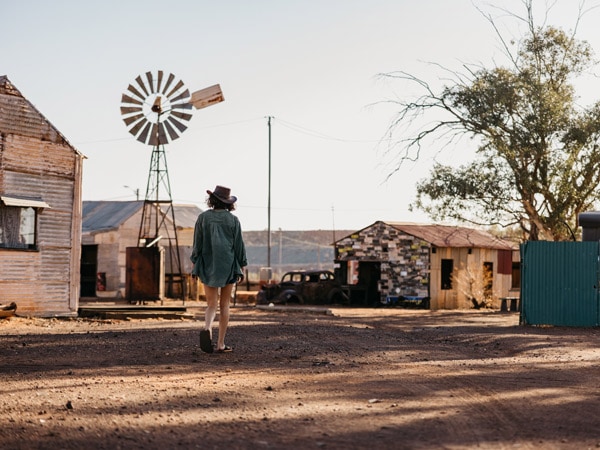
a woman exploring Gwalia Ghost Town
Gwalia has been deserted since 1963. (Image: Tourism Western Australia)

Before then, Gwalia was the epitome of a boom town, with a steam tram, shops, lodging houses, community centre, swimming pool and state-owned hotel. However, most of the 1200 residents – many of whom Hoover recruited from Italy to lower labour costs – were living in cobbled-together homes made from wood, corrugated iron offcuts and hessian sacks.
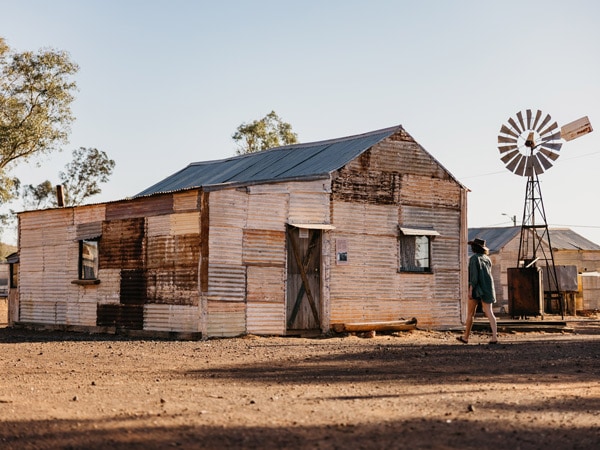
a woman exploring the abandoned gold mining town of Gwalia, WA
The abandoned gold mining town of Gwalia features remnants of cobbled-together corrugated homes. (Image: Tourism Western Australia)

In the end, a series of serious mining accidents sealed the town’s fate, with most of the community leaving within hours of the mine closing its doors in 1963.
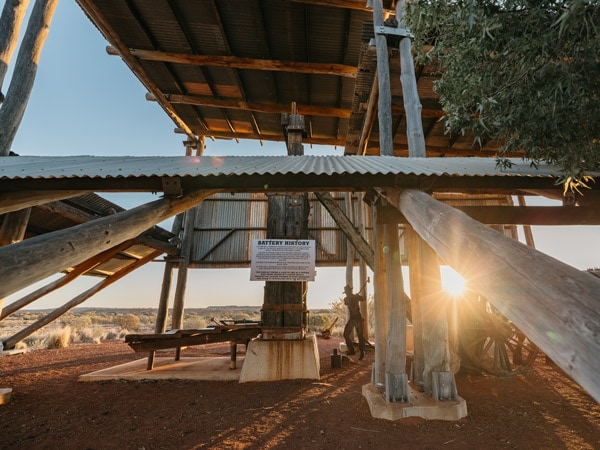
an old mining site at Gwalia, WA
Sons of Gwalia Gold Mine operated from 1896 until 1963. (Image: Tourism Western Australia)

Although the few residents left banded together to preserve the town as best they could, including opening the Gwalia Museum  in the old mine manager’s offices, it was ultimately the re-opening of the mine in 1983 that changed Gwalia’s fortunes yet again. It provided a much-needed injection of funds to relocate and preserve the old miner’s cottages from the ever-expanding pit, and, in doing so, created one of the best outback attractions in WA.
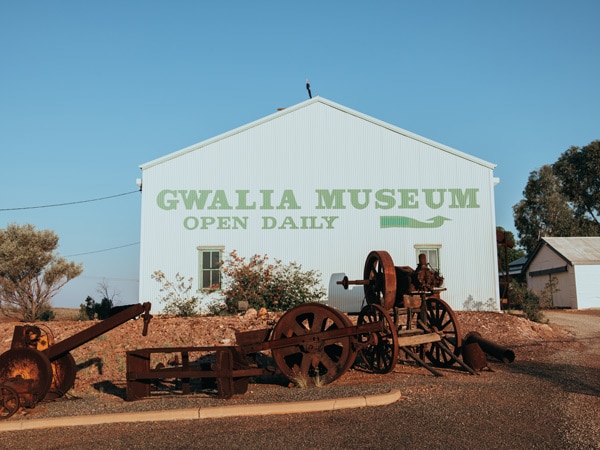
the property exterior of Gwalia Museum, WA
Explore the historical gallery inside Gwalia Museum. (Image: Tourism Western Australia)

Highlights

There are more than 30 buildings in Gwalia to explore, as well as the lovingly restored Herbert Hoover house and the Gwalia Visitor Centre and cafe.
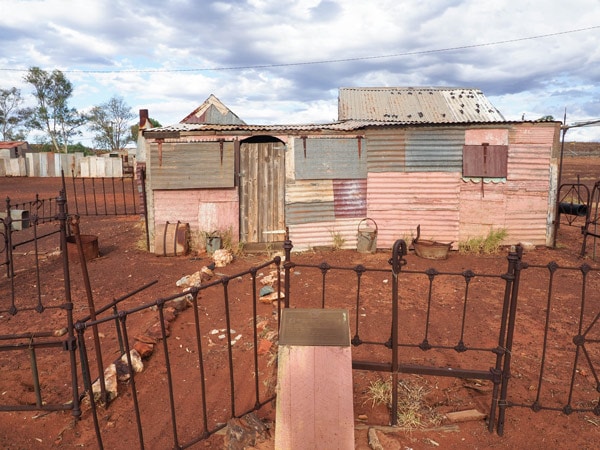
an abandoned home in Gwalia, WA
Gwalia was once home to miners’ cottages and single men’s camps.

Travellers should give themselves a good few hours to explore the town, most of which was returned to its impressive just-abandoned status as part of an “adopt-a-cottage" scheme in celebration of Gwalia’s 100-year anniversary.
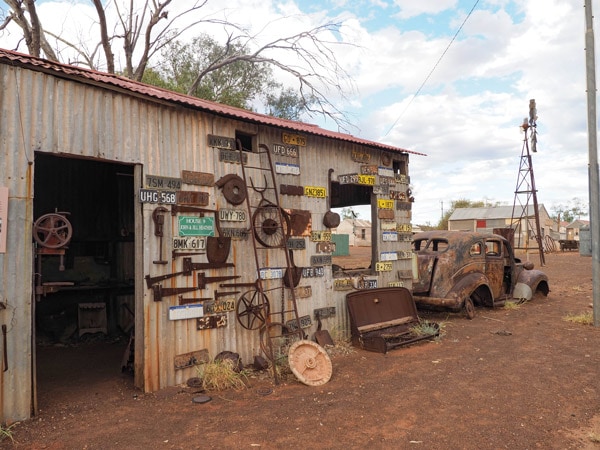
an abandoned camp and vehicle in Gwalia, WA
Gwalia’s abandoned camps are now considered historical treasures.

Visitors can also combine visiting Gwalia with some of the other highlights on the Golden Quest Discovery Trail , including the eerie statues of Lake Ballard, Menzies and the nearby ghost town of Kookynie.
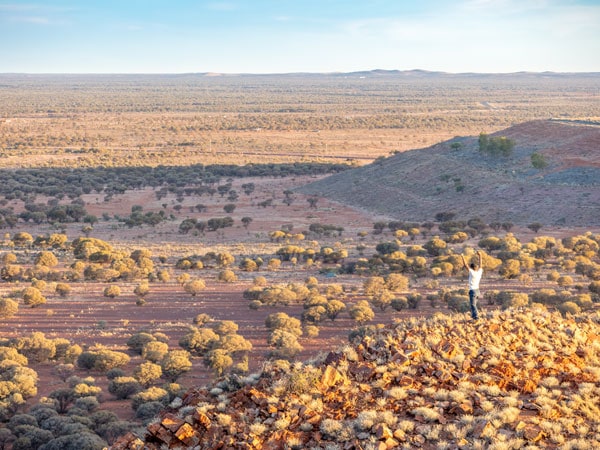
a scenic landscape at Gwalia town, Golden Quest Discovery Trail
Explore the Goldfields of Western Australia with Golden Quest Discovery Trail. (Image: Tourism Western Australia)

How to get there

Gwalia is located 829 kilometres northeast of Perth, 236 kilometres north of Kalgoorlie-Boulder and 4 kilometres south of Leonora.
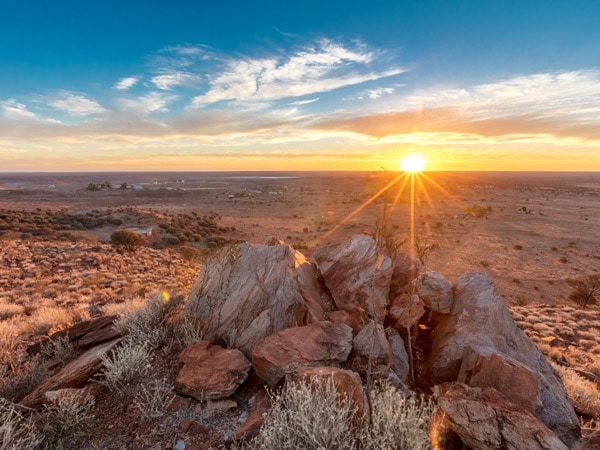
a scenic sunset view over Gwalia ghost town, WA
Gwalia is a 2.5-hour drive from Kalgoorlie Boulder. (Image: Tourism Western Australia)

Accommodation

Travellers can stay on site at the Hoover House B&B  or in a self-contained RV. Leonora also has a caravan park and a handful of other accommodation options.
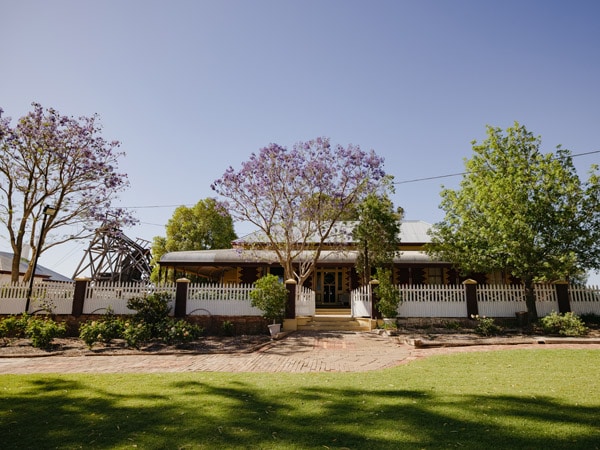
the property exterior of Hoover House B&B, Gwalia, WA
Book an overnight stay at Hoover House B&B. (Image: Tourism Western Australia)

2. Kookynie

These days, Kookynie is what is known as a living ghost town, with more tumble-down homes and rusting-away cars than residents. Although the town has been continuously inhabited since 1898, the community now numbers just 14 including Willie the horse ; whose antics alone have done wonders to put this crumbling ghost town back on the map.
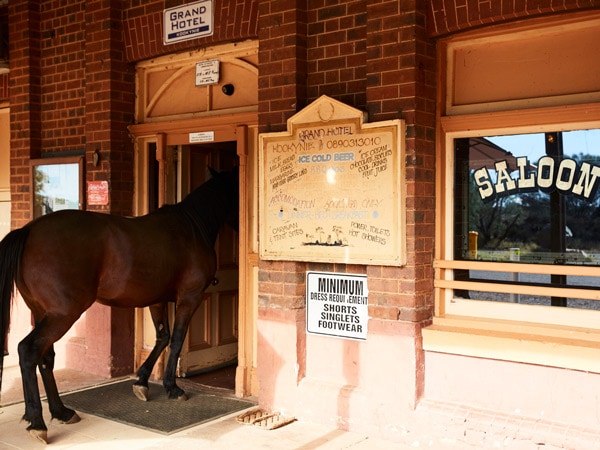
Willie the horse entering the saloon at Grand Hotel Kookynie, WA
Meet Willie the horse, a former harness racer residing at Grand Hotel Kookynie. (Image: Tourism Western Australia)

While Kooyknie started life off strong, with over 3500 residents (and just as many blow-ins) at its peak in 1907, just three years later, the cracks were starting to show. Although the mine limped on until the 1920s, most people left long before that, their abandoned homes and cars already turning to dust under the red-hot outback sun.
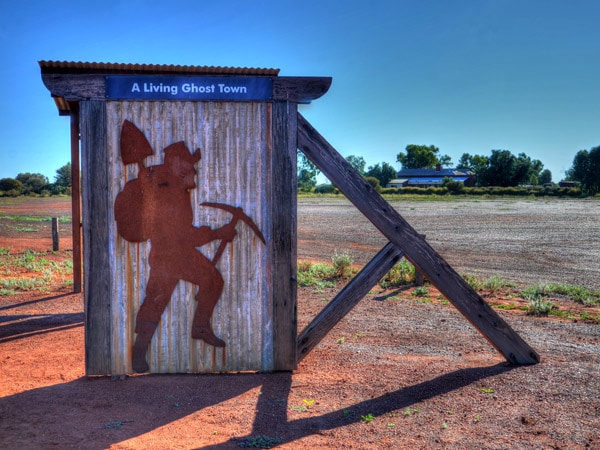
the living ghost town in Kookynie, WA
Kookynie is a certified living ghost town in WA. (Image: Chris Fithall)

As well as the rustic ruins, the major draw to the town is Kookynie’s Grand Hotel , which, incidentally, is Willie’s main hangout spot. It’s also an ideal stop to fuel up with food, drink and stories about the (g)olden days – when Kookynie was home to another 10 hotels, a racecourse, a brewery, banks, bakeries, blacksmiths, jewellers, photographers, confectioners, hospital, post and telegraph office, and even seven brass bands.
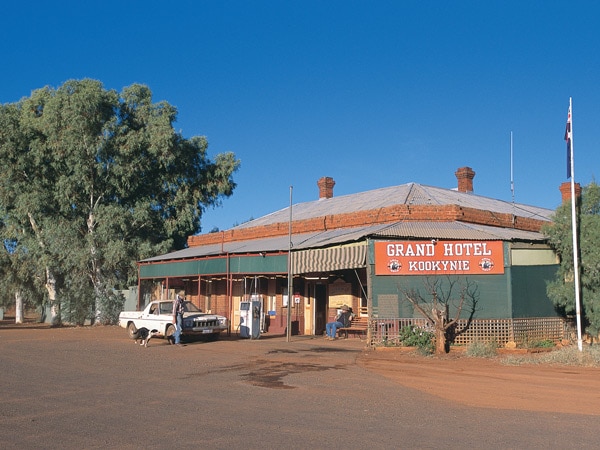
the property exterior of The Grand Hotel in Kookynie, WA
The Grand Hotel in Kookynie is a classic, iconic outback pub in WA. (Image: Tourism Western Australia)

Highlights

With little restoration, Kookynie’s historic buildings have definitely seen better days – aside from the Grand Hotel, of course, which is doing remarkably well considering it was built in 1902.

Other must-see spots include the old shops, the abandoned Cosmopolitan Hotel, and the Old Miner’s Cottage. Don’t forget to check out the placards around the town too, especially the one marking the old Japanese-run Red-Light District.
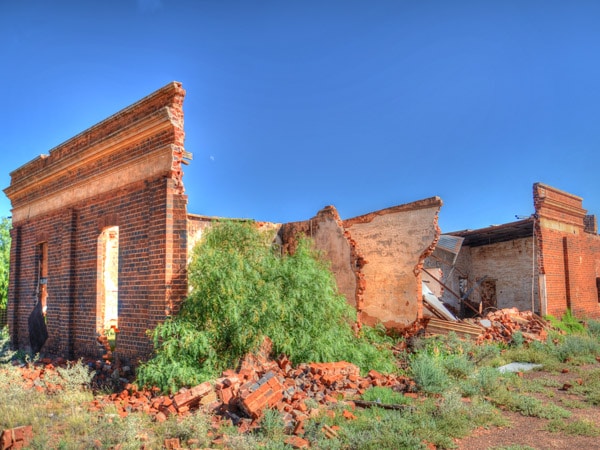
the Cosmopolitan Hotel ruins in Kookynie, WA
Don’t forget to drop by the Cosmopolitan Hotel ruins. (Image: Chris Fithall)

How to get there

Kookynie is also located on the Golden Quest Discovery Trail, 706 kilometres from Perth, 113 kilometres north of Kalgoorlie-Boulder and 109 kilometres east of Menzies.
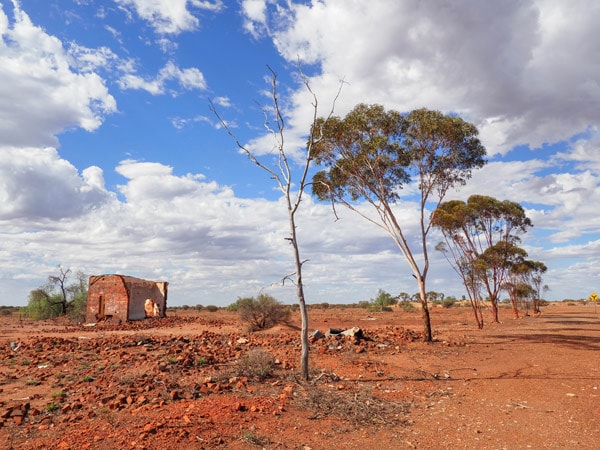
a deserted landscape in Kookynie, WA
Kookynie is the smallest town left on the WA Goldfields.

Accommodation

Travellers can overnight at the Kookynie Grand Hotel or camp at the campground or nearby Niagara Dam or Lake Ballard.
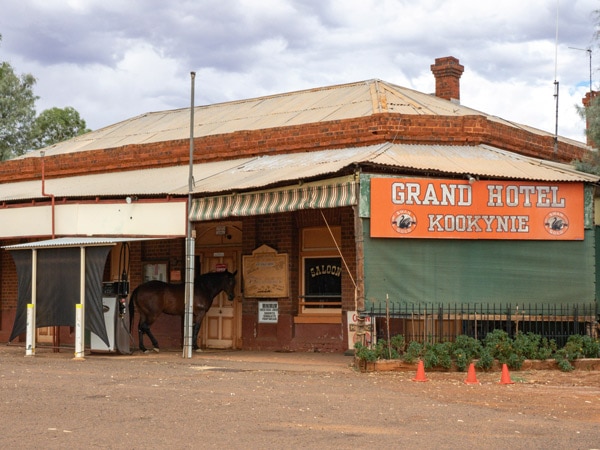
outside of the Kookynie Grand Hotel, WA
Spend a night at Kookynie Grand Hotel.

3. Big Bell

It took more than three decades to build the permanent townsite of Big Bell after gold was discovered there in 1904. But, after the mine closed not even 20 years later, the town was totally abandoned within a matter of weeks.
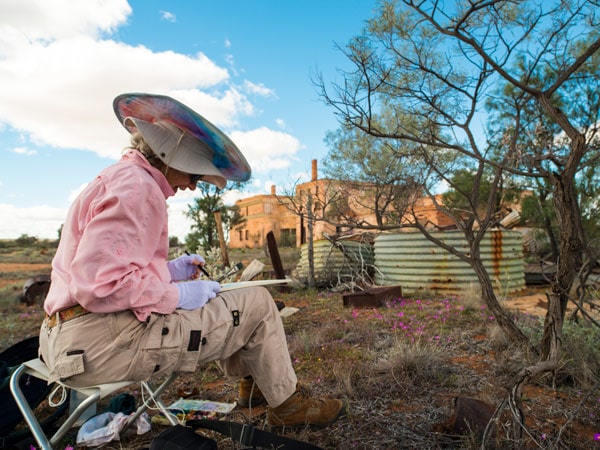
a woman sitting by the Big Bell townsite, WA
Big Bell is an old Australian mining town.

While the Big Bell mine would go on to be re-opened (before closing for good in 2003), the town itself, which was home to more than 800 people, a busy train station, hospital, state-of-the-art picture house, and a grand art déco style hotel, was left to face the elements.
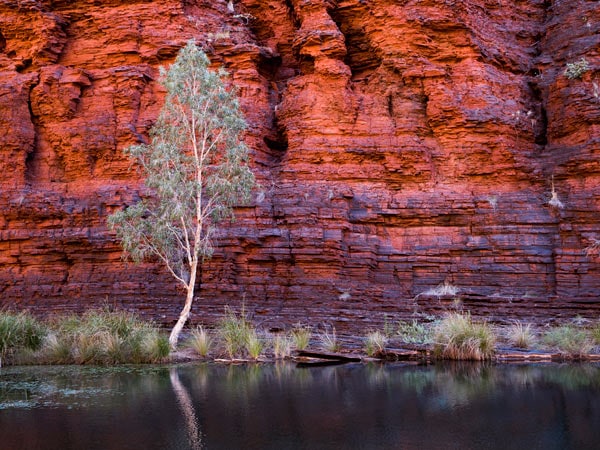
a red-orange rock landscape in Karijini National Park
Karijini National Park is known for its stunning red rock landscape. (Image: Tourism Western Australia)

Nearly 70 years on, the striking ruins of Big Bell have become a popular attraction for travelers in the region. They also make a good halfway stop between Perth and Karijini National Park, along with nearby Walga Rock and the Old Masonic Lodge and abandoned hospital in Cue, which all have plenty of mysteries of their own.
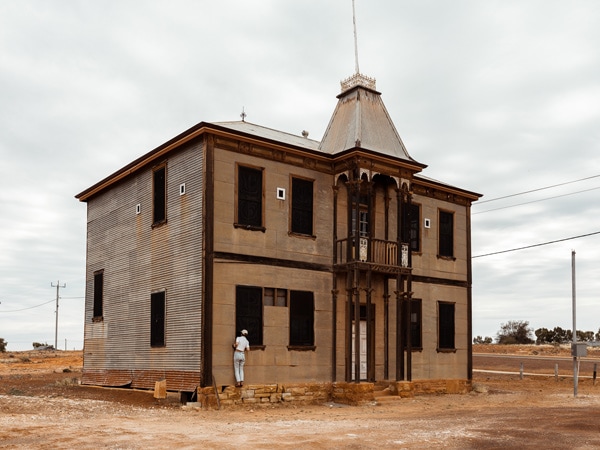
the eerie building of Old Masonic Lodge in WA
This spooky, abandoned building of Old Masonic Lodge was built in 1899. (Image: Tourism Western Australia)

Highlights

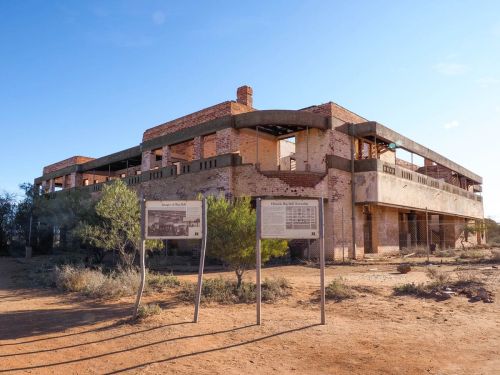
The hands-down highlight of Big Bell is the sprawling old hotel, which was once known for having the longest bar in Australia.

While only the pub and the church remain standing, the rest of the town is also worth a drive-by scout out, if only to see the dusty streets pockmarked with slabs of long-gone houses. Some are even marked by plaques with photographs and stories of the people who once lived there.
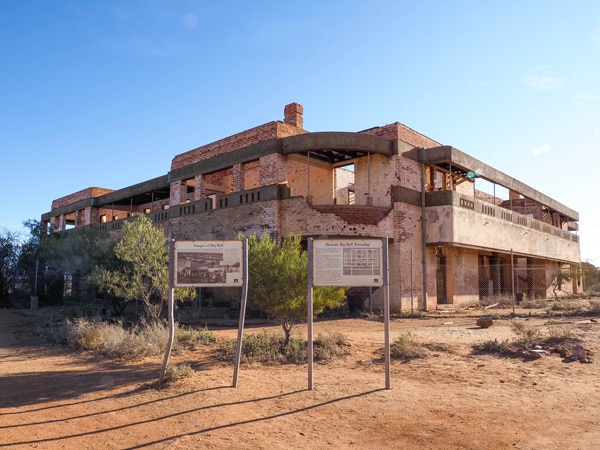
the ruins of Big Bell hotel, WA
Big Bell Hotel used to lay claim to the longest bar in Australia.

How to get there

Big Bell is located 31 kilometres west of the town of Cue, 672 kilometres northeast of Perth and 770 kilometres south of Karijini National Park via the Great Northern Highway.
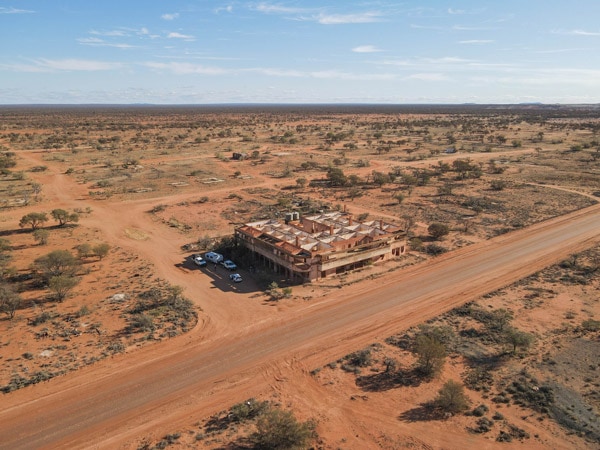
an aerial view of Big Bell ghost town, WA
Big Bell is a 25-minute drive west of the remote town of Cue.

Accommodation

While self-contained travellers can camp in the townsite, there are plenty of other accommodation options in the nearby towns of Cue, Meekatharra and Mount Magnet.
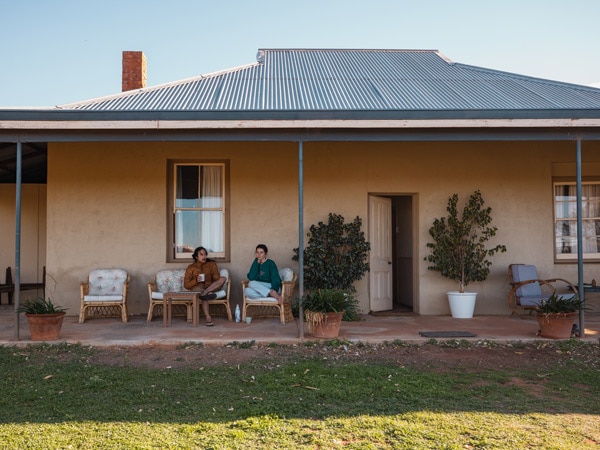
two people sitting in fornt of their accommodation at Kirkalocka Station, near Mount Magnet, WA
Settle in a rustic accommodation at Kirkalocka Station, near Mount Magnet. (Image: Tourism Western Australia)

4. Cossack

Also known as Bajinhurrba to the Indigenous Ngarluma people, the heritage-listed ghost town of Cossack was once the centre of the pearling industry in Western Australia.
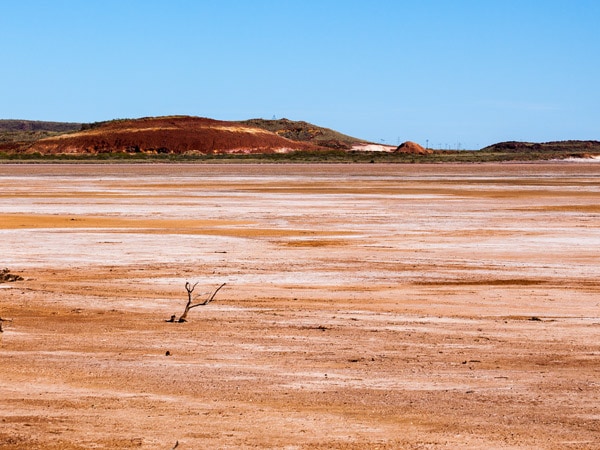
a dry landscape of salt pan near Cossack ghost town, WA
Cossack is a historic ghost town near Roebourne.

Established as a pastoral port town in 1863, it went through many incarnations over the years, including pearling, gold prospecting, and even hosting a nearby leprosy colony. Now, more than 70 years after it was first abandoned, ghost town tourism is breathing new life back into its heritage-listed bluestone buildings.
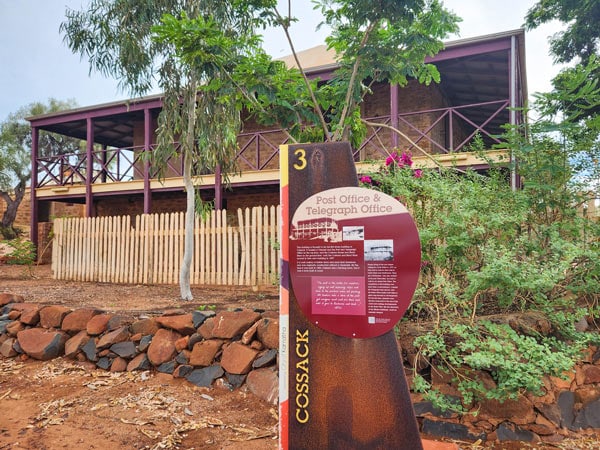
the building of Cossack Post and Telegraph Office, Cossack ghost town, WA
The building of Cossack Post and Telegraph Office is still intact to this day.

Back in the hands of the Traditional Owners, thanks to the Ngarluma and Yindjibarndi Foundation, Cossack is a world away from its 1870s heyday. Back then, the rough-and-ready town was home to over 80 pearling vessels, mostly manned by Aboriginal and Asian divers.
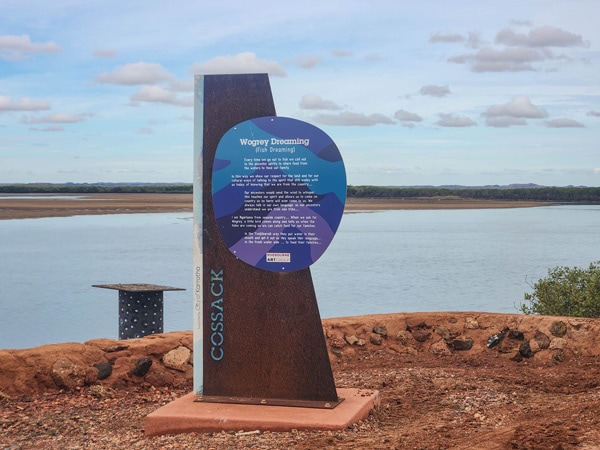
a fishing spot in Cossack ghost town, WA
Cossack is a fishing spot in the Pilbara region of WA.

In the settlement, where buildings were tethered to the ground by giant ship chains in an early attempt at cyclone-proofing, there were different quarters for the crew, including “Chinatown", “Japtown" and “Malaytown", which each had their own shops, tailors, bathhouses, and brothels.
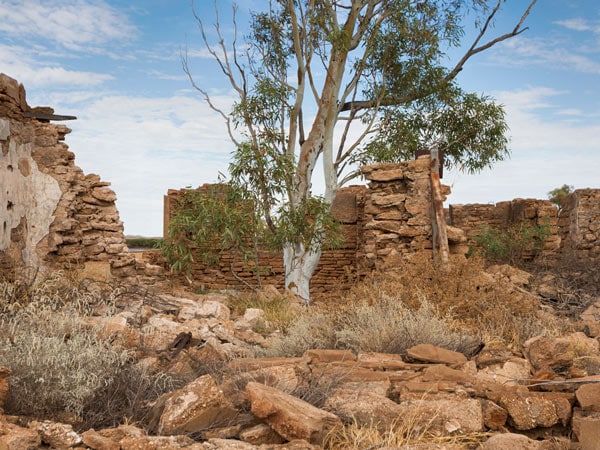
destroyed walls and bricks of an abandoned building in Cossack ghost town, WA
The entire town of Cossack is desolate.

In the end, the town’s demise was slow and painful, starting with the relocation of the pearl industry to Broome, followed by a short-lived boom-and-bust gold rush and all but ending with the construction of the new port at Point Samson.
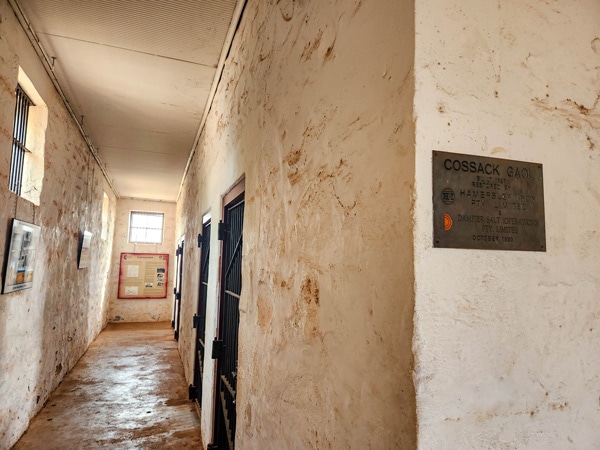
inside the old gaol at Cossack ghost town, WA
Wander inside the old gaol at Cossack.

After the last residents left, Cossack lay battered by storms and cyclones until 2007, when it was designated as a museum town. Since then, it’s undergone significant restoration efforts, with more now on the cards.
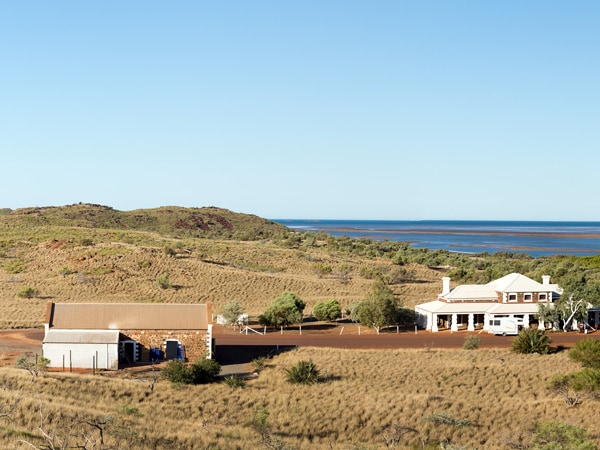
the town of Cossack at the mouth of the Harding River, Cossack ghost town, WA
Cossack is located on Butchers Inlet at the mouth of the Harding River.

Highlights

The best way to experience Cossack is by following the self-guided Cossack Heritage Trail . There is a walking part of the trail, which covers the buildings in the town centre, and a driving part, which heads further afield to Settlers Beach, the Afghan Transit Camp, Chinese Market Gardens, and the European and Asian Cemeteries.
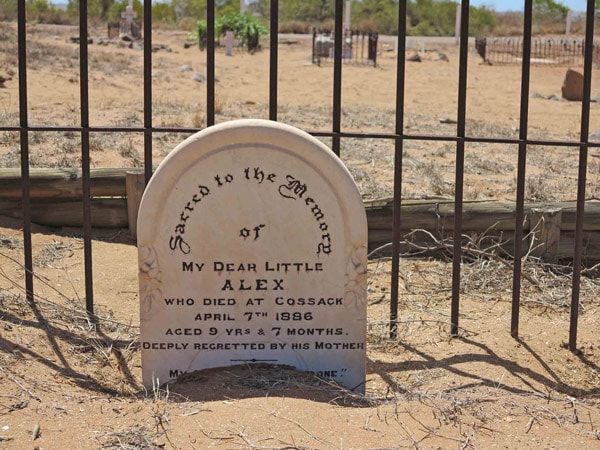
a tombstone in Cossack Cemetery, Cossack ghost town, WA
Find old tombstones in the little forgotten cemetery of Cossack.

Travellers can also visit the cafe, go fishing, admire Jarman Island Lighthouse  from the lookout spots, and, at certain times of the year, see the Staircase to the Moon – a natural phenomenon where the full moon’s reflection in the tidal flats resembles a staircase.
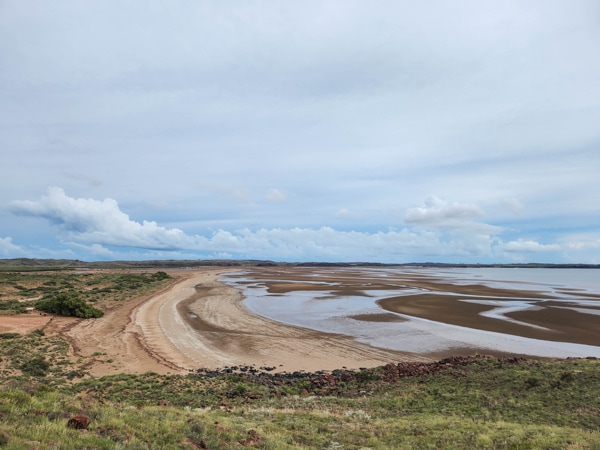
a scenic view of Settlers Beach, Cossack Heritage Trail, WA
Settlers Beach is part of the Cossack Heritage Trail.

How to get there

Cossack is on WA’s North West coast, 14km north of Roebourne, 51 kilometres east of Karratha and 214 kilometres west of Port Hedland.
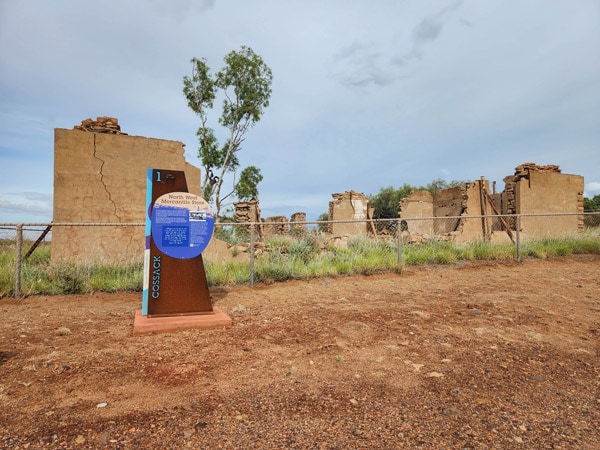
the ghost town of Cossack, WA
Cossack is a historic and sleepy ghost town by the 1910s.

Accommodation

Travellers can stay in Cossack in the converted old police barracks (open during the dry season). There are also accommodation options and campgrounds at nearby Point Samson.

Cassie Wilkins
Cassie Wilkins is a freelance travel writer who lives in Perth, WA. After spending seven years travelling the world, she now loves nothing more than heading into the outback, sleeping in a swag under the stars and sharing all the stories of the places she finds along the way.
See all articles
hero media

Inspire your senses with these iconic East Kimberley stays

The East Kimberley should be on every bucket list, and here’s why.

Livistona palms soar out of chasms the colour of Valencia oranges. Shady waterholes beckon travellers daring to venture off the bitumen. From the air, fruit farms give way to vast plains that meet rolling hills and fascinating geological formations centuries in the making. The East Kimberley is one of Australia’s most treasured wilderness areas, but don’t be fooled by its rust-coloured roads. This north-eastern corner of Western Australia is home to some of Australia’s most iconic stays by Discovery Resorts  that should be on everyone’s bucket list.

A group of people enjoy an intimate dining experience at El Questro Homestead.
Dine in the heart of nature.

Your guide to Lake Argyle

The backstory

With rolling hills that glow amber at sunrise and glassy water that reflects the Kimberley’s bright blue sky, a visit to Lake Argyle is nothing short of awe-inspiring. As Australia’s second-largest man-made freshwater lake, travellers flock here to soak in the views from boats, helicopters and Discovery Resorts – Lake Argyle .

The latter is a lakeside oasis, a resort where travellers crossing from Western Australia into the Northern Territory (or vice versa) converge. Fifty minutes’ drive south of Kununurra, the property is perched atop a cliff overlooking the sprawling Lake Argyle.

Discovery Resorts – Lake Argyle was originally built in the late 1960s to provide accommodation for builders of the Ord River dam, which formed Lake Argyle. In the decades that followed it had several owners, until a Kununurra local took the reins in 2004 and reinvented the property with luxury villas and its now world-famous infinity pool. The iconic property was added to the Discovery Resorts portfolio in 2021, undergoing a major upgrade that took the resort from a beloved campground to an all-encompassing resort with premium waterfront villas.

A boat glides across the expansive waters of Lake Argyle, surrounded by the breathtaking landscapes of the Kimberley. As part of the Discovery Holiday Parks experience, this unforgettable journey offers adventure and relaxation.
Glide across the vast, shimmering waters of Lake Argyle.

The rooms

A lakeside resort like no other, Discovery Resorts – Lake Argyle offers something for everyone, from campsites to villas and cabins . The Deluxe Lakeview Cabins have views of the opposing cliff and are surrounded by bush, ensuring plenty of privacy, while both the Deluxe and Standard Cabins are ideal for families, with contemporary furnishings and one, two or four bedrooms. The campsites also come in a variety of sizes.

The facilities

There’s no doubt the biggest drawcard to Discovery Resorts – Lake Argyle is the lake, 20 times the size of Sydney Harbour. One of the best ways to experience it is on the Kimberley Durack Sunset Explorer Cruise , during which you’ll see freshwater crocodiles nesting along the banks (it’s home to 30,000 freshies) and even get the chance to swim in their waters. The cruise also takes in Mt Misery, towering above the original and now submerged Argyle Downs Homestead.

If you have young children who need to get to bed early, a great alternative is the three-hour Lunch Explorer Cruise . You’ll tour around the lake’s bays as you learn about the local wildlife before stopping at a remote island for a swim.

Refuel between adventures at the onsite pub-style eatery, The Lake Argyle Cafe. The cafe is the heart of the resort, bringing together friends new and old over a steak, cold beer and live music. Hours vary with the seasons, but rest assured you’ll be able to enjoy a good feed year-round, with a well-stocked general store also open during the day.

Cool off from a day of exploring in the striking infinity pool with some of the best views in the country (you’ll find sweeping views of the lake below). Or enjoy a flight with HeliSpirit, or clear your mind during a yoga class on the lawn.

Two people unwind in an infinity pool, overlooking stunning Lake Argyle at Discovery Holiday Parks.
Take a dip in the infinity pool and soak in breathtaking Lake Argyle views.

Your guide to El Questro

The backstory

One of the most famous stays in Australia is El Questro . A former cattle station, it’s evolved into one of the country’s most recognisable tourism destinations over the past 30 years, and is now embarking on a new chapter to elevate the region’s rich First Nations culture.

The property draws travellers seeking to reconnect with nature and the beauty of this country. Wild in spirit but immaculate in style, El Questro is a 283,000-hectare property like no other; surrounded by dramatic gorges, impressive mountain ranges, thermal springs, secluded waterfalls and even rainforest, it’s the perfect base for adventurous souls.

A person floats leisurely in the river at Discovery Holiday Parks, immersed in nature’s tranquillity.
Float along Zebedee Springs and immerse in nature.

The rooms

Across the sprawling El Questro are three properties catering to the wide variety of travellers who journey this way. The most impressive is the luxurious Homestead , where 10 suites perch at the edge of a burnt-orange cliff, with cantilevered bedrooms over the peaceful Chamberlain River. The adults-only, all-inclusive Homestead is a member of the prestigious Luxury Lodges of Australia collection and offers a backdrop of thick bushland; riverside, you’ll find an immaculate lawn and a shaded pool that lures guests out of their rooms.

At Emma Gorge , travellers will be immersed in the beauty of the Cockburn Ranges, falling asleep to the sounds of wildlife in safari-style tented cabins. This is where you come if you want to completely connect with your environment while retaining a few creature comforts. The Emma Gorge Tented Cabins sleep three or four people and feature private ensuites and ceiling fans.

Families also love The Station , home to simple yet comfortable air-conditioned rooms, as well as a large, leafy campground. Sitting by the Pentecost River, The Station is open from April to October and has a range of accommodation, from unpowered and powered campsites to air-conditioned tents for two people and a Gardenview Family Room for five.

Two people stand beside a suite perched on the edge of a striking burnt-orange cliff, gazing out over the serene Chamberlain River below.
Take a breather with stunning views of nature all around.

The facilities

Located in the heart of the Kimberley, El Questro retains its strong connection with its Traditional Owners, the Ngarinyin people. A highlight of a stay here is the Injiid Marlabu Calls Us experience ; over two hours, guests are immersed in the soul of Country by witnessing ancient healing rituals, listening to generational stories and learning about the land’s ancestral heritage.

Other experiences include bird watching, cruising through Chamberlain Gorge, hiking through Emma Gorge, horse riding, four-wheel-driving and soaking in Zebedee Springs. At the properties, you can also cool off in the pools, and relax in the restaurants or at private dining locations. A bonus of staying at The Homestead is the exclusive service of El Questro’s dedicated reservations team, who will craft a bespoke itinerary tailored to your travel tastes.

A group of people stand beside a tree, with a car parked nearby, taking in the surrounding natural beauty.
Experience thrilling nature activities.

Book your East Kimberley adventure today with Discovery Resorts.