
Western Australia’s East Kimberley has boosted funding in preparation for a once-in-a-century total solar eclipse taking place in July 2028.
Comprising the far northeastern corner of Western Australia, the East Kimberley region is tipped to be the world’s best location for witnessing a once-in-a-lifetime total solar eclipse that will sweep over Australia on 22 July 2028.
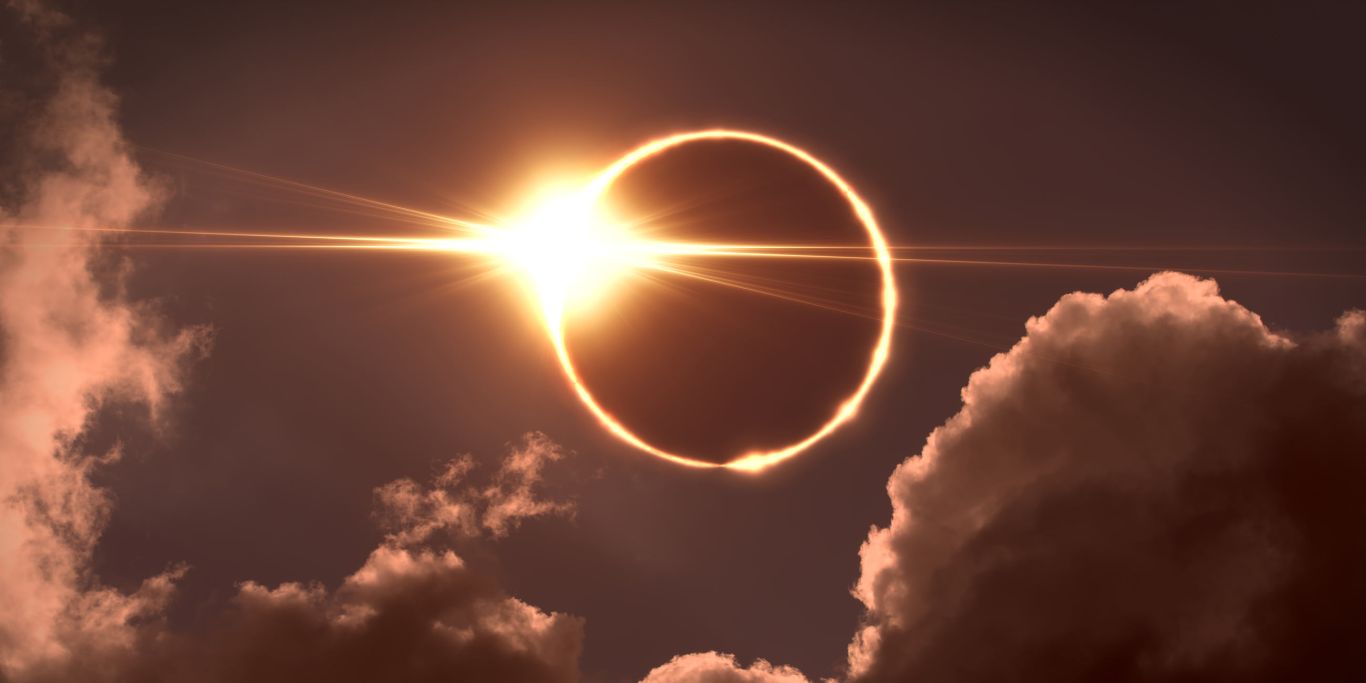
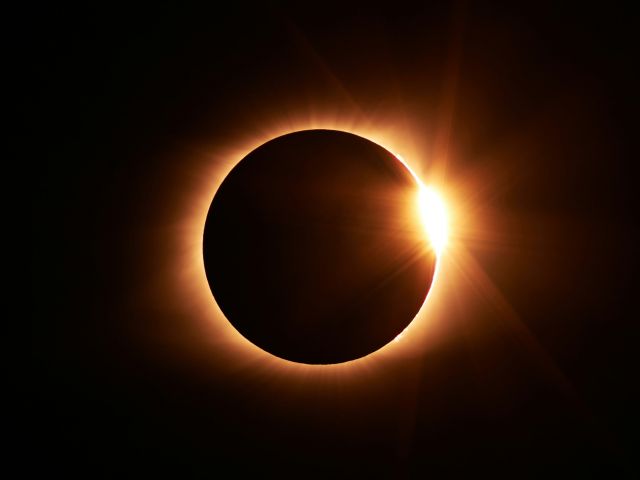
With up to five minutes and ten seconds of totality, the region will experience the longest duration of total darkness in Australia – and in the world this century – as the Moon perfectly aligns with the Sun. The effect? A surreal midday twilight, along with a ‘diamond ring’ halo around the Moon as the Sun’s outer corona is revealed.
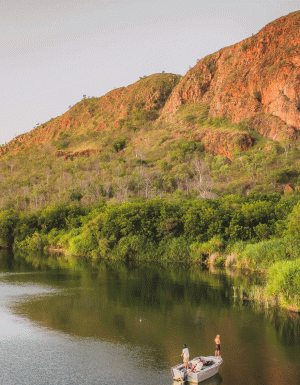
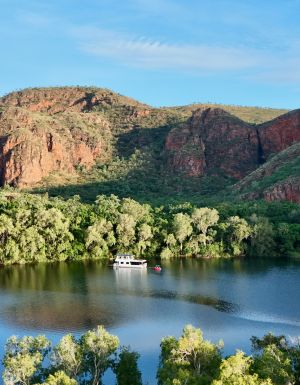
Add to this the East Kimberley’s exceptionally clear dry-season skies, minimal light pollution and stunning natural backdrops layered with cultural significance, and it’s clear why astronomers far and wide are already readying their telescopes.
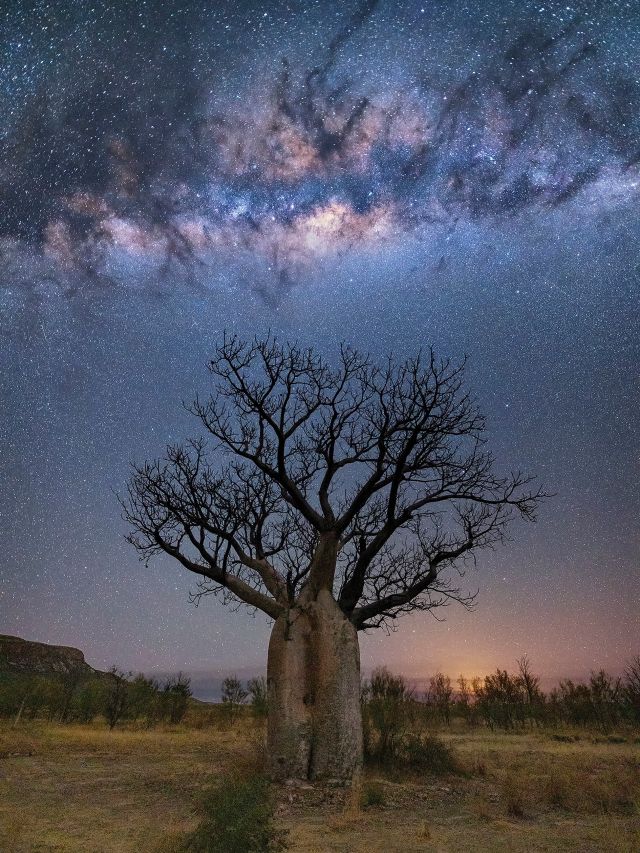
The rare solar eclipse is expected to attract thousands of Aussie and international visitors to the East Kimberley region.
In preparation, the Cook Labour Government is providing $24.6 million to ensure crucial infrastructure and public safety services are set up. Key actions include upgrading camping sites and water facilities in Kununurra and improving regional telecommunications.
The funding also includes a proposed public viewing site along the Great Northern Highway within the line of totality.
“The East Kimberley is the best place in the world to see this rare astrological phenomenon, with the longest period of totality, clearest skies and dramatic landscapes," says Regional Development and Kimberley Minister Stephen Dawson.
“The event is a once-in-a-lifetime opportunity for residents and visitors, as well as providing an economic boost to local communities and businesses."
Need tips, more detail or itinerary ideas tailored to you? Ask AT.
AI Prompt
What is a total solar eclipse?
A total solar eclipse occurs when the Moon passes between the Sun and Earth, completely concealing the Sun. This casts a shadow over Earth, creating a few minutes of total darkness in the path of totality and allowing the Sun’s corona (the outermost part of its atmosphere) to be witnessed. The effect is a halo-like ring around the moon.
Where will the 2028 solar eclipse occur?

The 2028 solar eclipse will begin over the Indian Ocean, before crossing over Australia’s Cocos Keeling Islands and Christmas Islands. Then, it will pass Western Australia’s northern Kimberley coast and make landfall in the Kimberley region before travelling across central Northern Territory, Queensland and New South Wales.
For visitors travelling to the East Kimberley to witness the rare phenomenon, some of the best viewing spots include around Kununurra, Wyndham and Purnululu National Park, along with parts of the Great Northern Highway.
When will the 2028 solar eclipse occur?
The total solar eclipse will occur on Saturday 22 July, 2028, with maximum totality expected to be visible around 11am. A partial eclipse will also be visible for around one and a half hours before and after the totality period.
Can’t wait until 2028? Read about the best stargazing spots in Australia.
Want to see more stories from Australian Traveller in your Google search results?
- Click here to set Australian Traveller as a preferred source.
- Tick the box next to "Australian Traveller". That's it.