Here’s how to road trip the Kimberley

hero media
There’s something cathartic about hitting the open road and letting it roll beneath you for hours and hours. Welcome to the Kimberley, the ultimate road trip destination.

Bordered by the Great Sand Desert in the south and the Northern Territory in the east, the Kimberley offers over 420,000 square kilometres of wilderness to explore. Famous for its rugged ranges, dramatic gorges, semi-arid savanna and largely isolated coastline, this wonderfully wild region is crisscrossed with unsealed, rugged roads (and also some bitumen), each leading you to new discoveries.

Step away from everyday life and head off the beaten track to World Heritage-listed Purnululu National Park or put your vehicle into 4WD to bump along the Gibb River Road, or cruise north from tropical Broome to explore the remote beaches of the Dampier Peninsula.
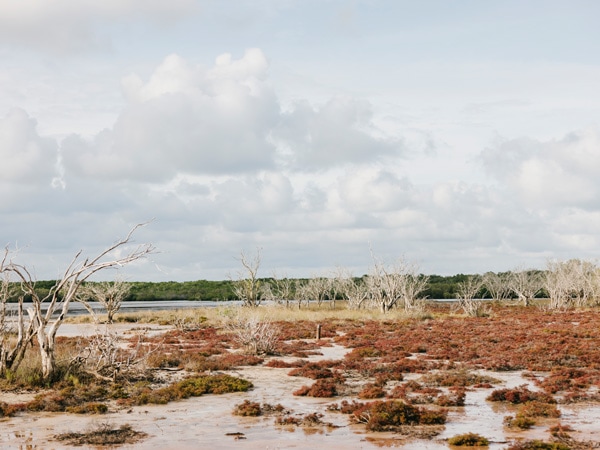
the Dampier Peninsula, Kimberley
Dampier Peninsula is renowned for its rugged coastal wilderness. (Image: Tourism Western Australia)

Rite of passage: The Gibb

If there’s one way to earn your stripes as a true-blue outback adventurer, it’s by taking on the 660-kilometre Gibb River Road, a 4WD-only track that cuts through the heart of the Kimberley.

The former cattle droving route is legendary, not just for the station characters you’ll meet on the way or the bottle-shaped boab trees, but for the stretches of corrugations that’ll rattle your teeth.
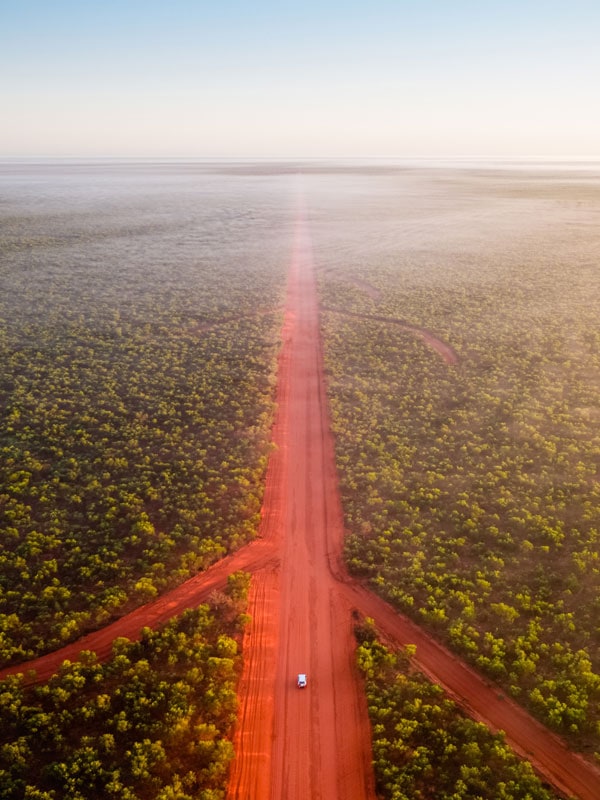
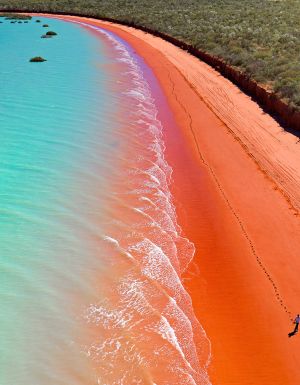
an aerial view of the Cape Leveque Road, Kimberley
Take the scenic paprika-hued road. (Image: Tourism Western Australia/@from.miles.away/@mattfrommilesaway)

The deep paprika hue of the land gives way to water-filled gorges and immense rock formations, the kind of natural havens you won’t find anywhere else in Australia.
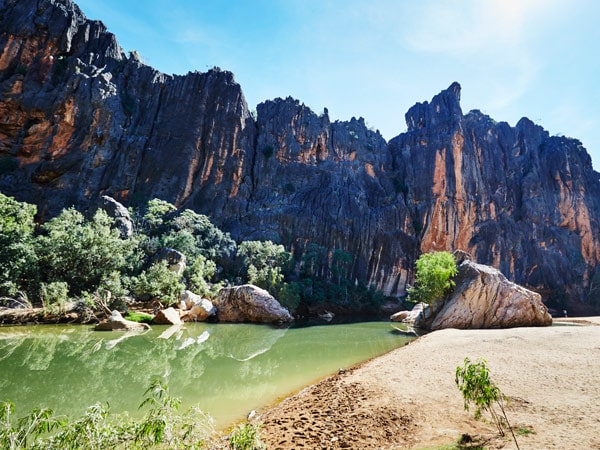
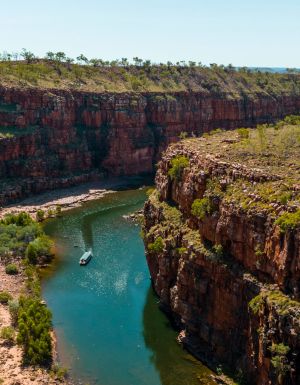
the scenic Windjana Gorge in the Kimberley
Find Windjana Gorge, one of the spectacular natural rock formations in the Kimberley. (Image: Tourism Western Australia)

How long?

The route between Derby and Kununurra can be done in five days, but it’s best to take over a week to do it properly, blending in memorable stays at working cattle stations, wilderness parks and conservation sanctuaries.

What’s required?

If you’re self-driving, a 4WD, water, food, safety supplies and camping equipment are essential. Otherwise, join an all-inclusive tour and enjoy the ride.

Must-see hotspots

Just out of Derby, stop at Mowanjum Art and Culture Centre  to meet Aboriginal artists and watch the intricate craft of carving boab seeds or painting bark.
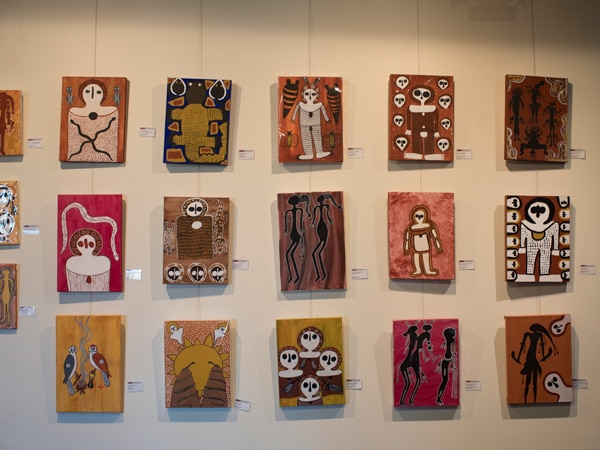
paintings displayed on the wall at Mowanjum Art and Culture Centre
Stop by the Mowanjum Art and Culture Centre to see Aboriginal artworks. (Image: Tourism Western Australia)

Windjana Gorge is rimmed by 300-metre walls that are part of a 350-million-year-old Devonian reef system. There are various walking trails through the three-kilometre gorge, where you’ll see fossils and (harmless) freshwater crocodiles.
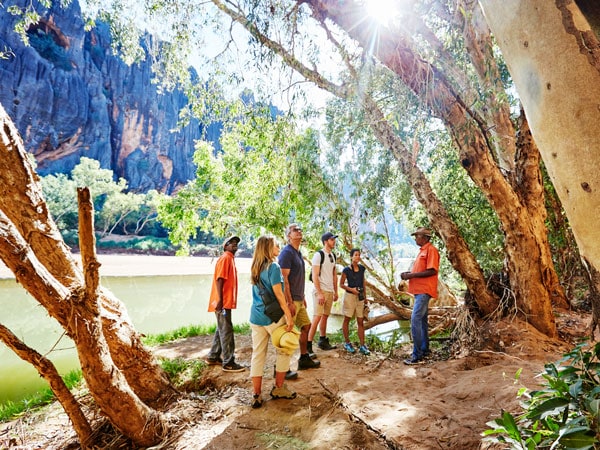
a group of people touring along Windjana Gorge
Sign up for an epic walking tour along the three-kilometre Windjana Gorge. (Image: Tourism Western Australia)

Bell Gorge, tucked inside King Leopold Conservation Park, is regarded as the jewel in the Gibb River Road’s crown, thanks to its cascading waterfalls and glassy swimming holes.
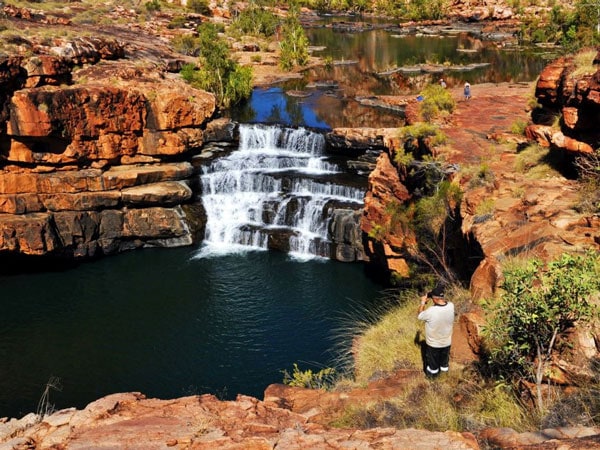
the waterfalls and swimming hole at Bell Gorge, King Leopold Conservation Park
Be amused at the spectacular waterfall in Bell Gorge. (Image: Amanda Tassone)

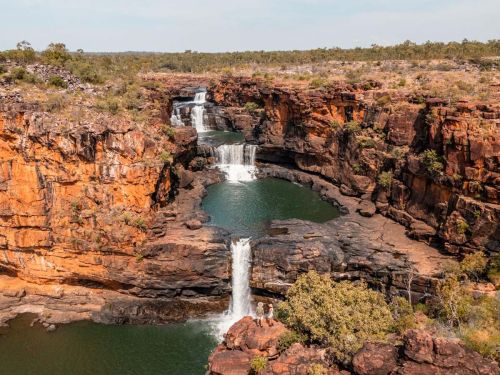
If the travel budget permits, take a scenic flight over the Kimberley’s rugged landscape. From Drysdale River Station, 60 kilometres north of the Gibb River Road, a scenic flight covers the mighty Mitchell Falls and the Prince Regent coast, which features giant clefts, gorges and waterfalls.
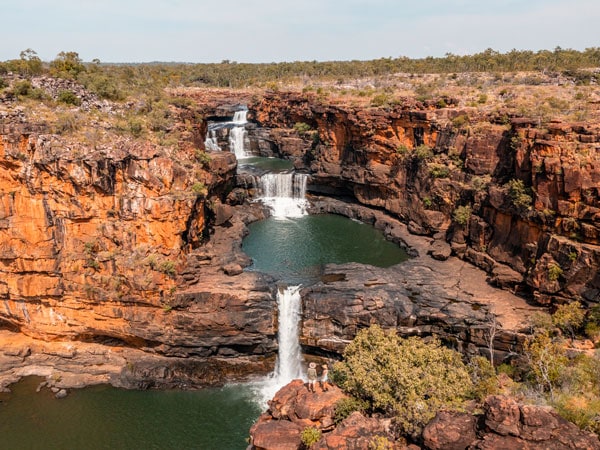
the Mitchell Falls in Kimberley
Mitchell Falls is a four-tiered natural wonder to behold. (Image: Tourism Australia)

If you can, stay at El Questro – where you’ll spend your days waterhole dipping, horse riding, fishing and sunset gazing. If you’ve got the coin, El Questro’s The Homestead offers a spot of luxury in the outback.
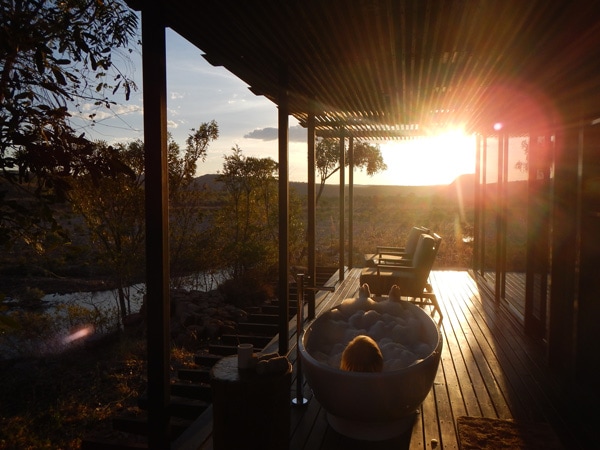
the El Questro Homestead in Kimberley
Go off-grid but keep it luxe at the El Questro Homestead. (Image: Tourism Western Australia)

Into red dirt country: Dampier Peninsula

In 2023, the 205-kilometre route between Broome and Cape Leveque was sealed, unlocking the remote Dampier Peninsula, where you can find pearl farms, pastoral stations and 71 Aboriginal communities.

The area was previously only accessible to 4WD vehicles able to tackle the 90 kilometres of sandy, corrugated track that would coat everything in red dirt. We reckon it’s time to plan a trip.
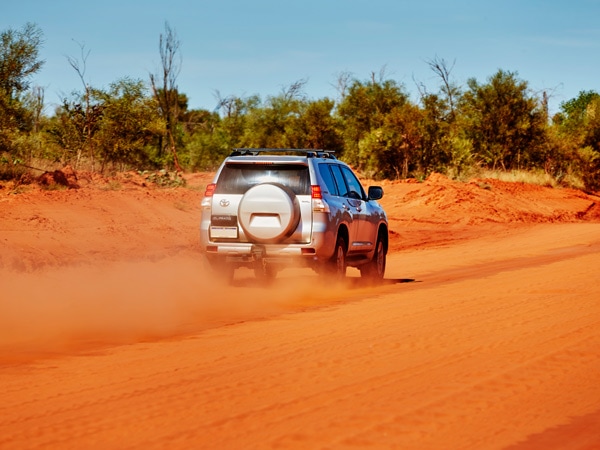
a 4WD vehicle driving along the red dirt in Cape Leveque
Drive the red dirt country from Broome to the remote Dampier Peninsula. (Image: Tourism Western Australia)

How long?

The drive from Broome to Cygnet Bay Pearl Farm, one of the most popular attractions on the famous Cape Leveque Road, takes nearly three hours. Allow several days to explore the Dampier Peninsula.
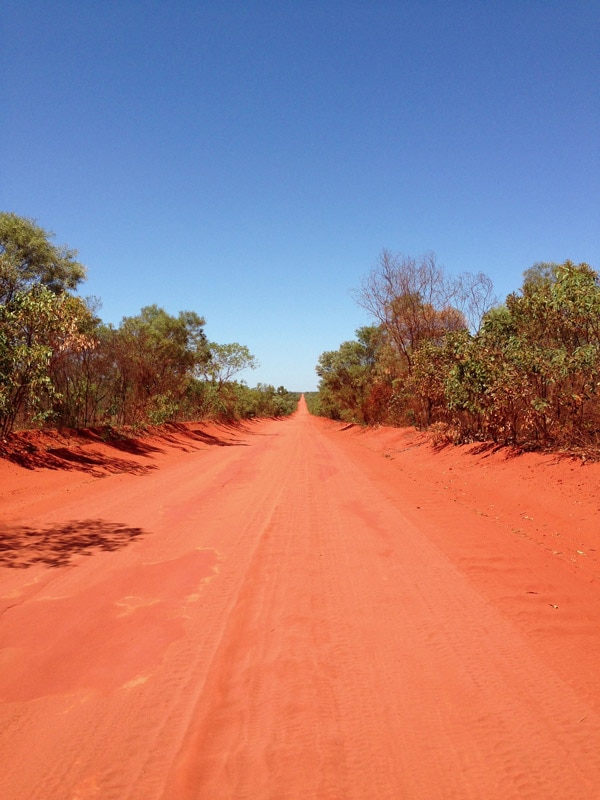
the red dirt track along Cape Leveque Road
The iconic red dirt track along Cape Leveque Road. (Image: Tourism Western Australia)

What’s required?

A regular car will go the distance but to reach all the spots on the Dampier Peninsula it’s best to travel in a 4WD.

Must-see hotspots

Beagle Bay church  and its Aboriginal community mark your first stop. Over 100 years old, the Germanic church interior is inset with thousands of pearl shells and the walls are painted in pastels.
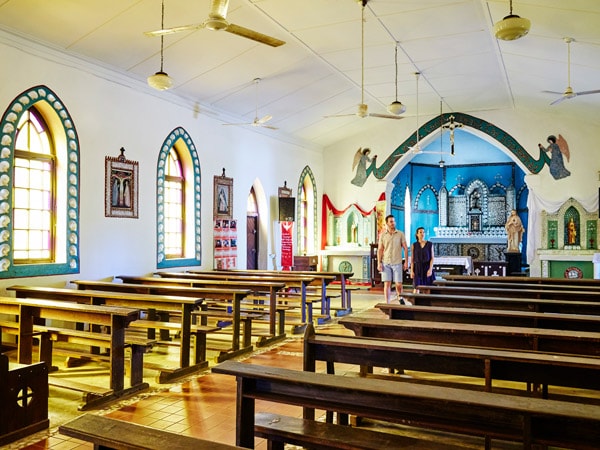
two people visiting the Sacred Heart Church, Beagle Bay
The Beagle Bay Sacred Heart Church is famous for its mother-of-pearl shell altar. (Image: Tourism Western Australia)

Cygnet Bay Pearl Farm  is still in the same family that started it, several generations ago. The farm tour and sea safaris are definitely worth doing. Allow time for an excellent coffee and a dip in the pool beside the cafe.
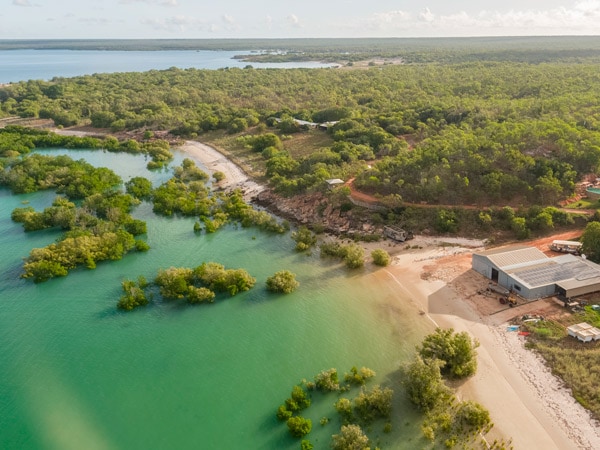
an aerial view of Cygnet Bay Pearl Farm
Cygnet Bay Pearl Farm is located at the tip of the beautiful Dampier Peninsula. (Image: Tourism Western Australia)

Off the beaten track: Purnululu National Park

While driving from Kununurra to the Bungle Bungle Range in Purnululu National Park isn’t easy or quick, it’s well worth the effort. Known for its incredible beehive-like formations, the Bungle Bungle Range has become a Kimberley icon. With heaps of gorges to explore, it’s easy to spend several days wandering around some of Mother Nature’s most dramatic creations.
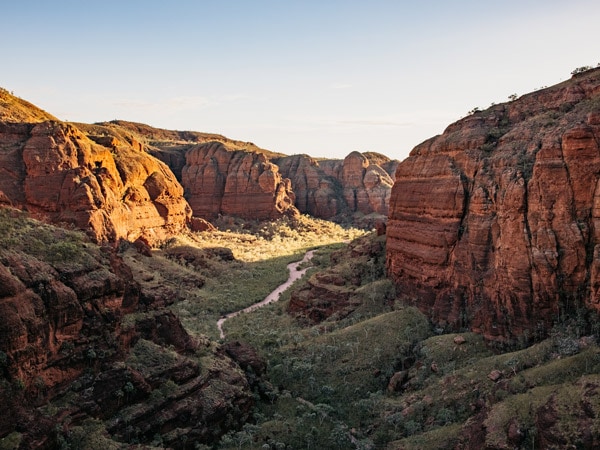
stunning gorges and landscapes at Purnululu National Park
Purnululu National Park is home to stunning gorges and landscapes. (Image: Tourism Western Australia)

How long?

Travelling between Kununurra and the Bungle Bungles takes around five hours if you follow the Great Northern Highway and turn off when you reach Purnululu National Park. The track into Purnululu is only 53 kilometres but it’s challenging, so it is recommended to drive at a slower pace.
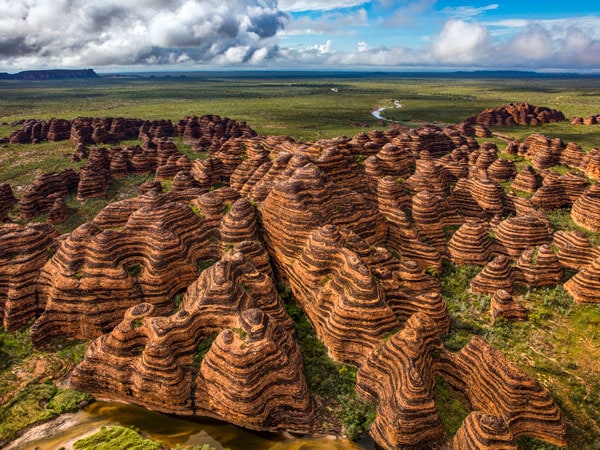
an aerial view of The Bungle Bungle Range, Purnululu National Park
The Bungle Bungle Range is formed into a series of beehive-shaped cones. (Image: Tourism Western Australia)

What’s required?

Due to its remote location, take plenty of water, a full tank of fuel and food. A high clearance 4WD is required to travel inside Purnululu National Park.
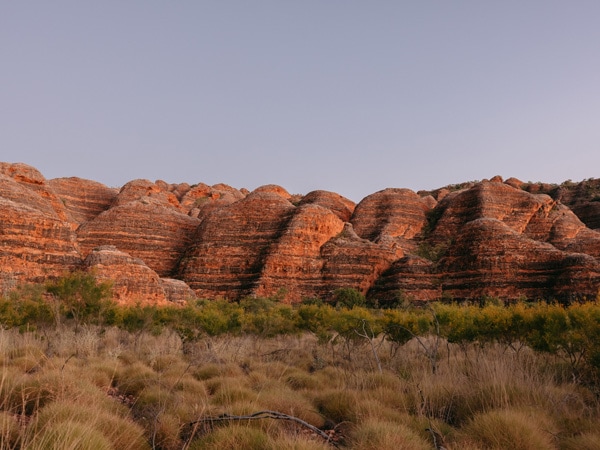
The Bungle Bungle Range, Purnululu National Park
Embark on a road trip to the astounding striped rock formations at The Bungle Bungle Range. (Image: Tourism Western Australia)

Must-see hot spots

Echidna Chasm is one of the best things to see in Purnululu National Park. Head off on a 2-kilometre return walk from Echidna towards the narrow gorge, where the width is only one metre wide in some places. Time your visit to the middle of the day to witness the ‘golden glow’ where sunlight directly hits the rock and creates an unforgettable light show.

Cathedral Gorge is not to be missed when visiting the park. This natural amphitheatre was created from water erosion over time and is staggering in size and beauty.
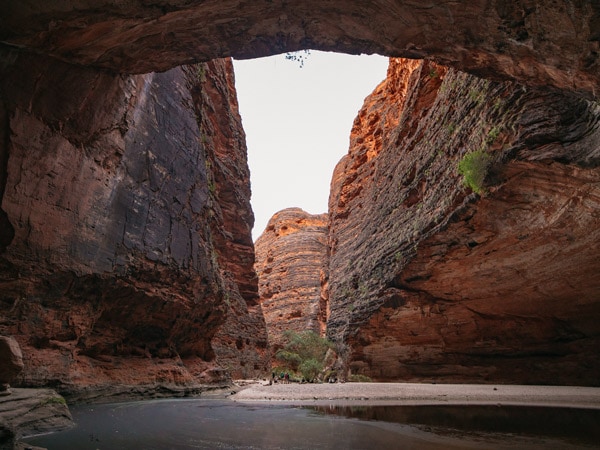
the stunning Cathedral Gorge in within the Bungle Bungle Ranges in Purnululu National Park
Cathedral Gorge resembles a natural amphitheatre of red rock. (Image: Tourism Western Australia)
Leah McLennan
Leah McLennan is a freelance writer based in Darwin. She was a journalist in Sydney for over a decade and counts her time as travel editor for Australian Associated Press as one of the highlights of her career. From exploring remote campsites in the Top End with her family, to seeking out new art galleries in faraway cities, she’ll grab an adventurous or arty travel experience within her reach.
See all articles
hero media

Your Mandurah guide: art, dining & dolphins await in WA’s coastal gem

Discover the perfect road trip stopover between Perth and wine country.

Western Australia punches above its weight when it comes to coastal hot spots, but no other town or city has seen a tourism boom quite like Mandurah. Named Australia’s Top Tourism Town in 2023 , it’s the relaxed, beachside break you’ve been searching for. And it’s perfectly placed, sitting between Margaret River and Perth, as it’s just a 55-minute drive from Perth’s CBD. Which is why we’ve put together your ultimate Mandurah guide.

Aerial view of Mandurah.
Plan your perfect coastal escape to Australia’s Top Tourism Town of 2023.

The best things to do in Mandurah

Wetlands and rivers, ocean and inlet; Mandurah’s laid-back lifestyle centres around the aquatic. Its waterways cover twice the ground of Sydney Harbour – measuring some 134 square kilometres in total – and form a unique environment for oceanic and estuarine flora and fauna to thrive.

In the city’s estuary lives perhaps the region’s most famed inhabitants – a resident pod of 100 bottlenose dolphins – and the inlet’s silty bottom is home to the prized blue manna crab. Spot the former breaching and playing on an hour-long dolphin cruise through the channels, or try your hand at catching the latter by wading through the estuary’s shallows with a scoop net in hand.

While swimming at the circular Kwillena Gabi Pool, chance encounters with the local wildlife aren’t uncommon. The sheltered estuarine pool takes its name from the traditional custodians of the land, the Bindjareb people, and directly translates to ‘dolphin waters’. Jutting out of the eastern foreshore, it’s enclosed by a ring of net-free floating pontoons, which allow the dolphins to swim freely through the attraction.

If that’s a little too close for comfort, book a kayak tour with Down Under Discoveries . The dolphins have been known to cruise beside the paddle-powered crafts, which are a fun, family-friendly way to explore the city’s inner waterways.

Dolphins swimming in Mandurah.
Watch dolphins glide by as you explore Mandurah.

You don’t have to be on the water to appreciate the coastal city’s aquatic beauty, with 600 kilometres of cycleways and scenic walking trails traversing Mandurah’s estuary, inlet and coast.

Follow the 30-kilometre coastal trail and you’ll come face to face with one of Thomas Dambo’s headline-making ‘Giants of Mandurah  sculptures, Santi Ikto, along the way. There are five sculptures around Mandurah in total, hidden among gum-filled reserves or sitting sentry over the water.

Head to the Mandurah Visitor Centre to pick up a map to pinpoint their exact location and download the traveller’s companion to learn more about the sights along the way. Or join a three-hour e-bike tour from The Bike Kiosk and you’ll stop by two of the giants – Santi Ikto and Yaburgurt Winjan Cirkelstone – as you sightsee central Mandurah.

 The towering Santi Ikto, one of Thomas Dambo’s iconic Giants of Mandurah.
Meet Santi Ikto, one of the legendary Giants of Mandurah.

Where to eat in Mandurah

Mandurah’s culinary scene reflects its laid-back lifestyle, with large, honest meals and locally brewed beer. After visiting Lake Clifton’s 2000-year-old thrombolites, head to the peppermint and gum-shaded beer garden at Thorny Devil Brewery . Tuck into a platter of house-smoked meats and an ale pulled fresh from the tanks. Closer to town and right on the waterfront is Boundary Island Brewery ; here, woodfired pizza, pub-style seafood dishes and easy-drinking brews are centre stage.

On a Murray River Lunch Cruise , the focus is as much on the environment around you as the food you’re filling up on. Help yourself to the colourful salads and freshly cooked meats on the buffet as you meander up the winding, jarrah tree-lined waterway, stopping at the heritage Cooper’s Mill for a quick walking tour along the way.

Keep your eyes trained on the Creery Wetlands as you pass – you’ll spot much of the region’s migratory birdlife, and, as always, might see the playful bottlenose dolphins in the inlet.

The most memorable meals aren’t necessarily always the fanciest, and lunch aboard a self-skippered Mandurah BBQ Boat is a testament to that. All food and beverage prep is left up to you as you cruise through the canals, sausages and steaks sizzling away on the central hot plate.

If seafood is more your kind of fare, board the Wild Seafood Experience , where dolphin cruise meets long table lunch. Eight courses of crab, crayfish and scallops await.

A table filled with plates of crab, crayfish, and scallops.
Dine on the water with eight courses of ocean-fresh fare.

Where to stay in Mandurah

With so many waterways comes abundant waterside stays. Like the self-contained Seashells Mandurah on the shores of Comet Bay. The calm, oceanic outlook from the one-, two- and three-bedroom apartments and villas is as close to Maldivian as Mandurah gets. Families especially enjoy the property, bouncing between the protected cove and the beachfront pool for endless hours of fun.

Seashells Mandurah; on the shores of Comet Bay.
Stay right by the sea.

The Sebel Mandurah , just a hop, skip and jump from the Mandurah Ocean Marina, has a different outlook entirely, overlooking the estuary and lively foreshore on the other side. It’s also within walking distance of the Mandurah Performing Arts Centre , cinema and a swathe of waterfront bars and eateries.

But you can’t get any closer to the water than on a vessel from Mandurah Houseboats . You don’t need a skipper’s ticket to hire one, nor do you need comprehensive boating experience; just a full driver’s license and your undivided attention during the pre-departure tuition will do. Then you’re free to take to the estuaries and tributaries for a few nights of peaceful rest, surrounded by the very element that makes Mandurah so special.

A houseboat cruising in Mandurah along the river
Captain a houseboat to explore Mandurah at your own pace.

Plan your next WA getaway in Mandurah.