The emerging Aussie foodie destination you’ve never heard of

hero media
It’s known for its blazing red earth and industrial prowess, but a host of new hospitality venues is putting the Pilbara on the map for an entirely different reason. Rosamund Brennan carves a delicious route through this ancient landscape, discovering the food and wine experiences that are redefining the region.

A rich spill of golden sunlight pours over the beach, known to locals as Turtle Bay. Bowing palms and frangipani trees whisper in the breeze, and the departing sun glows an incandescent blood red, mirroring the cracked crimson earth below.

It’s an intoxicating scene: one you might expect to find in coveted tropical havens such as Broome or Far North Queensland. But this radiant stretch of coastline hems the bustling mining town of Port Hedland in Western Australia’s northern Pilbara region – a place known for its colossal iron ore ships and cargo trains snaking through the desert.

Amid the clamour of industry in this rough-and-tumble frontier town, surprising pockets of tranquillity abound. In recent years, hospitality and tourism operators have harnessed the region’s yin and yang beauty, with ramshackle old pubs being renovated, a new world-class marina unveiled, cycle paths laid out along the coast and a smattering of bars and restaurants sprouting up across town.
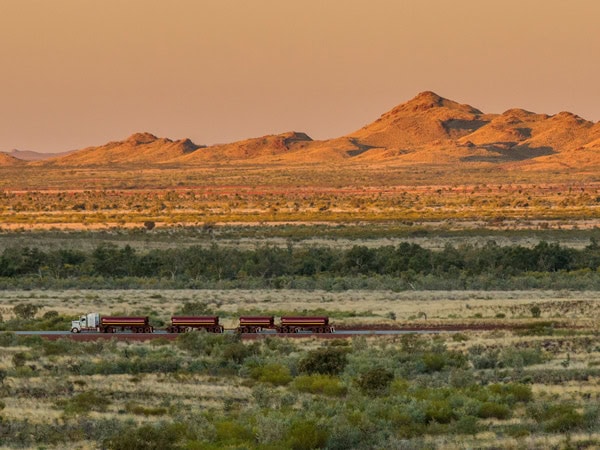
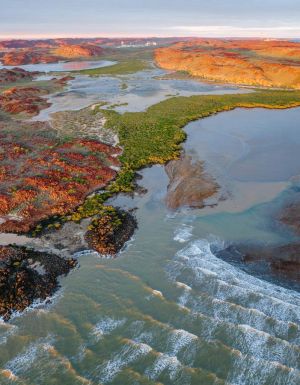
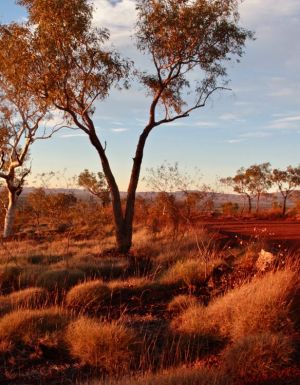
the Pilbara landscape at sunset
Soak up one of the Pilbara’s spectacular sunsets. (Image: Greg Snell/Tourism Western Australia)

The Palm Springs-inspired dining destination

The most notable opening is Rays, a lush Palm Springs-inspired bar and restaurant clasping the Indian Ocean.
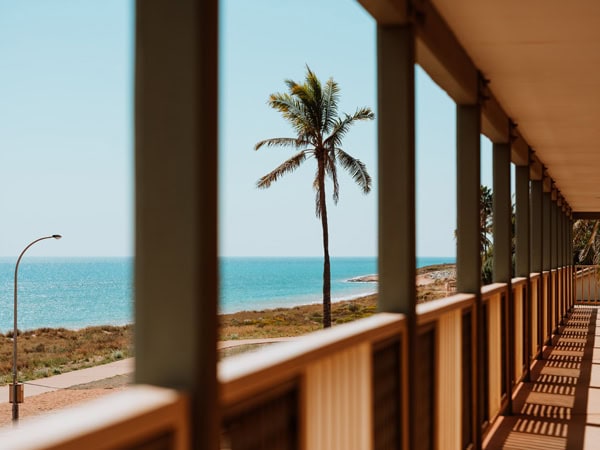
the view of Indian Ocean from the verandah
Take in views of the Indian Ocean from the verandah.

This multimillion-dollar redevelopment by the Prendiville Group is part of the Hedland Hotel , a revitalised 1960s-era motel offering sophisticated coastal accommodation just two kilometres from the town centre.
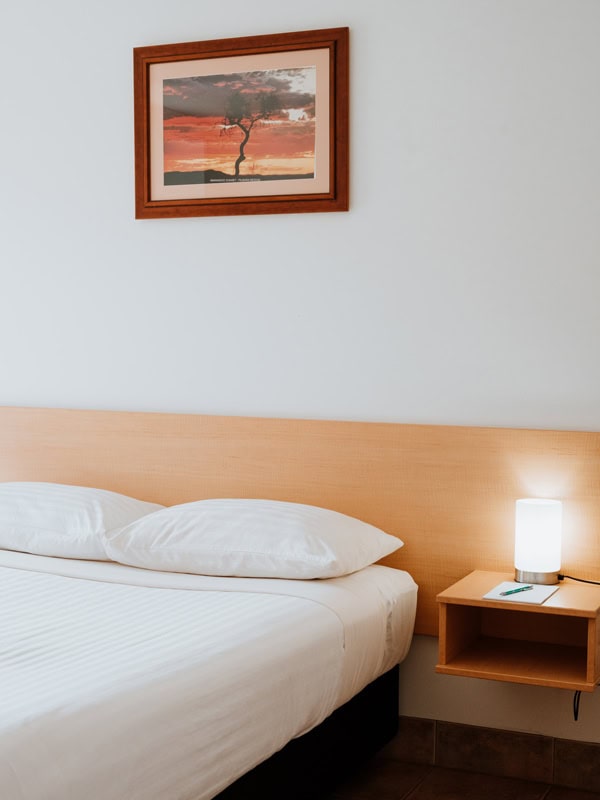
the bed at The Hedland Hotel
Stay at The Hedland Hotel.

I sit on the patio sipping on a negroni, joined by a throng of locals and holidaymakers gathering to soak up that golden afternoon light. The scene recalls the work of iconic photographer Slim Aarons, who captured the opulence of Palm Springs in the ’60s. Rows of white breezeblocks dissect the sprawling al fresco dining area, where high tables are crowned with bright yellow and orange umbrellas.

a Palm Springs-inspired restaurant interior at Rays Port Hedland
Rays is a Palm Springs-inspired restaurant at Port Hedland.

The crowd is a mixture of mining execs, blokes in high-vis gear, local cool kids and expat families who’ve come here from across the world to get a slice of the good life.
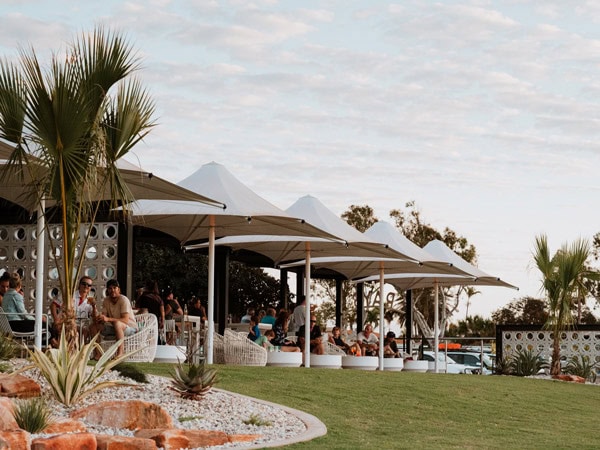
the exterior of Rays at the Hedland Hotel
Rays is part of the Hedland Hotel.

While the clientele might not be quite as chic as those in Aarons’ glamorous portraits, Rays has clearly become the go-to hangout in town. This is owing not only to its sumptuous setting but the high calibre of its food and wine, overseen by Prendiville Group’s director of food and veteran Perth chef Russell Blaikie, alongside executive chef Mitch Mezciems.

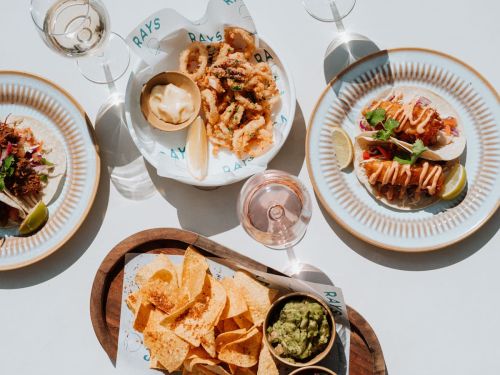
a spread of food and drinks at Rays Port Hedland
The menu is filled with So-Cal flavours.

The menu has a distinctly Southern Californian flavour while showcasing top-notch Western Australian produce. The popular seafood tower, which feels almost as tall as the town’s giant dockside cranes, is piled high with Exmouth prawns and oysters, king crab, Abrolhos Island scallops and Western rock lobster, among other delicacies.

An enormous range of dishes fly out of the kitchen, from a tender 700-gram rib-eye on the bone to tasty fish tacos and woodfired pizzas, whipped up by Italian chef Giosue ‘Joe’ Pinto at the onsite pizzeria – which, Russell says, features “the Rolls Royce of pizza ovens". The drinks are going down a treat too, with guests savouring colourful cocktails (try the zesty Palm Springs) and a decent selection of wines, drawn from the most extensive list in town.

Italian chef Giosue ‘Joe’ Pinto making dough for pizza at Rays Port Hedland
Italian chef Giosue ‘Joe’ Pinto makes dough for diners at Pizza at Rays.

If you bring the right gear (aka closed-in shoes), you can walk out over Turtle Bay’s fringing reef at low tide. I wasn’t prepared for the assignment but watched on gleefully as a family next to us returned with videos of an octopus squirming over the reef. The bay is also an important nesting ground for flatback sea turtles, and if you visit between October and March, you might be lucky enough to witness their young being hatched.
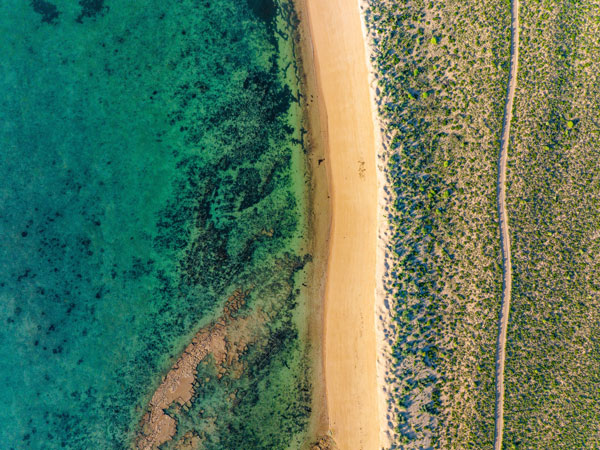
an aerial view of the desert and turquoise sea on Mackerel Islands
The desert meets turquoise sea. (Image: Tourism Western Australia)

Stumbling across an oasis in the desert

The next morning, we hit the road to discover another of the Pilbara’s new hospitality gems. On the 2.5-hour drive west towards Karratha, a swirl of brown, pink and red splashes across the earth like a Jackson Pollock painting. It’s a stifling hot afternoon and arriving at the Karratha International Hotel is truly like stumbling upon an oasis in the desert.
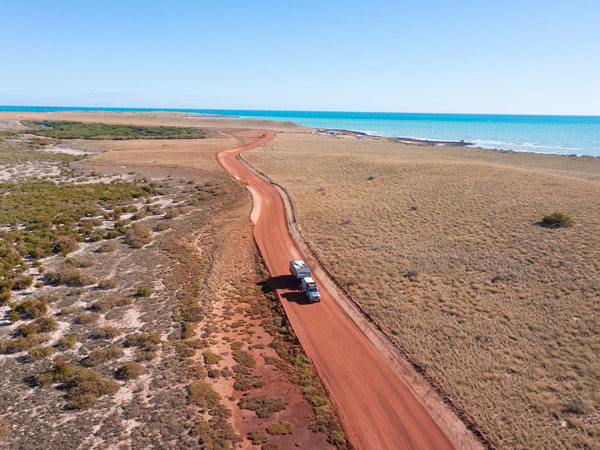
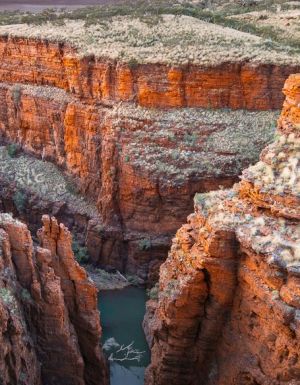
an aerial view of Cape Keraudren
Explore the remote Pilbara. (Image: Sean Scott/Tourism Western Australia)

Local families are relaxing by the hotel pool fringed by palm trees. Parents are reading contentedly on sun loungers while their kids run amok and a lovely breeze wafts through the space. “We’re very invested in creating offerings that appeal to our communities first and foremost," says hotel manager Paul Gray, who invites locals to come and use the facilities among paying guests.
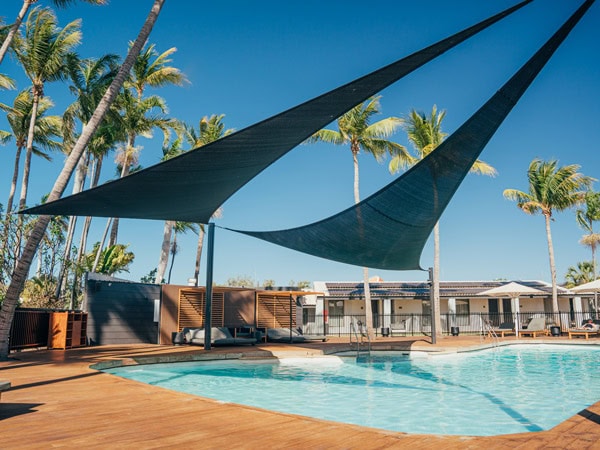
the Karratha International Hotel Pool surrounded by palm trees
Cool off in the hotel pool.

The venue also attracts the many road-trippers who stop through Karratha while touring the region’s natural spoils. And after tasting the food that’s on offer at its Italian restaurant Luce Bar e Cibo , I can see why. Helmed by executive chef Nazim Khan, the kitchen pumps out exquisitely prepared classics such as house-made gnocchi with veal osso buco and juicy gamberi (prawns) grilled on a bed of scampi butter. Washed down with a limoncello spritz, so good I ordered a second, it’s a truly memorable Mediterranean feast.

poolside eats from the Italian restaurant Luce Bar e Cibo
Dine by the poolside at the Italian restaurant Luce Bar e Cibo.

Emerging out of the restaurant into its soaring pagoda, where locals and guests are resting from the mid-afternoon heat, I’m beginning to see the appeal of this stretch of dry country where the desert meets the sea. It’s not only rich in resources, but in flavours and cultures, and people from all walks of life who come here to start anew. Salute to that.

hero media

6 reasons the best way to experience the Kimberley is by cruise

This remote corner of Australia is one of the world’s last frontiers. This is how to see it properly.

Vast, rugged and deeply spiritual, the Kimberley coast in Australia’s North West feels a world away from everyday Australia – and there are countless ways to explore it. But if you want to reach ancient rock art, hidden gorges and lonely waterfalls, it has to be by boat. Whether you’re aboard a nimble expedition vessel or a luxury yacht with all the trimmings, exploring by the water brings exclusive experiences, shows unique views and makes travel easier than any other mode. And that’s just the beginning of Australia’s North West cruises.

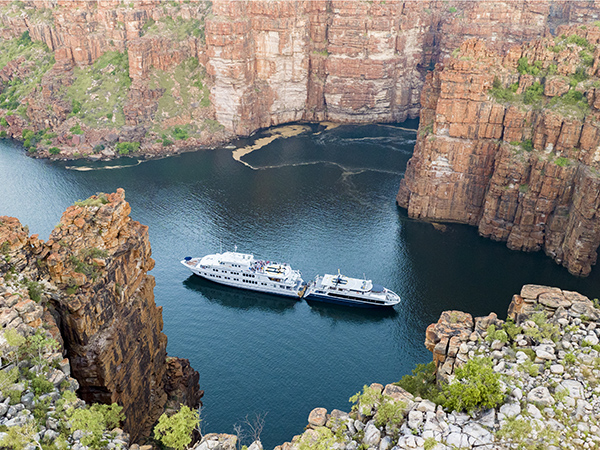
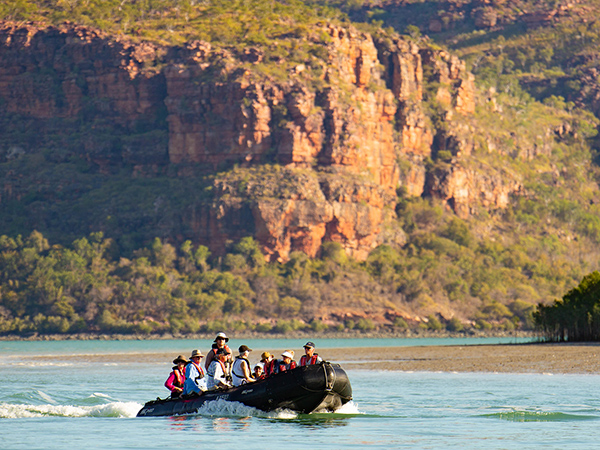
The True North Adventure Cruise in between sandstone cliffs.
Adventure starts where the road ends.

1. Discover Broome, and beyond

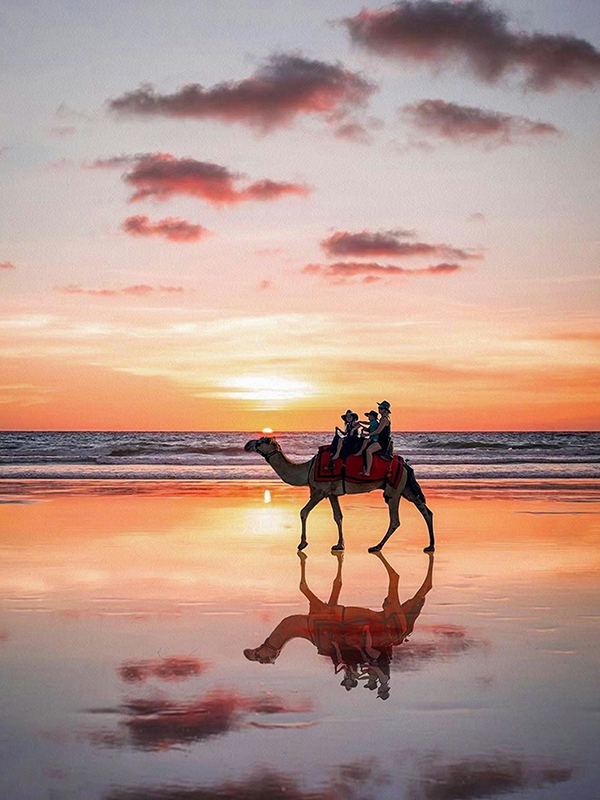
Explore your launchpad before you set sail: Broome. Here camels and their riders stride along the 22 kilometres of powdery Cable Beach at sunset. That’s just the start.

At Gantheaume Point, red pindan cliffs plunge into the turquoise sea, whose low tide uncovers fossilised dinosaur footprints. Broome’s pearling history runs deep. Japanese, Chinese, Malay and Aboriginal divers once worked these waters, and their legacy lives on in boutiques where South Sea pearls still shine.

If the moon’s right, you may catch the Staircase to the Moon over Roebuck Bay. Or simply kick back with a cold beverage and a film under the stars at Sun Pictures , screening since 1916.

Ride a camel along Cable Beach as the sun sinks into the Indian Ocean, casting golden light across the sand and sea.
Ride a camel along Cable Beach. (Image: Nick Dunn)

2. Unmatched access to The Kimberley

Once you’re onboard, expect a backstage pass to some of the most isolated places on Earth. No roads. No ports. No phone reception.

At Horizontal Falls/ Garaanngaddim, 10-metre tides surge through twin gorges like a natural waterpark ride that’ll make your palms sweat. Then there’s Montgomery Reef/ Yowjab: a giant living platform of coral and seagrass, where the sea pulls back to reveal waterfalls, sea turtles and ospreys.

Up north, King George Falls/ Oomari rage 80 metres down red cliffs. Zodiac boats often nudge in closer so you can feel the spray on your sun-warmed cheeks. You might even fly in to reach Mitchell Falls/ Punamii-unpuu, a four-tiered cascade where you can swim in freshwater pools above the drop.

Come spring, some itineraries veer west to Rowley Shoals: an atoll chain of white sand and reef walls. Then it’s up the winding Prince Regent River to King Cascade/ Maamboolbadda, tumbling over rock terraces, and into a Zodiac to view the Gwion Gwion rock art, whose slender, ochre-painted figures are older than the pyramids.

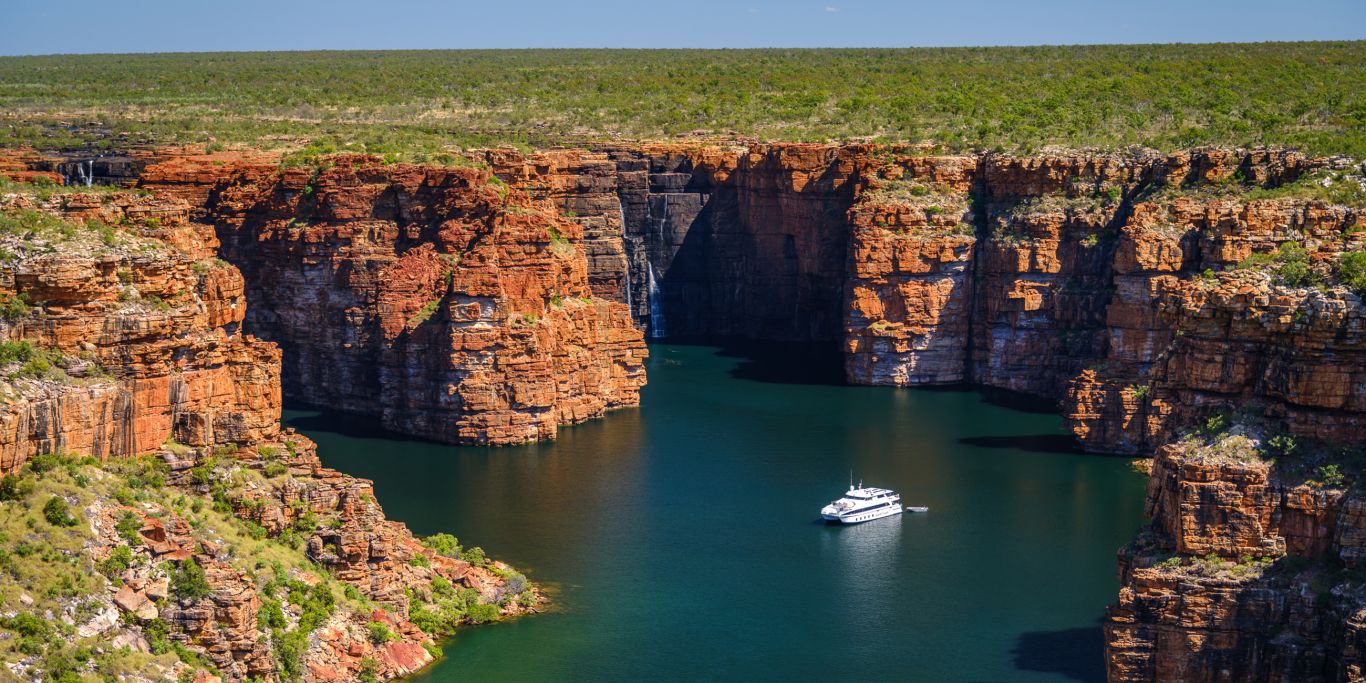
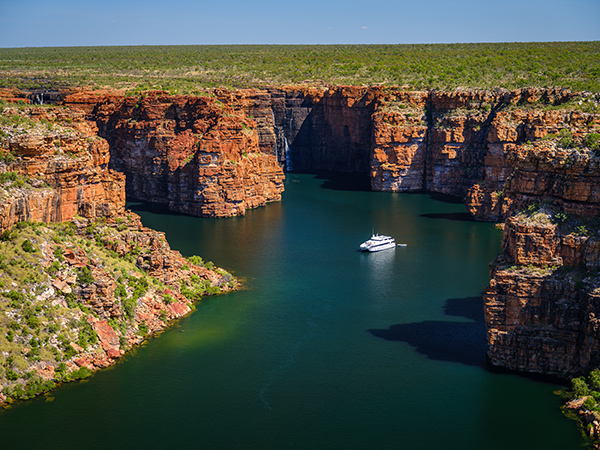
A cruise drifts beneath King George Falls, where sheer sandstone cliffs frame the thunderous plunge into turquoise waters.
Get closer to the Kimberley than ever before.

3. Taste the Kimberley with onboard hospitality

You might spend your days clambering over slippery rocks or charging past waterfalls. But when you’re back on the water, it’s a different story. Meals are chef-prepared and regionally inspired: grilled barramundi, pearl meat sashimi, mango tarts, and bush tomato chutney. One night it’s barefoot beach barbecues with your shipmates; the next, alfresco dining on the ship.

Small expedition ships each have their own personality, but many carry just 12 to 36 guests, making being out on the water a whole other experience. You might sink into a spa on the foredeck or sip coffee in a lounge while watching crocodiles cruise by. It’s choose-your-own-relaxation, Kimberley style.

4. Expert-led excursions through the Kimberley

These voyages are led by people who know the Kimberley like the back of their sunburnt hand. Attenborough-esque naturalists might gently tap your shoulder to point out rare birds or tell the story beneath a slab of rock. Historians can explain exactly how that rusted World War II relic came to rest here.

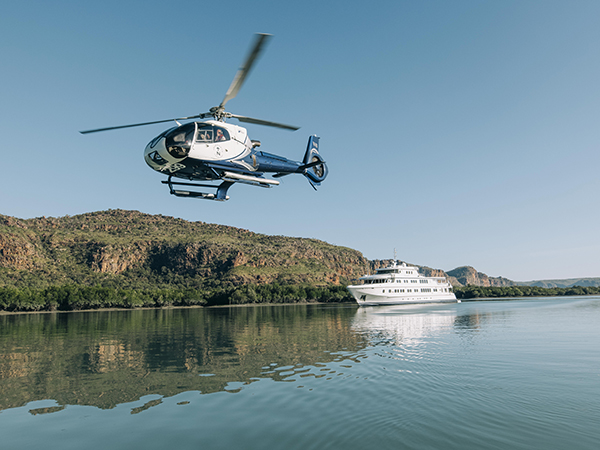
If your ship has a helipad, you might chopper straight to a waterfall-fed swimming hole. If not, you’ll still be hopping ashore for that wet landing at a secret creek.

Then come the evenings: songlines shared by Traditional Owners under the stars, or astronomy sessions that link what’s overhead with what’s underfoot and what’s within.

A small group glides through Kimberley’s rugged coastline by boat, passing ancient cliffs.
Explore with naturalists and historians by your side.

5. Relax in luxurious lodgings

Just because you’re off-grid doesn’t mean you have to rough it. These Kimberley vessels are small in size, but mighty in luxury. True North’s ships come with their own helicopters and a no-sea-days policy, so you’re always in the thick of it. Try the luxurious offerings from Ocean Dream Charters for exploration in style. Kimberley Quest offers a fast boat for easy, off-ship adventures. On the larger end of the scale, Coral Expeditions has open-deck bars and curated wine cellars. And then there’s Ponant’s luxury yachts sleek and incredibly stylish French sailing yachts.

A helicopter soars above the sea, with a sleek cruise ship gliding in the distance.
See the Kimberley from sky to shore.

6. The adventure continues with pre- and post-cruise experiences

You’ve already come this far – so, why not go further? Broome makes it easy to ease in before you board, or wind down when your voyage ends, and there is no reason to stop there.

Head an hour and a half south to Eco Beach to stay off-grid and off the clock. Join a Yawuru guide for a mangrove walk or ocean forage. Dive even deeper into Broome’s pearling past at Willie Creek or Cygnet Bay, where divers and craftspeople still pull the seawater-slicked gems from the deep.

If you’re still craving adventure, it’s time to go further. Soar over the Buccaneer Archipelago, or detour inland with a 4WD trip along the Gibb River Road. Book a scenic flight over the Bungle Bungles. Or – because you never know when you’ll be back – do all three.

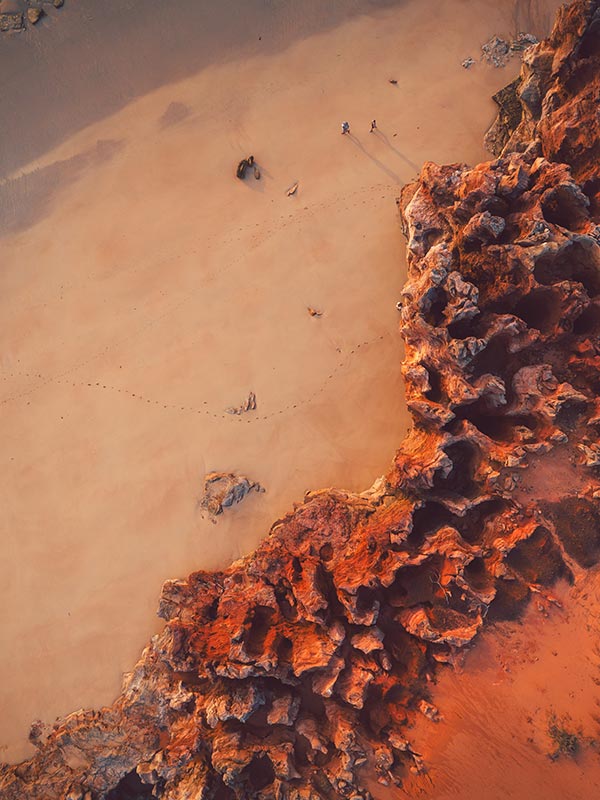
aerial of people walking on eco beach in the kimberley western australia
Stay off grid at Eco Beach. (Image: Tourism WA)

Find out more about your trip to Australia’s North West at australiasnorthwest.com .