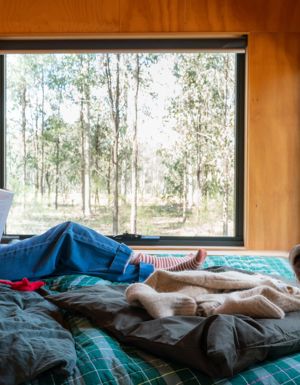
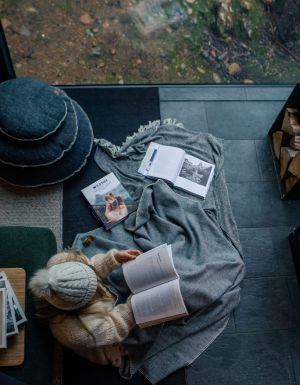
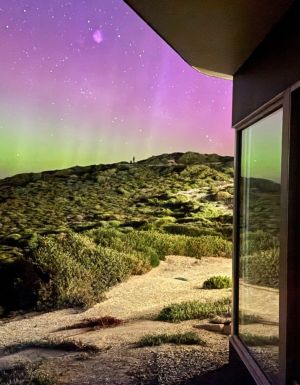
Listen up, happy campers! A study comparing the quality of camping around the world has ruled that Australia tops the list, beating out the USA, Canada and South Africa. It’s a big call to make, but we’ve broken down the reasons why Australia was awarded top gong, plus some of the best campsites the country has to offer.
Why Australia is the best country for camping
The study, carried out by Asilia Africa Lodges, focused on eight different criteria, collectively used to assign each country a rating. These criteria were:
– Wildlife and plant species diversity
– Light pollution levels
– Annual rainfall
– Number of national parks
– Urbanisation rates
– Availability of outdoor activities
– Population density
Australia was awarded a score of 82.25/100, the highest of any country. We shone in all categories, but truly triumphed in our sheer number of national parks – 685 to be exact – covering 28 million hectares total. In particular, the study highlighted the UNESCO-listed Kakadu National Park in the NT, as well as Blue Mountains National Park in NSW as standouts. (Psst, we’ve rounded up the best camping spots in the Blue Mountains here, and the best Kakadu camping here).
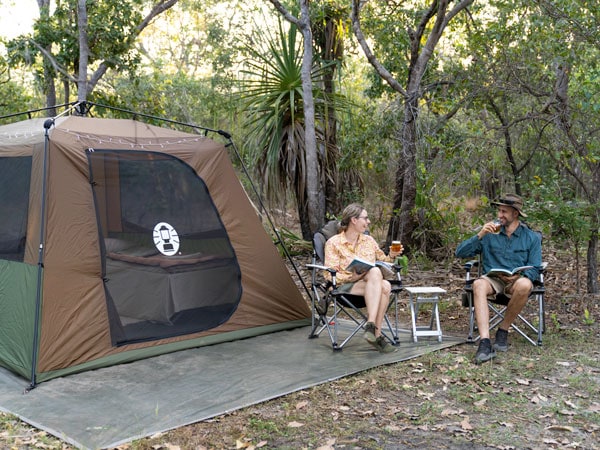
Camping in Kakadu is a chance to unplug and unwind. (Image: Tourism NT/Tourism Australia)
The study also noted Australia’s diverse plant and wildlife species and ample places to roam as factors that make the country a camper’s paradise. And we’re inclined to agree.
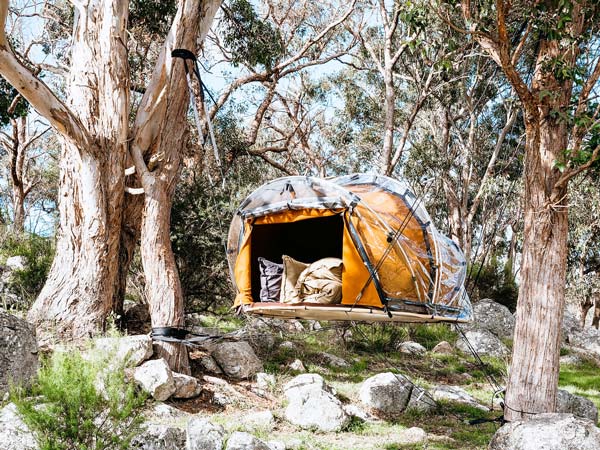
Camp in a mini bubbletent in the Capertee Valley. (Image: Sera Wright)
Where to camp in Australia
We’ve already rounded up the best campsites in Australia, from camping on the white sands of Lucky Bay WA to Tasmania’s luscious Mt Field National Park. We also have a guide to the best places to camp in winter, from laid-back coastal camping adventures to far-flung outback stations. We also have guides on the prettiest places to camp in Tasmania and luxury glamping in the NT, if you prefer a bit of extra comfort.
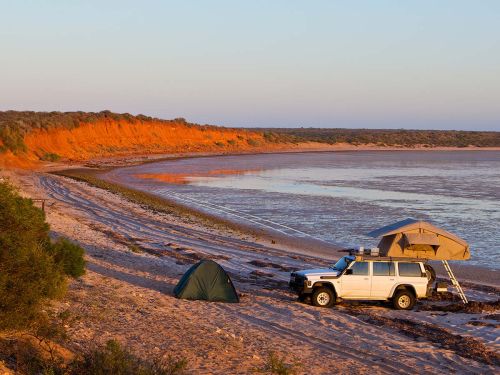
The West Australian Coast is home to an abundance of camping spots. (Image: Getty/dm2912)
Camping can take on many forms, and it doesn’t have to mean roughing it or carrying heavy gear through remote stretches of wilderness. But whether you’re trekking with a tent or parked up by the beach in a comfy campervan, camping close to nature is a thousand-star experience that no luxury resort can replicate.
Want to see more stories from Australian Traveller in your Google search results?
Tick the box next to "Australian Traveller". That's it.
Elizabeth Whitehead is a writer obsessed with all things culture; doesn't matter if it's pop culture or cultures of the world. She graduated with a degree in History from the University of Sydney (after dropping out from Maths). Her bylines span AFAR, Lonely Planet, ELLE, Harper's BAZAAR and Refinery 29. Her work for Australian Traveller was shortlisted for single article of the year at the Mumbrella Publishing Awards 2024. She is very lucky in thrifting, very unlucky in UNO.
Makers, bakers, artists, chefs, crafters – Ballarat and its surrounds are overflowing with creative spirits. All dedicated to keeping traditional skills alive for a city that is humming with artful energy.
Modern makers: a new generation of artists and artisans
“Keeping craft alive is a noble cause,” says Jess Cameron-Wootten, a charming and passionate master leathercrafter and cordwainer, who handmakes traditional leather boots and shoes in Ballarat’s old Gun Cotton Goods Store.
Ballarat was recognised in 2019 as a UNESCO Creative City of Craft and Folk Art, and today it’s a place where craft traditions converge with contemporary needs. Nothing quite captures this convergence as a visit to Wootten, the workshop and store of Jess Cameron-Wootten and his partner Krystina Menegazzo.
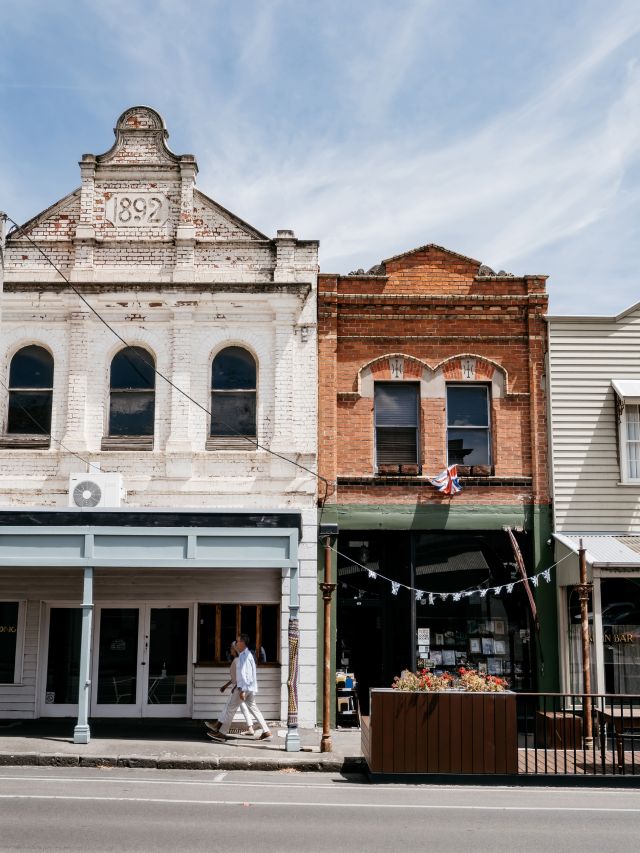
Ballarat’s streets are lined with heritage buildings. (Image: Matt Dunne)
Jess’s father was an artisan bootmaker, or cordwainer. Now Jess and Krys and their small team of artisans continue the tradition, but with a modern spin. The company’s boots and shoes, made completely from scratch, are renowned for their quality and longevity. Wootten also craft shoes, bags, belts, leather aprons, wallets and more.
Cosy beanies, gloves, alpaca socks, “unbreakable” shoelaces and various other goods – many from local craftspeople and small-scale makers – fill the shop’s shelves. “We’re always happy to support a mate,” says Jess. “People love to see the workshop and where things are made. Our clients care about quality and sustainability,” Krys comments. The company slogan ‘Made for generations’ says it all.
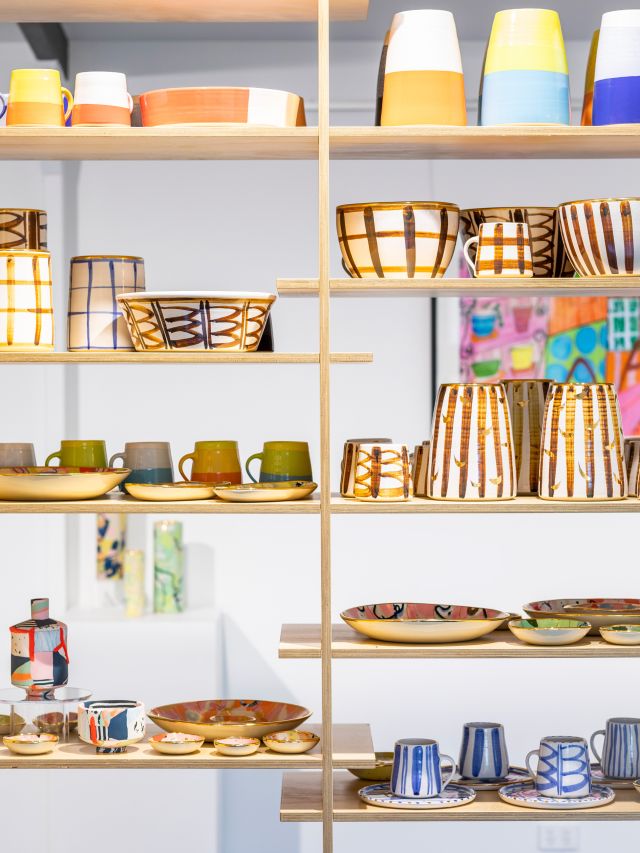
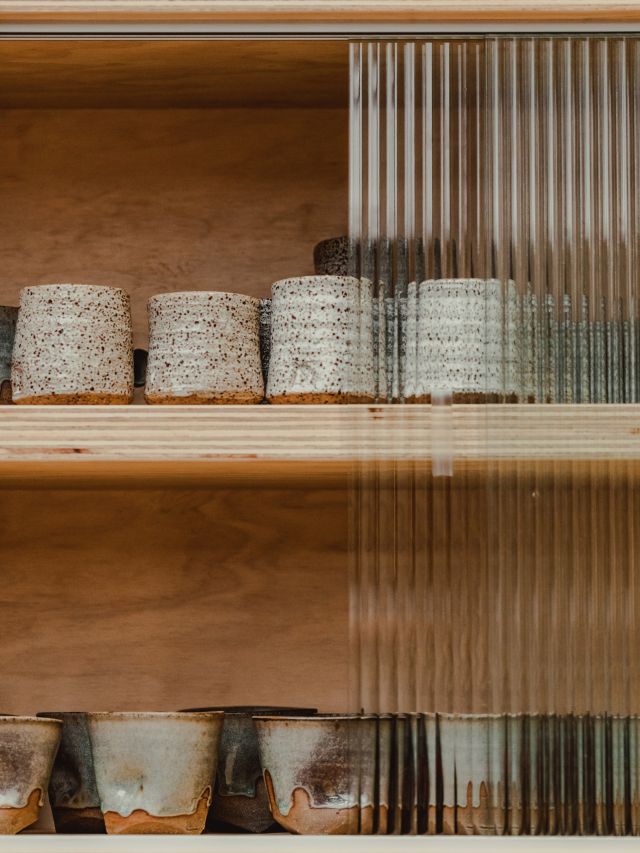
Ruby Pilven’s ceramics at Ross Creek Gallery. (Image: Tara Moore)
For Ruby Pilven, craft is also in the DNA – both her parents were potters and with her latest porcelain ceramics, Ruby’s young daughter has been helping add colour to the glazes. “I grew up watching my parents in the workshop – I’ve always been doing ceramics,” she says, although her Visual Arts degree was in printmaking. That printmaking training comes through particularly in the rich layering of pattern. Her audacious colour, unexpected shapes and sudden pops of 12-carat gold are contemporary, quirky – and joyful.
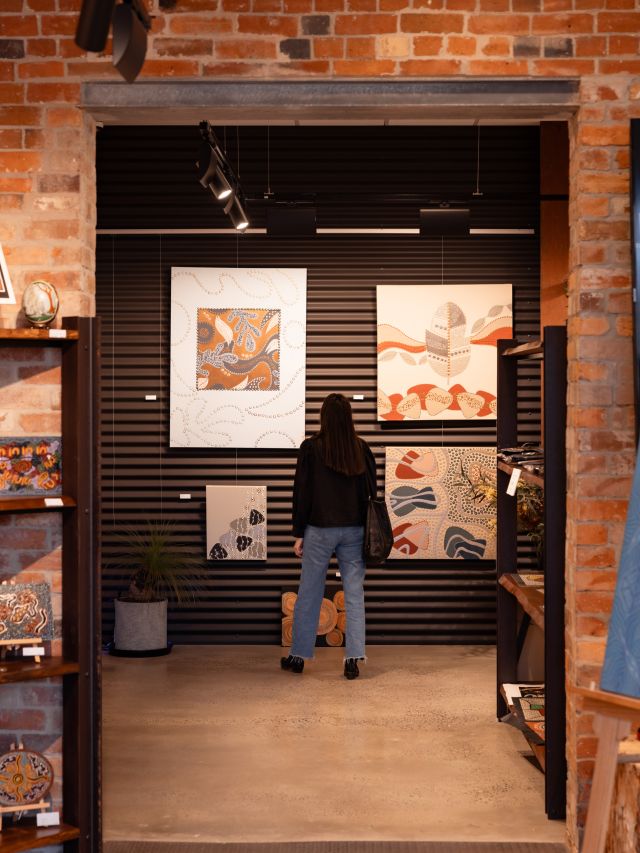
You can see Ruby’s handcrafted ceramics, and work by other local and regional artists, at Ross Creek Gallery, a light-filled space surrounded by serene bushland, across from the mudbrick house her parents built in the 1980s. A 10-minute drive from Ballarat, it’s a tangible link to the region’s well-established craft traditions.
How Ballarat is preserving the past
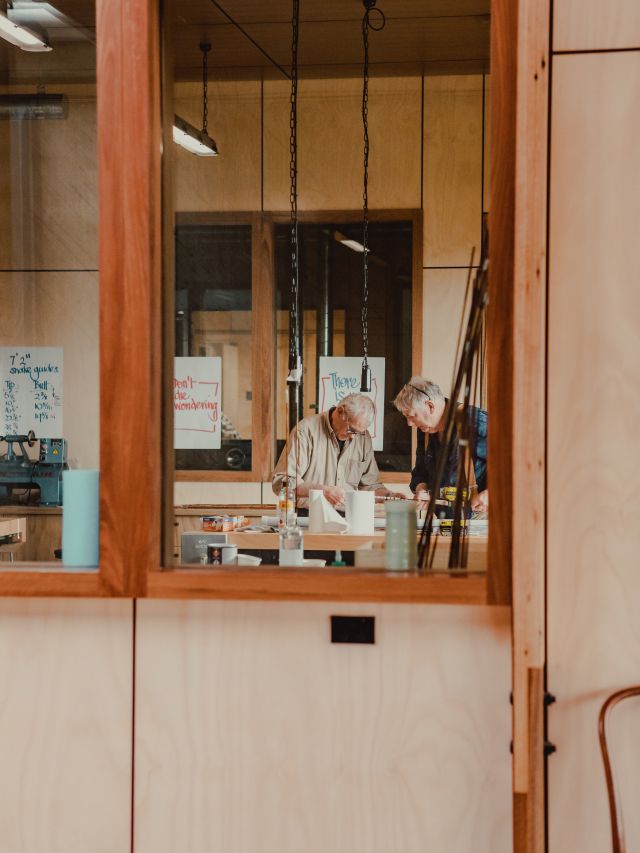
The Centre for Rare Arts & Forgotten Trades holds workshops to preserve crafts and skills.
While tradition is ongoing, there’s a danger that many of these specific type of skills and knowledge are fading as an older generation passes on. Step forward the Centre for Rare Arts and Forgotten Trades.
The seven purpose-built studios occupy a fabulous modern building adjacent to Sovereign Hill, with state-of-the-art facilities, enormous windows and landscape views across to Warrenheip and Wadawurrung Country.
Check out artisanal works at the Centre for Rare Arts and Forgotten Trades.
Practising artisans run hands-on workshops. Fancy making your own medieval armour? Or trying your hand at blacksmithing, spinning wool, plaiting leather, weaving cane or craft a knife? Book a class and learn how. “It’s about creating awareness and also sharing knowledge and skills before they are lost,” explains Deborah Klein, the centre manager.
A city steeped in food and flavours
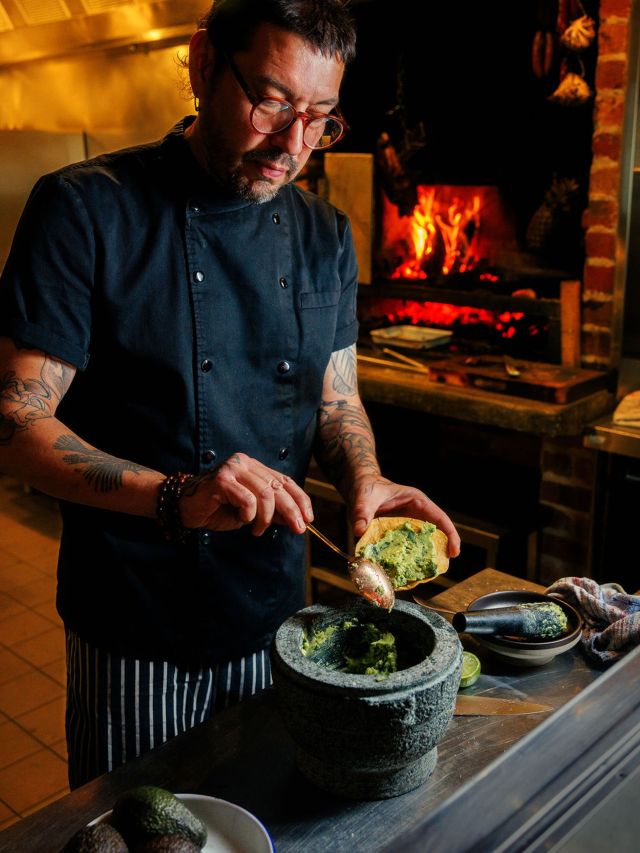
Chef José Fernandez creates vibrant South American street food at Pancho. (Image: Ballarat Tourism)
One skill that hasn’t been lost is that of cooking. Ballarat’s burgeoning gastronomy scene runs the gamut from an artisan bakery (the atmospheric 1816 Bakehouse) to cool coffee shops, speakeasy cocktail bars and distilleries to fine-dining venues. But I’m still surprised to find Pancho, José Fernandez’s South American street food restaurant, serving fried cheese tequeños, fiery fish tacos, Argentinian grilled chicken.
The room is as lively as the food – a whirl of colour filled with gifted and thrifted paintings, photos, tchotchkes (trinkets), plants. There’s a Mexican abuela aesthetic going on here. Even before the music and mezcal kick in, it’s fun. Heads up on the drinks menu – an authentic selection of mezcal, tequila, South American wines and Mexican cerveza.
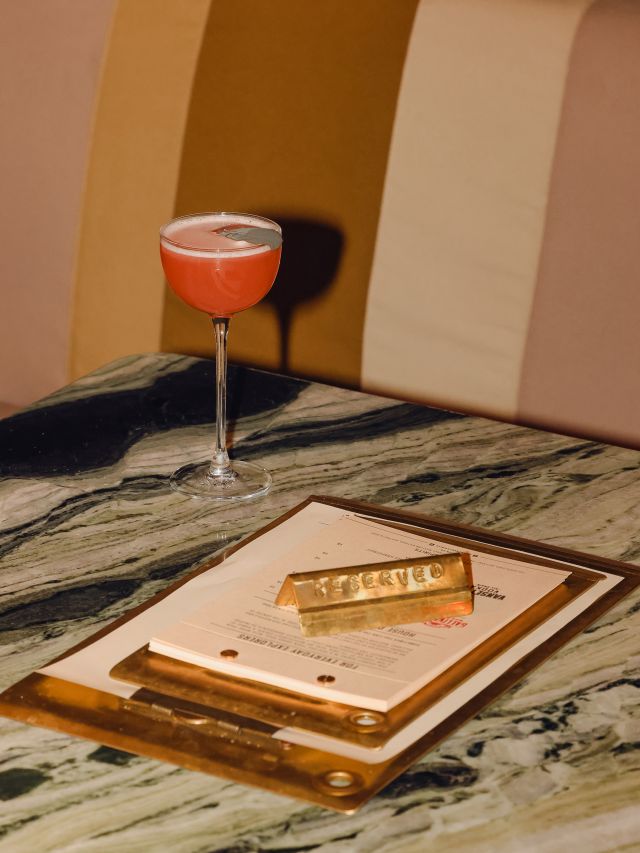
Enjoy a cocktail at Itinerant Spirits. (Image: Ballarat Tourism)
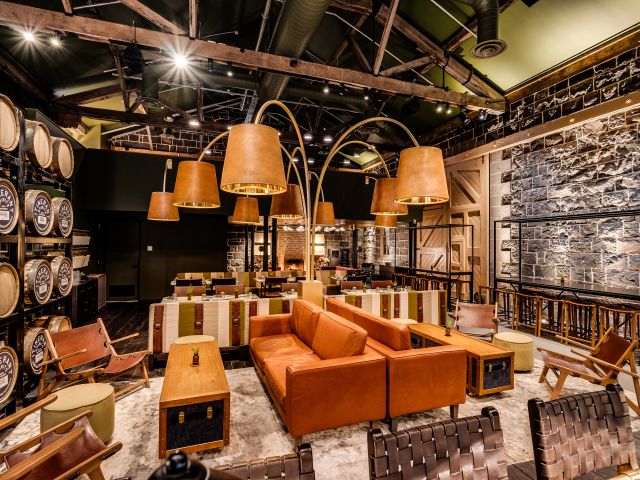
The spirit is willing, so after lunch we head towards the gold rush-era Ballarat train station and across the line to the old 1860s Goods Shed for Itinerant Spirits. At one end, a massive German copper still looms behind a wall of glass. The fit-out embraces deep olive-green tones, original bluestone walls, steamer trunks as coffee tables, heritage timber floors, oversized lamp shades and cognac-hued modernist leather seating.
The distillery operates from an old goods shed. (Image: Ballarat Tourism)
Gallivanter Gin, Vansetter Vodka and Wayfarer Whiskey – the key spirits distilled – star at the bar. The spirits are crafted using grains from the Wimmera Mallee region, and native botanicals foraged in the Grampians. Seasonal cocktails are inspired by local people and places (I loved The Headland, inspired by Sovereign Hill and flavoured with old-fashioned raspberry drops). Sample the spirits, and join a cocktail masterclass or a distillery tour. It’s a seductive setting – you’ll likely find yourself ordering a charcuterie platter or pizza as the evening progresses.
The Ballarat stay combining history and luxury
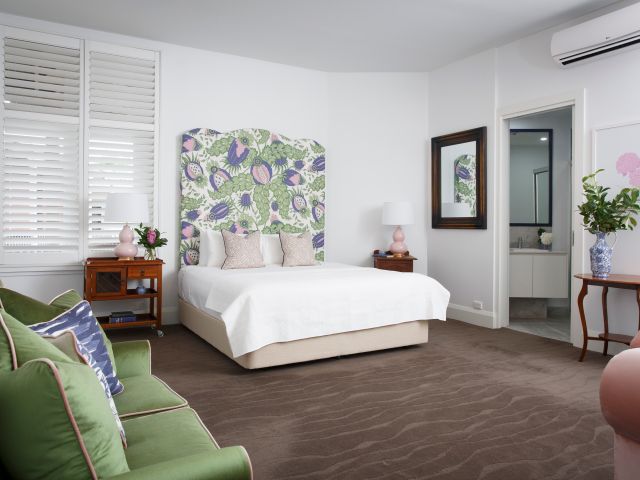
The rooms at Hotel Vera have a contemporary style. (Image: Ballarat Tourism)
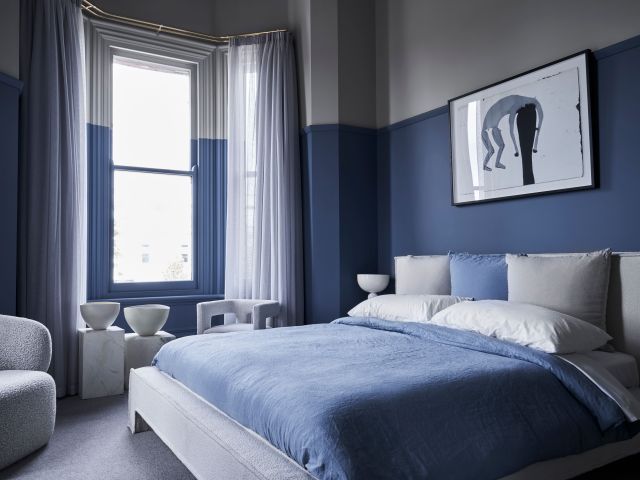
New lives for old buildings keeps history alive. Vera, Ballarat’s boutique five-star hotel, has taken it to the next level: it’s a palimpsest, a subtle layering of early 1900s and 1930s Art Deco architecture with a sleek new wing. There are seven spacious suites, each a dramatically different colour, with designer chairs, blissful bathrooms. High-end pottery and hand-picked artworks imbue the spaces with personality.
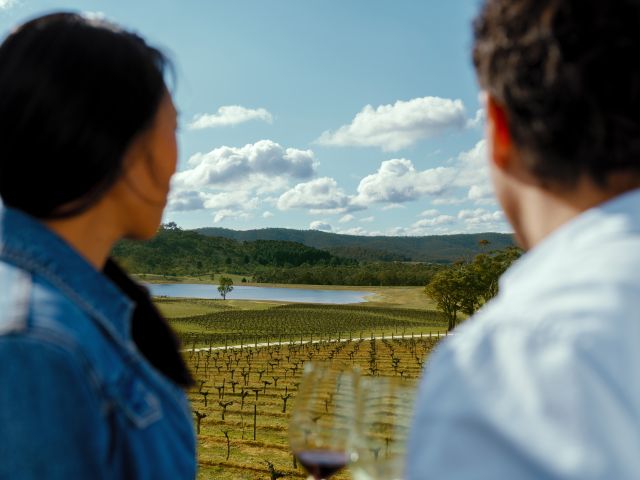
Vera’s intimate, award-winning restaurant, Babae, is subtly theatrical with sheer drapes and gallery lighting, its bespoke timber furniture and brass-edged marble bench setting the stage for food with a sharp regional focus. “We have goat’s cheese from a local supplier, handmade granola from local Vegas & Rose, truffles from nearby Black Cat Truffles, fresh food from our garden, and regional wines,” says joint owner David Cook-Doulton.
Celebrating the local makers, bakers, growers and producers, and the master chefs who work their magic is all part of the rich tapestry that links Ballarat’s history to its vibrant present.
A traveller’s checklist
Getting there
It’s 90 minutes from Melbourne, either on the Western Freeway, or hop on a V/Line train from Southern Cross Station.
Staying there
Hotel Vera is a centrally located Art Deco boutique hotel. Consider Hotel Provincial, which feels like a sleek country house, but with its own restaurant, Lola.
Hotel Provincial has country house vibes.
Eating there
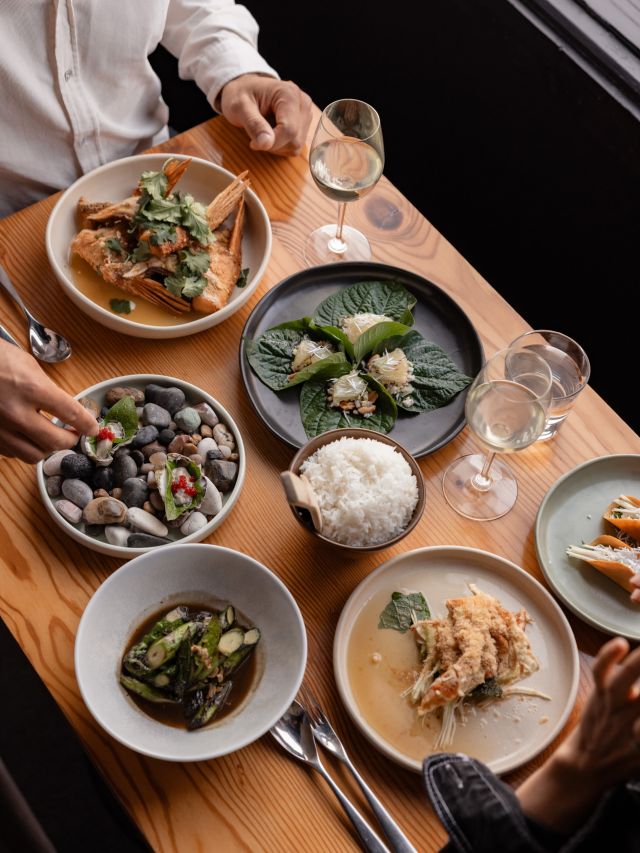
The table is set at Mr Jones. (Image: Tony Evans/ Visit Victoria)
Culinary whiz Damien Jones helms Chef’s Hat winner Mr Jones Dining with quiet assurance. His modern Asian food is deceptively simple with deep, intense flavours. Low-key, laid-back ambience, lovely staff, thoughtful wine list.
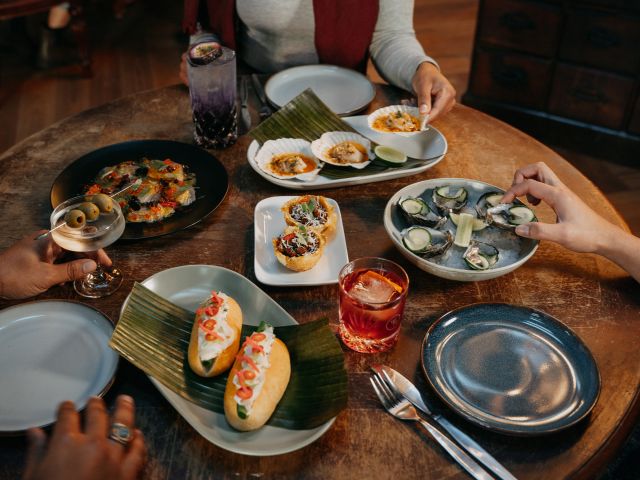
Cocktails are definitely a thing in Ballarat. Reynard (fox in French) is foxy indeed, a clubby space with top-notch cocktails and small bites. Grainery Lane is extravagantly OTT with its massive 1880s bar, myriad chandeliers, brass gin still, Asian-inspired food and lavish cocktails.
Dining at Grainery Lane.
Playing there
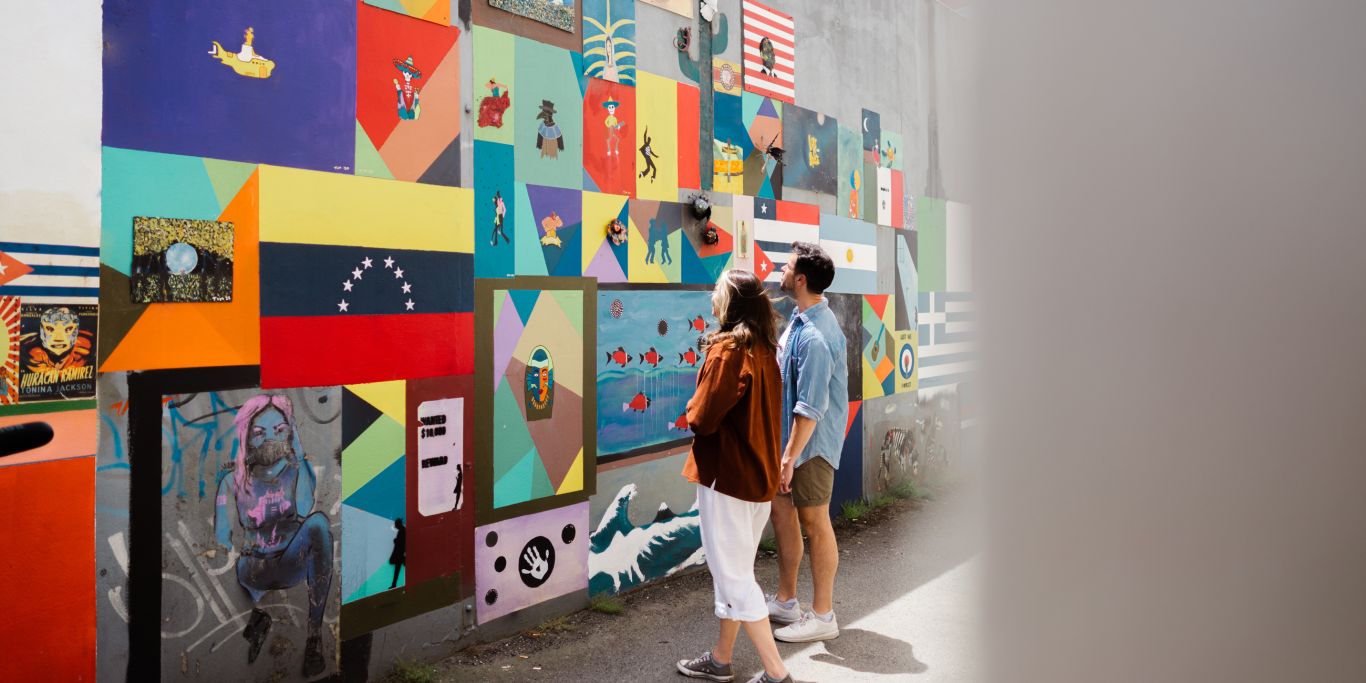
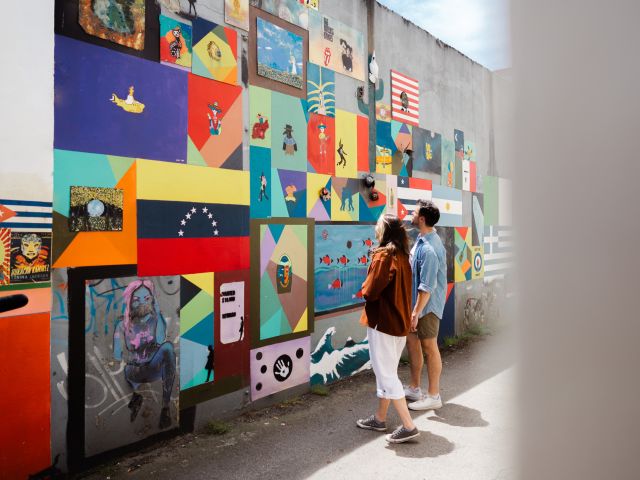
An artful laneway in the city. (Image: Ballarat Tourism)
Don’t forget the giant bluestone Kryal Castle, ‘the land of adventure’, for a little medieval magic, and not just for the kids: get ready for Highland-style feasting, jousting, even overnight stays.