Get acquainted with Australia’s island paradises

hero media
Australia is blessed with more than 8000 stunning islands – from the remote and rugged to the ultimate in luxury destinations. But exactly which island is best for you?

Christmas Island

Located in the Indian Ocean 2600 kilometres north-west of Perth and closer to Asia than to mainland Australia, Christmas Island is unlike anywhere you’ve ever visited before – and might just be one of the country’s best-kept secrets.
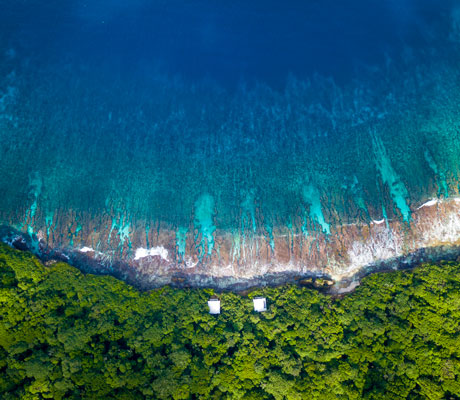
swell lodge christmas island
Swell Lodge on Christmas Island.

It’s a true island paradise of tropical jungle fringed by turquoise waters that has so much more to offer than the headlines would lead you to believe – even beyond the staggering number of endemic wildlife species that gave rise to the nickname ‘Galápagos of the Indian Ocean’.


Come for the crabs made famous by Sir David Attenborough and stay for the luxury eco retreat Swell Lodge, secret swimming spots, snorkelling and an intriguing melting pot of cultures.
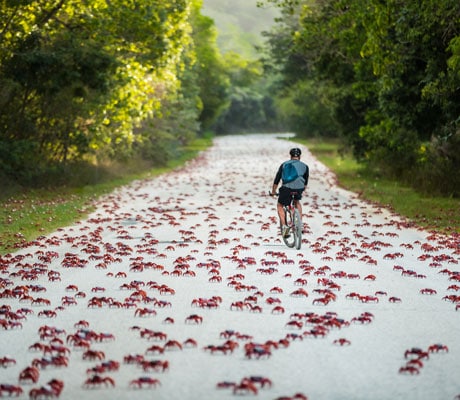
christmas island crabs
The famous Christmas Island crabs will be a sight worth seeing.

Cocos Keeling Islands

Like Christmas Island, the Cocos Keeling Islands is another external Australian territory in the Indian Ocean, and together they’re known collectively – and rather romantically – as Australia’s Indian Ocean Islands.


About halfway between Perth and Sri Lanka, this is a tranquil and unspoilt atoll of 27 islands where days are spent lazing on long stretches of white-sand beaches, visiting uninhabited islands by canoe (only two are inhabited), kite surfing, fishing and snorkelling.
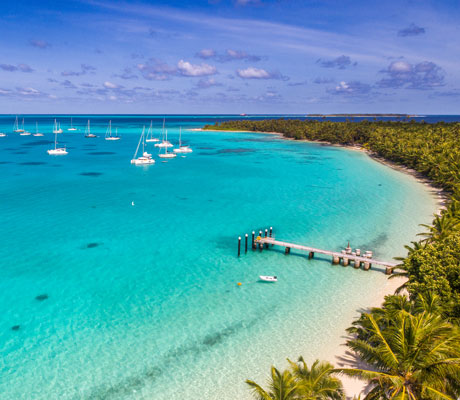
cocos keeling islands beach
Relax on the white sandy shores of Cocos Keeling Islands

You can also catch a ferry to Home Island to learn about the culture and traditions of the Coco Malay people.

Tiwi Islands

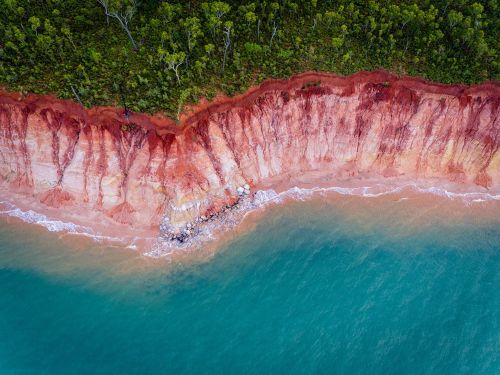
Course across the water from Darwin to soak in the rainbow of landscapes and culture that is the Tiwi Islands : with its tropical rainforests, clay-like cliffs and white-sand beaches matched in colour by its residents’ artistic flair and passion for sports. This strong pulse can be felt across the Tiwis’ two main islands, Bathurst and Melville, and culminates each year in the Tiwi Islands Football Grand Final and Art Sale (the one time when you can visit without a permit).
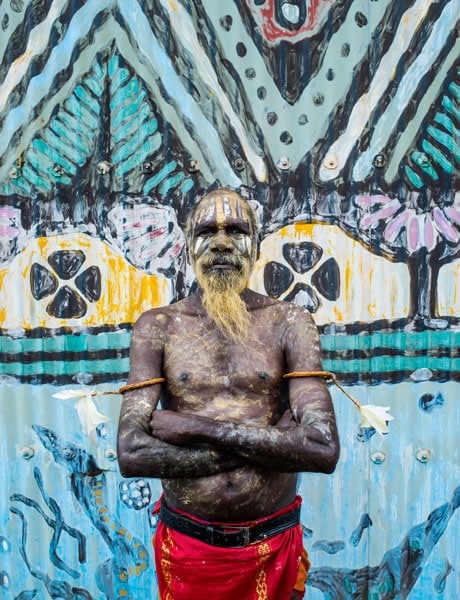
tiwi islands residents
Tiwi people are known for their artistic flare. (Image: Tourism NT)

But you can experience this pulse year round: join a cultural tour to witness the distinctive fabric prints, pottery and sculptures the Tiwi people are renowned for and get to know a lifestyle that’s at once ancient and modern. Be sure to stay at a beachside fishing lodge to see sunsets like no other.

Norfolk Island

Resting between New Zealand and New Caledonia , Norfolk Island is – geographically speaking – closer to Auckland than Sydney (600 kilometres in fact), yet it is officially part of NSW.
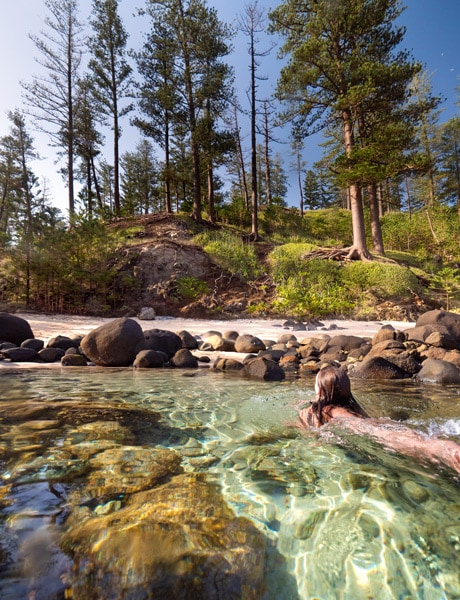
norfolk island swimming
Take a dip in the refreshing clear waters on Norfolk Island. (Image: Kyle Bowman)

A sub-tropical South Pacific island of rolling plains and dense pine forests – the iconic Norfolk Pine – with a craggy coastline that gives way to sparkling bays and world-class dive sites, it’s full of surprises. Chief among them is the local tongue. Norfolk’s islanders are descendants of the mutineers from the Bounty who once upon a time outgrew their home on Pitcairn Island and moved here, and the language, as a result, is a beguiling mix of 18th-century seafarer’s English and Tahitian.


Then there’s its growing reputation as a food-lover’s destination. Harnessing the abundance of homegrown produce, from fresh fish and beef to honey and cheese, Norfolk Island excels in the paddock-to-plate philosophy, and visitors can experience everything from progressive dinners at locals’ homes to simple but superfresh sunset fish fries.
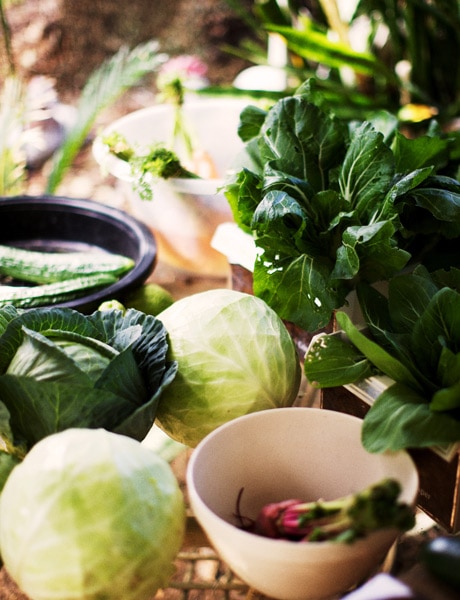
fresh produce norfolk island
Roadside stall on Norfolk Island.

Lord Howe Island

Like its ‘neighbour’ Norfolk Island (900 kilometres to the north-east), Lord Howe Island is World Heritage listed and the remnant of a volcano that was active two to three million years ago.


A tiny island in the Tasman Sea, east of Port Macquarie, it is characterised by sandy beaches, subtropical forests and clear waters surveyed by the impressive Mt Gower, standing tall at 875 metres and rated as one of Australia’s best day walks.
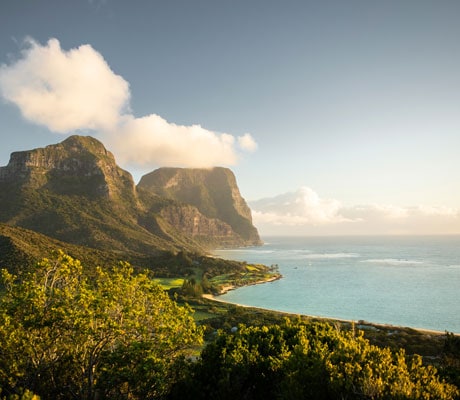
mount gower lord howe island
Scenic coastal views across Lord Howe Island to Mount Lidgbird and Mount Gower. (Image: tom-archer.com)

Less than a two hour flight from Sydney and Brisbane, Lord Howe is also synonymous with luxury. And not just barefoot luxury or the luxury of only 400 guests being permitted onto the island at any one time, but the ‘I never want to leave’ kind of luxury in the shape of Capella Lodge.


This Luxury Lodge of Australia boasts spectacular views over emerald ocean and awe-inspiring peaks, which are best gawped at while floating in the horizon pool, dining at its destination restaurant, or from the absolute serenity of your suite – one of just nine.
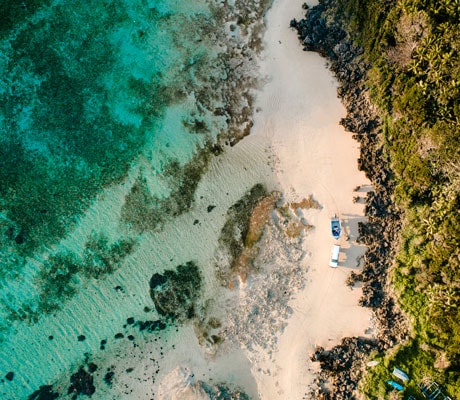
lagoon beach lord howe island
Aerial overlooking a car and boat trailer on The Lagoon Beach. (Image: Zach Sanders)

And when you’re not busy doing not much at all, see how many of the 500 species of fish and 90 species of coral you can spot while snorkelling the Lord Howe Island Marine Park, catch some fish, or dabble in some citizen science.

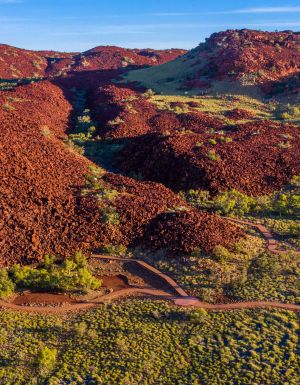
 

Discover the other destinations and experiences that made it into our Top 100 Ways to Holiday Here This Year special edition of Australian Traveller.
hero media

Mornington Peninsula’s storied past: war, shipwrecks and a runaway convict 

The Mornington Peninsula is a coastline of contrasts, where convict and military history meets shipwrecks, wild seas and adventures above and below the surface.

The Mornington Peninsula can be the kind of place where salt-tangled hair feels like a badge of honour – proof you’ve been somewhere wild, raw and real. Peel back the layers and you’ll discover stories that anchor this region to something other than its famed food and wine.

This land is the traditional Sea Country of the Bunurong/Boon Wurrung people. Long before grapevines were planted and artisanal goods were crafted, the Bunurong Traditional Owners lived in deep connection with the land and sea. Today, places such as Mushroom Reef Marine Sanctuary echo that tradition, with families exploring its rockpools in search of colourful sea stars and crabs at low tide and learning how these fragile ecosystems have been cared for across countless generations.

a group of people visiting the Port Nepean National Park
Take in the rugged coastal landscape at Port Nepean National Park. (Image: Tourism Australia)

A visit to Point Nepean National Park feels like stepping back through time. The fort, built in 1882, protected the narrow entrance to Port Phillip Bay until the end of the Second World War. It was here that the first Allied shot of the First World War was fired – at a German cargo ship trying to escape just hours after war was declared. Nearby, the old Quarantine Station, one of Australia’s first permanent quarantine facilities, established in 1852, still stands. Walking through the hospital and disinfecting complex evokes stories of those who arrived from faraway shores.

Not far from here is a story of survival that inspired the Aussie phrase ‘you’ve got Buckley’s chance’. In 1803, escaped convict William Buckley vanished into the bush near what’s now Sorrento. Everyone thought he had no hope of surviving, but he reappeared 32 years later, having lived with local Aboriginal people.

Even the waters here hold history. The infamous stretch known as The Rip, just three kilometres wide at the entrance of Port Phillip Bay, is among the most treacherous waterways. Countless ships were lost here in the 19th and early 20th centuries, and in 1967, Australia’s own Prime Minister Harold Holt disappeared while swimming off the coast, never to be found.

a seal swimming in Port Phillip Bay
A seal swimming in Port Phillip Bay. (Image: Tourism Australia/Two Palms/Harry Pope)

But for all its danger, the sea here also holds extraordinary beauty. Dolphins are often seen near Sorrento’s cliffs, while below the surface, seagrass meadows and rocky reefs teem with life. Marine tours offer a viewing to this underwater wonderland, while back on terra firma, walking trails lead along beaches, through coastal scrub, and over rock pools.

And if you think you’ll forget about the Mornington Peninsula once you’ve left? You’ve got Buckley’s chance.

A traveller’s checklist

Staying there

the suite interior at InterContinental Sorrento
Luxury interiors at the historic InterContinental Sorrento. (Image: Greg Elms)

Point Nepean Discovery Tents is immersive glamping beside the historic Quarantine Station. Or upgrade to luxury at the 1875-built InterContinental Sorrento .

Playing there

an aerial view of Cape Schanck Lighthouse
Make your way to the Cape Schanck Lighthouse. (Image: Tourism Australia/Two Palms/Harry Pope)

Bayplay Adventure Tours offer eco-adventures from snorkelling with sea dragons to kayaking with dolphins and cycling Point Nepean. Cape Schanck Lighthouse is fascinating to explore on a guided tour, which takes you into the lighthouse and keeper’s cottage.

Eating there

Portsea Hotel is a beautifully restored 1876 Tudor-style pub right on the beach, serving seasonal local fare.