Ghost mushroom season is almost upon us – here’s where to spot them.
A winter forest that glows in the dark might sound like something out of a fairytale. But in Australia, it’s a very real natural phenomenon. Powered by bioluminescence, ghost mushrooms are one of the world’s most mesmerising sights – and the seasonal display returns this May.
What is a ghost mushroom?
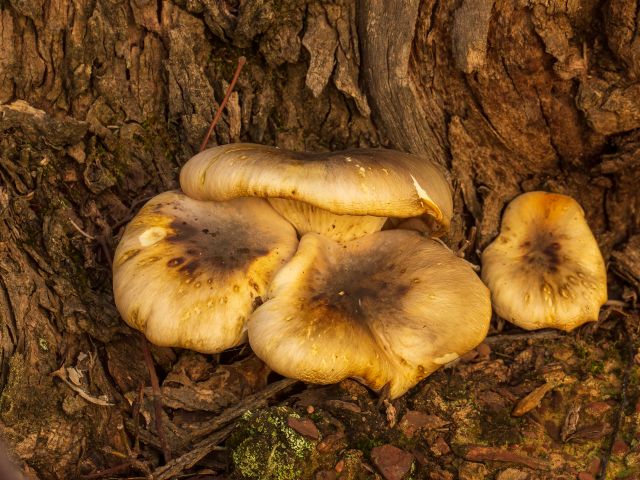
Found in forests across the southern parts of the country, the ghost mushroom is a rare fungus native to Australia. At first glance, the species looks rather unassuming – its wide flat cap, usually a pale shade of cream or brown, growing from decaying logs on the forest floor.
But when night falls, the ghost mushroom comes alive, emitting a vivid green glow that appears almost radioactive. It’s all caused by bioluminescence, the natural conversion of chemical energy into light energy within a living organism. The reaction produces a soft green light that radiates up through the fungi’s gills.
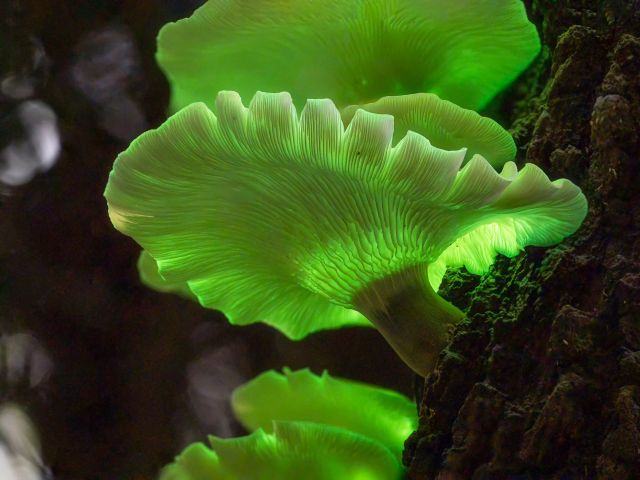
In Australia, ghost mushroom season typically begins in late autumn, around the start of May. Peaking as the seasons turn, it continues through to late winter, ending around early July.
Where can I see them?
So, you know when to go looking for ghost mushrooms. But where should you start? Only three states in Australia offer the ideal conditions for them to grow – here’s where to find the best displays in each one.
NSW
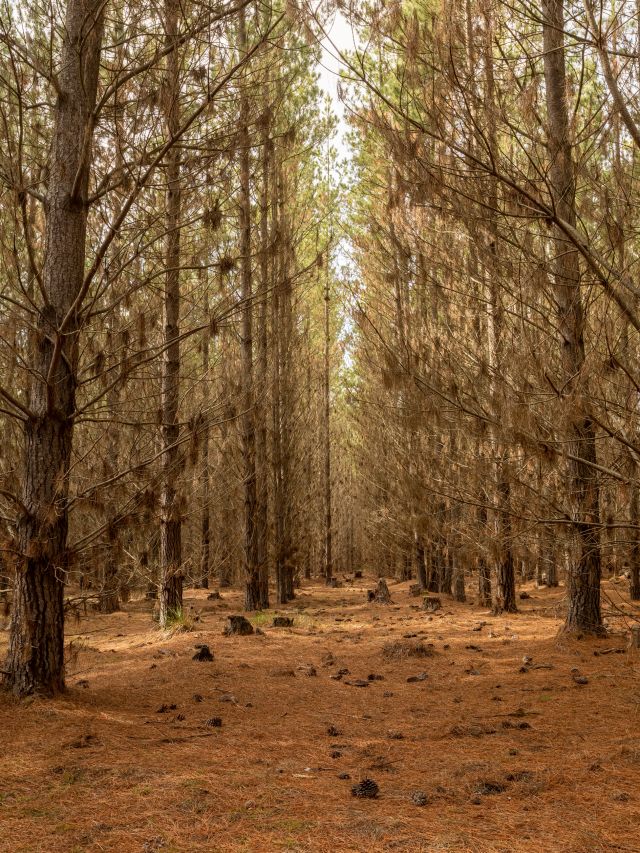
From the Sapphire Coast to the Southern Highlands, there’s no shortage of ghost mushroom hotspots in NSW. The species is known to appear in dense clusters within Belanglo State Forest, just over 20 kilometres from the regional town of Bowral. The pine plantation is open 24 hours a day, seven days a week, so visitors can still pop by after sundown.
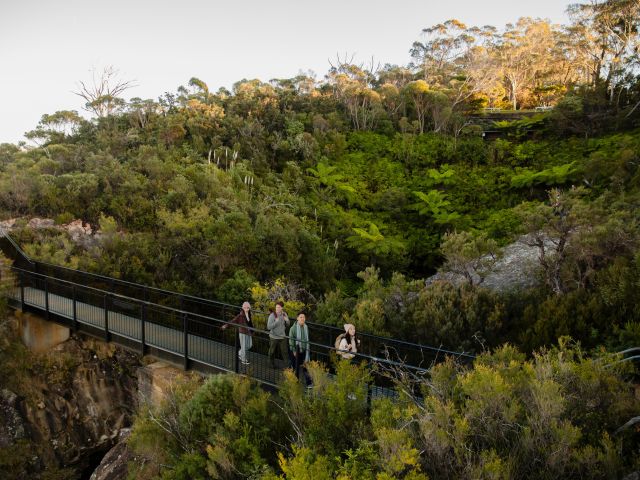
Further south near Merimbula, Bournda National Park and Kangarutha Farm are popular spots for fans of the fungus. And closer to Sydney, the Blue Mountains provide the perfect climate for ghost mushrooms to grow. From autumn, head out along the region’s top hiking trails and you might just spot the species glowing back at you.
Need tips, more detail or itinerary ideas tailored to you? Ask AT.
AI Prompt
Victoria
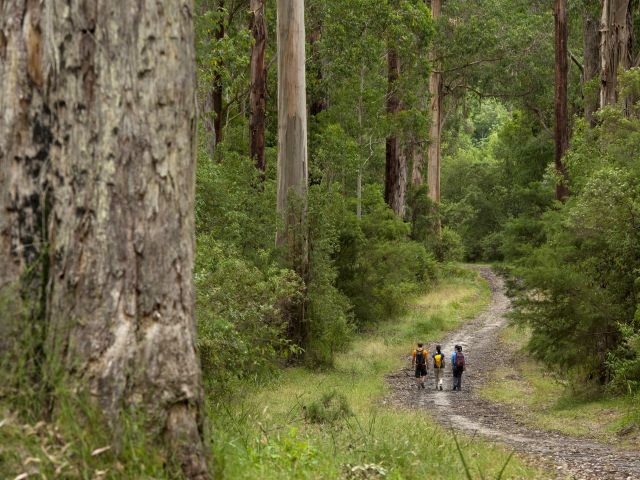
Come the cooler months, several locations across Victoria promise a chance to see the natural phenomenon, and Dandenong Ranges National Park is a great place to start. Its damp and dense forest floor provides the perfect environment for this fungi to thrive, with walking trails open to the public around the clock.
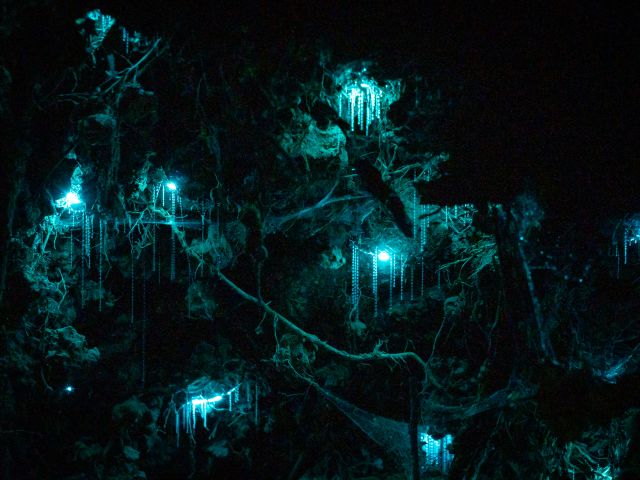
Another prime destination is the Great Otway National Park, located off the Great Ocean Road. After scanning the forest floor, don’t forget to look up. The wilderness area is also known as one of the best places in Australia to spot glow worms – a double whammy!
South Australia
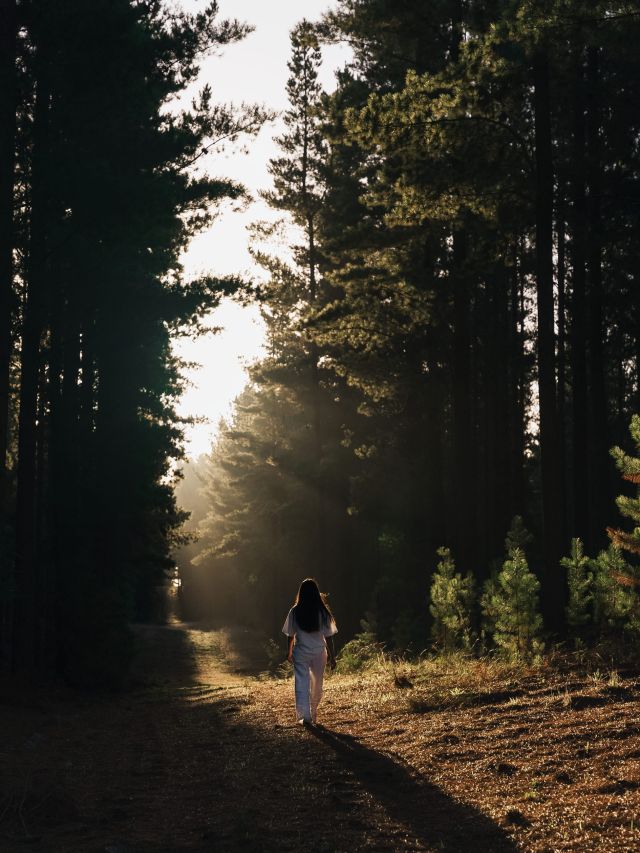
In South Australia, the luminous species is most prominent along the Limestone Coast. The best place to see the natural light show up close is Ghost Mushroom Lane, a family-friendly experience run by ForestrySA.
The tour gives visitors after-dark access to a working pine plantation in Glencoe, near Mount Gambier. At just $20 a head, guests are guided through the forest at night, following trails illuminated by pretty patches of glowing ghost mushrooms.
Weekly travel news, experiences
insider tips, offers, and more.
Things to know before you go
While hunting for ghost mushrooms is a magical experience, it’s important to come prepared and stay vigilant while exploring after dark. Follow these handy tips and tricks to ensure a safe and enjoyable outing.
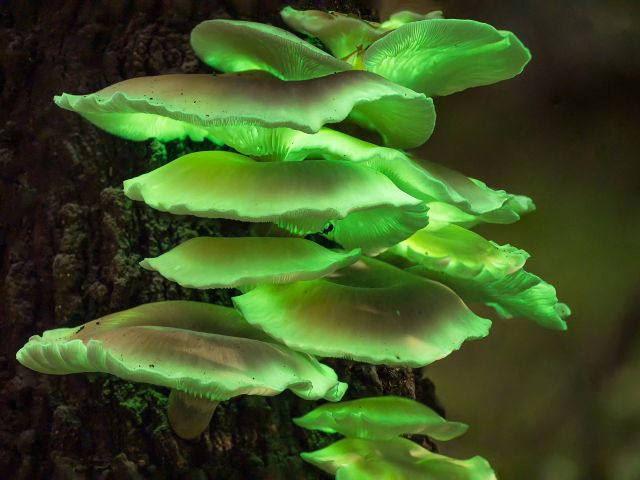
First and foremost, it is imperative to remember that ghost mushrooms are poisonous to humans. The fungus produces a highly toxic compound, so avoid touching or handling it at all times, and never attempt to eat any wild fungi found.
As most sightings happen at night, be sure to bring a torch or headlamp to help navigate the darkness. If you can, try to use red light; artificial light will impact your night vision. Regardless of what you use, do not shine it directly on the mushrooms, as it will dull their natural glow.
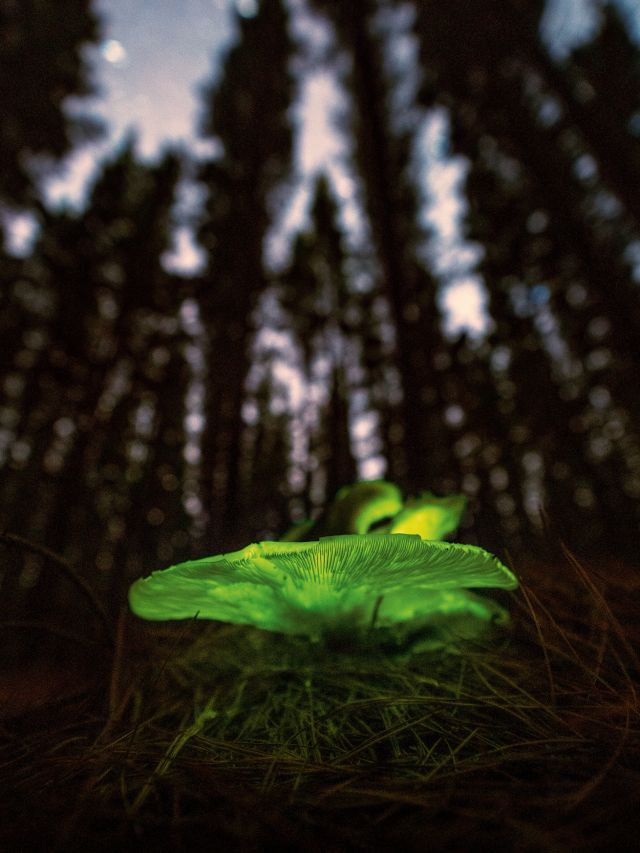
No matter where you explore, always stick to marked trails and take care underfoot. Forest terrain is often uneven and slippery, especially in the cooler months when conditions are ideal for growth. Warm layers are also a must, as temperatures drop after sunset. Closed-toe shoes or hiking boots are recommended for comfort and stability.
We recommend heading out with a friend or in a small group, too. It’s also worth checking the weather conditions before you go. Recent rainfall can improve your chances of spotting the glow, but if the forecast is looking rough, consider postponing your trip.
Finally, respect the environment you’re in. Try not to disturb logs or leaf litter, as many forest critters call these places home. And as for the fungi itself, admire it from afar and you’ll help preserve the delicate natural phenomenon for others to enjoy.
Want to see more stories from Australian Traveller in your Google search results?
- Click here to set Australian Traveller as a preferred source.
- Tick the box next to "Australian Traveller". That's it.