Indian tiffin culture lands in Australia – here’s where to get yours

hero media
These Aussie tiffin services are serving up authentic, home-cooked Indian meals – and they’re perfect for curious travellers hungry for culture.

If you’ve been on TikTok lately, chances are you’ve stumbled across the “tiffin lady", aka Lily Baria – a creator who unboxes her daily delivery of Indian food with reverence and joy. Each day brings a new surprise, stacked inside traditional stainless steel containers known as tiffins. Millions are watching, drooling and wondering: how do I get one?

And you don’t need to go to India to experience this. A growing number of tiffin services are popping up around Australia, and for travellers, they offer a deliciously unexpected way to connect with culture through food.

@lilybaria What I eat for lunch in India! #tiffin #indianfood #goanfood #goa #fyp ♬ original sound – Lily Baria

What exactly is a tiffin?

The tiffin system originated in India more than 130 years ago and is still going strong. In Mumbai alone, more than 200,000 home-cooked meals are delivered daily via an ultra-efficient network of dabbawalas (lunchbox couriers who carry hot meals to people across the city).

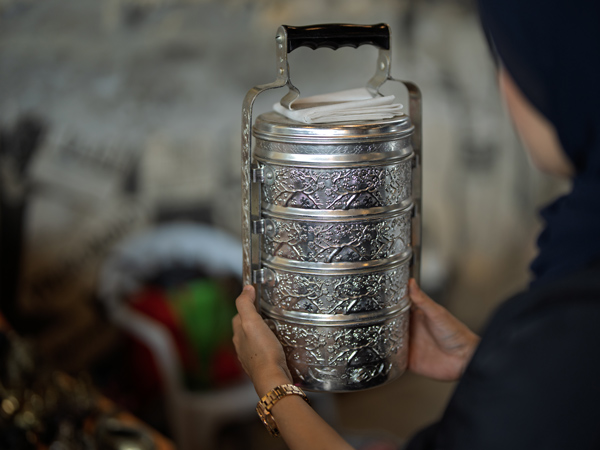
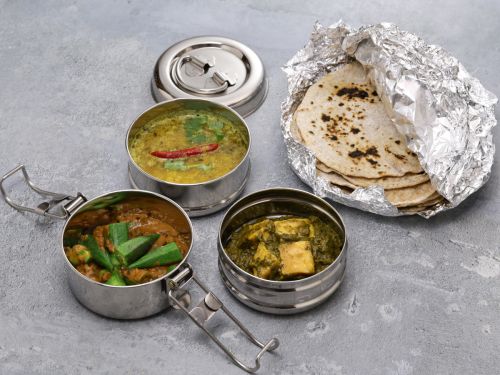
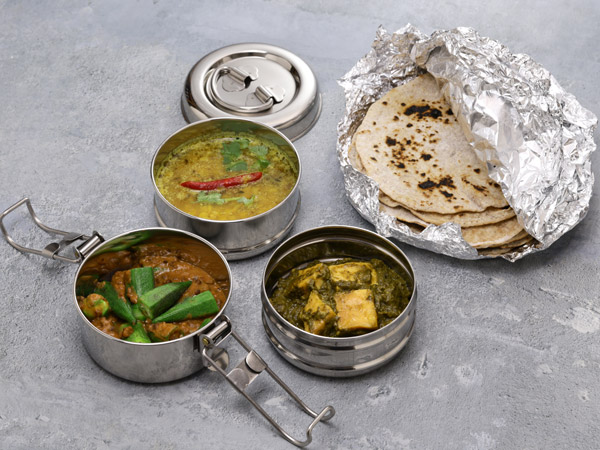
A typical tiffin is made up of round, stainless steel compartments stacked vertically and fastened with a latch. Each level holds a different dish, say, saag paneer in one, roti in another and gulab jamun tucked neatly into the top tier. It’s comforting, seasonal and full of soul – like a hug from someone’s mum in food form.

woman wearing a dark outfit holds a traditional embossed silver metal tiffin food carrier with four compartments. The container features intricate floral patterns and a black handle, evoking cultural heritage and craftsmanship
For food-loving travellers, tiffin service is a way to experience the rich variety of regional Indian cuisine. (Image: Getty Images / Pikusisi-Studio)

Beyond the viral TikTok fascination, these services are taking off in Australian cities. For many Indian Australians, the tiffin is a taste of home in a foreign place. For food-loving travellers, it’s a way to connect with that story and experience the rich variety of regional Indian cuisine beyond what’s on a standard restaurant menu.

Best of all? These services are small, local and often run by passionate home cooks. Here’s where to find them.

Need tips, more detail or itinerary ideas tailored to you? Ask AT.

AI Prompt

Launceston

Perhaps the most surprising entry on the list, OM Foods delivers weekly South Indian tiffins around Launceston. Dishes are all made from scratch using local ingredients. Orders open weekly via their website and are available for casual customers, not just subscribers.

Brisbane

Run by a passionate home cook, Beejay’s Home Kitchen is a Brisbane-based tiffin service offering rotating Punjabi and Gujarati meals, with generous portions and that just-like-home taste. The menu changes regularly, and pickup or delivery is available in select suburbs – a fun off-the-beaten-path foodie experience for visitors staying nearby.

Adelaide

Butter & Bite specialises in wholesome, balanced tiffin meals featuring a curry, four rotis, dal and rice. Available for delivery, the meals are prepared with love and focus on authentic flavour with a modern edge. Portions are generous and perfect for anyone craving a taste of home-style Indian cooking while exploring Adelaide.

Sydney

Tiffin Service Co. menus are diverse and delicious, with tiffins often including sabzis, lentils, raita, roti and something sweet to finish. Meals feel straight out of Mumbai, making it a must-try for travellers in Sydney with a passion for authentic Indian home cooking and cultural eats.

They also run a dedicated monthly tiffin subscription service exclusively for UNSW students, offering home-style Indian meals delivered Monday to Friday over a 20-day plan.

Melbourne

Melbourne’s multicultural food scene embraces the tiffin trend with Taste of Home , which delivers traditional Indian meals across metro Melbourne. Menus rotate weekly and are crafted to feel like home.

Weekly travel news, experiences
insider tips, offers, and more.

What to expect
A retro Indian tiffin lunch box filled with vegetarian food. And chapati.
Tiffins aren’t just meals, they’re a cultural experience. (Image: Getty Images / bonchan)

Most tiffin services require you to order in advance – often the week before – and may offer pickup, delivery or both. Some operate on a subscription basis, while others allow one-off orders. The menus usually change daily or weekly, based on what’s in season or what the cook is craving.

It’s worth noting that these services aren’t restaurants – individuals or small teams often run them out of home kitchens, community kitchens or shared cooking spaces. That’s part of the charm. It’s food made with love, not mass production.

Why it’s worth seeking out

@lilybaria SUNDAY TIFFIN 😩😩😩 #TIFFINTOK #tiffin #india #indianfood #goa #goanfood ♬ original sound – Lily Baria

Tiffins aren’t just meals, they’re a cultural experience. For Indian-Australians, they’re a powerful link to home. For travellers, they’re a rare chance to engage with a tradition that’s been quietly feeding millions for generations.

And let’s be honest, there’s something undeniably joyful about opening a mystery lunchbox and discovering what’s inside.

Emily Murphy
Emily Murphy is Australian Traveller's Email & Social Editor, and in her time at the company she has been instrumental in shaping its social media and email presence, and crafting compelling narratives that inspire others to explore Australia's vast landscapes. Her previous role was a journalist at Prime Creative Media and before that she was freelancing in publishing, content creation and digital marketing. When she's not creating scroll-stopping travel content, Em is a devoted 'bun mum' and enjoys spending her spare time by the sea, reading, binge-watching a good TV show and exploring Sydney's vibrant dining scene. Next on her Aussie travel wish list? Tasmania and The Kimberley.
View profile and articles
hero media

Mornington Peninsula’s storied past: war, shipwrecks and a runaway convict 

    Kellie Floyd Kellie Floyd
    The Mornington Peninsula is a coastline of contrasts, where convict and military history meets shipwrecks, wild seas and adventures above and below the surface.

    The Mornington Peninsula can be the kind of place where salt-tangled hair feels like a badge of honour – proof you’ve been somewhere wild, raw and real. Peel back the layers and you’ll discover stories that anchor this region to something other than its famed food and wine.

    This land is the traditional Sea Country of the Bunurong/Boon Wurrung people. Long before grapevines were planted and artisanal goods were crafted, the Bunurong Traditional Owners lived in deep connection with the land and sea. Today, places such as Mushroom Reef Marine Sanctuary echo that tradition, with families exploring its rockpools in search of colourful sea stars and crabs at low tide and learning how these fragile ecosystems have been cared for across countless generations.

    a group of people visiting the Port Nepean National Park
    Take in the rugged coastal landscape at Port Nepean National Park. (Image: Tourism Australia)

    A visit to Point Nepean National Park feels like stepping back through time. The fort, built in 1882, protected the narrow entrance to Port Phillip Bay until the end of the Second World War. It was here that the first Allied shot of the First World War was fired – at a German cargo ship trying to escape just hours after war was declared. Nearby, the old Quarantine Station, one of Australia’s first permanent quarantine facilities, established in 1852, still stands. Walking through the hospital and disinfecting complex evokes stories of those who arrived from faraway shores.

    Not far from here is a story of survival that inspired the Aussie phrase ‘you’ve got Buckley’s chance’. In 1803, escaped convict William Buckley vanished into the bush near what’s now Sorrento. Everyone thought he had no hope of surviving, but he reappeared 32 years later, having lived with local Aboriginal people.

    Even the waters here hold history. The infamous stretch known as The Rip, just three kilometres wide at the entrance of Port Phillip Bay, is among the most treacherous waterways. Countless ships were lost here in the 19th and early 20th centuries, and in 1967, Australia’s own Prime Minister Harold Holt disappeared while swimming off the coast, never to be found.

    a seal swimming in Port Phillip Bay
    A seal swimming in Port Phillip Bay. (Image: Tourism Australia/Two Palms/Harry Pope)

    But for all its danger, the sea here also holds extraordinary beauty. Dolphins are often seen near Sorrento’s cliffs, while below the surface, seagrass meadows and rocky reefs teem with life. Marine tours offer a viewing to this underwater wonderland, while back on terra firma, walking trails lead along beaches, through coastal scrub, and over rock pools.

    And if you think you’ll forget about the Mornington Peninsula once you’ve left? You’ve got Buckley’s chance.

    A traveller’s checklist

    Staying there

    the suite interior at InterContinental Sorrento
    Luxury interiors at the historic InterContinental Sorrento. (Image: Greg Elms)

    Point Nepean Discovery Tents is immersive glamping beside the historic Quarantine Station. Or upgrade to luxury at the 1875-built InterContinental Sorrento .

    Playing there

    an aerial view of Cape Schanck Lighthouse
    Make your way to the Cape Schanck Lighthouse. (Image: Tourism Australia/Two Palms/Harry Pope)

    Bayplay Adventure Tours offer eco-adventures from snorkelling with sea dragons to kayaking with dolphins and cycling Point Nepean. Cape Schanck Lighthouse is fascinating to explore on a guided tour, which takes you into the lighthouse and keeper’s cottage.

    Eating there

    Portsea Hotel is a beautifully restored 1876 Tudor-style pub right on the beach, serving seasonal local fare.