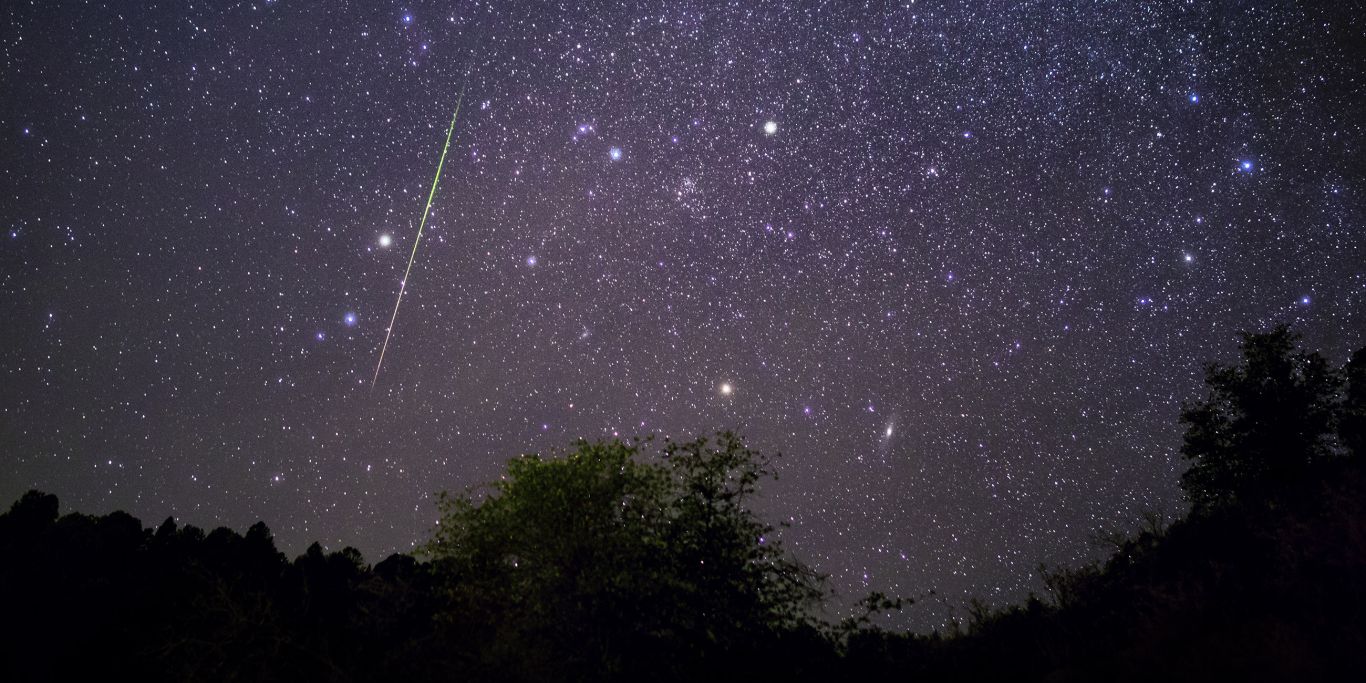

Australian skies are about to be graced with some of the fastest-moving meteors known to Earth.
Is anything more magical than a meteor shower? This special blend of a striking cosmic light show and all the human history and myth that goes along with it. The only downside is that so many of them seem to skip Australia – but not the upcoming Leonids meteor shower, set to grace our skies next month.
What is the Leonids meteor shower?
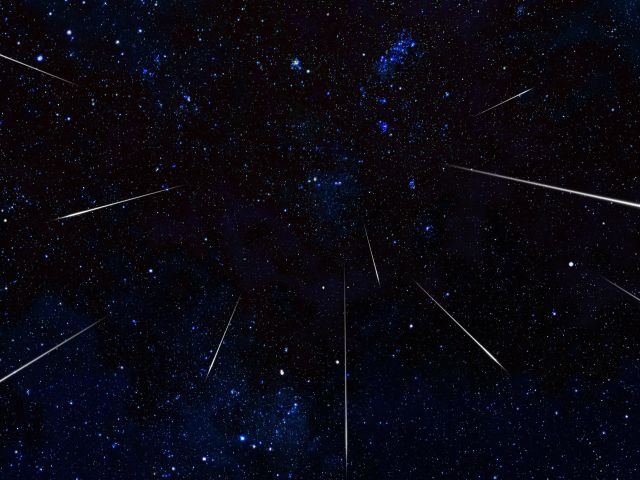
Fast and vibrant, the Leonids are known as some of the fastest-moving meteors, putting on a pretty spectacular display. In fact, they’re so fast that they created one of the greatest meteor storms in living memory. What does that mean? It meant that thousands of meteors were zooming in the sky per minute for 15 minutes on the morning of 17 November 1966. And while the 2026 shower is not expected to hit quite that rate (storms like that only come around every 33-34 years when the Earth passes through a dense concentration of fresh comet debris), under a dark sky with no moon, you might see 10 to 15 Leonid meteors per hour. And they’ll often appear as bright, colourful fireballs and long-tailed Earth-grazer meteors (meaning they’re bright and enter Earth’s upper atmosphere almost parallel).
The Leonid meteor shower is associated with the ‘parent comet’ 55P/Tempel–Tuttle, which orbits the Sun every 33 years, leaving behind the shooting stars we see (fun fact: they’re actually bits of icy, dusty debris left behind by that specific comet on its orbit).
When can you see them?
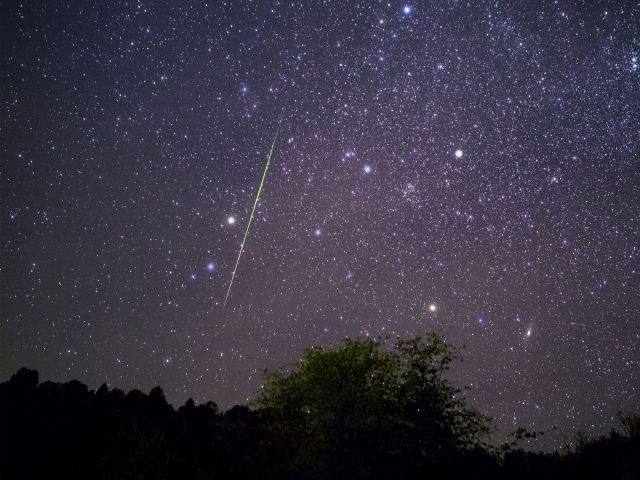
Happily, Australians will be able to enjoy this meteor shower (as long as the weather plays fair, of course). The Leonids meteor shower is active in mid-November, typically peaking around the 17th or 18th. For the best viewing, head outside (and away from light pollution) in the pre-dawn hours.
Where can you see them?
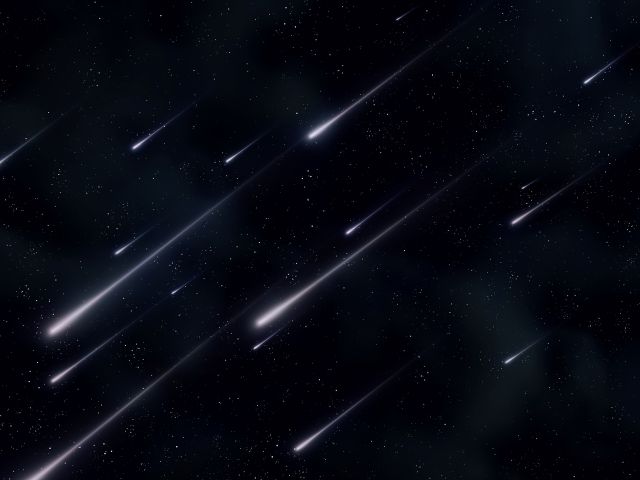
The good news is, you won’t need a telescope or binoculars to spot the shower. But you will need a spot out of the city and away from light pollution. You can discover our top 21 places around Australia for stargazing. But if you can’t make it to those, remember that Hipcamp’s upgraded dark sky map makes finding a campsite away from the harsh city light far easier.
Want to see more stories from Australian Traveller in your Google search results?
- Click here to set Australian Traveller as a preferred source.
- Tick the box next to "Australian Traveller". That's it.