
Australia has landed two spots on the New York Times’ influential travel list for 2026.
At the start of every new year, prestigious American newspaper the New York Times shares its list of 52 Places to Go that are worth travelling to that year.
When you think about the Earth’s vastness and all the magnificent places that call it home, making it into the top 52 is no small feat. And in 2026, Australia has managed to secure not one, but two spots.
Ranked at number 14, the Top End, Australia, appears well ahead of perennial favourite Melbourne, which came in at number 49. This reflects a growing global appetite for destinations where culture, landscape and local ownership intersect, rather than familiar urban icons alone.
14. The Top End
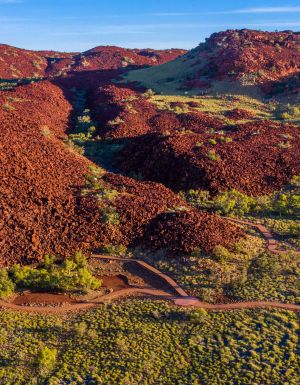
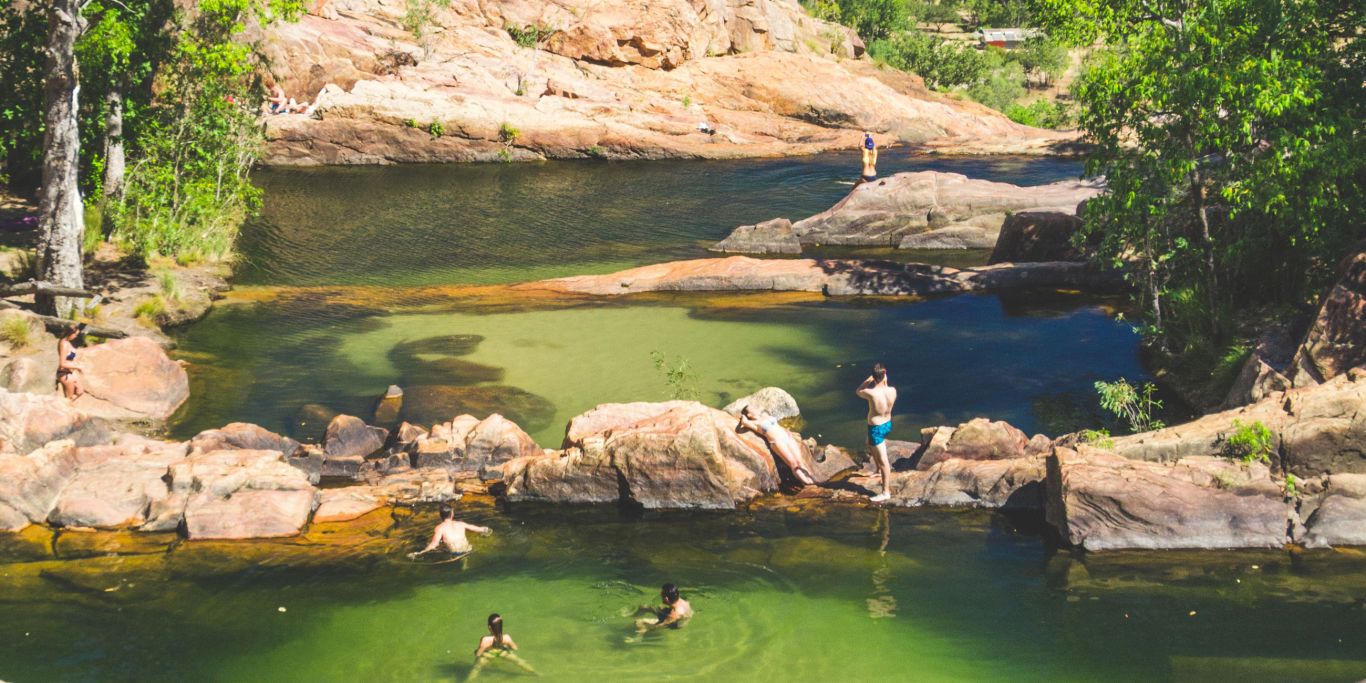
The New York Times highlights the reopening of Gunlom Falls in Kakadu National Park as the catalyst for the Top End’s inclusion, describing it as a stunning waterfall set within an area of profound Aboriginal cultural significance.
Gunlom Falls, known for its dramatic cascade and elevated infinity pool, had been closed for six years following a legal dispute. In a landmark win last year, the Jawoyn people, the Traditional Owners of the land, successfully challenged an Australian parks agency, restoring public access to the site.
Crucially, the new agreement goes beyond reopening gates. Under the revised lease, the Jawoyn people now receive 50 per cent of the falls’ commercial revenue, a significant increase from the 14 per cent previously allocated. The New York Times frames this outcome as part of a broader shift toward more equitable tourism models in Australia’s Top End.
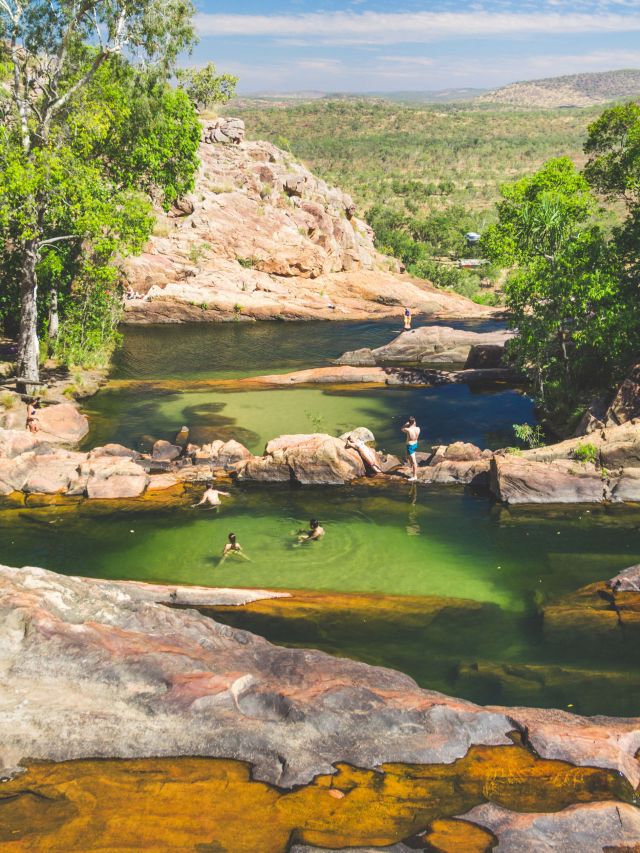
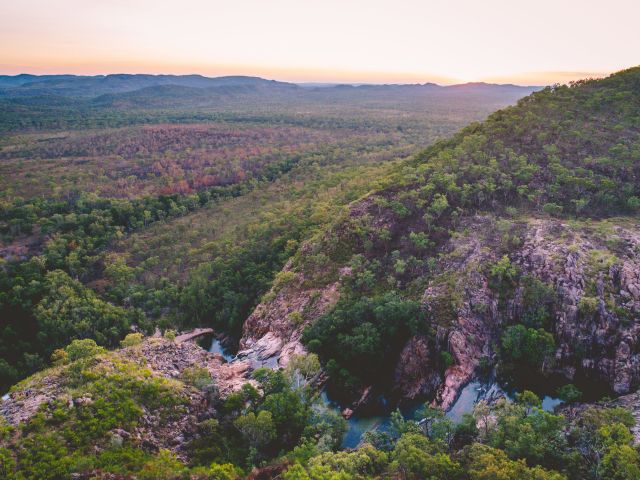
Kakadu National Park, which anchors the region, is also recognised for its extraordinary ecological and cultural richness. The park spans multiple ecosystems, from wetlands to escarpments, and protects around 5000 Aboriginal rock art sites, making it one of the most significant cultural landscapes in the world.
Darwin, traditionally the gateway to the Top End, also features prominently in the listing. The New York Times notes the upcoming opening of the Larrakia Cultural Centre overlooking Darwin Harbour, which is expected to welcome visitors from September. The centre will showcase the history and culture of the Larrakia people through art and archaeological exhibitions, music performances and hands-on craft workshops.
The inclusion positions the Top End as a destination defined not just by natural beauty, but by living culture, Indigenous leadership and meaningful visitor experiences.
49. Melbourne
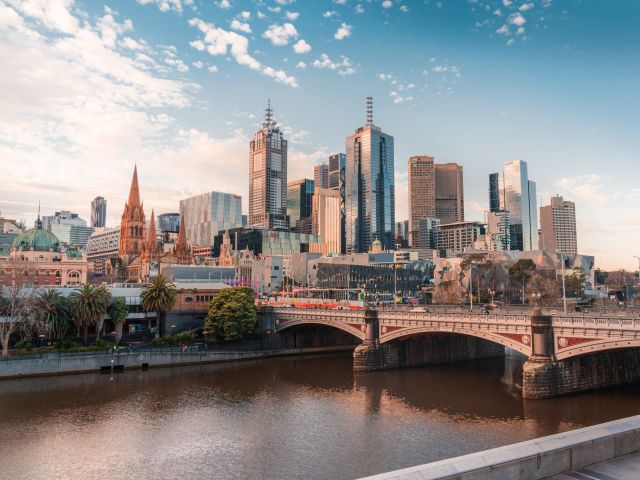
Melbourne’s appearance on the list comes as little surprise, with the city a regular fixture in global travel rankings. It also took out Best City to Visit in Australian Traveller’s Readers’ Choice Awards, last year. This year, however, The New York Times anchors its pick to a specific moment: a major Formula 1 milestone.
In 2026, Melbourne will host the debut of a Cadillac Formula 1 team at the Australian Grand Prix, marking the first new F1 squad in a decade. The event, scheduled for 5-8 March, is tipped to draw motorsport fans from around the world and elevate the race’s global profile.
Beyond the circuit, The New York Times leans into Melbourne’s established appeal as a culinary and cultural capital (it won our Readers’ Choice Award for Best Foodie Destination and Best Cultural or Arts Experience, too). It calls out the city’s cafe-lined laneways, the ever-busy Queen Victoria Market and the riverside Royal Botanic Gardens as essential experiences for visitors.
For car enthusiasts keen to stay off the track, auto-focused attractions such as the Fox Classic Car Collection at the historic Queen’s Warehouse and the Porsche & Coffee street gathering in South Melbourne on 1 March get a mention.

The listing also encourages travellers to venture beyond the city, suggesting a drive along the Great Ocean Road to The Blowhole Lookout – Poombeeyt Koontapool, a newly opened coastal lookout above a dramatic blowhole a few hours southwest of Melbourne.
While Melbourne may be a familiar name on international lists, its inclusion alongside the Top End underscores the breadth of Australian travel experiences capturing global attention in 2026, from ancient landscapes and Indigenous-led tourism to high-speed racing and world-class food culture.