The Blowhole Lookout – Poombeeyt Koontapool – has officially opened, bringing a breathtaking new way to experience Victoria’s Shipwreck Coast.
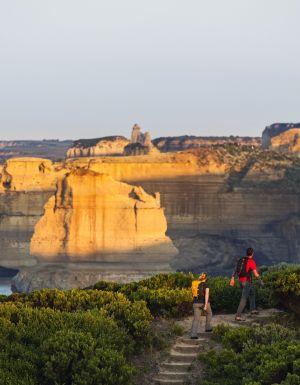
There’s a new reason to pull over along the Great Ocean Road – and it’s worth every minute. The brand-new Blowhole Lookout, known by its Keerray Woorroong name Poombeeyt Koontapool (Breath of the Whale), has opened at Loch Ard Gorge inside Port Campbell National Park, offering a dramatic new perspective on one of Victoria’s most spectacular stretches of coastline.
A whale-sized wow moment
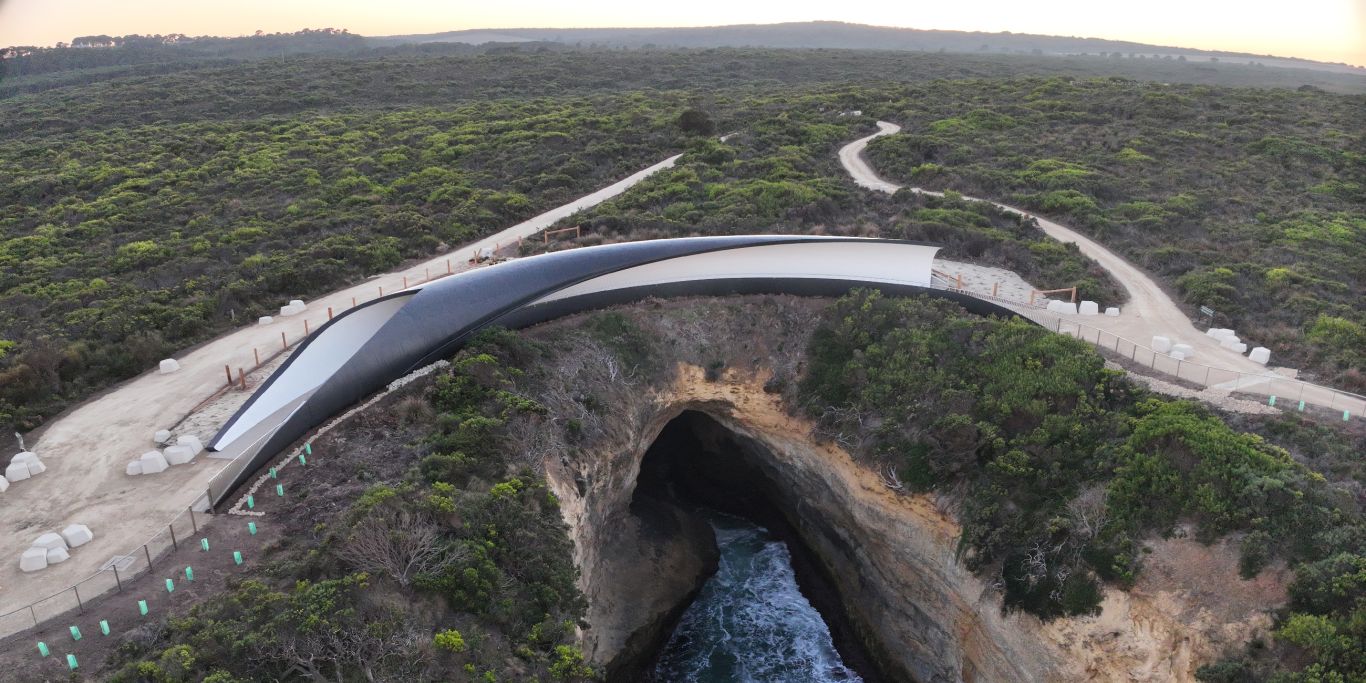
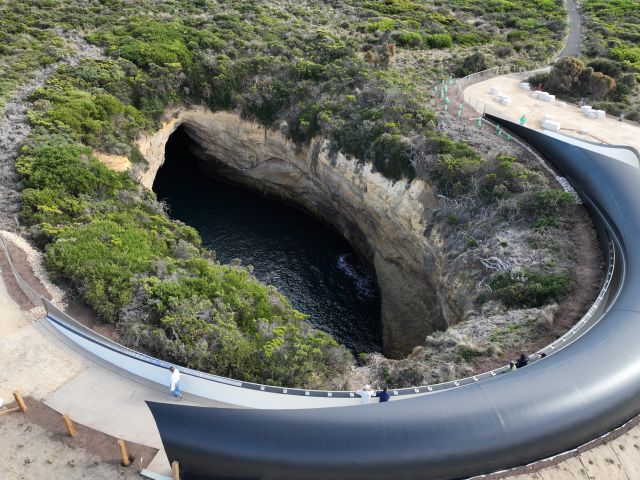
Curving seamlessly into the cliffs, the $8 million viewing platform draws inspiration from the mighty southern right whale, whose exhaled ‘breath’ inspired its name. Designed by Denton Corker Marshall in collaboration with the Eastern Maar Aboriginal Corporation, the sculptural deck mimics the textures and shapes of whale skin and barnacles while framing the churning sea below.
This striking addition is more than a photo stop – it’s a cultural and sensory experience that connects visitors to Country through story, language and design. The lookout sits low and grounded in the landscape, letting the roar of waves and the sting of sea spray take centre stage.
A new view of the Shipwreck Coast
Poombeeyt Koontapool has opened at Loch Ard Gorge. (Image: Parks Victoria)
Replacing an older, eroded lookout, Poombeeyt Koontapool is the final piece of the Shipwreck Coast Master Plan Stage 1, a multi-million-dollar project aimed at making this wild coastline safer and more accessible for visitors.
“This lookout at the Blowhole allows visitors to get up close with nature and will improve the experience for the millions of people who visit each year," said Minister for Major Events, Sport and Tourism Steve Dimopoulos.
Need tips, more detail or itinerary ideas tailored to you? Ask AT.
AI Prompt
Designed to blend in, not stand out
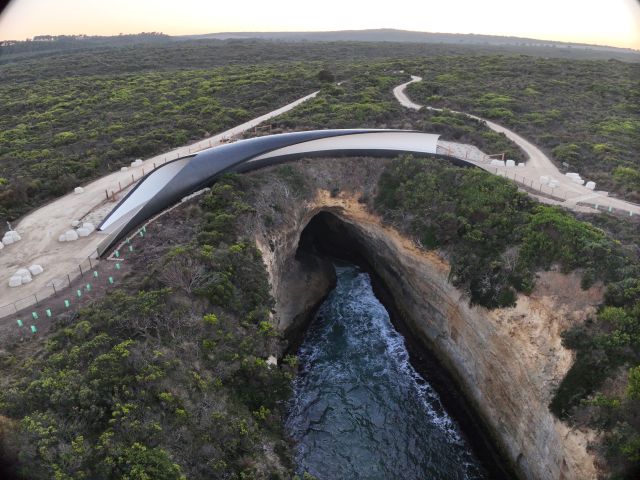
It’s an unmissable stop on a Great Ocean Road drive. (Image: Parks Victoria)
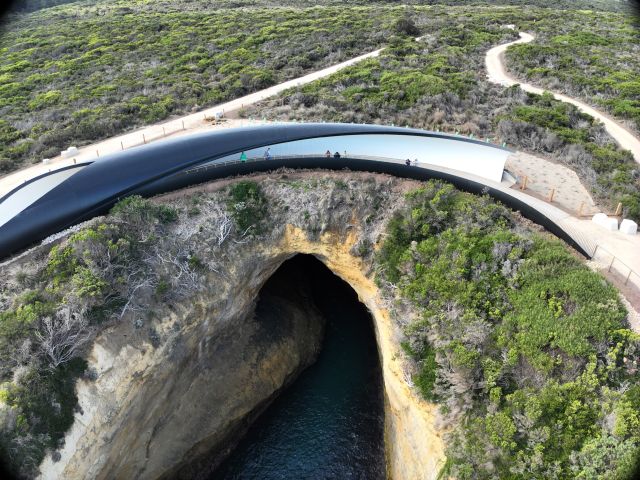
Instead of dominating the cliffs, the structure hugs them. Its sinuous form and textured finish echo the rhythms of the sea, while the circular viewing area references ancient meeting places. The materials were chosen to weather naturally with the coastal environment, ensuring the lookout feels like it’s always been part of the gorge.
For travellers, it’s an unmissable stop on a road trip of the Great Ocean Road; one that rewards you with both jaw-dropping views and a deeper sense of place. For locals and Traditional Owners, it’s a respectful nod to the stories and spirit of Koontapool, the whale whose breath gives the gorge its life.
Need-to-know
The $8 million viewing platform draws inspiration from the mighty southern right whale. (Image: Parks Victoria)
Where: Loch Ard Gorge, Port Campbell National Park
Access: New walking paths lead safely to the lookout
Cost: Free entry
When to go: Early morning or sunset for the best light (and smallest crowds)
The Great Ocean Road might be famous for its 12 Apostles, but this new whale-inspired platform proves there’s still plenty to blow you away.
Want to see more stories from Australian Traveller in your Google search results?
Tick the box next to "Australian Traveller". That's it.
Emily Murphy is Australian Traveller's Email & Social Editor, and in her 4+ years at the company she has been instrumental in shaping its social media and email presence, and crafting compelling narratives that inspire others to explore Australia's vast landscapes. Her previous role was a journalist at Prime Creative Media and before that she was freelancing in publishing, content creation and digital marketing. When she's not creating scroll-stopping travel content, Em is a devoted 'bun mum' and enjoys spending her spare time by the sea, reading, binge-watching a good TV show and exploring Sydney's vibrant dining scene. Next on her Aussie travel wish list? South Australia and The Kimberley.
Come for a couple of unmissable festivals, stay for a long, leisurely weekend of wining, dining and exploring all the heritage-rich glory Ballarat has to offer.
Far from a sleepy town, the historic city of Ballarat is an unexpectedly vibrant cultural and culinary destination. Year-round, it hosts a roster of events and experiences – including the upcoming Ballarat Heritage Festival, a celebration of the city’s past, and the new Ballarat Craft and Design Week, a must for fans of all things handmade and thoughtfully designed.
Beyond the festivals, there’s a bevy of things to see, do, eat and drink – making a weekend in Ballarat an absolute no-brainer.
Plus, just 90 minutes away from Melbourne by car along the Western Freeway or an easy train ride from Southern Cross, getting here is simple and stress-free.
Day 1
Morning
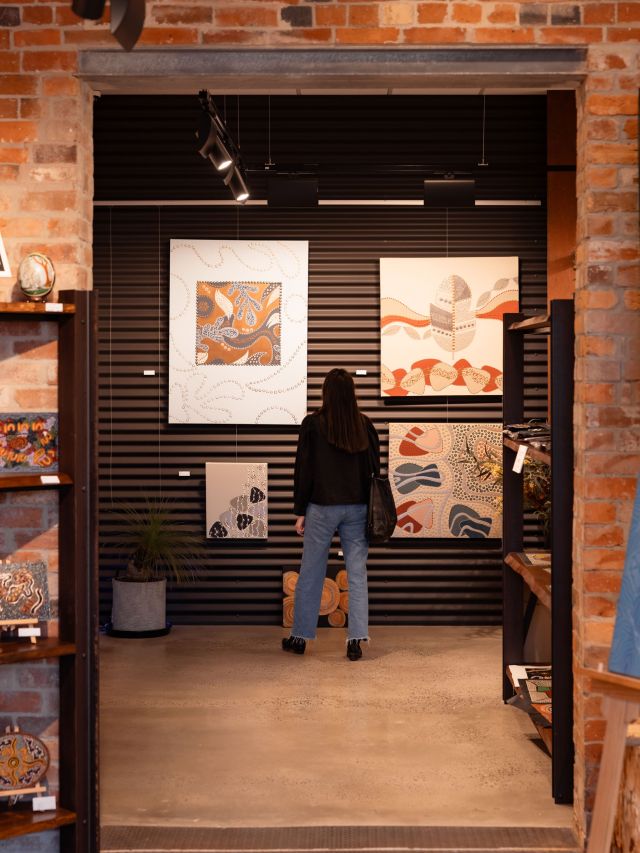
Peruse works by local First Nations artists at Perridak Arts. (Credit: Tony Evans)
Start your Ballarat jaunt at Johnny Alloo, a beautifully restored cafe harking back to the 1870s with original details and contemporary touches. Order a seasonal plate from the all-day brunch menu alongside a cleverly reimagined ‘cup of tea’ – the cafe’s very own Earl Grey-infused early bird spritz.
Next, head to Perridak Arts, a First Nations-owned and operated gallery filled with powerful works by local First Nations artists. Your next stop is Hop Lane, an alleyway crowned by a floating canopy of technicoloured umbrellas and centred on Hop Queen, a striking mural of a commanding female figure.
Afternoon
Create your own artworks at The Pottage. (Credit: Mass Motion)
Cobb’s Coffee is a firm favourite for consistently good coffee and thoughtful food, making it a solid lunch spot. The cafe’s signature sandwiches and toasties are well worth trying as you take in the heritage surrounds.
While away your afternoon at The Pottage, where Ballarat ceramicist and social media favourite Shelby Sherritt has just moved into brand-new digs. Try a throwing workshop, or pick a piece of pottery to paint from the extensive collection (the team will post it to you once it’s fired).
Now it’s time to check into Hotel Vera, the newest boutique accommodation in the city’s already-impressive line-up. The hotel presents a modern spin on Ballarat’s gold rush-era past – think design-led rooms, gold detailing and a curated art collection. There are only seven suites, each as beautifully finished as the next, with high-quality linens and plush furnishings.
Evening
Sit down to a seven-course feast at Babae. (Credit: Einwick)
Treat yourself to a pre-dinner drink at Grainery Lane. The saloon-style bar has rich, period-inspired decor (including an original bar top sourced from Chicago) and drinks reminiscent of 1900s classics, crafted with local ingredients.
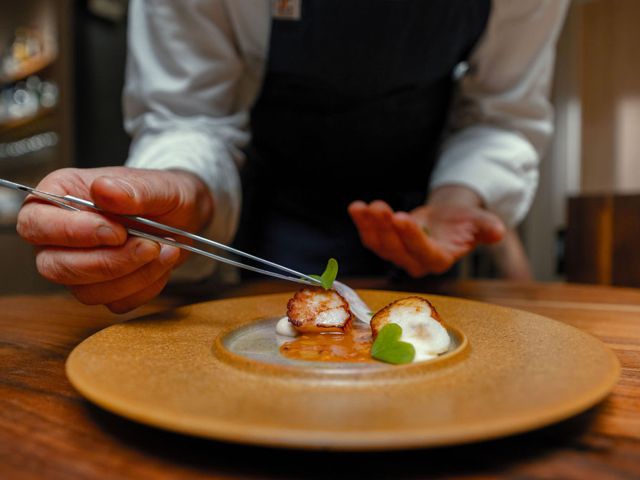
Head back to Hotel Vera for a seven-course feast at Babae. This intimate dining room serves up a refined, ever-evolving menu made with exceptional produce and is a truly memorable experience.
Day 2
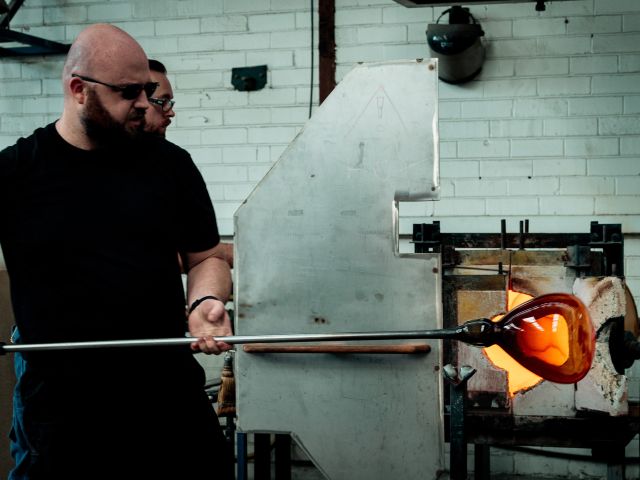
Spend the day at Ballarat Craft and Design Week. (Credit: Klapper Films)
Linger over a slow breakfast at Hotel Vera. You’ll graze your way through a spread of locally sourced treats, from toasted granola and pastries to seasonal fruit, and will need a strong coffee before a busy day at the main event: Ballarat Craft and Design Week.
This year marks the event’s inauguration, a celebration of artists, makers, designers and manufacturers. It’s a testament to Ballarat’s position as a UNESCO Creative City of Crafts and Folk Art.
The festival features a thoughtfully curated roster of events and activities, including free talks, hands-on workshops where you can craft your own keepsake, displays, studio tours and more. The central theme is Bound, with a flagship exhibition hosted in Ballarat’s grand and iconic Mining Exchange. The exhibition brings together five immersive projects designed to be touched, explored and experienced.
Afternoon
Discuss your favourite artworks over lunch at Pancho. (Credit Einwick)
The Craft and Design program continues at The Unicorn Collection. The gallery is hosting Why Are You Here?, an installation presented by artists from the community that centres on the meaning of Ballarat as home.
Recharge with lunch at Pancho, which turns out vibrant food from across Central and South America. Make sure to order from the specials board, often featuring dishes from more far-flung locations.
For a top-up of local craftsmanship, a visit to Wootten is a must. This workshop and retail space is a Ballarat institution, making and selling made-to-order and customised footwear alongside a selection of handcrafted leather goods.
Evening
Ballarat’s streets contain incredible dining options. (Credit: Tony Evans)
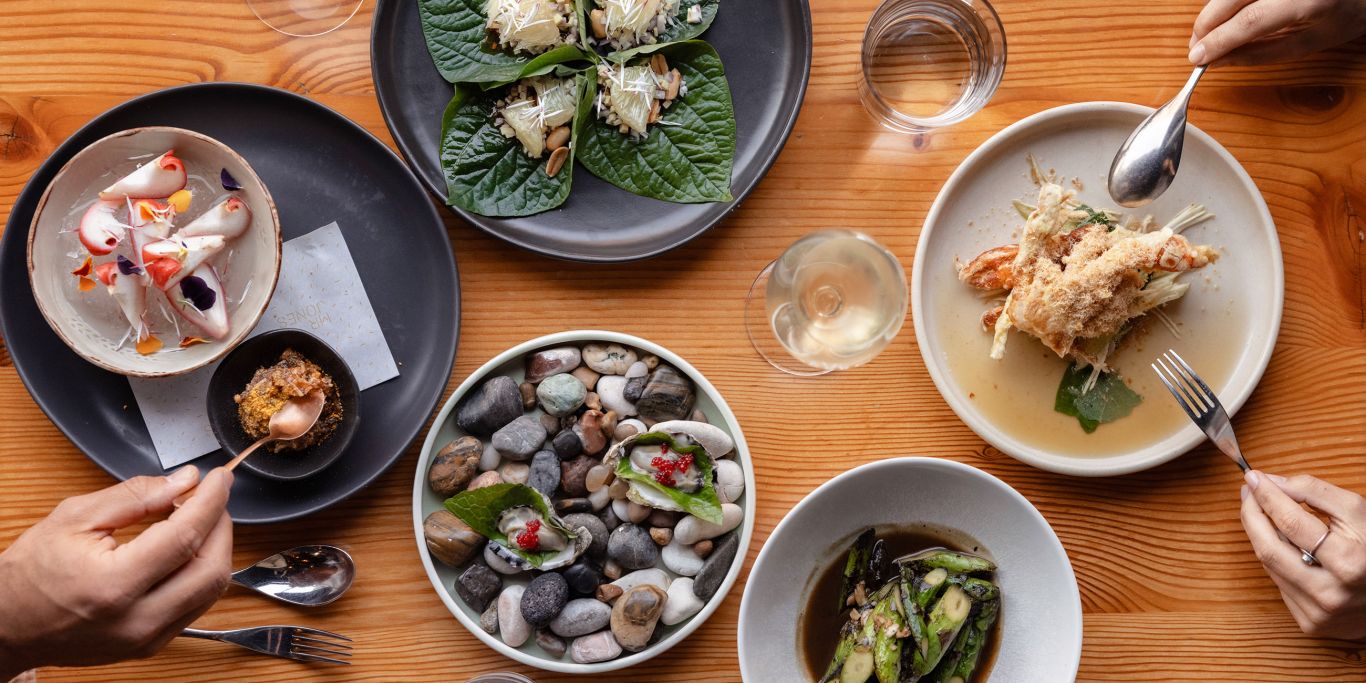
Book a table at Mr Jones, headed by chef Damian Jones, who’s worked in Michelin-Starred restaurants around the globe. The modern Asian menu changes weekly, but you can always expect the very best ingredients cooked with precision and restraint.
Finish off your day of art and exploration with a nightcap (and maybe a cheeky late-night snack) at Renard. This intimate and atmospheric cocktail bar does clever drinks alongside French-leaning small plates – we love the smoked trout pate and goat’s cheese doughnuts.
Day 3
Morning
Stop into Black Cat Truffles before heading home. (Credit Einwick)
It’s your final morning in Ballarat (that is, until you inevitably return), so it’s worth making it an unhurried one. Turret Cafe is your best bet for a relaxed and satisfying breakfast, with a produce-driven all-day menu and excellent coffee inside a character-filled setting.
A wander around the leafy Ballarat Botanical Gardens, followed by an excursion to Ross Creek Gallery, is the ideal way to stretch your legs after your morning feast. The gardens are replete with seasonal flower displays and heritage-listed trees, while the gallery is hosting a group exhibition centred on printmakers from across the region as part of Craft and Design Week.
Farewell your weekend escape – and fuel up for the journey home – at Black Cat Truffles. True to its name, the restaurant serves truffle-infused dishes (alongside regular fare) and the surrounding farm hosts truffle hunts and experiences. Pair your meal with a drop from the on-site Meredith Wines cellar door.