The outback icons you know and love.
These renowned outback destinations are icons and on the national radar for a reason, but they still hold some remarkable secrets.
1. Uluru, NT
Uluru, in the heart of the Red Centre, began to form some half a billion years ago, rising 348 metres out of the Central Desert. This ancient monolith is a sight to behold at any time of the day, from its iconic rusty red to purple when the sun melts into the desert.

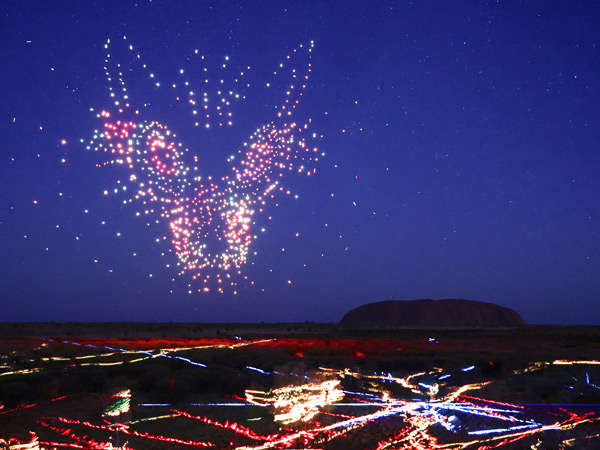
For the Anangu people, Uluru is a deeply spiritual place entwined in traditional Tjukurpa lore. After dark, Wintjiri Wiru tells the ancestral Mala story through more than 1000 choreographed drones, lasers and projections in the night sky. The 10-kilometre base walk is a must and weaves through pockets of lush vegetation including the Mutitjulu Waterhole.
Insider tip: Uluru is in one of the driest regions in Australia, but occasional heavy downpours can occur between November and March resulting in majestic waterfalls.
2. Kakadu National Park, NT
Kakadu is a place of staggering numbers. Stretching for 20,000 square kilometres, it encompasses a rich environment of vast savannah woodlands, stone escarpments, tropical waterholes and swollen wetlands.
The national park is home to about one-third of the country’s bird species and provides habitat to some 10,000 crocs. You’ll find some of these salties lurking beneath the surface at Yellow Water (Ngurrungurrudjba).
The Bininj/Mungguy people have lived in the area for 65,000 years and it has the world’s greatest concentration of rock art sites; there are about 5000 known sites scattered throughout the park, with some paintings dating back 20,000 years. Let that sink in.
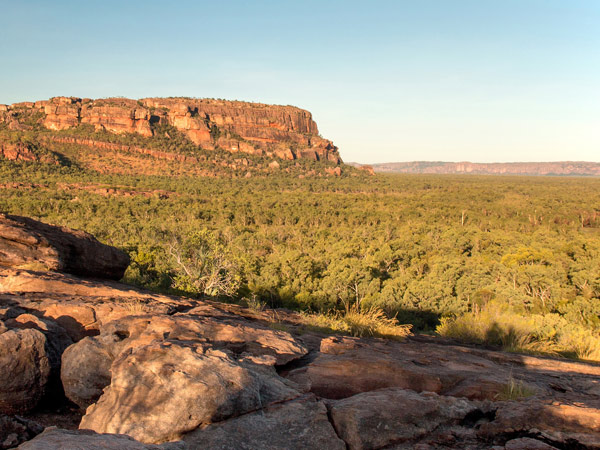
Insider tip: After viewing first contact paintings at Nanguluwurr and the Creation Ancestor Lightning Man (Namarrgon) at Burrungkuy (Nourlangie), be sure to visit Marrawuddi Arts & Culture centre to ethically purchase art from Kakadu and West Arnhem Land artists.
3. Ningaloo, WA
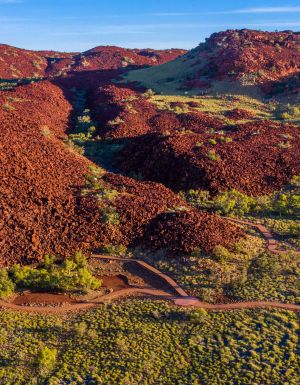
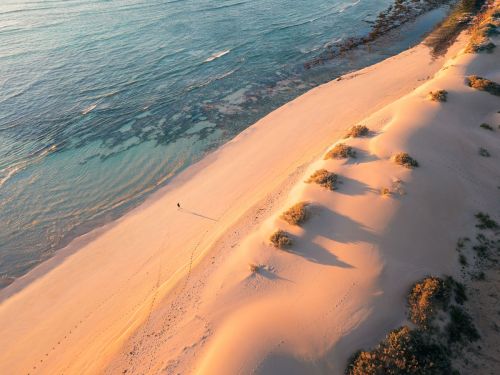
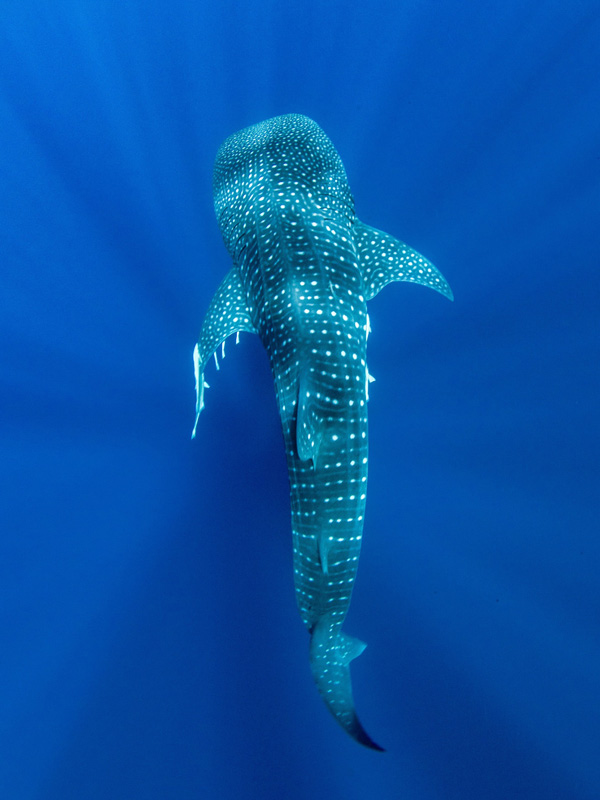
The palette of Ningaloo is almost inconceivable: red desert abruptly clashes with turquoise ocean. It’s home to the world’s largest fringing reef frequented by manta rays, sea turtles and the world’s largest fish, the whale shark.
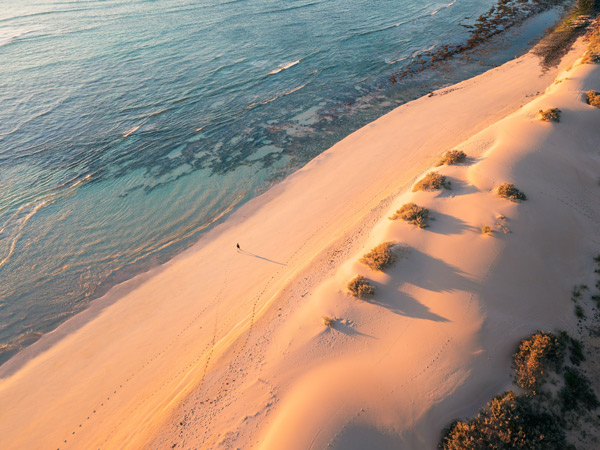
These gentle and placid creatures visit between March and July each year in conjunction with the reef’s annual coral spawning. Swimming with them is an otherworldly experience.
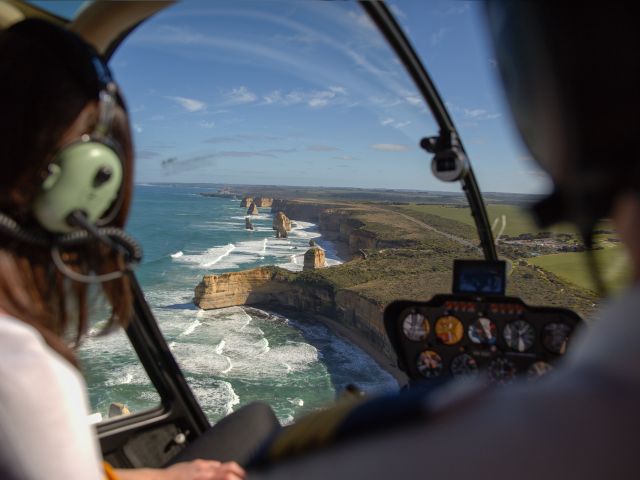
Insider tip: Fly over sunburnt desert, rugged ranges, empty beaches and a colour wheel of ocean blues on a scenic flight. There are several operators in the area.
4. Coober Pedy, SA
This isolated town halfway between Adelaide and Alice Springs was put on the world map after opal was discovered here a century ago.
Coober Pedy comes from an Aboriginal term for ‘white man in a hole’, a moniker given because the miners built their homes – and now restaurants, bars and churches – into the lunar-like landscape as an antidote to scorching daytime temperatures and cold desert nights.
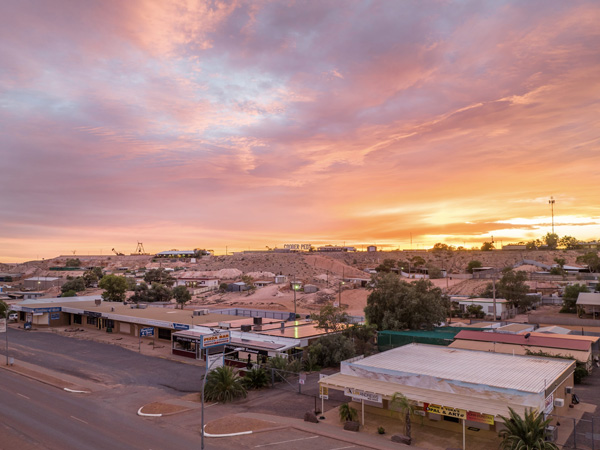
Insider tip: Head 25 kilometres north to Kanku-Breakaways Conservation Park , an Indigenous-owned area comprising the Breakaways, an ethereal landscape of hills where the colours are amplified at sunset.
5. Broken Hill, NSW
In the late 19th century, the discovery of ore on a lonely broken hill containing one of the world’s richest deposits of silver, iron and zinc led to a mining boom and the establishment of two Aussie icons – Broken Hill and BHP (Broken Hill Proprietary).
Coined the Silver City, Broken Hill became Australia’s first heritage-listed city. It’s also the birthplace of the late Australian artist Pro Hart, a legendary setting for The Adventures of Priscilla Queen of the Desert and Mad Max 2 (filmed in the nearby village of Silverton) and the country’s largest base for the Royal Flying Doctor Service.
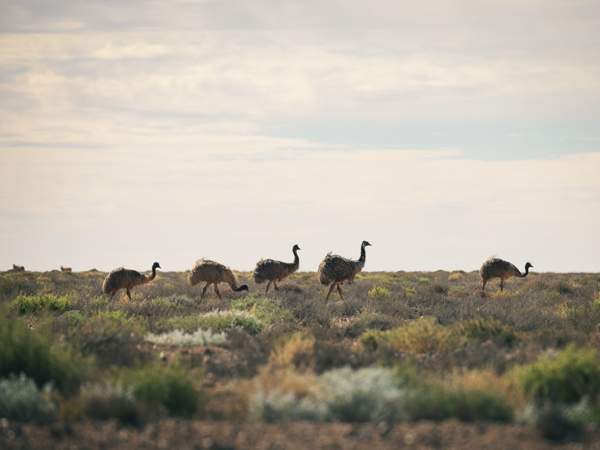
Insider tip: Stop by Australia’s longest running milk bar Bells , a nostalgic 1950s diner, for a soda or shake and some jukebox tunes.
6. Katherine, NT
An oasis in the Top End, Katherine is bulging with gorges, waterfalls, monsoon rainforests and hot springs. Nitmiluk National Park is a highlight, where the Katherine River cuts through a series of 13 gorges that stretch for 11 kilometres and reach more than 70 metres in height.
Cruise through this mesmerising landscape, paddle through on a kayak or join a cultural tour with a Jawoyn guide to gain a deeper understanding of local Indigenous culture.
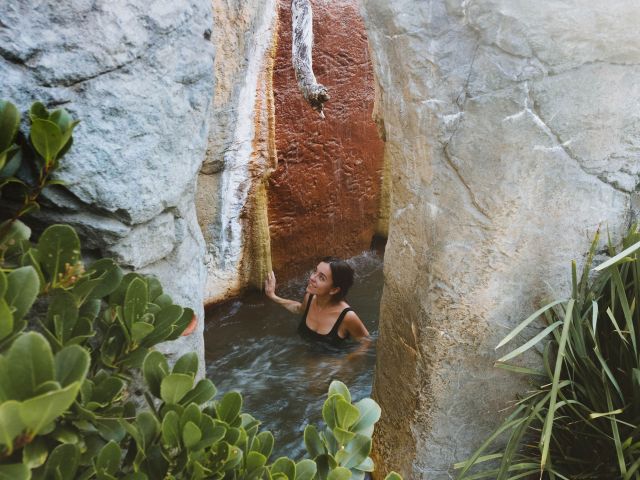
Insider tip: Made famous by the 1908 novel, We of the Never Never, Elsey National Park is home to Mataranka Thermal Pools and Bitter Springs, alluring swimming holes fringed by ferns and palms.
7. Mparntwe/Alice Springs, NT
The Arrernte people are the Traditional Custodians of Mparntwe/Alice Springs. The town itself was established during the construction of the Overland Telegraph Line in 1872 and named after a local waterhole and the wife of Sir Charles Todd, South Australia’s Superintendent of Telegraphs; the Telegraph Station is the best-preserved along the line.
Alice Springs was also the final settling point for the Afghan cameleers who built the railway that now connects Adelaide to Darwin. Nestled between the East and West MacDonnell Ranges, the red desert landscape is resplendent in spinifex dunes, rocky escarpments and chasms – including the 80-metre-high Standley Chasm/Angkerle Atwatye.
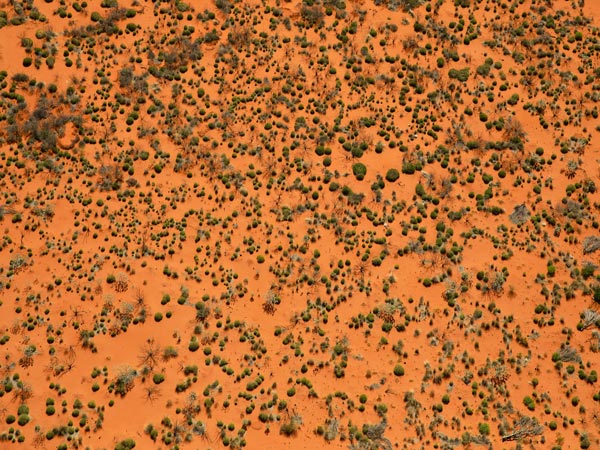
Insider tip: Representing more than 400 Anangu/Yarnangu female artists from remote communities in the Central and Western desert regions, Tjanpi Desert Weavers is a public gallery that showcases baskets, sculptures, jewellery and more.
8. Birdsville, Qld
A group of stockmen held the first Birdsville Races on the border of South Australia and Queensland in 1882. More than a century later – with the help of then Prime Minister Malcolm Fraser who attended in 1978 – about 6000 people now attend the event.
Despite the arduous journey to get to Birdsville, this tiny outback town on the edge of the Simpson Desert has become a pilgrimage for music lovers, too, with the even bigger Big Red Bash held annually on the dusty gibber plains. A visit is incomplete without a frosty beer at the Birdsville Hotel.
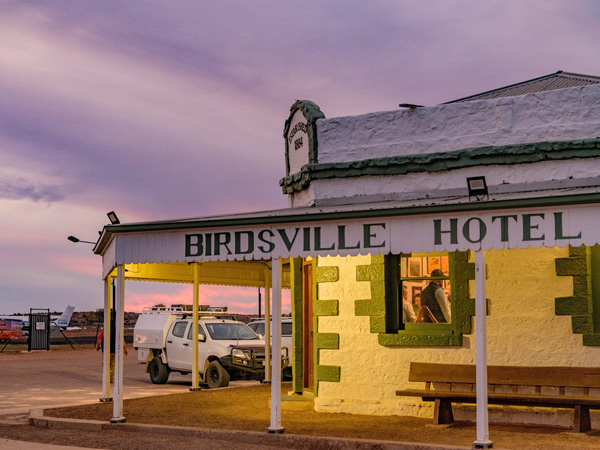
Insider tip: Big Red Bash gets its name from the Big Red sand dune west of town. Part of a series of more than 1000 dunes, it’s a great place to go four-wheel-driving, sandboarding or to watch an uninterrupted sunset.
9. Longreach, Qld
Named after the ‘long reach’ of the Thomson River, this central Queensland town is better known as home to Australian civil aviation. The Qantas Founders Museum includes a replica of our national airline’s first carrier and a heritage-listed hangar.
You can also gallop in a stagecoach along the original Cobb & Co Longreach to Windorah mail route and wander through the Australian Stockman’s Hall of Fame, which celebrates the country’s stockmen, acknowledges the important role of Indigenous stock workers and features a live show that includes a muster.
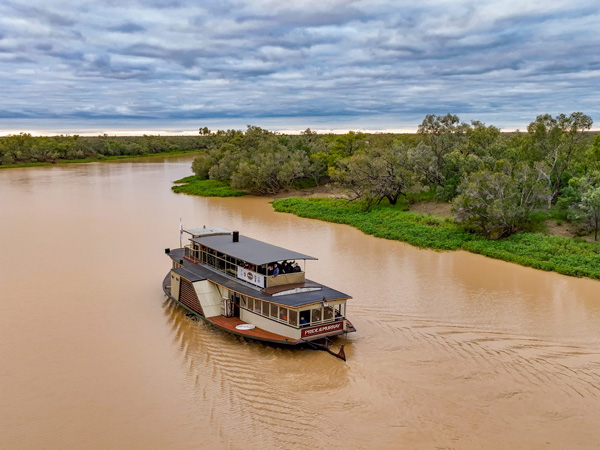
Insider tip: Travel the 1325 kilometres from Brisbane to Longreach aboard the Spirit of the Outback sleeper train.
10. Gibb River Road, WA
This epic 660-kilometre road in Australia’s north-western corner has made a permanent mark on the bucket lists of intrepid travellers. Constructed in the 1960s to transport stock, the mostly unsealed bone-rattling Gibb River Road cuts through the belly of the Kimberley from Derby to Wyndham and is known as one of the country’s last true outback adventures.
It passes through vast wilderness and outback cattle stations the size of small countries, leading to old cave systems, rock art sites, thundering waterfalls, striking gorges and pools, many of which you may have all to yourself along the way. While camping is the norm, there are comfortable station stays and even luxe lodges that you wouldn’t expect in such a remote location.
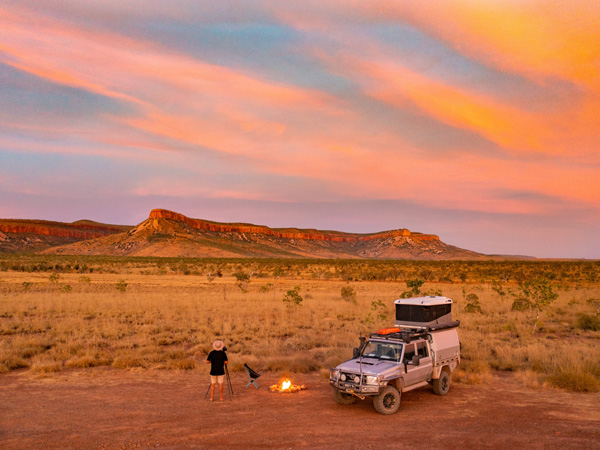
Insider tip: Ellenbrae is a cattle station that has become a favourite pit stop for a cuppa and fluffy scones.
Epic railway journeys to the outback
Completing its first journey almost a century ago when a track was built between Adelaide and Alice Springs, The Ghan is the country’s most iconic train. Now connecting through to Darwin, the 2979-kilometre, three-night journey includes stops in Coober Pedy and Alice Springs.
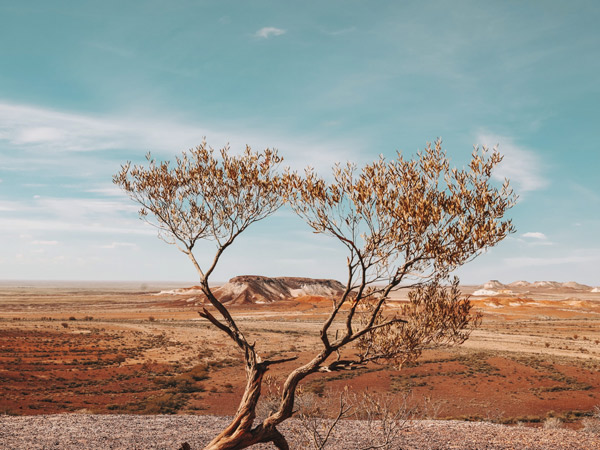
Stretching even further at 4352 kilometres, its transcontinental counterpart, Indian Pacific , connects Perth and Sydney passing through Broken Hill, Adelaide and the arid and infamous Nullarbor Plain.
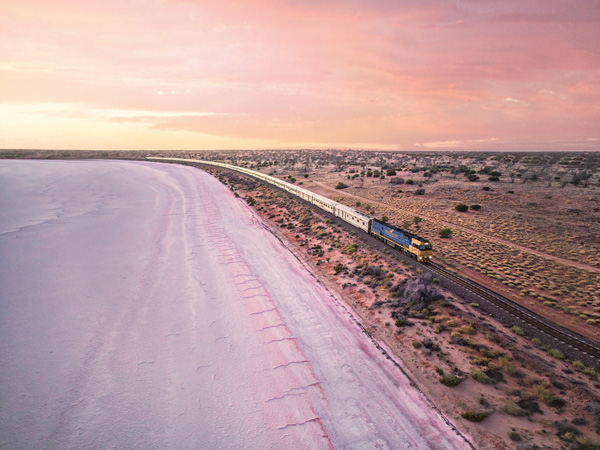
Operating since 1878, the Pichi Pichi Railway travels along the original Ghan route between Port Augusta and Quorn in the rugged South Australian outback. Four restored heritage steam and diesel trains operate half- and full-day tours.
Queensland’s outback is easily reached via train, with three overnight railway journeys. The Spirit of the Outback travels between Brisbane and Longreach, the spiritual home of Qantas, The Westlander between Brisbane and Charleville, a town immortalised by Slim Dusty’s song, and The Inlander between Townsville and mining town, Mt Isa.
Or take it slower on The Savannahlander , a four- and six-day return railway tour from Cairns to Forsayth with visits to Cobbold Gorge and Undara, home to 190,000-year-old lava tunnels.
Railway Adventures are fully escorted tours that incorporate rail and land journeys. Launched by TV personality Scott McGregor, 2024 tours include a 10-day NSW Outback journey to Parkes, Broken Hill and Lake Mungo; a 12-day Outback Queensland trip to Longreach and Winton; and a 13-day Western Australia tour including Kalgoorlie and the Pinnacles.