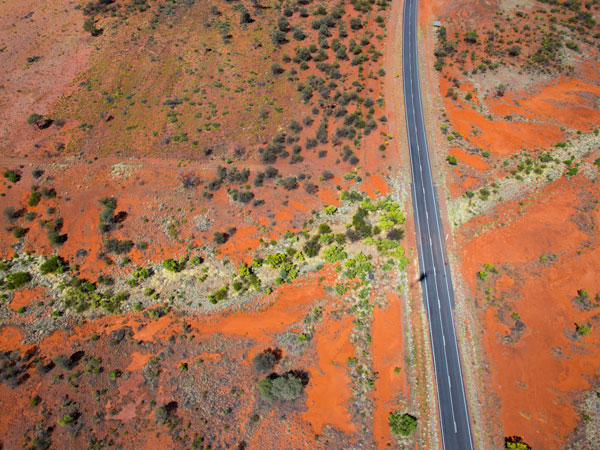
The otherworldly landscapes of our outback leave travellers in awe. Its vast, open plains, ancient rock formations and hidden waterholes are just the start of an intrepid adventure filled with staggering history, culture, beauty and character.
This article is part of our 100 Australian Wonders series. Throughout the series, we explore our nation’s wonders across culture, nature, food, islands and many more. We hope it inspires your own exploration of Australia’s many wonders.
1. Flinders Ranges, SA
Travelling with: Alexis Buxton-Collins
Studded with more than 200 fossils, the nine-metre Alice’s Restaurant Bed records the very dawn of complex life on Earth. But the most astonishing thing about this 600 million-year-old slab of rock in the newly opened Nilpena Ediacara National Park is that visitors are allowed – even encouraged – to touch silverfish-like Spriggina, raisin-shaped Attenborites and Parvancorina that look like buttons stamped with an anchor.
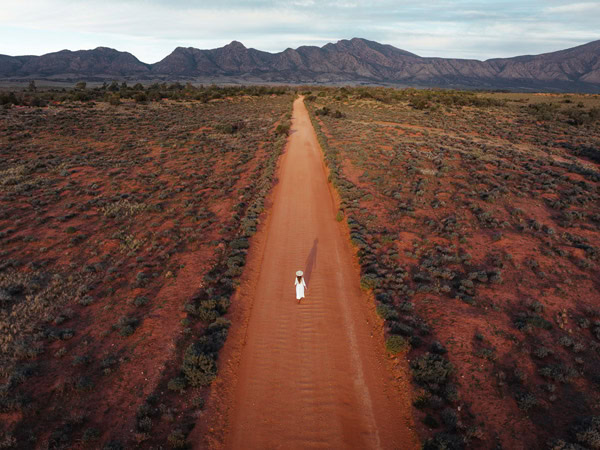
Visit nearby Wilpena Pound in Ikara-Flinders Ranges National Park, which looks like the aftermath of some cataclysmic eruption, and gaze up at the unblemished night skies over Arkaroola Wilderness Sanctuary, and it’s easy to see why this region has been nominated for UNESCO World Heritage status.
2. Lake Argyle, WA
Travelling with: Imogen Eveson
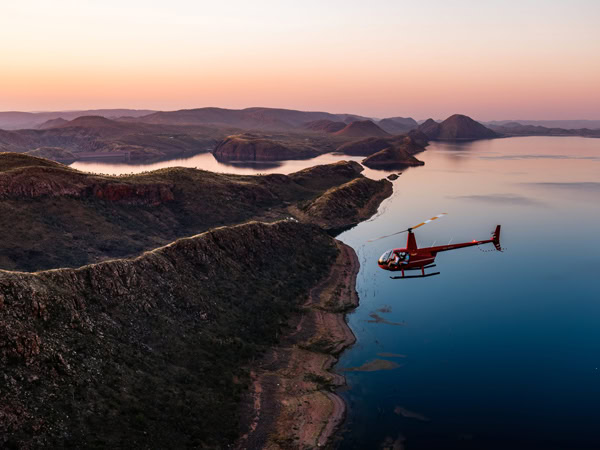
Classified as an inland sea, Lake Argyle is one of the largest man-made lakes in the southern hemisphere: a vast oasis in the heart of the rugged red Kimberley outback 75 kilometres south of Kununurra.
It was created in the 1970s by the damming of the Ord River as part of the mighty Ord River Irrigation Scheme: an engineering feat that harnessed the water of this fast-flowing river during wet season in order to develop this area of the tropical north for agriculture. In peak green season, Lake Argyle holds more than 18 times as much water as Sydney Harbour.
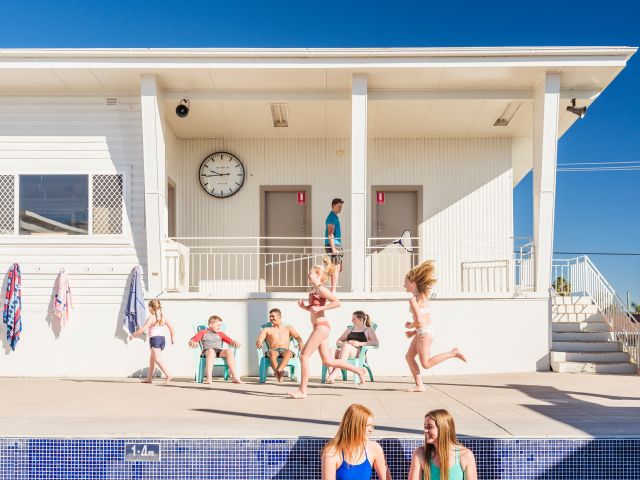
Travellers come here to refresh and reflect on their outback journeys, soaking it all in through nature tours, sunset cruises, scenic flights with the likes of HeliSpirit, fishing, freshwater swimming and taking a dip at its famous Discovery Resorts infinity pool.
3. Kakadu National Park, NT
Travelling with: Megan Arkinstall
Kakadu has been home to the Bininj and Mungguy people for more than 65,000 years. This astounding region possesses the world’s greatest concentration of rock art sites, one-third of the country’s bird species, and an environment that evolves from rugged stone escarpments studded with emerald waterholes to wetlands and billabongs that are home to some 10,000 crocs.
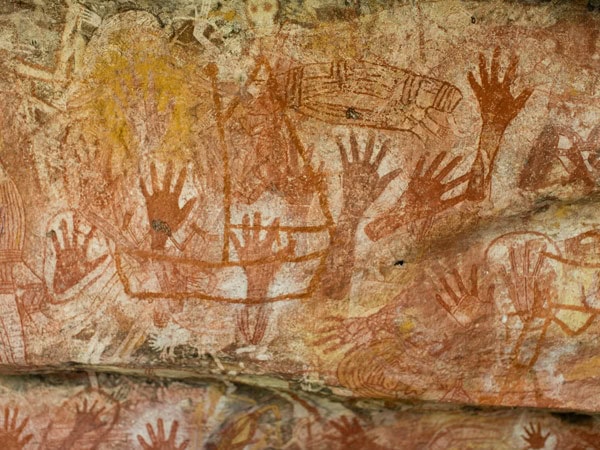
Connect with the oldest living culture on Earth with a visit to the Warradjan Aboriginal Cultural Centre; gather bush foods on safari with Animal Tracks; or do a Guluyambi Cultural Cruise on the East Alligator River to Arnhem Land, combined with the sacred Ubirr rock art site.
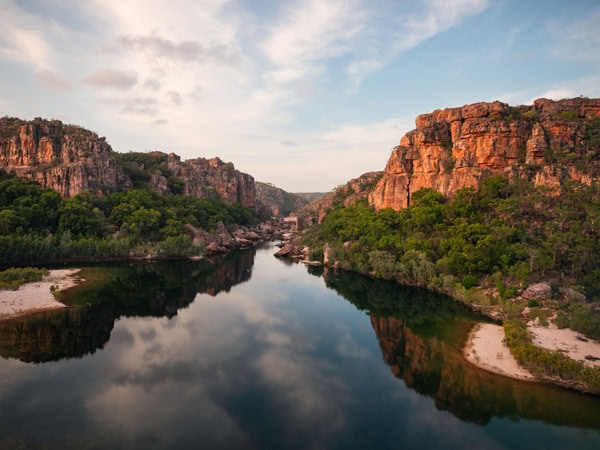
4. Mungo National Park, NSW
Travelling with: Taylah Darnell
Follow Herman Ugarte of Outback Geo Adventures up the Walls of China in Mungo National Park and you’ll see that the edges of long-anhydrous Lake Mungo are still visible. Fragments of fish otoliths poke out of the hard sand, dating back some 18,000 years.
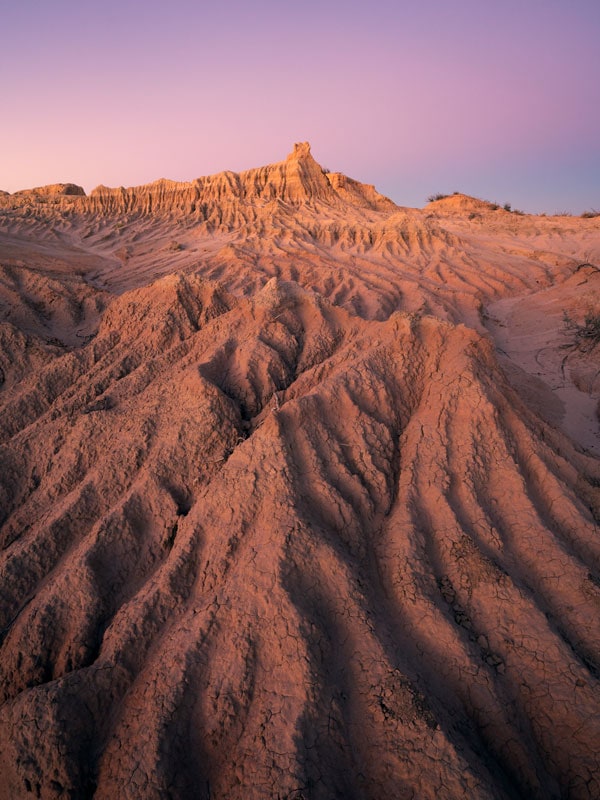
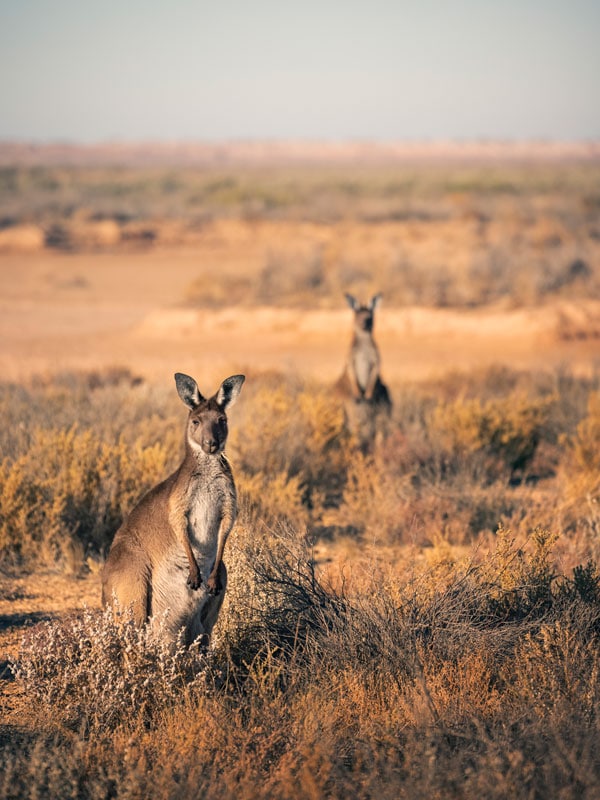
The age of things here is something to marvel at; Mungo Lady and Mungo Man, discovered in 1968 and 1974 respectively, are around 42,000 years old and some of the oldest human remains found anywhere in Australia. Turn around at the top and watch this landscape unfold before you, where emus and roos share ancient land and mallee gums shade native bush tomatoes from the blazing sun.
Need tips, more detail or itinerary ideas tailored to you? Ask AT.
AI Prompt
5. Undara lava tubes, Qld
Travelling with: Carla Grossetti
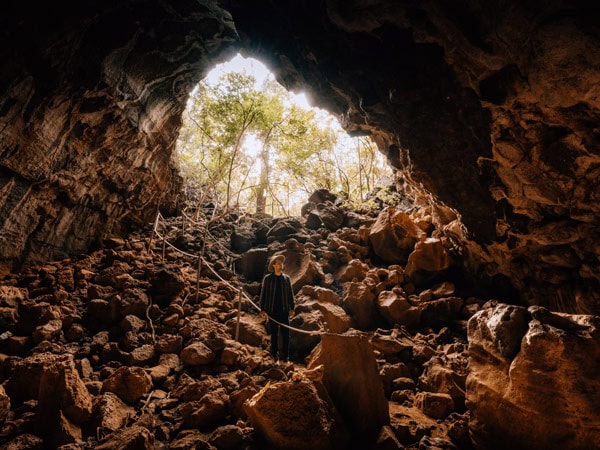
The mouth of Undara lava tubes yawns open as visitors clamber down a path that punches into the heart of the attraction in Undara Volcanic National Park, a couple hundred Ks inland from Cairns. The Undara lava tubes formed after Undara Volcano erupted some 200 million years ago, creating rivers of lava where it flowed. Access to Undara is by guided tour only.
In addition to the Undara Outback Rock and Blues weekend, held in April each year, expect nightly performances from the thousands of insectivorous bats that flock in and out of the lava tubes at dawn and dusk each day.
6. Outback wildflowers of WA
Travelling with: Megan Arkinstall
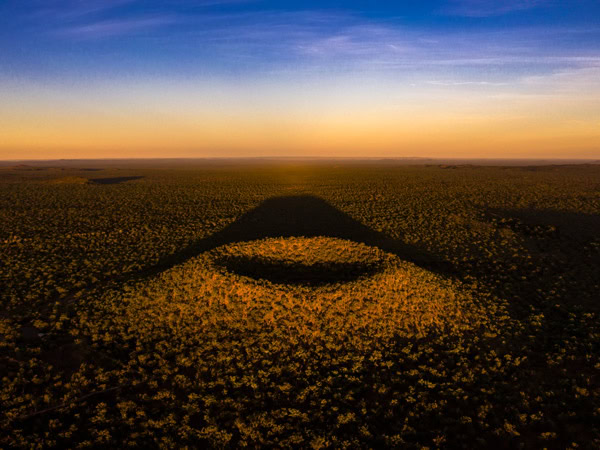
WA’s Golden Outback is famous for its wildflower season, which turns its typically bronzed landscapes a kaleidoscope of colour come spring.
Top petal-peeping spots include Mt Augustus and the blooming beautiful journey along the 309-kilometre Wildflower Way, which shimmies from Dalwallinu to Geraldton. Keep your eyes peeled for some of the state’s 12,000-plus species such as wattle, orchids, wreath flowers and everlastings.

7. Qantas Founders Museum, Qld
Travelling with: Megan Arkinstall
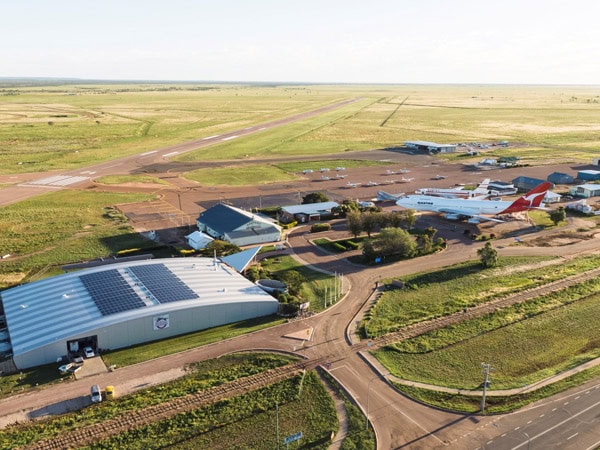
A heritage-listed aircraft hangar in the iconic outback town of Longreach, some 1200 kilometres north-west of Brisbane, symbolises the birth of Australian civil aviation. Qantas was founded in neighbouring Winton in 1920 but its headquarters were moved to Longreach two years later, and it is here that flights connected the Australian outback to the world for the very first time.
Doubling as a cultural institution (part of the Cultural Attractions of Australia collective), this museum is a must for patriots, as well as history and aviation buffs. It displays a fully interactive Boeing 747-238, historic aircraft, uniforms and other artefacts that celebrate the heritage of the founders and early operations of our national airline.
8. The Ghan
Travelling with: Megan Arkinstall
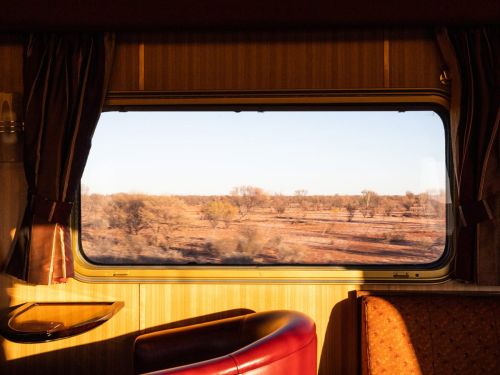
The Ghan, an enduring symbol of rail journeys in Australia, is celebrating 95 years of carrying passengers through the heart of the country.
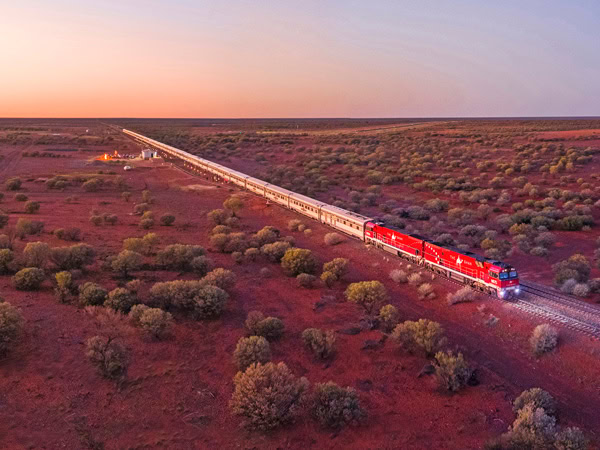
While hinging to the golden age of train travel, The Ghan – named after the 19th-century Afghan cameleers who helped build infrastructure in the outback – evolves with each milestone.
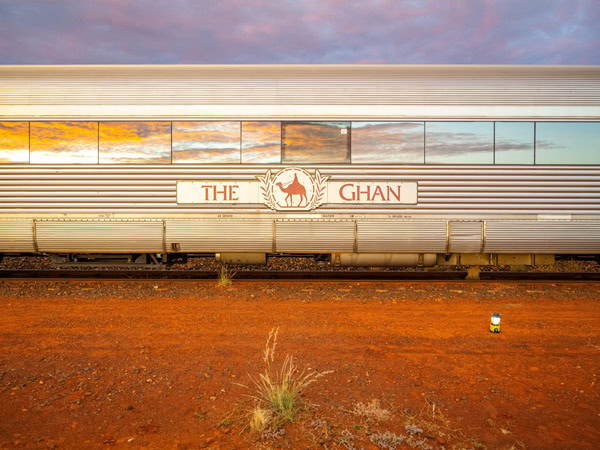
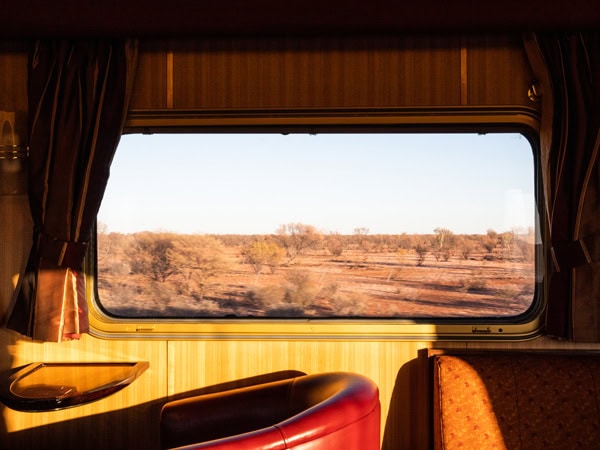
The recent launch of its newly designed Gold Premium product takes inspiration from the Aussie outback with neutral tones, soft curves and Indigenous Australian prints. There’s a sleek lounge area and Art Deco-style dining carriage where two-course lunches and four-course dinners centred around local produce are served and enjoyed with uninterrupted views of vast plains rolling by as you journey north to south between Darwin and Adelaide (or vice versa).
Weekly travel news, experiences
insider tips, offers, and more.
9. Kati Thanda-Lake Eyre, SA
Travelling with: Megan Arkinstall
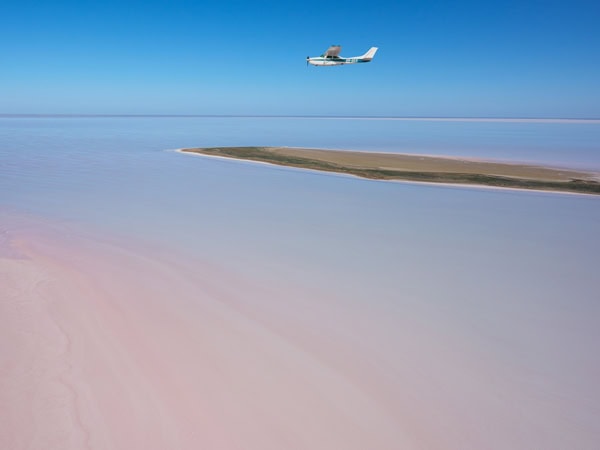
This glistening salt pan, which stretches for hundreds of kilometres across South Australia’s barren desert, is expected to transform into a pink and orange oasis of floodplains, channels and streams that attract a plethora of birdlife after heavy downfalls in the north earlier this year.
This natural phenomenon only happens once every few years, so 2024 is the time to witness it from above and from the ground with Outback Spirit’s exclusive and specialised Lake Eyre & Wilpena Pound Adventure or a scenic flight with Wrightsair.
10. Larapinta Trail, NT
Travelling with: Celeste Mitchell
A journey into the heart and soul of Australia’s Red Centre is a life-affirming experience. But there’s no need to rough it. The Larapinta Trail is an undulating and slightly unforgiving 223-kilometre track through rugged Tjoritja (West MacDonnell Ranges).
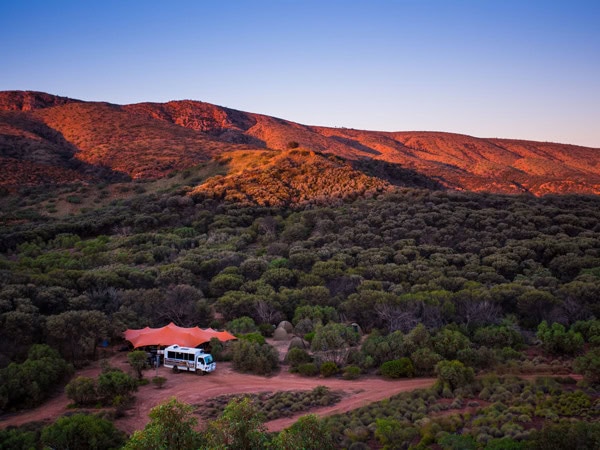
But the best parts can be sampled in a highlights reel of day hikes, culminating with a sunrise trek to the summit of Mt Sonder, all while bedding down in eco-conscious camps by night with Australian Walking Holidays.
This Great Walk is so popular you may well need to book it years in advance. It’s sought-after not just because of the challenge on offer: there’s something in the air out here; the energy that connects hikers to Country.
Keep reading our 100 Australian Wonders series; from road trips, outback and cultural wonders to foodie wonders and many more.
Want to see more stories from Australian Traveller in your Google search results?
- Click here to set Australian Traveller as a preferred source.
- Tick the box next to "Australian Traveller". That's it.

Editor
View profile and articles