Australia’s unknown icon Wilpena Pound

hero media
How can something as marvellously grand as the Flinders Ranges’ Wilpena Pound fly under the radar for so long?

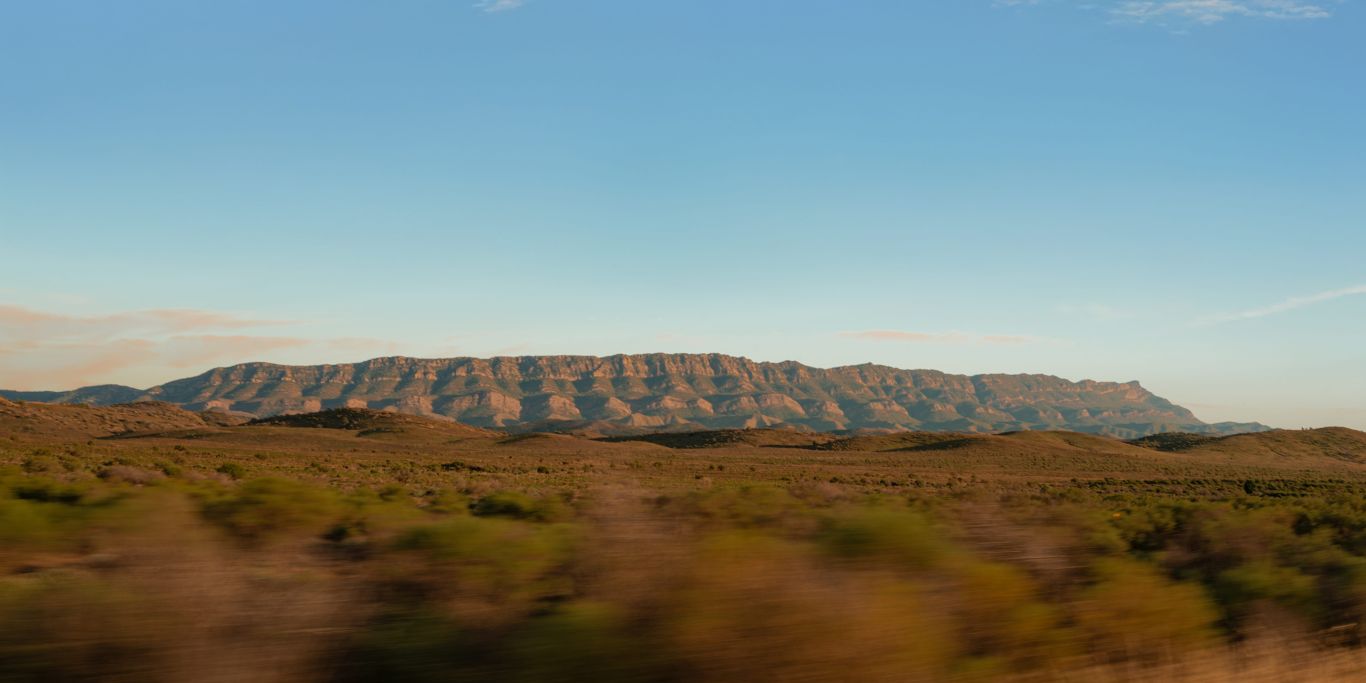
If a 17-kilometre-long by eight-kilometre-wide elliptical crown of furiously serrated mountains, with a sunken natural amphitheatre in its centre, were plonked just about anywhere except six hours’ drive north-west of Adelaide, it would surely be a national icon by now.

Wilpena Pound covers eight times the area of Uluru, is 300 metres higher and arguably as culturally significant, yet relatively few Australians know its name or even have the faintest clue where it is. Come face-to-face with this primaeval Colosseum writ large, and you will instantly become its disciple and want to spread the word. But the tyranny of being located on an outback road to nowhere in particular (unless you’re heading to Lake Eyre) has so far ensured that the Flinders Ranges’ main act remains a fairly peaceful slice of paradise.

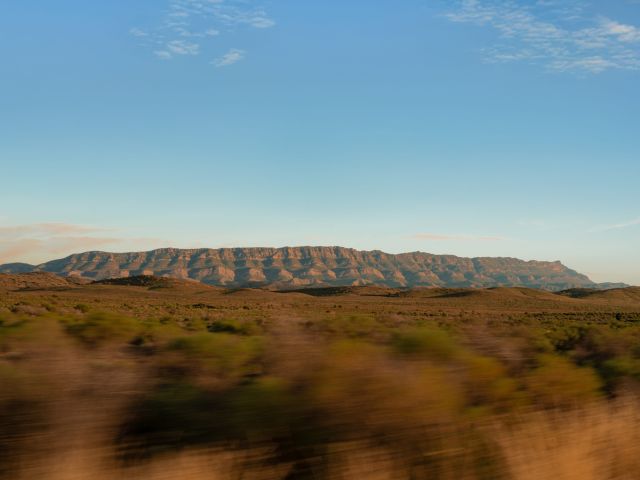
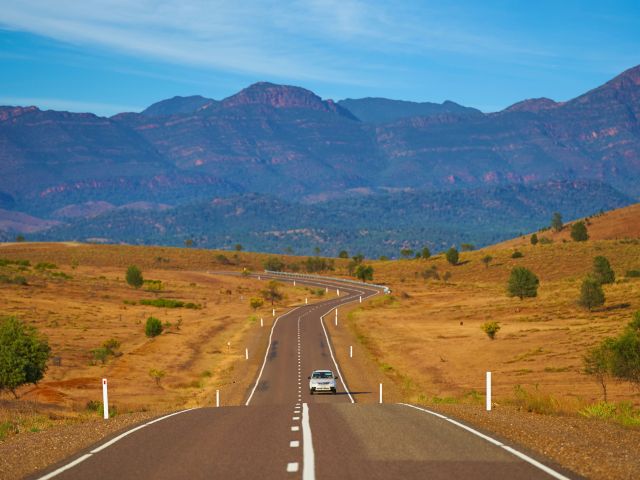
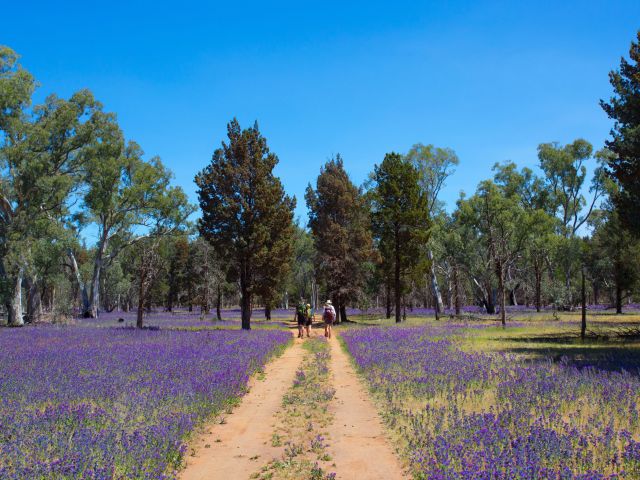
There are two ways to get here: either through the Clare Valley or up the shimmering vastness of the coast road from Adelaide, but the rolling blonde farmscape once you arrive at the Southern Flinders – which looks so idyllically Australian that it has been used as the cinematic backdrop for films such as Breaker Morant and Gallipoli – offers no clues to what you’re about to encounter. It isn’t until a shade past the town of Hawker that the horizon begins to get very serious indeed.

The identity crisis

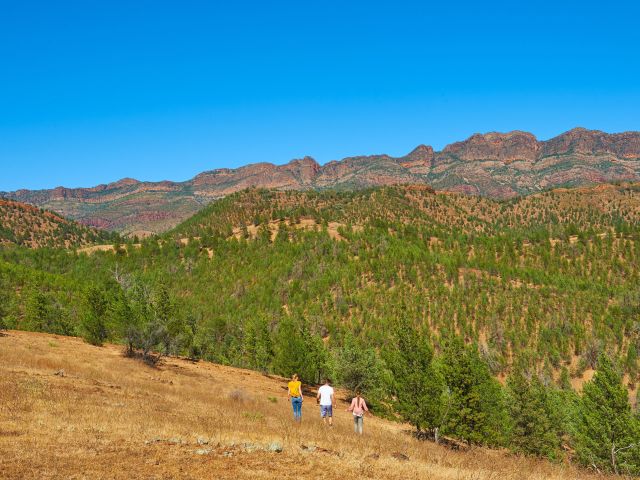
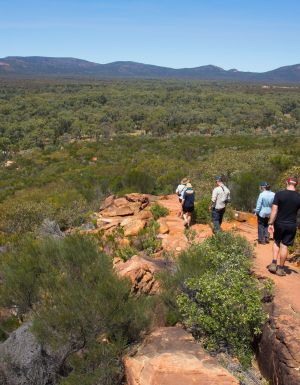
Inside Wilpena Pound's ampitheatre
Inside Wilpena Pound: Hiking the natural amphitheatre (photo: Elise Hassey).

The Pound’s rise-from-nowhere, crater-esque appearance suggests it was forged by a single earth-quivering episode: a meteor strike that crashed the planet off its axis, perhaps, or a cataclysmic volcano eruption that wiped out the dinosaurs.


The reality is entirely less Hollywood; a painfully slow layering of sediments, starting around 800 million years ago, in a formation known as the Adelaide Geosyncline. Immeasurable pressure in the Earth’s crust compressed the sediments, folding and cajoling them up into a mountain range that once towered over the Himalayas, before erosion robbed South Australia of its Mountains Kingdom title.


But the peaks are on the rise again, millimetre by millimetre, and still stand so tall against the Flinders-scape that it feels like they should be snow-capped. Wilpena’s resemblance to another outback landform adds a cinematic twist (and another layer) to its identity crisis.

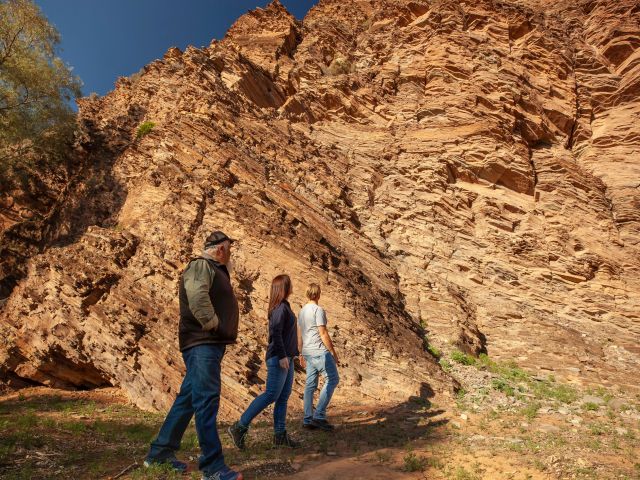
Indigenous rock art Sacred Canyon Flinders Ranges
Ancient canvas: Indigenous rock art Sacred Canyon, Flinders Ranges.

No, the Pound is absolutely, positively not the infamous Wolfe Creek Crater (although Flinders locations feature in both Wolf Creek films). The real-life doppelgänger is a third of a continent away in the Western Australian outback – and that is actually a meteor crater.

Science versus the serpent

The indigenous Dreaming story behind the creation of Wilpena Pound, also known as Ikara (‘meeting place’) makes for an even more dramatic saga anyway.  According to the lore of traditional owners, the Adnyamathanha (pronounced Ad-na-mut-na) people, the Pound’s precipitous walls are actually the bodies of two intertwined Akurra (giant serpents), whose journey from the northern Flinders seriously remodelled the landscape.

Dusk brilliance: Wilpena Pound
Dusk brilliance: Wilpena Pound (photo: Elise Hassey).

“The geology may tell you differently, but from our beliefs it’s obvious," says Arthur Coulthard, Flinders Ranges National Park senior ranger, a ‘Northwinder’ Adnyamathanha man, who pines to be outside in ‘his country’ rather than stuck behind his desk.  “The ranges are just like a snake print on the earth right here in front of us – especially when you see it from the air."


According to their history, the two Akurra pursued an old man on the way to a ceremony at Ikara, gorging on people in their path, eventually so full they willed themselves to die. Wilpena’s highest peak, the sacred St Mary’s (1171 metres), is said to be the head of the female serpent.


High above and wandering walks

Wilpena Pound Flinders Ranges
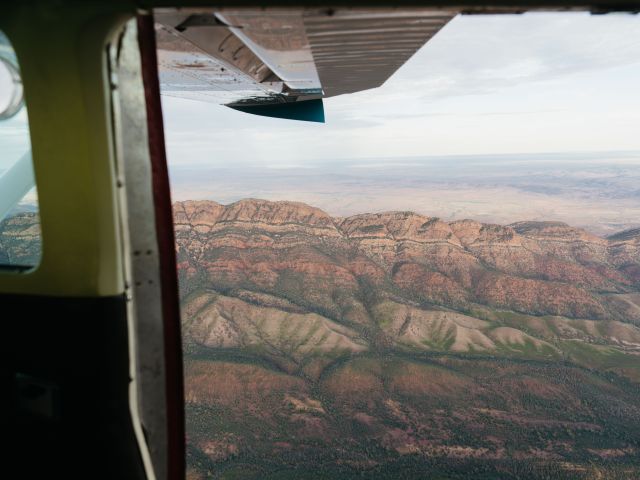
The other side: The Vienetta-like folds of Wilpena Pound, Flinders Ranges.

Avoiding territorial emus and fence-hopping ’roos on the dirt runway are minor obstacles for the Air Wilpena pilot as he takes off, the last barrier before you come to terms with Wilpena’s immensity.


In a small plane, with a few thousand feet of context, the massive rock crown becomes blindingly obvious; the vast Lake Torrens to the west and surrounding ranges seem utterly Lilliputian in comparison with the mighty, Viennetta-like folds of Wilpena Pound.
The ‘only’ other way to garner tangible perspective over this outback leviathan, according to Wilpena Pound Resort guide Michael Hey-Cunningham, is to lace up your walking boots.


“If you really want to get a feeling for the Pound and let it talk to you, then you’re going to climb in it, over it or on it," he says. Michael was drawn here five years ago from the east coast, “answering a powerful call" that was seeded on a couple of visits as an interstate tour guide.


“It’s simply too big to just brush up against and leave on a coach trip – you really have to get out there."

Wilpena Pound from Bunyeroo Valley
Iconic view: Wilpena Pound from Bunyeroo Valley (photo: Elise Hassey).

The Pound is a hiker’s El Dorado, centrepiece to some of the best (and most accessible) outback treks around, including the luxe four-day Arkaba Walk, one of Australia’s eight Great Walks, the titanic 1200-kilometre Heysen Trail, and day walks as far as your pins will carry you.


The gently sloping (compared with the sheer outer face) inner basin is only accessible on foot, most commonly via a mellow trail from Wilpena Pound Resort, which sits almost directly under the walls to the east.


The track winds along a (usually dry) creek bed, through a natural avenue of lofty old river gums, some petrified by lightning, some thriving, up to old Hills Homestead, a sound place to start the post-settlement history lesson. Further up the steeper trail to Wangara Lookout, you clear the tree-line and the amphitheatre unfolds before you.

The spirit of endurance

Old Wilpena Station, Flinders Ranges
Ikara icon: Old Wilpena Station, Flinders Ranges
(photo: Elise Hassey).

Until the early 20th century, early local settlers, the Hills family, farmed the inner Pound, an exercise in toil that is difficult to appreciate by today’s standards. They abandoned their attempts altogether, after a ruinous flood in 1914.


Generations of doggedly optimistic pastoralists made the trek north from Adelaide, some successful, others paying the price for using farming techniques more at home in fecund Mother England than the parched, stone-like Flinders ground, a place where it takes 10 acres of land to feed one single sheep. And when the elements weren’t against them, other inconceivable forces sometimes prevailed.


“A farmer apparently once put 500 sheep into the Pound and went back to find not one of them in there – not one," says Hey-Cunningham. “Dingoes? Wandered off? Something else, perhaps?"


Wilpena Station, a working cattle station from 1852 until 1985, once engulfed the entire Pound and its surrounds (around 1000 square-kilometres). The old homestead and a cluster of quaint historical accoutrements still stand; a meandering interpretative trail depicts settler life and hardships, and shows how conflicting approaches to maintaining livelihoods decimated the Adnyamathanha.


Even more than the abandoned homesteads that pepper the landscape, one single tree perhaps best exemplifies the mettle it takes to survive the Flinders elements.


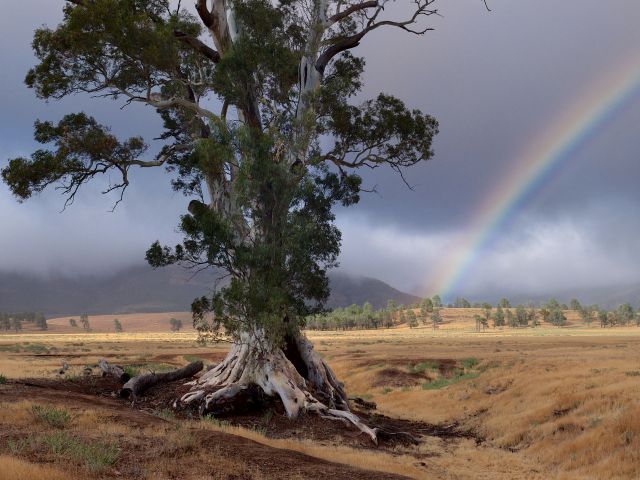
In 1937, photographer Harold Cazneaux captured an image of a grand river redgum, which “stood in solitary grandeur on a lonely arid plateau … long before the shade from its giant limbs ever gave shelter from heat to white men".


‘The Cazneaux Tree’ still stands defiant today, glaring up at the Pound from outside, like a stubborn old man, scarred by the elements, but still “unconquered, it speaks to us from a spirit of endurance".

Wilpena’s Ark

Dad tends to emu chicks Flinders Ranges
Dad looking after emu chicks, Flinders Ranges (photo: Elise Hassey).

Cazneaux’s spirit flows through Wilpena’s prolific and energetic fauna, so abundant that the whole area feels like a colossal open-range zoo. When a Wilpena local tells you that there’s a lot of traffic on the road, he or she’s probably talking about the dusk wildlife migration, not the cars or caravans.


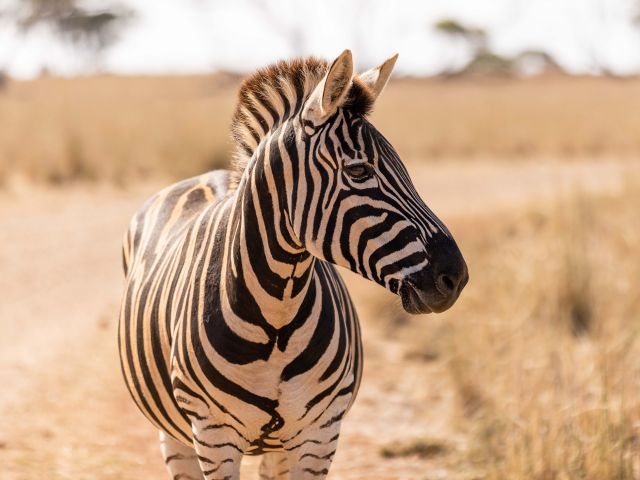
Euros abound, muscular western greys recline in shade, echidnas curl up in spiky spinifex; sacred crows survey all. But unmistakably the Wilpena ‘Big Three’ are eagles, emus and the elusive yellow-footed rock wallaby.


In spring, single emu dads roam the plains with four, five, sometimes six disparately-sized striped chicks in tow. In an anomaly of nature, mum has long since abandoned the brood.


Overhead, eagles soar in thermal winds that sweep off the Pound, in search of their next meal – often it’s pre-prepared road-kill for supper. These birds of prey are top of the food chain here, though the pesky magpie is constantly in their face.


The stout and coy yellow-footed rock wallaby, with a long, soft stripy tail that can sit between its legs (quite the skill – it’s something kangaroos can’t manage), was recently on the brink of extinction, hunted for its striking pelt by settlers and eaten by the Adnyamathanha until, by 1992, there were only around 40 left. Today they have literally bounced back: around 1200 live among the shaded boulders of dramatically abrupt Brachina Gorge.

Meanwhile, back in the 21st century

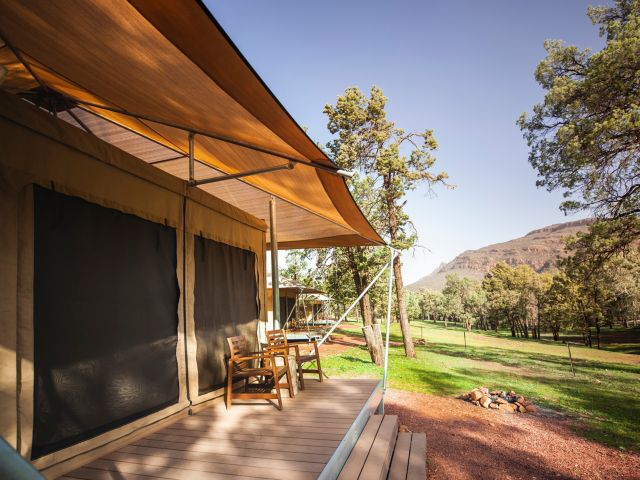
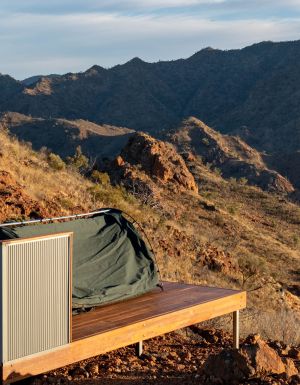
Ikara safari tents, Wilpena Pound Resort
Flinders glamping, Ikara safari tents, Wilpena Pound Resort (photo: Elise Hassey).
(photo: Elise Hassey).

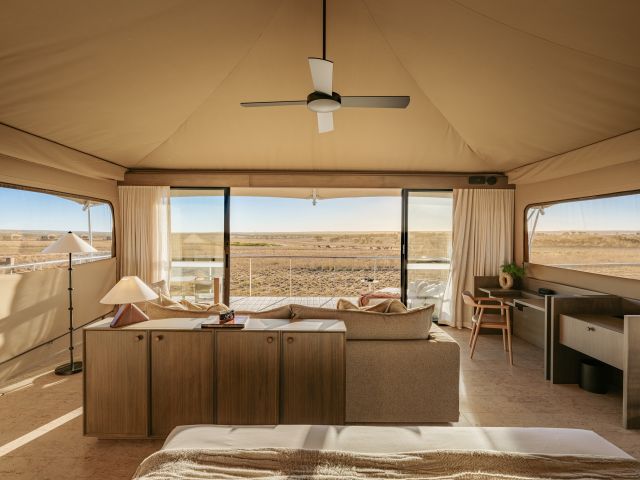
Around these parts, accommodation-wise at least, roughing it has become so 19th century. The secluded valley above Wilpena Pound Resort cradles one of Australia’s most spectacularly placed glampsites, Ikara. The pitched-roof safari tents hint at camping, but this is way more glamp than camp, with plenty of luxe touches veiled behind the canvas.


First surprise inside? A wall. On that wall? A mounted air-conditioner. On the other side of that wall? A real bathroom, clad in charcoal-coloured slate tiles, a spacious shower recess and a waterfall shower head. Add to these hardwood floors and understated furnishings and, well, you get the picture.


There are plenty of other quality accommodation options too, such as the slick Eco Villas of Rawnsley Park, the classic Arkaba Station, a smattering of other station stays, such as Willow Springs, and a plethora of campsites within the national park.


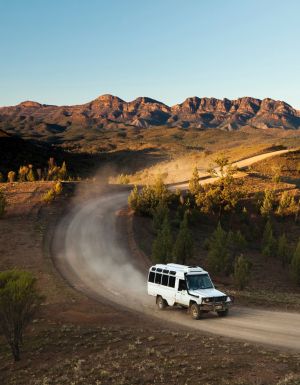
Night-life is simple, refined: evenings are best spent in the company of loved ones, gazing into the enormous Flinders sky. Perhaps a guided drive to Stokes Hill Lookout for sunset, a filmic 360-degree perspective of all the ranges’ moods; the reds, the oranges, the pinks of the setting sun slow-dance for you while you sip a local-ish red and nibble cheese of character.


All the while, you stare at the grand unknown icon and it watches you knowingly in return.

hero media

Your guide to feeling rested and reconnected after your holiday

The wild, otherworldly beauty of The Grampians offers a perfect place to unwind, slow down and relax.

Not all holidays yield the same result; some are bustling, with endless things to do, events to book and places to see. All great things, but they leave you feeling more tired than before. Then, there are destinations that help you slow down, making real connections and participating in self-care.

Destinations like The Grampians : surrounded by untouched nature, allowing a chance to reconnect with yourself and loved ones at a slower pace.

Discover six science-backed ways to enjoy a holiday and feel restored at the end of it.

1. Practice mindfulness

Hamilton Gallery, the grampians
Be present at Hamilton Gallery. (Image: Visit Victoria)

Mindfulness – the practice of tuning into the present moment – has been found to help in reducing stress, anxiety and depression. One way to practice this art is by immersing yourself in art.

Hamilton Gallery has been in operation for over 60 years, and is not only home to many significant art pieces but also runs workshops and events for all ages to expand their awareness and understanding of art. The gallery is also the custodian of the largest collection of Gunditjmara artefacts held on country.

If you prefer to practice mindfulness through movement, visit Halls Gap Zoo to feed the meerkats – who wouldn’t feel better after focusing on these little guys? Or visit The Grampians Horse Riding Centre for an unforgettable morning ride through 10 kilometres of bushland. Enjoy the soothing movement of the horse and experience the bush anew.

2. Indulge in self-care

two people swimming in the Venus Baths, the grampains
Take an immersive bath in nature on the Venus Baths loop walk. (Image: Visit Victoria)

While the term self-care might conjure up images of indulgent bubble baths or a soothing massage, there’s more to it than pampering. Self-care is any action that protects your physical, emotional and mental well-being.

Like taking an immersive ‘bath’ in nature. Do just that on the Venus Baths loop walk – ideal for less experienced hikers or those walking with kids – stopping at freshwater-filled rockpools to cool down along the way.

Serious hikers (we’re talking some rock hopping and traversing slippery tracks) can tackle the Wurgarri, or Mount Sturgeon walk, which rewards the effort with panoramic views from the summit.

For those whose idea of self-care leans more towards arts and culture, a visit to WAMA is a must. Australia’s first national centre for environmental art is home to exhibitions that explore the natural world through film, installation, painting, performance and more.

3. Embrace nature

Boroka Lookout, the grampians
Soak in incredible views over Halls Gap at Boroka Lookout. (Image: Visit Victoria)

Spending time in nature is the ultimate way to soothe your body and mind. It’s been proven to help with all manner of things, from reducing stress to boosting cognitive function. And there’s no better place to enjoy it than among the raw sandstone, wildflowers and native creatures of The Grampians.

Rocklands Reservoir, spanning 6700 hectares, is an ideal spot. Breathe in the fresh air and enjoy the view over Grampians National Park. Cast a line, hire a canoe or follow nature trails along the water’s perimeter. How’s the serenity?

To appreciate nature’s imposing power, head to Splitters Falls. Here, find unrivalled tranquillity. Spring is the best time to visit, when bouquets of native spring flowers greet visitors.

Those with limited mobility will appreciate Boroka Lookout, a viewing platform surrounded by breathtaking views over Halls Gap and the eastern Grampians. Come early to witness a sunrise you’ll never forget.

4. Prioritise Rest

outdoor bathtub at Nook On The Hill
Recharge at Nook on the Hill. (Image: Visit Victoria)

Above all else, a holiday should be an opportunity to recharge, and there’s no better way to do it than to get a good night’s sleep. We don’t need to tell you how essential sleep is, for everything from mental health to strengthening the immune system.

Try Wanderlust Glamping , where guests fall asleep to the soothing sounds of nature after an evening relaxing around the fire pit and wake to your very own green oasis.

For pure luxury in the foothills of the Grampians National Park, look no further than Nook on the Hill – a handcrafted tiny house surrounded by rewilded, lush native Australian bush. It might be small, but Nook on the Hill has everything needed to unwind in style, including an outdoor bath for balmy nights.

For a modern farm stay, book at Mount William Station in the foothills of The Grampians. The station combines old-world charm with modern amenities and easy access to everything this region has to offer.

5. Engage Your Senses

Salingers Cafe, destinations that help you slow down
Indulge in a meal at Salingers. (Image: Visit Victoria)

Few human senses are as fun to indulge in as taste. A meal at Salingers in Great Western is the ultimate treat, and not only for the taste buds. The food is excellent, but Salingers’ really unique attraction is the bustling beehive that lives within the walls of the historic building.

For an expertly smoked burger, ribs, or beef brisket, head to Flame Brothers in Halls Gap. Tuck into delicious food while you enjoy the view.

If you prefer your senses heightened by the pump of adrenaline, Grampians Soaring Club offers an eagle-eye view of the Grampians National Park and Pyrenees Ranges from a glider. Take in the sights with a cross-country flight, ridge soar, or altitude wave flight.

6. Connect and reconnect

The Dimboola Imaginarium, Wimmera Mallee victoria
Step into the whacky Dimboola Imaginarium. (Image: Denis Bin)

Making shared memories is a wonderful way to reconnect with old friends or make new ones. These unexpected finds make it easy to discover something new in The Grampians.

Amateur geologists will delight at the Kanawinka geotrail, which covers 60 sites over Australia’s most extensive volcanic province. Visit the Penshurst Volcano Discovery Centre to learn more about volcanic activity in The Grampians, or head to nearby Mount Napier State Park for a trip into the Byaduk lava caves.

Pop in to the Ros McArthur Art Studio to peruse the gardens full of native and exotic plants and flowers that serve as the subjects of Ros’s still life paintings.

For a shopping experience like no other, head to the Dimboola Imaginarium . Far more than a shop, the Dimboola Imaginarium is an immersive experience where you’ll find all manner of quirky bits and pieces. Expect the unexpected.

Put these science-backed holiday benefits to the test during a trip to The Grampians. Plan your peaceful getaway at visitgrampians.com.au.