
By swapping postcard-perfect itineraries for passion-fuelled adventures, travellers are finding new ways to explore and connect.
If you’re anything like me, you’ll know what it feels like to have an intense passion or hobby quietly guide your choices, sometimes even subconsciously. For me, it’s always been words – they’re the reason I lose countless hours in a bookshop, pore over essays on linguistics for leisure and analyse the lyrics of all my favourite songs.
Words are the reason I chose to study Communications at university. The reason I took intensive French classes for eight years, a passion that took me to France as an exchange student at the young age of 14. Somehow, words have managed to influence most of my decisions in one way or another, and will no doubt continue to do so throughout my life – from the way I spend my weekends to where I travel next. Turns out, I’m not alone either.
What is passion travel?
To put it simply, passion travel is all about letting your hobbies lead the way. It’s when your love for something – whether that be food, art or sport – shapes your travel itinerary. Rather than ticking off landmarks, you’re connecting what you love doing at home with where you go in the world.

According to a recent report by Booking.com, more people are chasing meaningful travel experiences that align with their interests, as well as a greater sense of purpose at the heart of each trip. Yogis are signing up for wellness retreats. Athletes are planning their annual leave around marathons. Foodies are mapping out itineraries based on local markets.
While I’ve never been lucky enough to book an entire trip based on my love for books, I have found ways to integrate my passion into the trips I take. On my way to a quiet weekend stay at Osborn House in the Southern Highlands, I made sure I had a few spare hours to spend at the Berkelouw Book Barn, which I’d been eager to check out for ages.

During a recent work trip to explore Townsville’s burgeoning arts scene, I still found time to check out the local bookshop. Even if I can’t find time for a visit, I always make sure I bring a book with me, so I can still indulge in my passion – even if it’s just for five minutes with my morning coffee or half an hour before bed.
As an introvert, it’s a comforting way to weave a little bit of home into an unfamiliar place – a reminder that even when everything around me is new, I can still ground myself in something I love. But it’s also a way to connect. Stories are often great conversation starters, and many bookshop adventures have led me somewhere unexpected. In that sense, it isn’t just about doing what you love but seeing where that love can take you.
Need tips, more detail or itinerary ideas tailored to you? Ask AT.
AI Prompt
What are the benefits?
In a 2025 study titled Igniting creativity through travel: The roles of interest, cognitive flexibility, and destination information presentation style, Lujun Su, Huixuan Chen and Zhibin Lin found that environmental novelty, the act of experiencing somewhere new, doesn’t just satisfy your wanderlust; it boosts your creativity, too.
Using the broaden-and-build theory developed by social psychologist Barbara Fredrickson in 1998, research revealed that being in an unfamiliar setting can evoke greater cognitive flexibility, making creative thinking more likely.

When you’re immersed in something you genuinely love, you tend to be more present, observant and engaged. You start to notice the little details: the texture of a local fabric, the scent of freshly ground coffee, the sound of waves crashing on the shore. These sensory moments can spark inspiration and creativity long after a trip has ended, turning travel into a journey of self-discovery and real memory making.
In her book, titled The Happy Traveler: Unpacking the Secrets of Better Vacations, professor of psychology Dr Jaime Kurtz further posits that travel rooted in passion or purpose tends to be more restorative, because it engages you in something intrinsically fulfilling rather than just escapism.
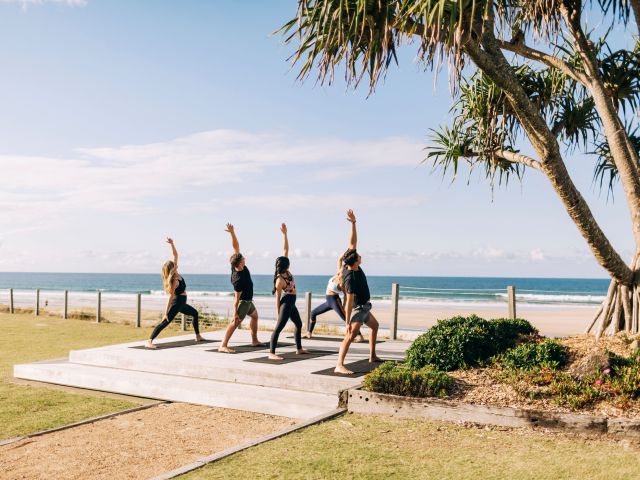
While travelling has always been focused on exploring a destination, people are now choosing to invest in themselves along the way. In a world where time is precious and holidays are growing increasingly shorter, combining wanderlust and wellbeing seems like the ultimate way to spend your time off.
Dr Kurtz, who has written for several research publications on the topic, states that travel is most beneficial when it’s “pleasurable, meaningful and engaging." It’s a sentiment that perfectly captures why passion-driven travel is on the rise. Trips grounded in what we find the most enriching and inspiring create a deeper sense of purpose, satisfaction and overall happiness.
And really, isn’t that what travel is all about? Whether you’re following your obsession for food through Melbourne’s best restaurants or bookshop hopping through the Blue Mountains, these are the experiences that make us feel the most connected not just to the world, but to ourselves.
Weekly travel news, experiences
insider tips, offers, and more.
How to do it
If you’ve ever considered booking an entire holiday around what you love most, here’s your sign to do it. Whether it’s sipping your way through the Barossa Valley’s best cellar doors or hitting all of Sydney’s top art galleries in one go, your passion-led itinerary is sure to add an extra layer of excitement to every moment.

Mountain bikers, why not tackle the Munda Biddi Trail? Or if you’re a big fan of sport, plan your next trip to Melbourne around the Australian Open. Wherever your interests lie, there’s always a destination ready to match them.
But before you start booking, there are a few handy tips and tricks that can help you along the way. Firstly, it’s important to pick one hobby that really matters to you – it’ll keep choices manageable and ensure the trip feels meaningful. Be sure to do your research and prioritise key bookings in advance, too. If there’s a workshop or event you don’t want to miss, make sure it’s booked in early.
As much as itineraries can help, you should leave a little room for surprises. Try to avoid planning every minute so there’s still space to explore. It’s also crucial to factor in time to rest. A passion trip can easily become exhausting if you overload your schedule, so allowing time to relax and recharge will make the whole experience more enjoyable.
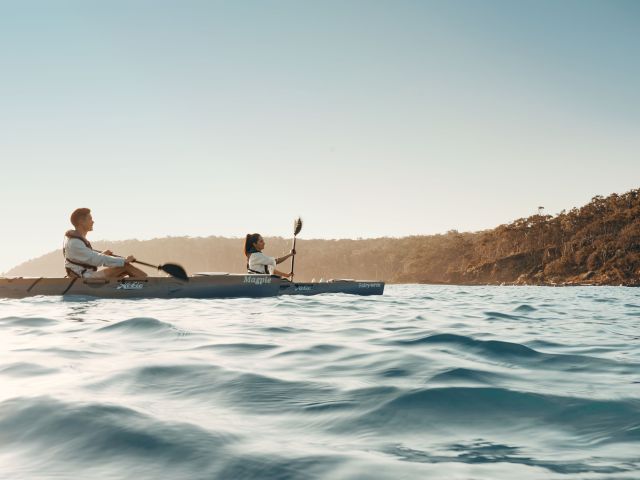
Of course, not everyone has the resources to book an entire holiday around a single hobby or interest – and that’s perfectly okay. The beauty of passion travel is that it can be as simple as slipping your latest read into your carry-on. Or packing a sketchbook to capture the scenery. Sign up for a local cooking class. Join a local kayaking tour. Even visiting the weekend market in a new town can help you connect with what you love.
If you don’t really have an interest that truly speaks to you, don’t worry. Sometimes it’s the trip itself that helps you discover a new passion. Maybe you’ll fall in love with photography while chasing sunsets along the coast. Or discover your green thumb after visiting a botanical garden. Travel has a funny way of awakening hidden parts of ourselves – and the best souvenirs are often the ones we bring home in our hearts.
Want to see more stories from Australian Traveller in your Google search results?
- Click here to set Australian Traveller as a preferred source.
- Tick the box next to "Australian Traveller". That's it.