Lately, Australians have been exploring more of their country than ever before, unearthing exciting discoveries in their own backyards that have left us wondering what else is out there. The answer is more than you can imagine.
I’ve always prided myself on being one of those lucky enough to have had a decent poke around my country. I’ve almost entirely circumnavigated it by car and bus, streaked down the guts of the Red Centre in a dusty station wagon in my teens, and regularly sprinkled myself across random pockets of its vastness. I thought I ‘knew’ Australia. At the very least, I thought I knew my own backyard.
Hidden-gems in Victoria
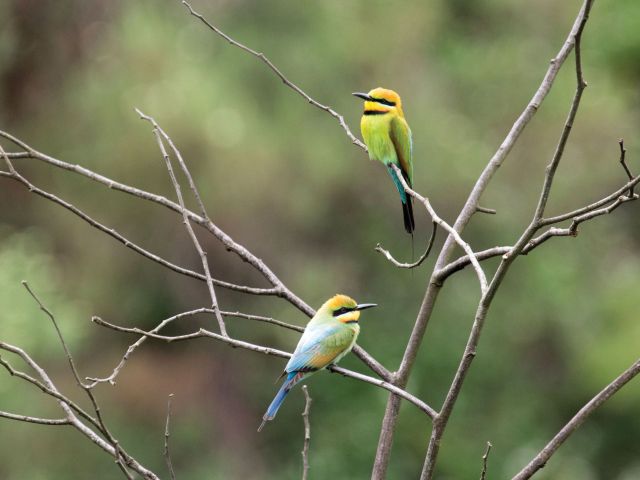
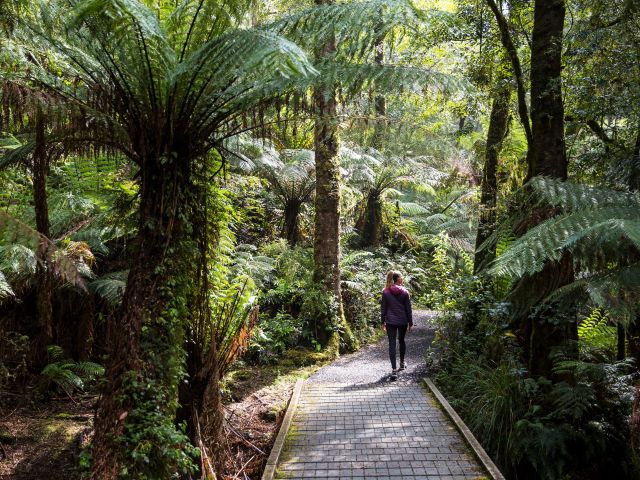
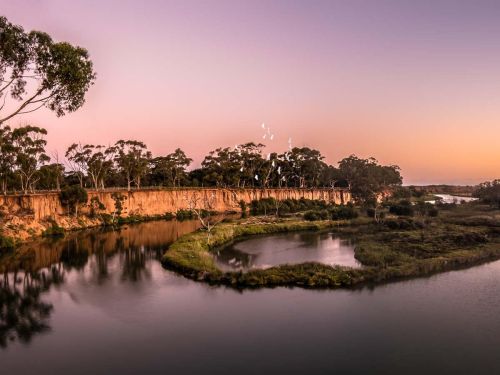
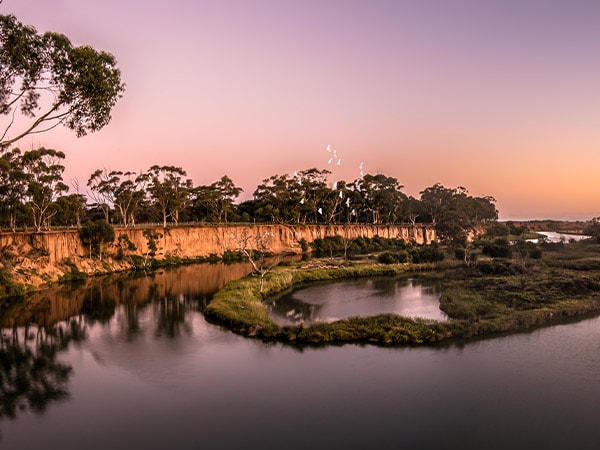
So how is it that until recently I’d never heard of the huge granite domes and rocky caves at Terrick Terrick National Park and Mt Kooyoora in the Loddon Valley, a mere 2.5 hours’ drive from my Melbourne home? How had I not stumbled across the red clay walls of the K Road Cliffs overlooking Werribee River and floodplain, a magnet for migratory birds, or Thunder Cave and the sheer ocean-bound rock wall of the Razorback: two utterly spectacular formations on the Great Ocean Road that barely rate a mention in the Parks Victoria visitor guide?
I’ve walked the divine coastal paths around Warrnambool – just a three-hour drive west of Melbourne – many times over the years but it was only after I checked into Deep Blue Hotel & Hot Springs that I became attuned to the faint whiff of sulphur floating on the wind from the ground under my feet. Natural hot springs in Warrnambool? “Yes, flowing 800 metres beneath us," explained the spa attendant when I later went for a soak in the hotel’s landscaped pools. I waded beneath silky ‘curtains’ of warm water, sat in steaming pools in the rain, and floated on my back in the Silent Cave – silent, that is, except for the subterranean gurgles that let me imagine I was inside a whale’s belly. It added an entirely new dimension to a place I thought I knew.
I could go on, but the fact is, while we’re all well-versed with our country’s big-ticket drawcards, how much do we know of the rest of the place? Australia sprawls over 7 million square kilometres. It’s a continent. It was ridiculous of me to contemplate for even a moment that I might have ‘done it’.
As straggling border restrictions make overseas travel a minefield of rules clouded by the possibility of sudden changes, domestic forays continue to hold extra appeal but that shouldn’t end when restrictions do. The silver lining in this altered travel landscape is that people all around the country are unearthing their own backyard discoveries.
Hidden-gems in Western Australia
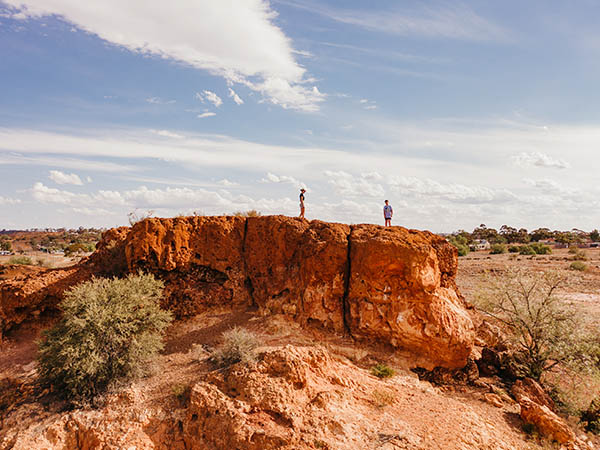
Perth local Tim Woolerson regularly visits Kalgoorlie for work, but when his wife suggested joining him for a trip they extended their stay to explore the surrounding Goldfields region, stumbling upon the ghost town of Gwalia, once a thriving mining town in 1897 and now a living museum.
“You’re out in the middle of nowhere surrounded by tin shanties and an old pub that closed its doors in the 1960s," he says. “We stayed in this wonderful old house right next to a 500-metre-deep open pit mine. There wasn’t enough time to see everything but we declared we’d return."
That opulent period home once housed a young mine manager by the name of Herbert Hoover (later the 31st President of the USA) and now Hoover House is a luxury B&B. Dusty roads also led them to the surreal and desolate Lake Ballard, a vast salt-crusted base littered with 51 human-form sculptures created by artist Antony Gormley.
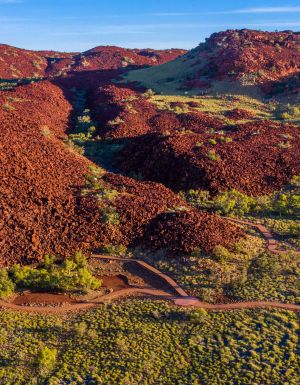
That trip ignited a desire to keep exploring, prompting the Woolersons to hire a campervan and drive north to Exmouth and Coral Bay, where orange desert meets crystalline blue waters. “It’s guaranteed we wouldn’t have gone there if we could have travelled to Europe," says Tim, “but we couldn’t get over how magnificent it was. Swimming with whale sharks was absolutely life-changing."
Hidden-gems in Queensland
It’s not just about the places we’ve never heard of, but the ones we have yet never made time to visit. Brisbane-based family blogger Melissa Kiely Delaware had always dismissed Hervey Bay as “Daggy Bay" until she actually went there and was blown away by its beautiful beaches, museums, whales, and linger-worthy waterfront pubs and cafes.
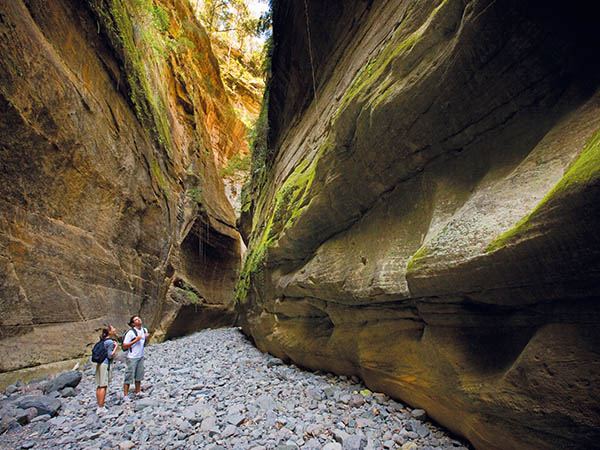
“At first I was devastated when COVID hit but then I was like ‘oh my God, there are so many awesome things to do in Queensland’." She happily ticked off Yeppoon, Mackay and Cape York, but her best discovery was a road trip 700 kilometres west to Carnarvon Gorge where sheer rock walls sheltered towering palms, moss gardens, waterfalls and Bidjara and Karingbal rock art, entrancing the entire family.
Taking the road less travelled can reveal things we’d never expect. In outback Charleville, a lady at the visitor centre suggested Melissa drive the Natural Sciences Loop, a five-day route taking in towns like Cunnamulla, Eulo, Thargomindah and Eromanga.
“I’d never heard of any of those places, but I said, ‘If you think it’s good, I’ll go do it’." She was glad she did. The drive led her through big-sky country filled with birds and billabongs, bilbies, friendly outback towns, and a 95-98-million-year-old titanosaur that is Australia’s largest dinosaur fossil. She’s now wondering what else is out there and the bucket list is growing. “If I was locked down for another year I’d still have plenty of places to go. I hope in the future I’ll still look at my own backyard."
Hidden-gems in NSW
We’re probably all just a little guilty of favouring the coast – after all, 80 per cent of us live there – but Melissa’s inland explorations were just a dip of the toes in our wide brown interior. Sydneysider Andrew Lawson says: “I’ve spent many months exploring Australia over the years, but I’d hardly spent any time west of the Blue Mountains."
To celebrate a 60th birthday he and his partner embarked on a self-guided Central West itinerary with Australian Cycle Tours. “I don’t think we would have discovered cycle touring without COVID," he says. “We would have just put our energy into finding new places to go rather than new ways to discover." It was a birthday to remember, notable for its wide open spaces and long chats with friendly locals in country pubs.
Another trip took them as far west as Bourke and Broken Hill. “Mutawintji National Park was one of the best national parks I’ve ever been to," he says. “The red rock formations, twisted trees, waterholes filled with birds and the complete lack of people blew me away." Learning about Indigenous fish farming from a local guide at Brewarrina was an eye opener he felt privileged to witness.
Hidden-gems in the NT
From guided city walks to food and nature tours, the opportunities to experience Australia from a First Nations perspective are ever-increasing and they offer a deeper level of understanding of the country. Take, for example, a day tour from remote Gove in East Arnhem Land that connects visitors with the Yolngu to spearfish, hunt crabs and hear stories. Especially immersive and deeply bonding is a five-day women-only tour where Elders share dancing, weaving and knowledge of a crying ceremony that gives thanks to Creation ancestors for everything from people and animals to the sun and stars.
Hidden-gems in Tasmania
Sometimes all you need is fresh eyes to gain a new perspective on a familiar place. Tasmanian environmental consultant Evan Boardman says travel restrictions have given him an entirely new appreciation for his home state, pushing him to see more of it and fostering a deeper connection.
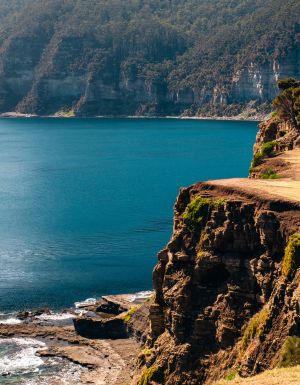
Lake Pedder, Bruny Island’s Fluted Cape, Remarkable Cave on the Tasman Peninsula, and the Potato Fields (a mass of white lichen-encrusted boulders) on kunanyi/Mt Wellington have all been new discoveries for him, but a must, in his opinion, is rafting down the Franklin River. “Every corner you go around is just mind-bogglingly gorgeous."
Hidden-gems in South Australia
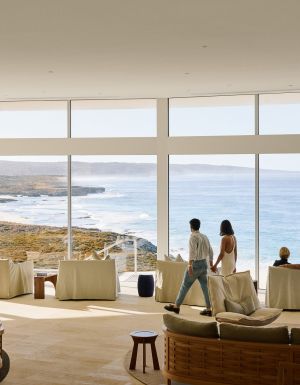
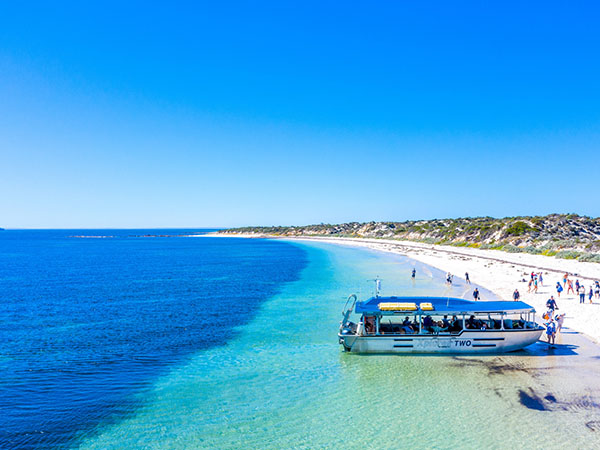
Boats have always opened up viewpoints that cannot be gained from land. Consider the possibilities on a 10-night cruise around South Australia’s coastline. Have you heard of Troubridge Island, Reevesby Island and Wedge Island? Me neither, but there’s nothing more appealing than exploring places you never knew existed. Go for white-sand cays, kayaking on turquoise waters, bird refuges and rich history.
To shine a light on the places worth visiting and experiences worth having would take a 30-volume box set, but if there’s a lesson here, it’s that whatever we’ve seen of Australia, it’s likely a mere blip of all the treasures it contains. For those willing to explore, to ask a local for directions and maybe veer off the beaten track, the possibilities are endless. Travel overseas? There’s no rush.