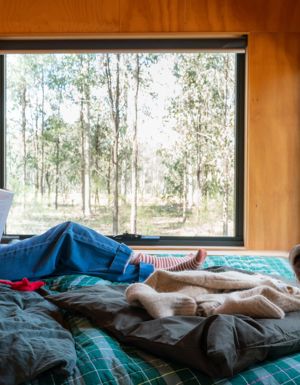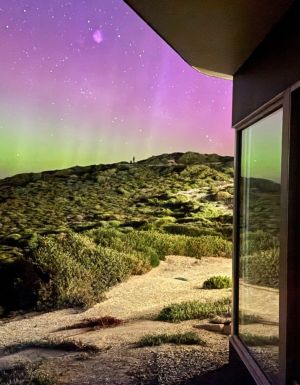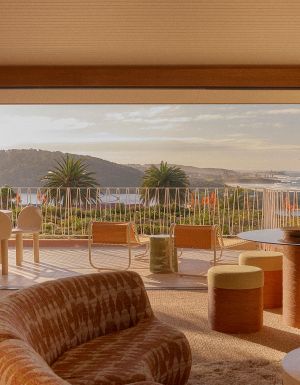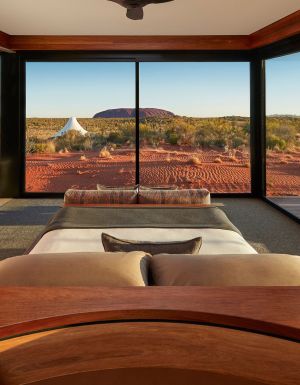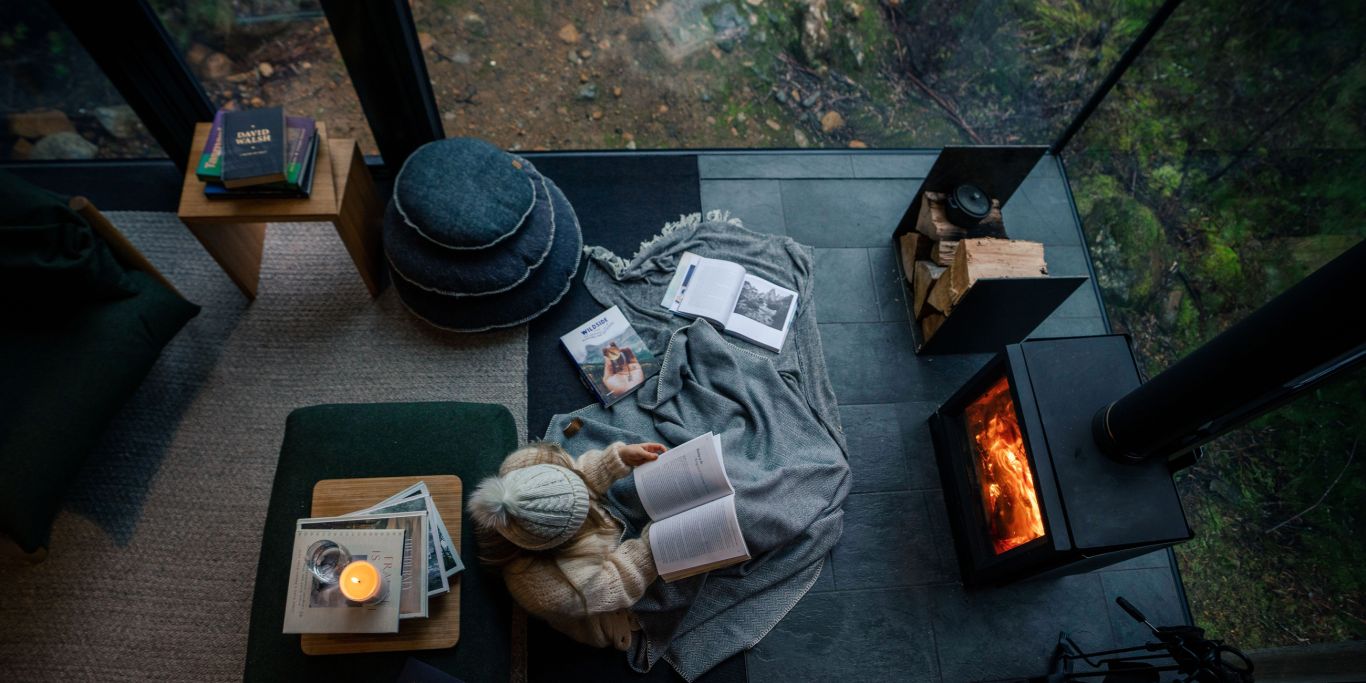

What if rain was the secret to a better holiday?
For many Aussies, the ultimate holiday has always been synonymous with sun, sea and sand. It may come as a surprise then that psychotherapists are now saying the opposite could be true.
Recent research shows that slow rainy escapes may not only be more restorative, but better for your brain. So if storm clouds roll in on your next getaway, you might just find they’re doing you a favour.
The science behind a rainy retreat
Ever checked the weather app ahead of a holiday and felt a wave of disappointment at the sight of rain? We’ve all been there. But new research by Tiny Away suggests grey skies may have an unexpected upside, as global interest in ‘fake camping’ shows a whopping 414 per cent increase over the past year.
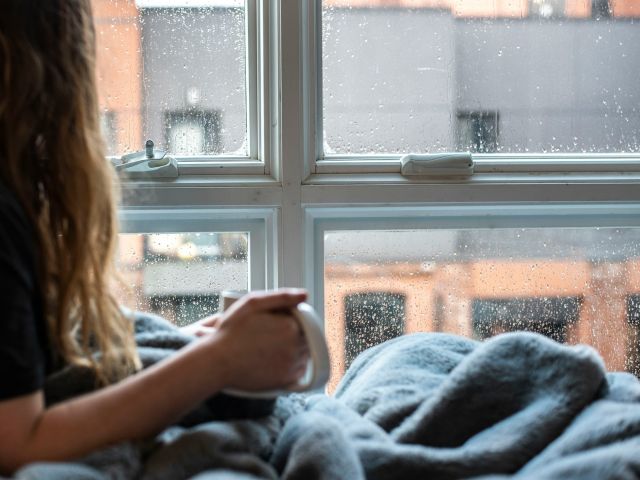
The term ‘fake camping’ is relatively new, describing a growing preference for off-grid stays immersed in nature that come with the mod-cons of home. People are craving the slow pace and simplicity that camping offers, but without having to sacrifice the creature comforts that help us relax.
“We’re seeing more guests choose cabins not because they want to camp, but because they’re looking for somewhere to properly switch off," says Jeff Yeo, co-founder of Tiny Away.
“People still want nature, fresh air and slower mornings, but increasingly they’re seeking comfort alongside those experiences. It’s less about adventure, and more about finding space to rest."
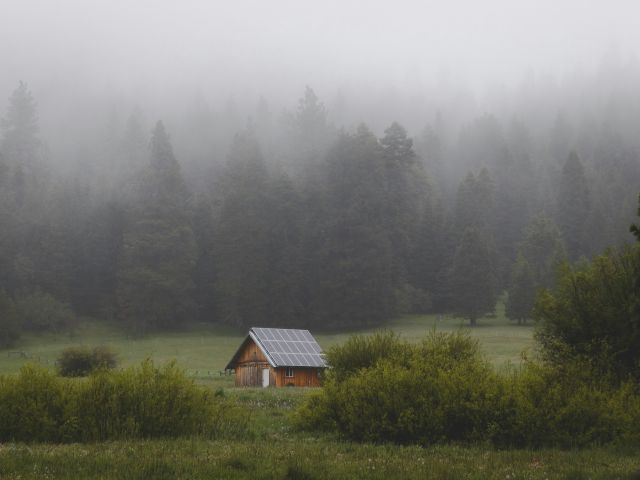
So, what does the weather have to do with it? Well, anyone who’s organised a summer holiday will understand. While a week chasing the sun is often seen as the gold standard for relaxation, it can actually induce the opposite.
Big crowds, packed itineraries, constant noise and unrelenting heat can be overstimulating, and leave travellers feeling more drained than refreshed. Rain not only removes that pressure, but gives us permission to do less: to rest, read, nap or simply just sit still without guilt.
“Modern life keeps our nervous systems switched on almost constantly, and what people are really drawn to – cabins, rain and quiet – is the opportunity to recover from cognitive overload," says Jeremy Neumann, psychotherapist and clinical director at Humans Being Counselling.
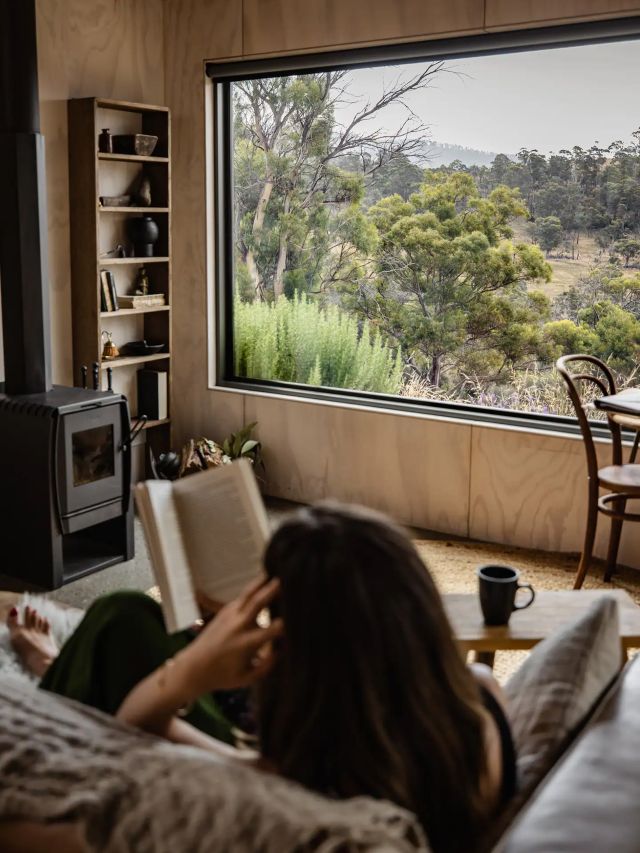
“Physiologically, the nervous system can shift towards greater parasympathetic activity in these lower-stimulation environments. That supports slow breathing, lower muscle tension and improved recovery… offering deeper psychological restoration."
Not only does rain encourage us to slow down, it also helps our brain rest and recover. Rain, birdsong and cosy cabin ambience have become some of the internet’s biggest comfort categories, with soundscape videos attracting millions of views online.
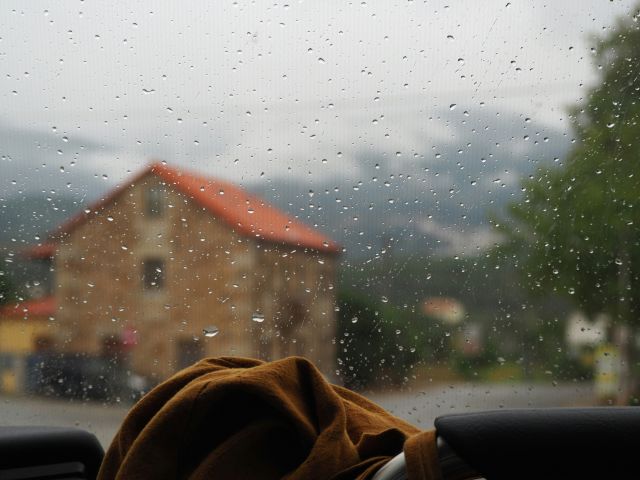
According to the World Health Organization, nearly 25 per cent of the population suffers from disturbed sleep due to environmental noise. However, clinical research conducted in 2023 found people who fell asleep to rain sounds reported a 73 per cent improvement in sleep-onset time compared to silence.
“Unlike phone notifications or traffic, rainfall and birdsong gently hold our attention without demanding it," says Neumann. “That’s what’s known in psychology as soft fascination, and it allows the brain’s directed attention systems to actually recover."
Need tips, more detail or itinerary ideas tailored to you? Ask AT.
AI Prompt
Cosy stays made for rainy days
As Australia settles into the depths of winter, there’s no better time to book a rainy retreat. But don’t let the options overwhelm you. We’ve rounded up some of the country’s cosiest stays, so all you have to do is rock up, pop the kettle on, and let the weather do the rest.
Mill Cabin, NSW
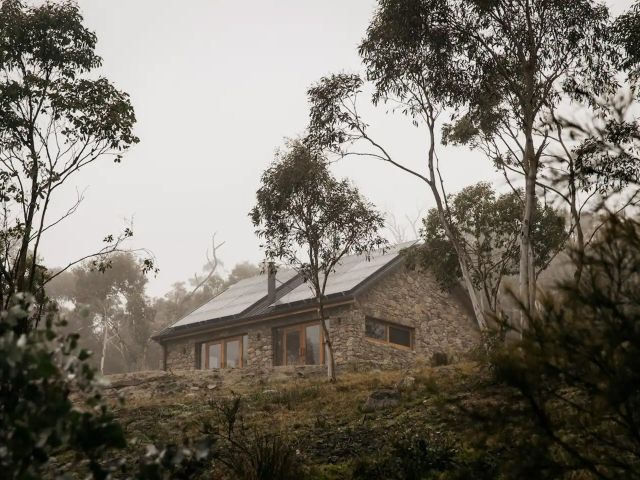
Built from hand-selected granite and Australian hardwood, Mill Cabin in Jindabyne is a masterclass in slow living. This peaceful retreat blends seamlessly into the surrounding Snowy Mountains, where sweeping vistas, warm blankets and a steaming cup of tea are all you need for a rainy day inside.
Wattle Bank Farm, Vic
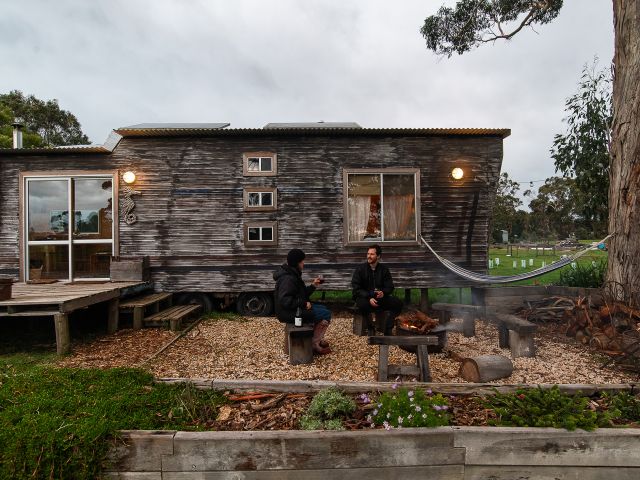
Slow living comes naturally at Wattle Bank Farm, a beautiful off-grid cabin in South Gippsland. Spend rainy afternoons beside the fireplace with a good book, snacking on fresh produce from the garden and watching life on the working farm unfold from the warmth of your cabin.
Tiny George, Tas
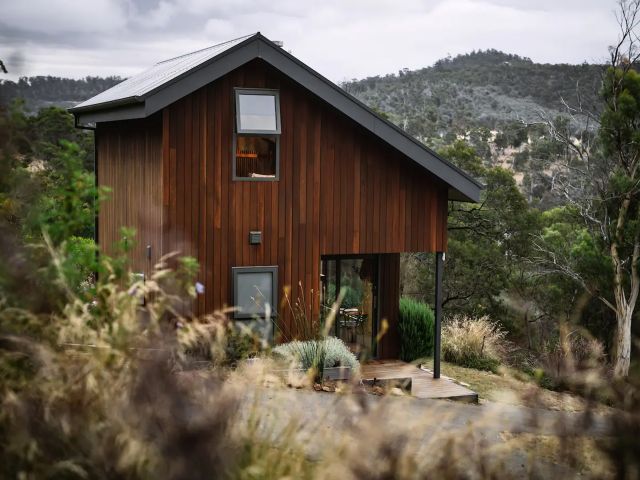
You’ll find Tiny George hidden deep within Tasmania’s picturesque Coal River Valley. Warm timber tones create a cosy space, while expansive windows frame the surrounding landscape. On your way there, pop into the nearby Book Cellar, one of the country’s cutest bookshops, for the perfect storm-watching companion.
Barrel View Cabin, Qld
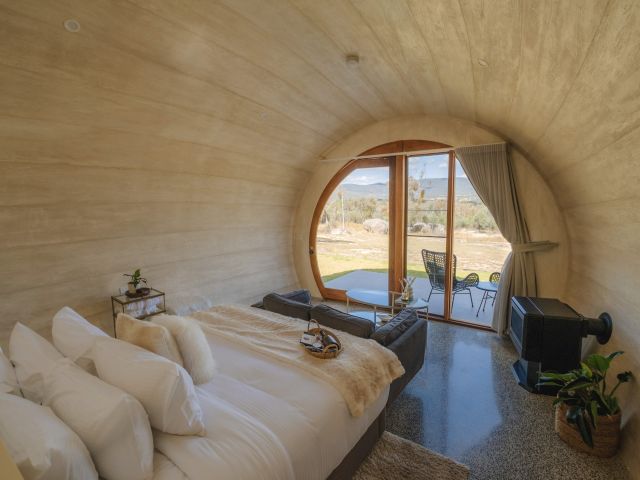
Perched high above Queensland’s Granite Belt, Barrel View is one of Australia’s most unique stays. The architecturally designed wine barrel cabins pair vineyard views with little luxuries like soft linens, fluffy pillows and plush robes. Pour a glass of local wine, curl up and admire rain clouds as they roll across the valley.
Weekly travel news, experiences
insider tips, offers, and more.
CABN Kuitpo Forest, SA
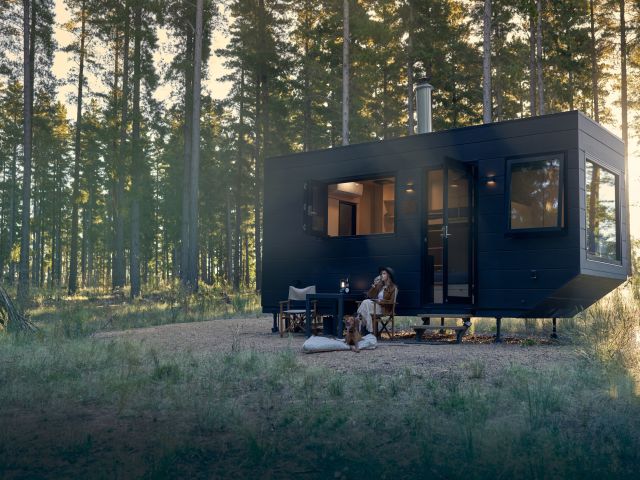
Towering pine trees set the scene at CABN Kuitpo Forest in the Adelaide Hills, where off-grid cabins invite you to embrace the art of doing less. Watch the rain filter through the forest canopy from your window, then curl up beside the indoor fireplace as the sounds of the bush replace the noise of everyday life.
Little Black Cabin, NSW
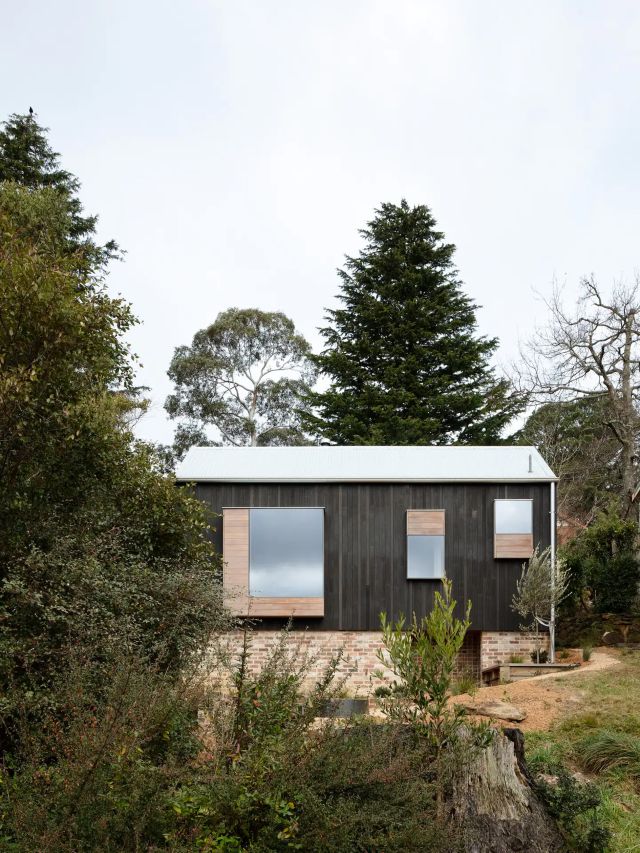
Rainy mornings feel right at home at Little Black Cabin in Blackheath. Here, it’s all about getting cosy beside the crackling potbelly fire or sinking into a window seat overlooking the escarpment, then letting the Blue Mountains do what it does best come winter: disappear beneath a blanket of mist.
Kookaburra Retreat, Vic
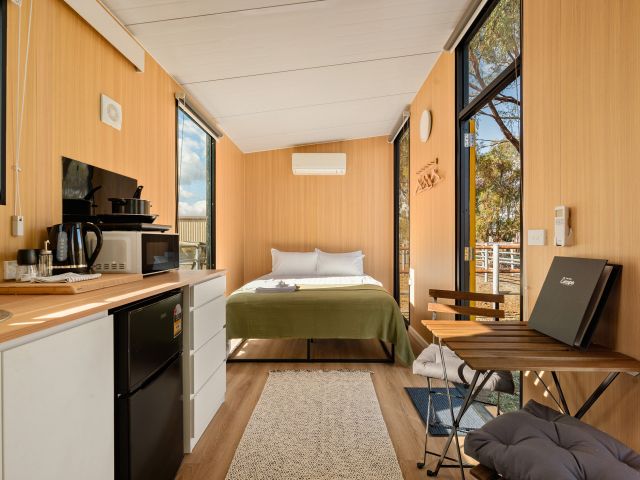
Framed by gum trees, rolling paddocks and wide-open skies, Kookaburra Retreat sits on the outskirts of Arcadia in country Victoria. The property’s rural surrounds act as a soundboard for nature, from birdsong with your morning coffee to rain on the roof as you fall asleep.
Pumphouse Point, Tas
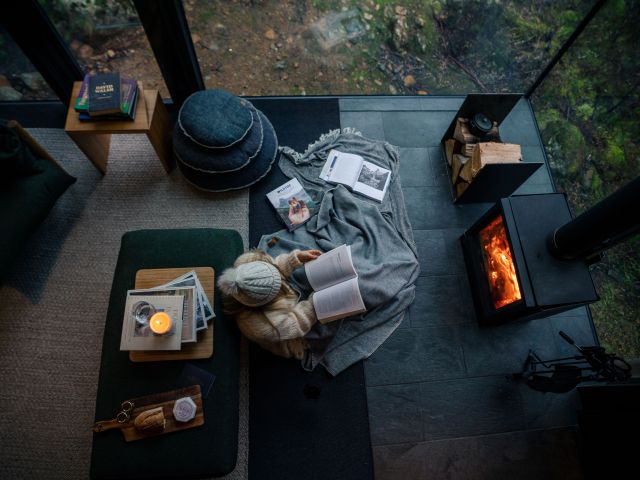
Rain-soaked days and stormy nights are all part of the charm at Pumphouse Point. Set on the edge of Australia’s deepest lake, the adults-only retreat is centred around roaring fireplaces, outdoor bathtubs, local Tasmanian produce and untamed wilderness views that are even more dramatic beneath a gloomy sky.
Want to see more stories from Australian Traveller in your Google search results?
- Click here to set Australian Traveller as a preferred source.
- Tick the box next to "Australian Traveller". That's it.