From rustic oyster shacks to smart casual beachside restaurants specialising in pipis, these 11 seaside towns give local seafood the royal treatment it deserves.
Home to an encyclopaedic range of fresh seafood envied worldwide, Australia’s coastline is the gift that keeps on giving. And while our state capitals are typically lavished with attention for their creative treatment of seafood, seaside towns across the country have slowly become destination dining spots in their own right, enabling diners to devour the freshest oysters, octopus, mussels, abalone and prawns you can get. Here are 11 of the best.
1. Apollo Bay, Vic
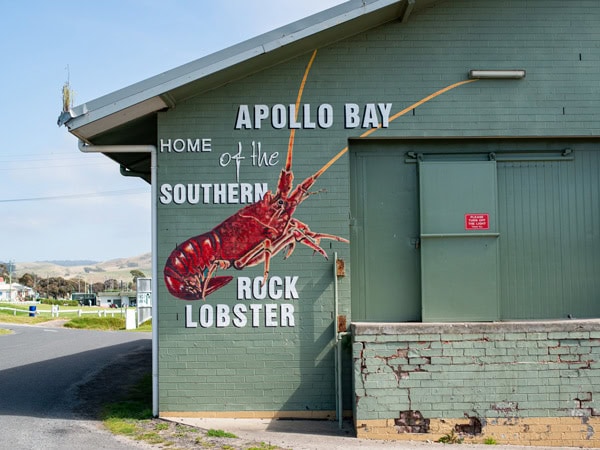
Home to a cluster of cute cafes, boutiques and cosy pubs, this little seaside village is a prime pitstop for those tackling the Great Ocean Road.
It also just so happens to be the crayfish capital of the state and a haven for those seeking wildly fresh seafood.
The annual Apollo Bay Seafood Festival is a major drawcard, but you’ll find a seafood bounty here year-round. Sample Apollo Bay Bakery’s famous scallop pie, stuffed with whole Bass Strait scallops and roe. Unwrap a portion of Apollo Bay Seafood Cafe’s fish and chips with your toes in the sand of the village’s eponymous beach.
Wander to the edge of town for sunset and an al fresco seafood feast at the Apollo Bay Fishermen’s Co-op. Or go upscale and out of town to visit Chris’s Beacon Point Restaurant, known for its seafood-leaning menu and beautiful views.
2. St Helens, Tas
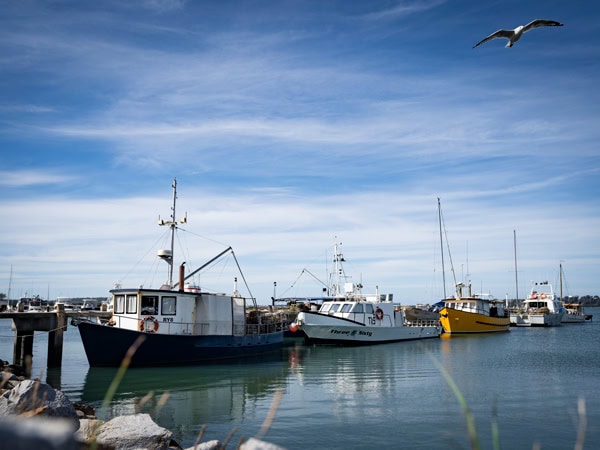
The state’s saltwater game-fishing capital and an area known for its crays, St Helens in North East Tasmania, is a seafood powerhouse, not least because it boasts a wild array of dining options.
From humble waterfront fish punts where you can purchase fish freshly plucked from the ocean, or enjoy hot salty chips and battered fish, through to fine dining French restaurants that capitalise on the rich local oceanic pickings. Or cast your own line on a fishing charter.
Sea urchin is also commercially harvested in these parts, but it can be tricky to locate.
3. Portarlington, Vic
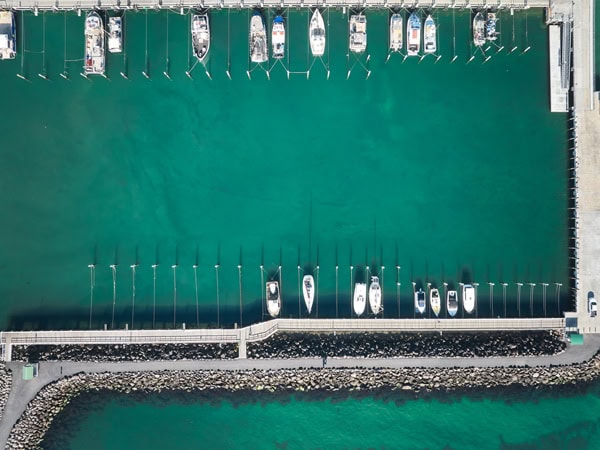
The beautiful Bellarine is often overlooked in favour of its more swanky wine country cousin, the Mornington, which sits on the other side of Port Phillip Bay. But here you can expect the same alluring mix of hotels, restaurants and cellar doors, in addition to a thriving seafood industry.
In particular, Portarlington is known as the mussel capital of Victoria, if not the country, harvesting 60 per cent of Australia’s mussels. Gorge on these plump, sweet molluscs at rustic foreshore cafe The Little Mussel; pick up a couple of freshly farmed kilos to take home and lavish with butter, garlic and white wine from pier pop-up Mr Mussel; or head straight to the source with local farmer Lance and harvest (then devour) some for yourself.
Come January, the town celebrates these little bivalves with its annual Portarlington Mussel Festival.
4. Port Lincoln, SA
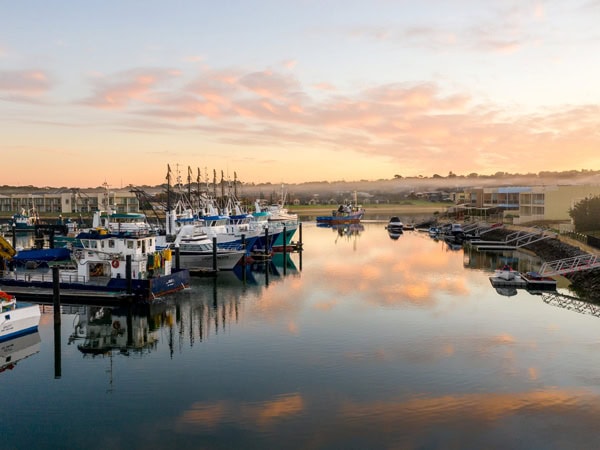
Okay, technically speaking, it’s not a town, but it would be practically sacrilegious to pay homage to Australia’s best seafood spots without naming Port Lincoln.
Located on the biggest natural harbour in the country, and home to the largest commercial fishing fleet in the southern hemisphere, it’s known as the seafood capital of Australia.
In fact, the entire Eyre Peninsula has been referenced as Australia’s so-called ‘seafood frontier’ and is a dreamy little spot for a seafood safari.
The range of local catch here is huge, with everything from bluefin tuna to abalone, sand crabs, scallops, octopus, kingfish, sardines and more, sourced from the cool depths of Boston Bay.
Savour freshly shucked oysters and fish dressed up in every which way – from curries to risotto to a simple pan-sear – at Fumo 28. Demolish a seafood platter at Del Giorno’s. Or experience true ocean-to-plate dining at The Fresh Fish Place’s in-house eatery.
Need tips, more detail or itinerary ideas tailored to you? Ask AT.
AI Prompt
5. Yamba, NSW
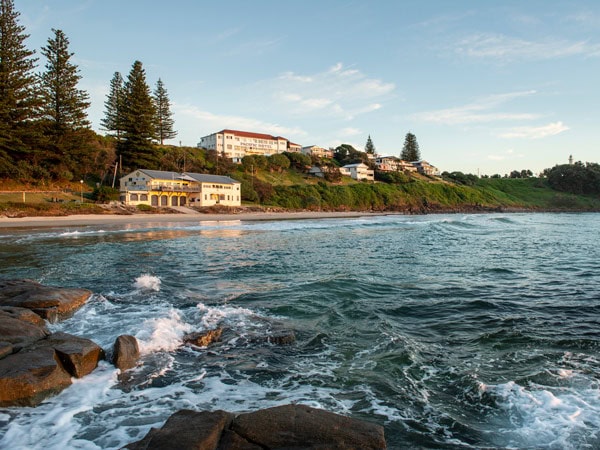
This unassuming little town on the NSW north coast has long drawn keen surfers and in-the-know holidaymakers for its beautiful beaches and cruisy coastal vibes. Yet, perhaps its biggest draw is hidden in plain sight.
Part of the most productive fishing region in the state, the Clarence Valley, as well as NSW’s largest fishermen’s co-op, a trip to Yamba is a seafood lover’s dream.
Highlights include octopus, of which Yamba is the biggest producer on the East Coast, and the famous local Yamba king prawns.
But you can also find a whole host of other seafood here, from ocean school whiting to blue spotted flathead, Balmain bugs and the sweet Clarence River school prawns.
Keen anglers will have ample opportunity to land their own catch, whether deep-sea fishing or casting off from the beach or estuary. Or take the more relaxing route to a fish supper at one of the town’s stellar local restaurants.
6. Geraldton, WA
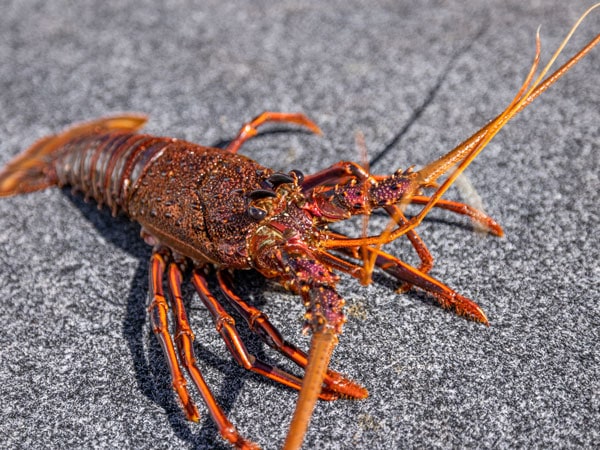
A rising star in Western Australia’s tourism scene, in the belly of the state’s midwest, Geraldton still lies a touch under the radar. But its triple threat of beautiful beaches, wildly fresh seafood and rich Aboriginal culture has earned it a rightful place as one to watch.
Western rock lobster is prized in these parts, and the Geraldton Fishermen’s Co-operative (GFC) is the largest processor and exporter of rock lobsters in the world.
And 60 kilometres west of Geraldton lies an archipelago whose name graces countless fine dining restaurant menus across the country – the Abrolhos Islands.
These pristine isles harbour an abundant supply of wild saucer scallops, known in the industry as some of the chunkiest, firmest and sweetest that exist.
Buy your rock lobster, octopus and pink snapper straight off the boat at Brolos Fresh, on the harbour, or head to neighbour Barnacles on the Wharf for freshly cooked fish and chips or the signature lobster roll.
7. Port Douglas, Qld
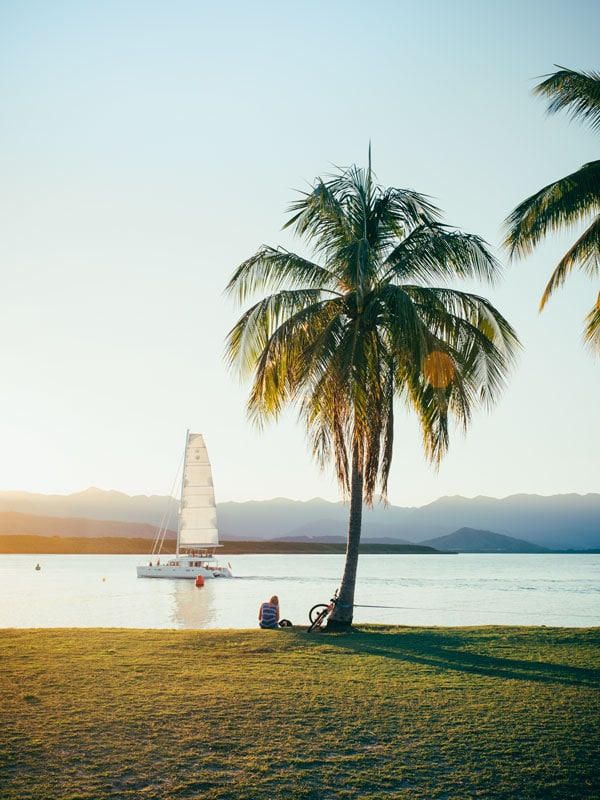
Don’t be deceived by Port Douglas’ small size. This tiny tropical town packs a delicious punch when it comes to impressive food and wine experiences. And beautifully prepared seafood is where Port Douglas really shines.
Salsa is a firm local favourite, and Nautilus, with its secluded deck enveloped by lush greenery and seafood-forward degustation menu, is another frontrunner. Melaleuca, meanwhile, is the place to go for Asian-inspired seafood dishes and a modern indoor-outdoor dining space.
Mud crabs are something of a local delicacy, in their plumpest prime from August through summer. You’ll find them on many local restaurant menus, but Wrasse & Roe is known for doing a mean wok-tossed, chilli-laced rendition.
More intrepid travellers can head out and comb the coastline for muddies themselves, or try spearfishing under the expert guidance of Kuku Yalanji elders.
8. Mooloolaba, Qld
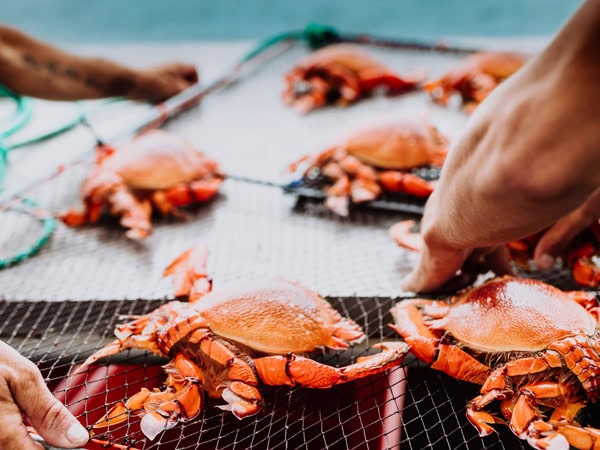
A holiday on the Sunny Coast promises the holy trinity of surefire summer holidays: Tiffany Blue waters lapped by white sands, warmly welcoming towns and a glut of great local seafood.
While you can find all kinds of crustaceans and fish (think swordfish, calamari, goldband snapper, oysters and Balmain bugs) on this iconic stretch of Aussie coastline, the jewel in this town’s crown is, without doubt, the Mooloolaba king prawn. Such is the pride in this locally sourced prawn that in 2008, locals gave these crustaceans a rebrand, changing the name from ‘eastern king prawn’.
Feast on plate loads of these juicy, moreish and delicately sweet fruits of the sea at perennially popular haunt Prawn Star. Putting a whole new spin on the term ‘trawler to table’, this wharf-based eatery features a pared-back menu, serving up cold seafood platters (prawns, oyster, crayfish, bugs and sashimi salmon only) from the seats of its permanently moored floating restaurant, housed within a bespoke timber fishing trawler.
Mooloolaba is graced with plenty of top-notch dining options, many of which feature seafood heavily.
Weekly travel news, experiences
insider tips, offers, and more.
9. Stanley, Tas
With its trademark cool, clean air and waters, it’s practically a given that Tassie would offer gold-standard seafood to boot.
A state that lives and breathes the ‘locally sourced’ mantra, you could head in almost any direction and find fresh seafood still dripping with saltwater. But Stanley in the isle’s remote northwestern corner is a standout for three reasons: oysters, abalone and crayfish.
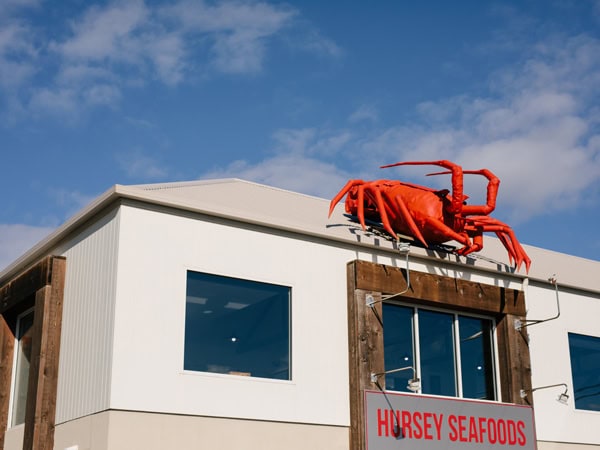
Tasmania has the world’s largest wild abalone fishery, responsible for some 25 per cent of the total annual global production – yet much of it is exported. At Hursey Seafoods, however, this revered mollusc is on high rotation, pan-seared and drenched in garlic butter. Freshly caught crayfish is another speciality here, as the large fibreglass cray on its roof attests.
Tarkine Fresh Oysters in neighbouring Smithton is home to seriously fresh oysters, best devoured in a ‘Tarkine Taster’ with 12 different toppings.
10. Narooma, NSW
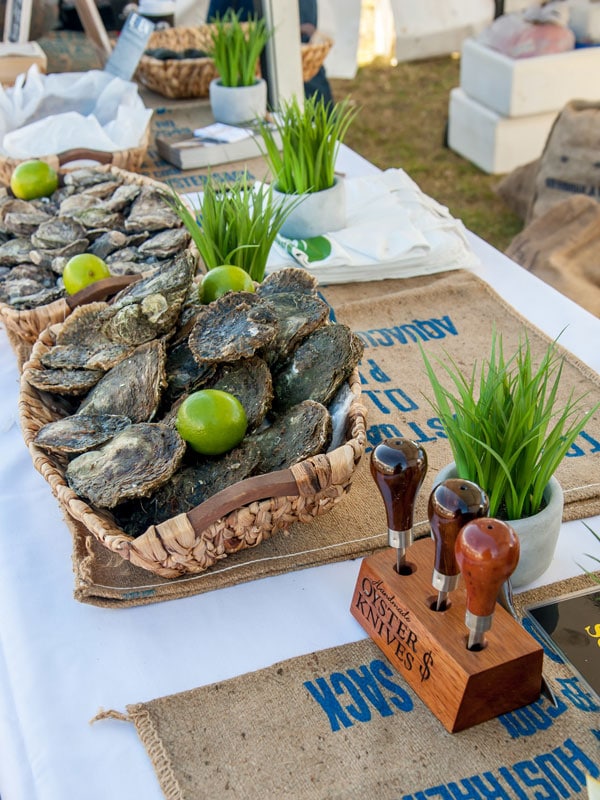
Surrounded by ocean, lakes and rivers, Narooma is an obvious candidate for seafood supremacy. And with its sailboats bobbing around in the marina, pelicans gliding overhead, and oyster sheds tucked in by the water’s edge, this sleepy town in southern New South Wales is easy on the eye too.
As the annual Narooma Oyster Festival might suggest, the briny bivalves are a staple here, and there are a number of oyster farm gates to visit. Narooma Bridge Oysters is a rustic little spot right next to the water’s edge, with supremely fresh takeaway oysters on offer.
For something a little more upscale, pull up a pew at The Oyster Farmer’s Daughter, which offers cocktails, a smattering of hot seafood dishes and occasional live music.
With a fleet of new eateries opened by hospo heavyweight Merivale in 2021, including scenic seafood-centred The Quarterdeck, the region’s allure has dialled up a few notches.
11. Goolwa, SA
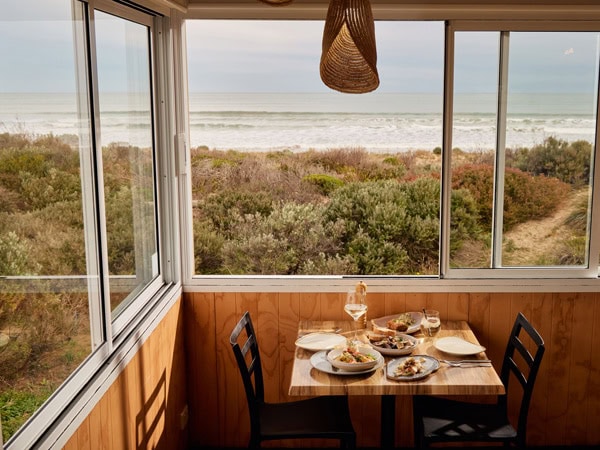
The bountiful Fleurieu Peninsula strikes again. Beyond its booming boutique wine industry and long-cemented paddock-to-plate dining philosophy, this bucolic maritime region has yet another string to its bow: pipis.
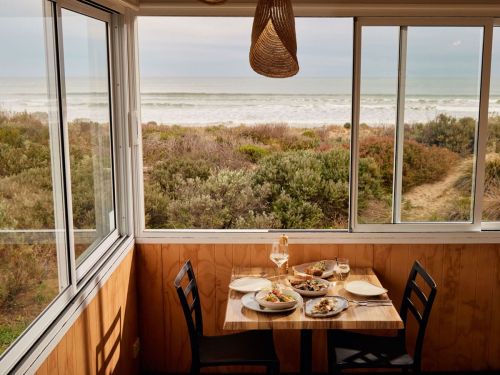
At smart-casual restaurant Kuti Shack, nestled in the dunes at Goolwa Beach, overlooking the very stretch of sand where it hand harvests the Goolwa pipi, these slightly sweet, slightly nutty plump little bivalves are afforded the special treatment they deserve.
Dine on crowd-pleasing pipi linguine, pipis drenched in XO sauce, or any number of other seasonal catches such as flathead tacos, kingfish sashimi or tiger prawn gow gee.
Want to see more stories from Australian Traveller in your Google search results?
- Click here to set Australian Traveller as a preferred source.
- Tick the box next to "Australian Traveller". That's it.