
Explore Australia’s rich tapestry of white sand, rugged cliffs, dense bush and lush rainforest on foot with these dreamy coastal walking tracks.
With some 34,000 kilometres of coastline to its name, Australia is not shy of beaches, bays, coves and clifftops begging to be explored. Stretch your limits on a multi-day hike through an isolated swathe of Aussie coastline or savour each step on a leisurely walk through littoral landscapes in one of the country’s myriad national parks. On these 12 coastal walks you can choose your own adventure.
1. Noosa National Park, Queensland
One of Queensland’s favourite beach holiday destinations is also home to one of the country’s most beautiful coastal walks. Five tracks are located in the 2883-hectare Noosa National Park, a wildlife sanctuary accessible by a one-kilometre beachfront boardwalk from bustling Hastings Street.
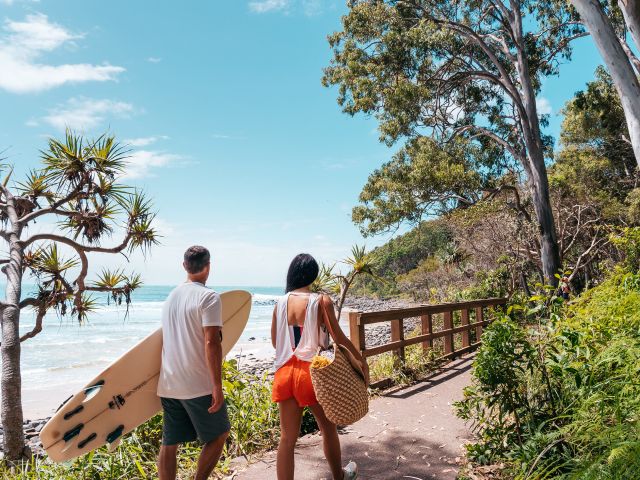
While the easy one-kilometre trail through palm groves is perfect for time-poor visitors or those with kids in tow, the 10.8-kilometre coastal track that traces Noosa Headland from Main Beach to Sunshine Beach and back is the real reason to lace up your boots.
With the turquoise ocean on your left, you’ll walk along a well-maintained pathway lined with pandanus palms and seasonal wildflowers, past quiet beaches and bays, to Dolphin Point where there’s a good chance you’ll spot dolphins or whales. The track is unsealed from this point and journeys through eucalypt forest, above the gorgeous Noosa Fairy Pools, past Alexandria Bay beach, and culminates at Sunshine Beach, which is where you can start the return journey.
Distance: 10.8 kilometres return.
Duration: Three to four hours.
2. Great Ocean Walk, Victoria
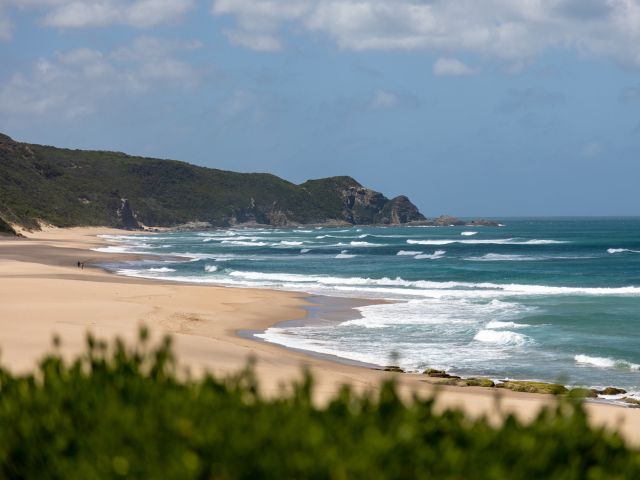
The Great Ocean Road is one of the most iconic road trips in the country, but we suggest parking the car and exploring this spectacular coastline on foot. The Great Ocean Walk is easily accessible from many points, meaning visitors can walk the entire length (which can take up to eight days) or do a shorter section in a day.
Intrepid walkers who want to tackle the entire walk should start at Apollo Bay and head west where the track leads to the Twelve Apostles. The track is a mixture of pathways, boardwalks, rocky platforms, sandy beaches, steep stairs, and trails through forested areas.
Hugging the coastline with views of the powerful Southern Ocean below, the walk journeys under tall trees, through wet rainforest, along cliff tops, past Cape Otway Lighthouse and through Great Otway National Park. There are also opportunities to spot kangaroos and koalas, seals at Marengo Reef Marine Sanctuary, and penguins that live at the base of the Twelve Apostles viewing area.
There are a number of purpose-built campsites along the walk and many accommodation options in nearby towns for those who prefer a comfortable bed and hot shower at night. There are also guided walks including accommodation available through Auswalk and Twelve Apostles Lodge Walk.
Distance: 100 kilometres (smaller sections available).
Duration: Up to eight days.
3. Cape to Cape Track, Western Australia
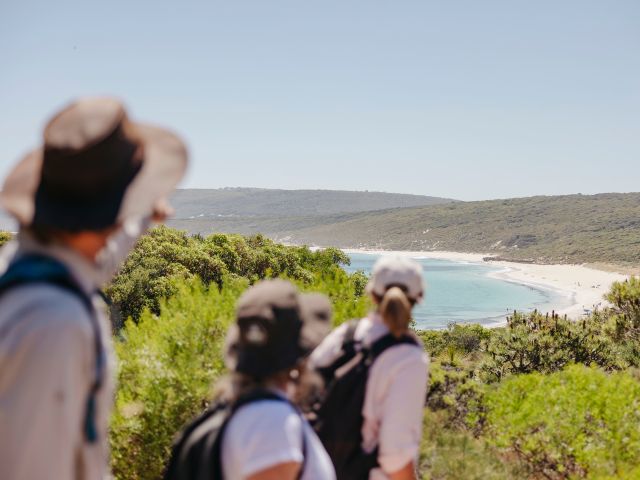
The Cape to Cape Track traces WA’s south-west coast from Cape Naturaliste Lighthouse to Cape Leeuwin Lighthouse. Walking the entire Cape to Cape Track is a challenge that can take up to a week and will require sleeping at basic campsites. However, the track has five shorter sections that are easily accessed.
Walking along constructed paths, along sandy beaches with famous surf breaks, rugged tracks, through inland forests, and with some challenging steep sections, walkers are rewarded with incredible views of the Indian Ocean from cliff tops. Unique flora and fauna can be spotted, including seasonal wildflowers, soaring karri trees, a plethora of birdlife, lizards, possums and humpbacks.
There are many guided walks available along this stunning coastline, such as an adventurous eight-day tour with Aus Walk, and a shorter four-day tour with Walk Into Luxury, which includes luxurious accommodation and gourmet experiences.
Distance: 130 kilometres (smaller sections available).
Duration: Five to eight days for the entire track.
4. Bouddi Coastal Walk, NSW
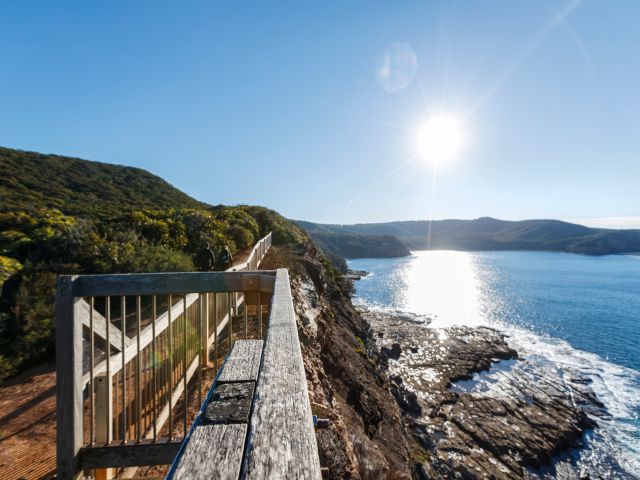
Located on the NSW Central Coast, just 90 minutes north of Sydney, Bouddi National Park is home to more than 100 important Aboriginal sites, one of the country’s first protected marine areas, and an ancient rugged landscape.
The Bouddi Coastal Walk can be done in a day, but walkers who plan to make the return trip should begin early as it can take up to eight hours. The track begins at Putty Beach picnic area and includes a mix of beach walking, steep stairs, formed tracks and rocky platforms. It ends at MacMasters Beach, where walkers can exit the walk or return.
The walk boasts sweeping ocean views, with the opportunity to spot whales in season and the remains of the PS Maitland shipwrecked at Bouddi Point. The track passes deserted beaches perfect for taking a dip, and heads through coastal bushland and pockets of rainforest, too. Little Beach Campground is located along the walk and includes basic facilities for those who wish to stay overnight.
Distance: 8.5 kilometres one-way.
Duration: Three to four hours one-way.
Need tips, more detail or itinerary ideas tailored to you? Ask AT.
AI Prompt
5. Walk the Yorke, South Australia
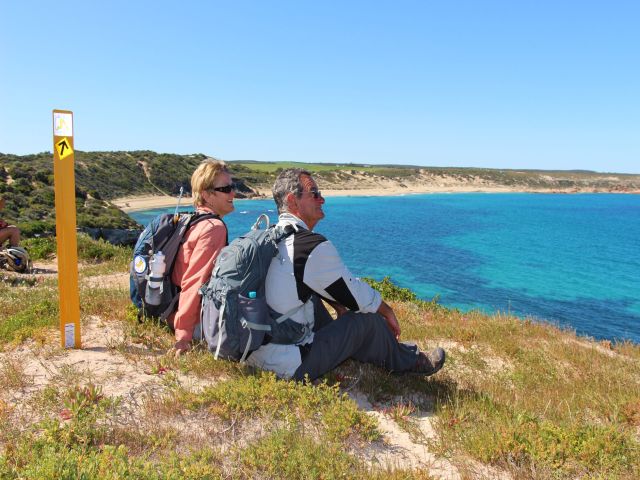
South Australia’s entire Yorke Peninsula boasts more than 500 kilometres of continuous walking and cycling trails. One of the longest and most spectacular sections is from Marion Bay to Gleesons Landing, a 60-kilometre stretch that can be completed over three days.
Starting in the small town of Marion Bay on the east coast of the tip, the trail heads south along rugged cliffs and pristine beaches, past dunes and historic lighthouses, through spectacular Innes National Park, home to emus, kangaroos and wallabies, and back up the western coast to Gleesons Landing. Camping is available along the track, and there are several side trips in Innes National Park that can be added to the walk.
A shorter but challenging walk to consider is the 25-kilometre stretch from Foul Bay to Marion Bay. Walkers should allow up to 10 hours to complete the trail due to its mix of terrain, which includes walking along sandy beaches, rock-hopping and climbing dunes.
Distance: 500 kilometres, broken up into 16 sections.
Duration: Each section takes from one to three days.
6. Freycinet Peninsula, Tasmania
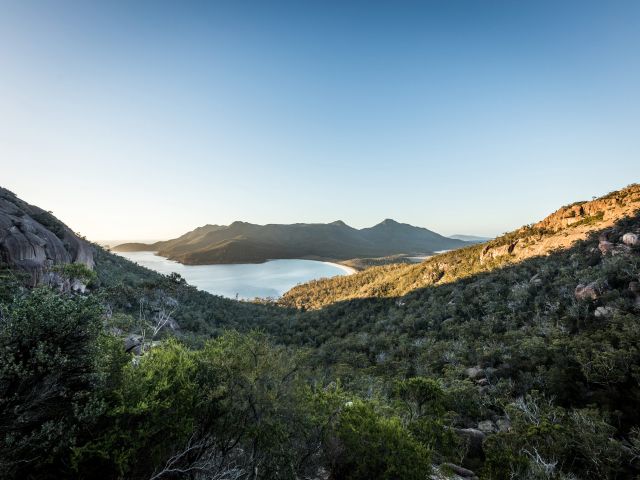
Known as the ‘Jewel of Tasmania’s coastline’, Freycinet National Park is Tasmania’s oldest national park and is home to jaw-dropping landscapes and the unforgettable Freycinet Peninsula Circuit.
The track journeys through coastal heathland, woodland and forest, along sandy beaches and Freycinet’s unique orange granite boulders and along ridges with some steep mountainous sections. Wineglass Bay, often named one of the world’s best beaches, is an absolute highlight. As requested by the National Parks Service, the track should be walked in an anti-clockwise direction to help minimise the spread of root rot.
Walkers can camp at Hazards Beach, Cooks Corner and Wineglass Bay. A four-day guided walk is also available through Freycinet Experience Walk, which includes accommodation in a comfortable lodge each night with gourmet food included.
Distance: 27 kilometres.
Duration: Two to three days.
7. Dhimurru Coastal Walking Trail, Northern Territory
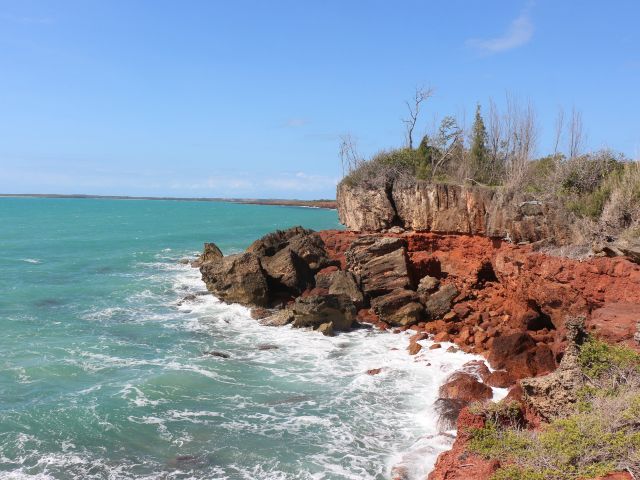
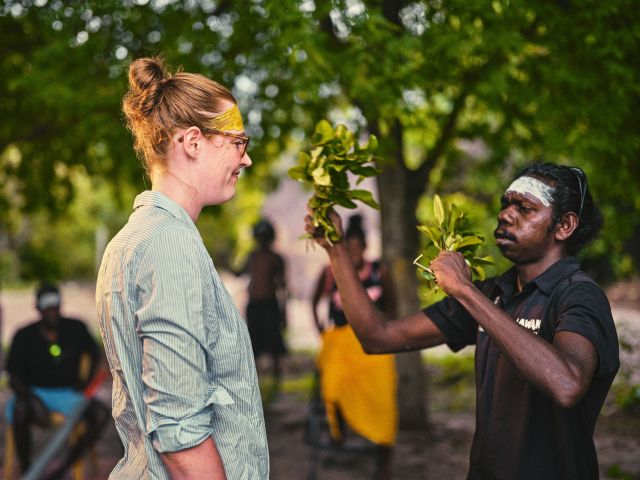
Connect with Country on this littoral trail through a remote and startlingly beautiful wilderness area.
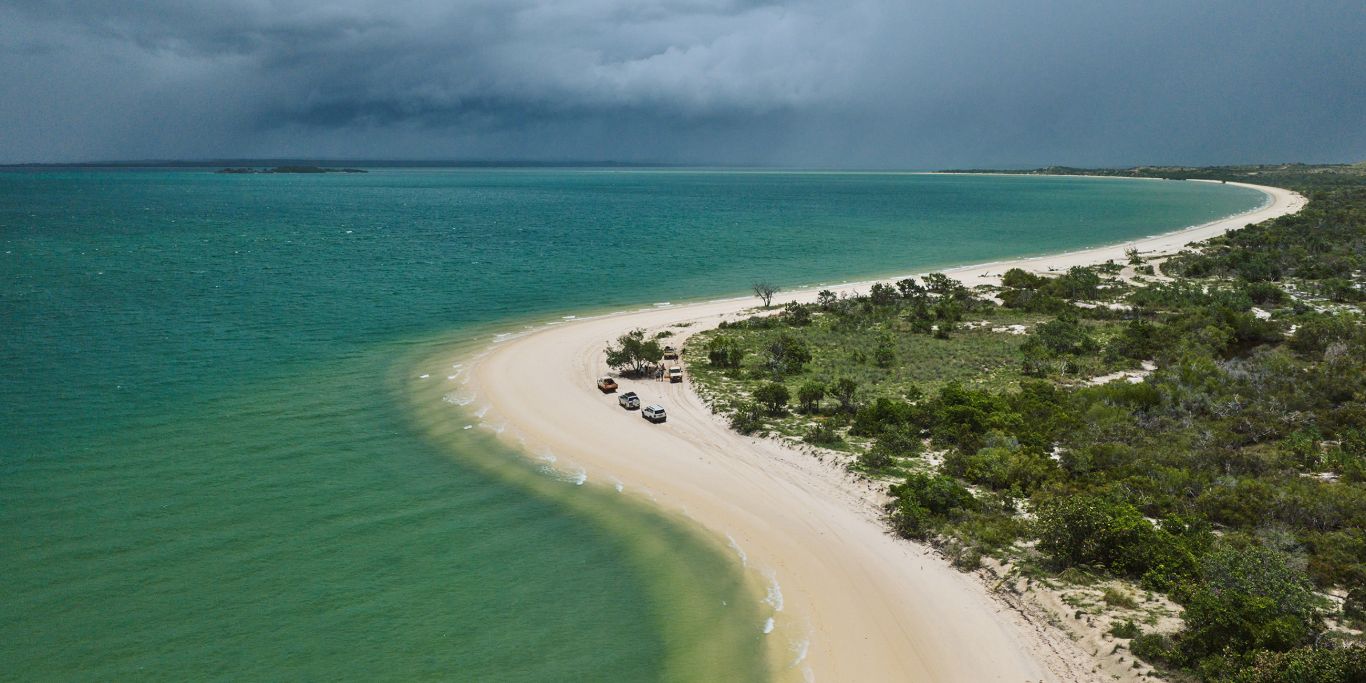
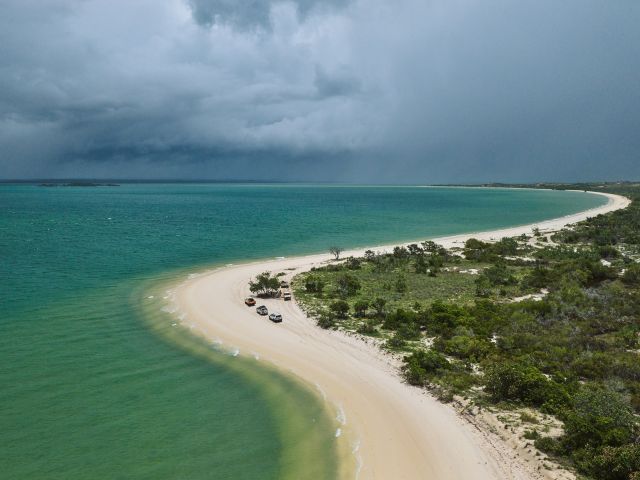
Comprising three short walks, the Dhimurru Trail has been enriched by the land’s traditional owners, who’ve provided interpretative signs along the route. As you trace the East Arnhem Land coastline north from Daliwuy Bay (Binydjarrnga), you’ll traverse a landscape inhabited by the Yolŋu for tens of thousands of years, but yet bearing few man-made blemishes.
Visitors will need a permit from the Dhimurru Aboriginal Corporation and a 4WD to access this pristine area. Gove is the nearest airport, a 30-minute drive away, with flights available from Cairns and Darwin.
Distance: 7.2 kilometres one-way.
Duration: Four hours.
8. Thorsborne Trail, Queensland
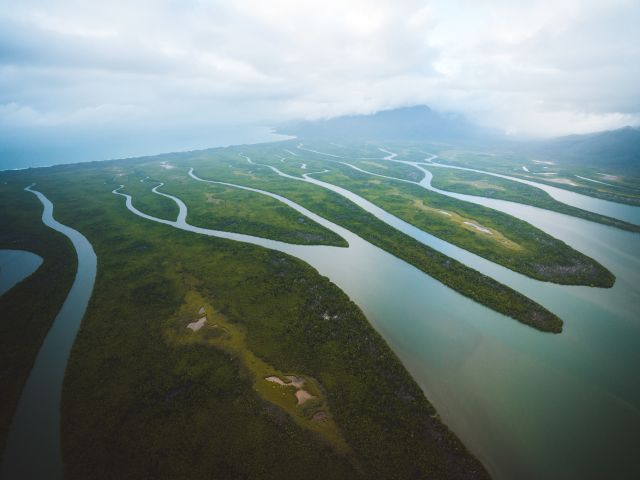
Those embarking on this multi-day hike will discover an uninhabited paradise, promising solitude aplenty; after all, only 40 people are allowed to access Hinchinbrook Island at a time, in order to preserve its pristine environment and rich biodiversity.
The flip side is you’ll need to pack a solid stash of stamina alongside your five litres of water, your camping equipment, and all the food you’ll need for four very active days out in the bush. A grade five hike, the Thorsborne Trail calls for ‘very experienced bushwalkers with specialised skills, including navigation and emergency first aid’.
There’s no shortage of hikers up for the challenge, however. Such is the popularity of this trail in Hinchinbrook National Park, that it’s often booked out months in advance. And it’s not hard to see why.
Located within the UNESCO World Heritage-listed Wet Tropics of Queensland and part of the Great Barrier Reef Marine Park, the isle is chequered with dense thickets of mangroves, outcrops of granite rocks, cloud-crested mountain peaks, towering eucalypt forests, deep swimming holes fed by waterfalls, and wide golden sand beaches.
The best time to walk the Thorsborne Trail, which winds along the isle’s eastern edge, is between April and September.
Distance: 32 kilometres.
Duration: Four days plus.
9. The Darby River to Tongue Point walk, Victoria
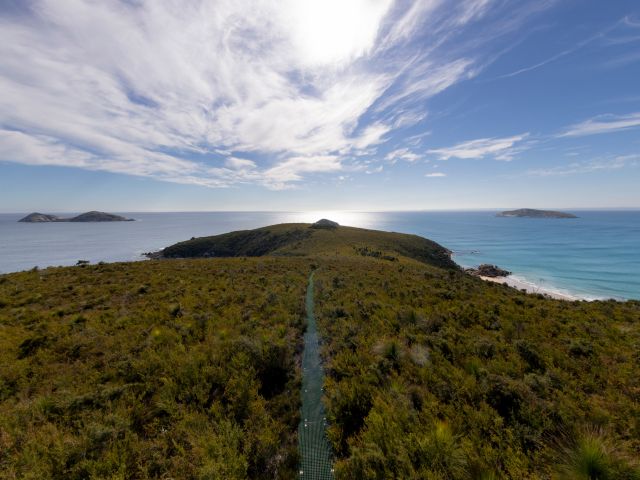
Long something of a state secret, ‘The Prom’ is where weary Melburnians go to recharge their batteries amid a landscape drenched in greenery. A dreamy coastal wilderness area that juts into the turbulent waters of the Bass Strait, this national park is a haven for wildlife, home to pelicans, kangaroos, emus, echidnas, wombats, and plenty more creatures beyond.
With one sole road in, which stops abruptly at Tidal River campground, most of Wilson’s Promontory can only be explored on foot. And there’s a glut of scenic bushwalks on offer for everyone here, from three- to five-day hikes through temperate rainforest and past isolated crescents of sand, to cruisy 40-minute strolls that snake through coastal heathland.
In between these two extremes, you’ll find the Darby River to Tongue Point walk; a rewarding day hike firmly within the Goldilocks zone.
Expect ancient sand dunes, shrubland frequented by wallabies, and a wind-whipped headland. The short walk down to tiny Fairy Cove, strewn with granite boulders, blanketed by white sand, and swept by glassy waters, is a rewarding detour.
Distance: Nine kilometres one-way.
Duration: Four–five hours.
Weekly travel news, experiences
insider tips, offers, and more.
10. Kiama Coast Walk, NSW
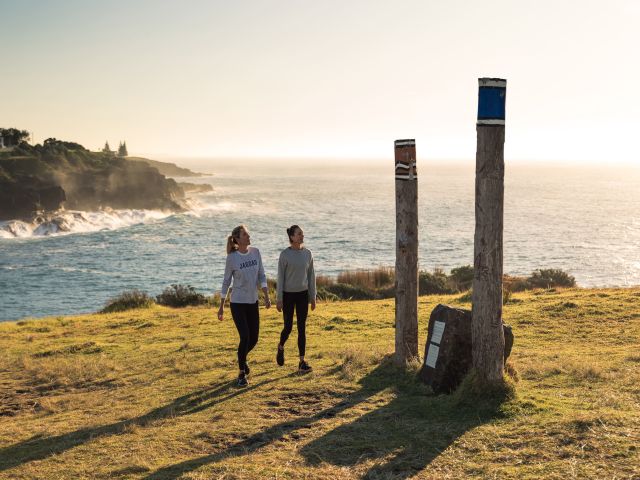
The perfect day hike doesn’t exi… Punctuated by pretty seaside towns, quiet surf beaches, blustery headlands, and a handful of geological wonders, this coastal walking track delivers on so many levels.
Rise with the sun and walk from Minnamurra south to Gerringong in one fell swoop or take the more leisurely route and split the journey into two (or three) well-rounded days.
En route, you’ll see the craggy volcanic formations of Cathedral Rocks and Bombo Headland, the explosive spray of Kiama’s blowholes, the heritage-listed Kiama Lighthouse and six different beaches, perfect for picnicking, paddling, swimming, surfing or a snooze. Come winter, you may even spy a pod of humpback whales on the horizon.
The Kiama Coast Walk is just the tonic for those looking to escape city life, without venturing too far from civilisation.
Distance: 20 kilometres one-way.
Duration: Six–seven hours (one day, or more).
11. Kangaroo Island Wilderness Trail, South Australia
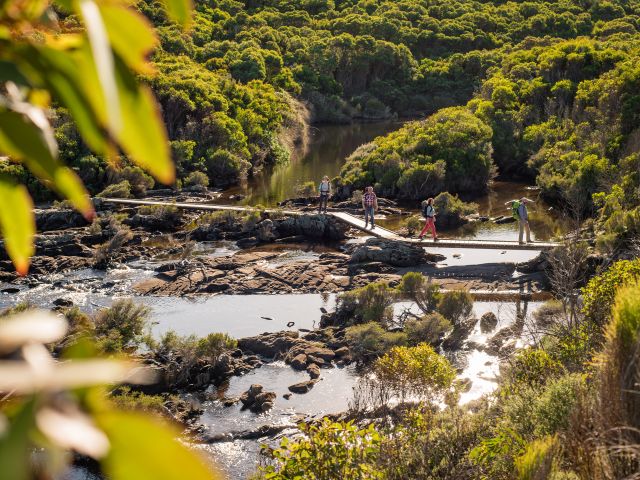
The bold, wind-worn scenery of this special island comes into focus, in all its elemental glory, on this epic five-day walk through Flinders Chase National Park.
Beyond this park’s icons – the Remarkable Rocks, Admirals Arch and a long-nosed fur seal colony – it’s the total immersion in coastal wilderness that provides yet another layer of attraction for prospective hikers.
Fall asleep to the rhythmic sound of waves pummelling nearby cliffs at Hakea campground, wake up with the sun to birdsong, dip your toes into bracing waters of the Southern Ocean at Hanson Bay beach, and gorge on great lungfuls of saltwater-laced air from atop Maupertuis Bay, maybe even catching a glimpse of the Southern Right whales that cruise along this coastline between June and early October.
Experienced hikers can tackle the trail independently. Those with less experience can instead join forces with a licensed local tour operator.
Distance: 66 kilometres.
Duration: Five days.
12. Maria Island Walk, Tasmania
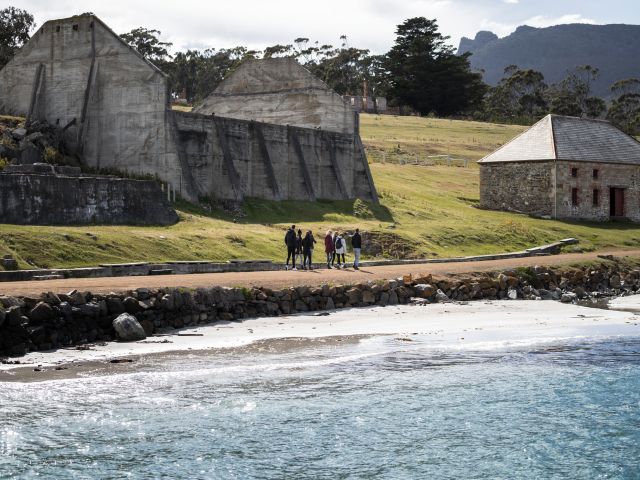
Arresting rugged scenery, free of tourist hordes, that’s accessible without Olympics-level exertion? It is possible on Maria Island, a mountainous, car-free wonderland, cast off from Tassie’s wild eastern seaboard.
This guided walk traces the western outline of the isle’s coast, taking in the beauty of its sun-dappled eucalypt forests, sweeping crescents of sand patrolled by dolphins, and the stark silhouettes of its painted sandstone cliffs, painstakingly chiselled into existence over centuries by mother nature.
Dramatic landscapes aside, guests on this escorted trip will be treated to an array of creature comforts, from expertly prepared local food and wine, served under a canopy of stars, to the operator’s exclusive wilderness camps.
Distance: 25 kilometres, with optional extra hikes available.
Duration: Four days.
This article was originally written by Megan Arkinstall with updates by Chloe Cann.
Want to see more stories from Australian Traveller in your Google search results?
- Click here to set Australian Traveller as a preferred source.
- Tick the box next to "Australian Traveller". That's it.