
On Sunday 1 February, a Snow Moon will shine above Australia. We’ve rounded up the best spots to see this extra-bright full moon in every state.
Last year’s lunar spectacles had us collectively spellbound, with a Strawberry Moon, Harvest Moon, Beaver Moon and Cold Moon setting the night skies aglow. And while this weekend’s ‘Snow Moon’ isn’t a supermoon (the result of a full moon reaching its closest point to Earth along its elliptical orbit), it is a brighter-than-normal moon worth looking to the skies for. Here’s when and where to catch it.
What is a snow moon and why is it special?
A Snow Moon is really just a fancy word to say the second full moon of the year. It derives its name from the snowfall that’s usually seen in the Northern Hemisphere in early February. Of course, we Aussies can’t relate that much – being in the height of summer and all – but the Snow Moon is still significantly brighter than a usual moon.
Whether you’re dusting off the binoculars, setting up your camera at a scenic lookout or simply poking your head out after dinner, this lunar eye-candy will be visible with the naked eye all over the country – making it an easy win for every skygazer out there.
When to see the Snow Moon this weekend in Australia
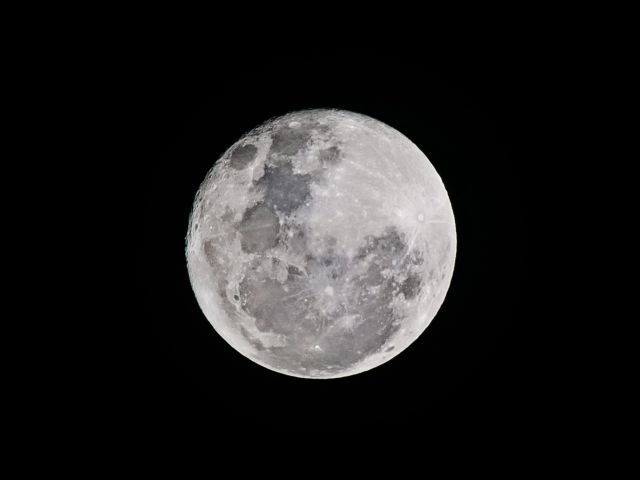
While the Snow Moon will reach its peak the morning of Monday 2 February at 9:09am, the daylight means we won’t actually be able to see the spectacle in all its glory. This means the best time to see the Snow Moon shining brightly is on Sunday evening, 1 February, around 30 to 60 minutes after the sun goes down. During this time, the moon will appear full, large and low on the eastern horizon. It will continue to be visible later into the night, passing directly overhead between midnight and 1:00am (depending on what state you’re in), when it crosses the meridian.
The best places to see this weekend’s Snow Moon in Australia
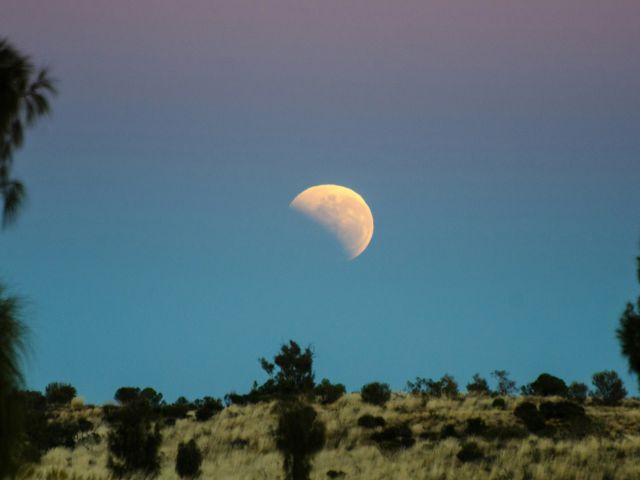
The best lunar viewing spots are elevated, unobstructed and distant from the light pollution of cities. If you’re planning to catch the Snow Moon at moonrise (when the moon begins to appear above the horizon), make sure to look towards the east. Below are the top places for viewing the Snow Moon in each Australian state.
NSW:
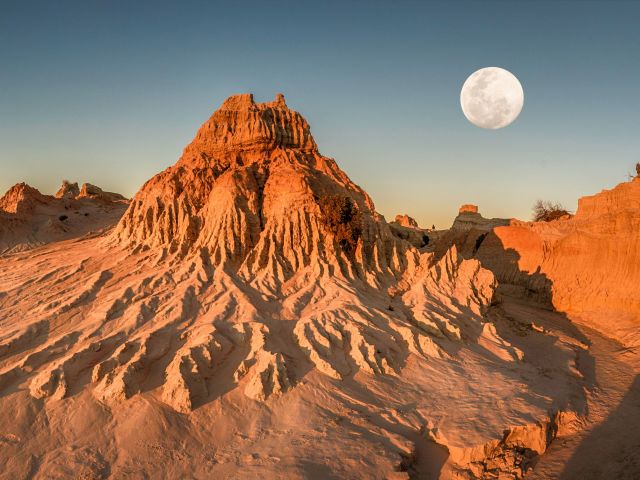
- Walls of China, Mungo National Park
- Echo Point Lookout, Blue Mountains
- Palm Beach Headland, Sydney
- Sydney’s eastern beaches (such as Bronte, Coogee and Maroubra)
- Observatory Hill, Sydney
- Broken Hill
WA:
- Kings Park, Perth
- Perth Observatory, Bickley
- Lancelin Sand Dunes, Lancelin
- Cape Leeuwin, Margaret River
- The Pinnacles Desert, Nambung
SA:
- Mount Lofty, Adelaide
- Semaphore Jetty or Glenelg Foreshore, Adelaide
- River Murray International Dark Sky Reserve
- Ikara-Flinders Ranges National Park
Vic:
- Arthurs Seat lookout, Mornington Peninsula
- Phillip Island
- Grampians National Park
ACT:
- Mount Ainslie Lookout, Canberra
- Mount Pleasant Lookout, Canberra
Qld:
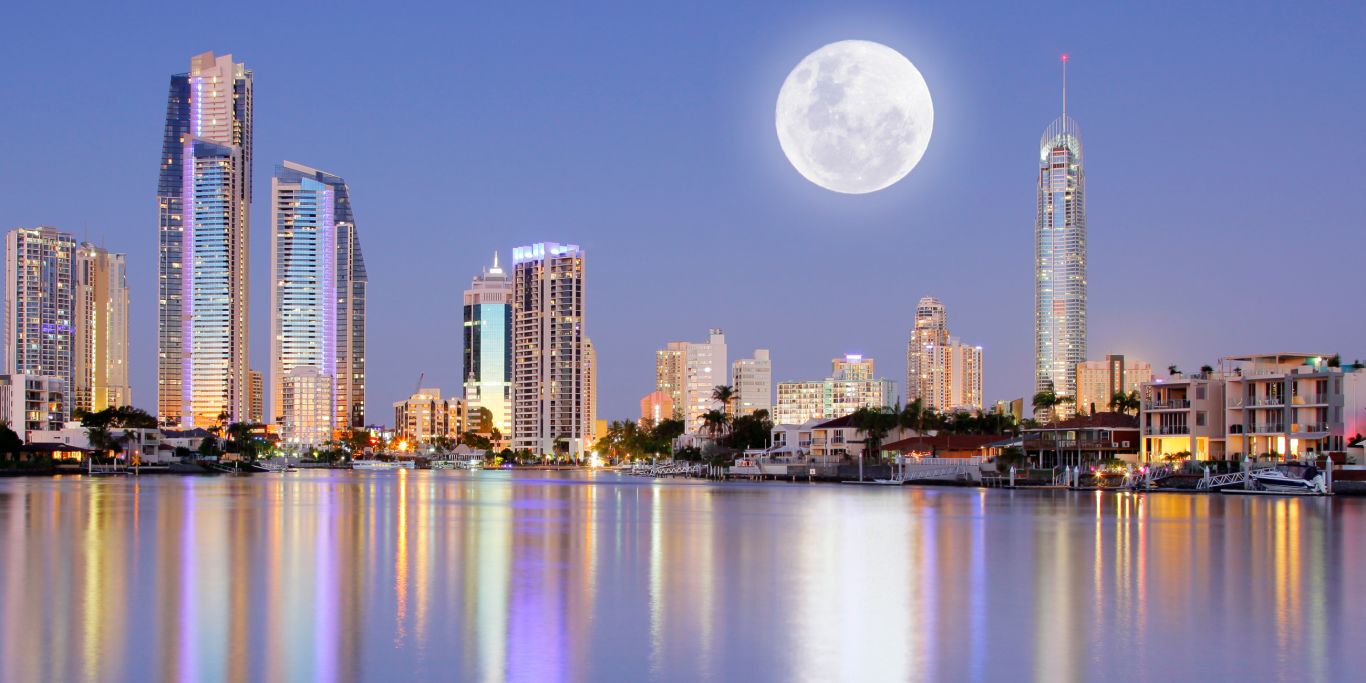
- SkyPoint Observation Desk, Surfers Paradise
- Redcliffe Peninsula, near Brisbane
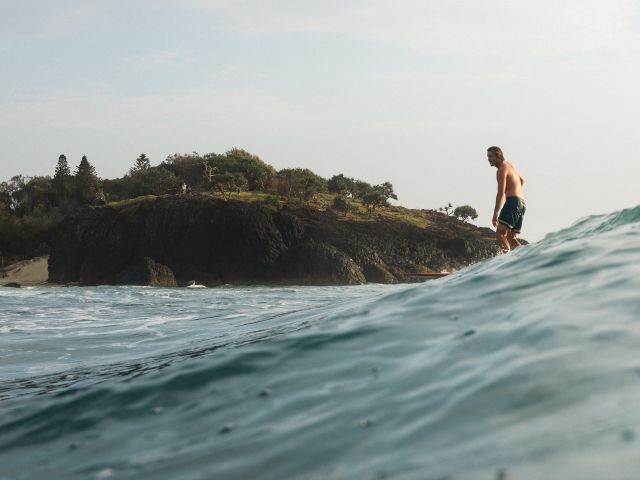
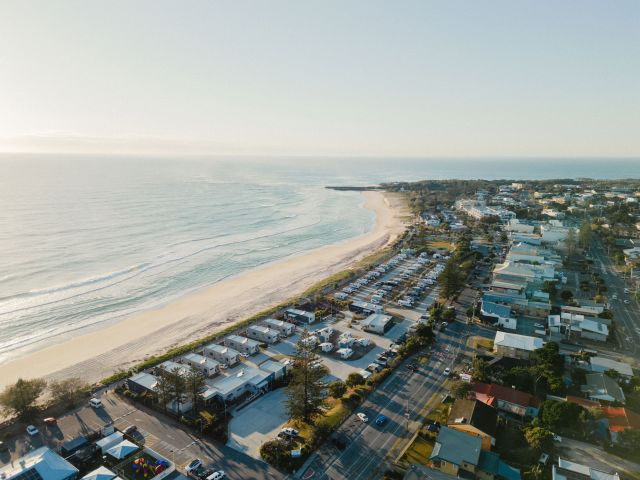
- Double Island Point, Cooloola
- Winton
- Palm Cove
Tas:
- Seven Mile Beach
- kunanyi/Mt Wellington summit, Hobart
- Constitution Dock, Hobart
- Cradle Mountain-Lake St Clair National Park
NT:
- Kata Tjuṯa/Mount Olga, Uluṟu-Kata Tjuṯa National Park
- Earth Sanctuary Alice Springs
What other lunar events are happening in 2026?
There’s more in store for lunar lovers! Look out for the total lunar eclipse on 3 March, a Blue Moon on 31 May and a supermoon on Christmas Eve, 24 December.