Avoid the crowds, save big and enjoy top holiday spots in peace – here’s why you should book your next trip during a ‘dead week.’
Picture this: fewer crowds, cheaper stays and a chance to experience Australia’s most popular destinations without the chaos of peak holiday seasons. Welcome to the magic of ‘dead weeks’ – those rare travel sweet spots when demand takes a dip and savvy travellers can cash in on great deals.
According to Stayz’ 2025 Holiday Planning Guide, timing your trips around these underrated periods could be the smartest way to secure your dream getaway without the usual stress.
So, what exactly is a dead week?
These are short, specific periods that immediately precede or follow peak travel times – when families are back at work and school, and the average nightly rates for accommodation take a welcome nosedive. Here’s how to plan your next break during a dead week and make the most of these golden windows of opportunity.
March: The pre-Easter escape
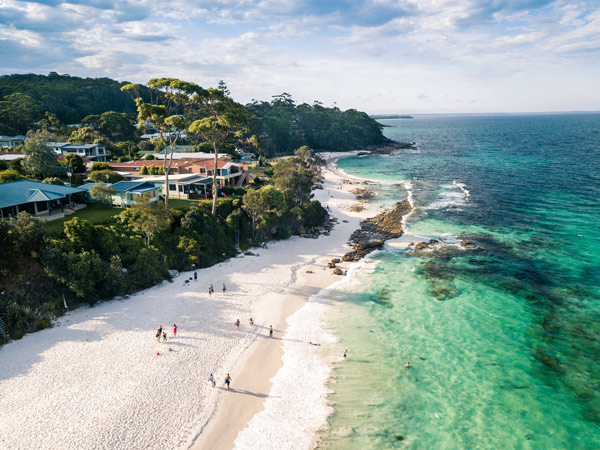
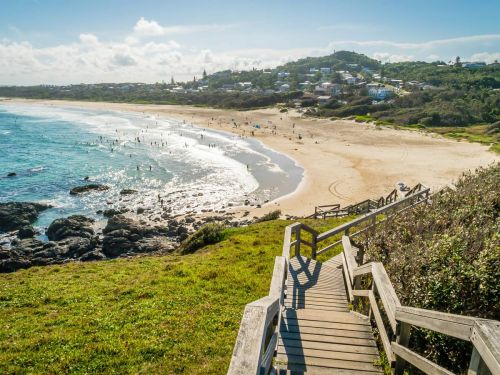
Easter is one of the most competitive travel periods of the year, with popular coastal spots like Noosa, Batemans Bay and Jervis Bay booking out well in advance. But if you can sneak in a break before the Easter madness, mid-March offers the perfect opportunity. Expect milder temperatures, quiet beaches and better rates on holiday homes.
Need tips, more detail or itinerary ideas tailored to you? Ask AT.
AI Prompt
June: The calm before the winter rush

Winter school holidays send skiers and snow lovers flocking to Jindabyne and Thredbo, but mid-June – before the school bells signal the start of the break – is an ideal time to book a last-minute winter escape. Whether you’re after crisp mountain air or a cosy beachside getaway, you’ll find better availability in winter hotspots like Coffs Harbour, Falls Creek, Surfers Paradise, Hervey Bay and Port Douglas, before the winter crowd settles in.
October: The secret spring getaway
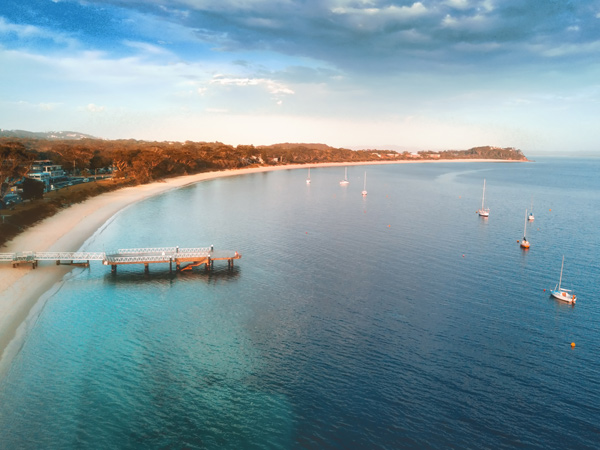
Spring school holidays see families heading to sunny spots across the country, but the magic of late October lies in its post-holiday lull. This is the perfect time to score discounted stays in coastal havens before summer prices start creeping up. Forster, Noosa and Port Stephens all offer incredible value at this time of year.
January: The summer dead week you should know about
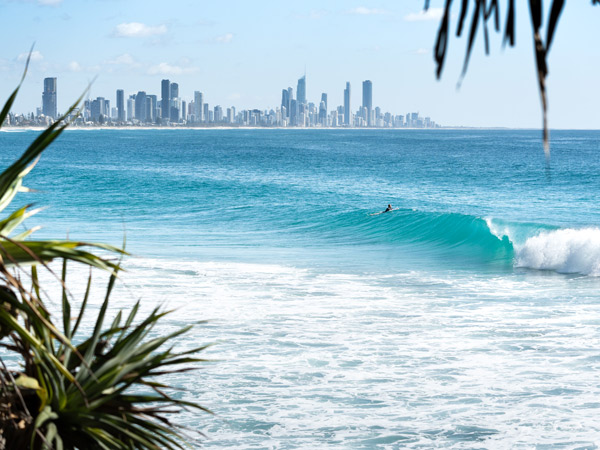
The post-New Year lull in mid-January is one of the best-kept secrets for scoring a summer getaway without the peak-season price tag. While the Christmas/New Year period sees a rush of travellers filling up Australia’s top holiday spots, demand starts to drop from the second week of January, making it the perfect time to secure a last-minute escape. Destinations like Jervis Bay, the Mornington Peninsula, Noosa and the Gold Coast often have better availability during this time, meaning you can still enjoy the height of summer without the peak-season crowds. Plus, with many families heading home for school and work, beaches, restaurants and attractions become far more relaxed.
Weekly travel news, experiences
insider tips, offers, and more.
How to maximise your dead week travel
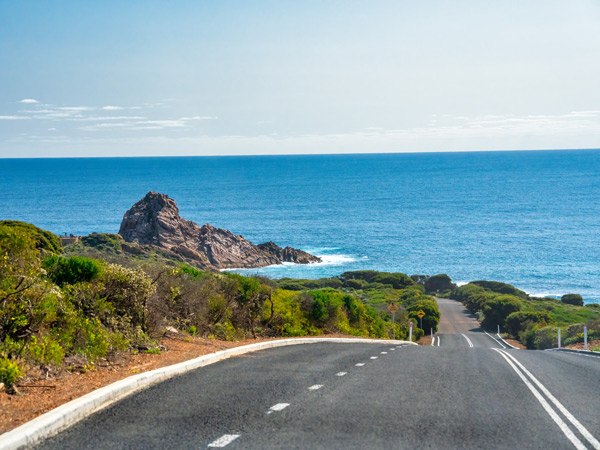
Flexibility is key when planning a trip, even during a dead week. Even shifting your stay by a day or two can unlock significant savings, as accommodation prices fluctuate based on demand. Look for discounts on holiday homes, as many offer reduced rates for longer stays or early bookings.
Booking in advance is still crucial – while dead weeks see lower occupancy, the best properties can still be snapped up quickly. Additionally, consider travelling mid-week rather than over weekends for even better deals. Airlines and hotels may also offer hidden perks, such as free upgrades or discounted add-ons, so it’s always worth asking. Finally, use price-tracking tools or sign up for travel deal alerts to ensure you’re getting the best possible rate.
If you really must travel in peak periods, here’s your deadline
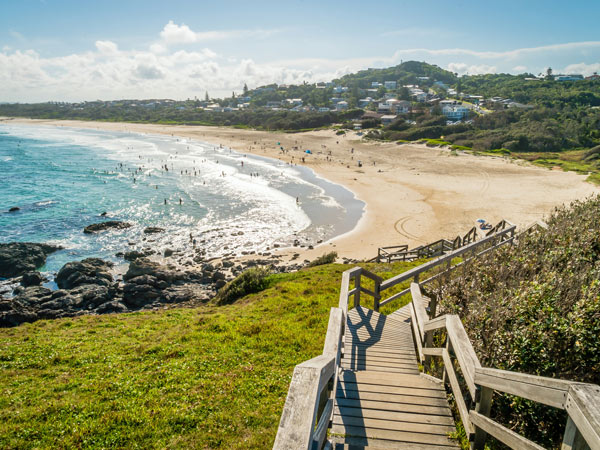
Timing is everything when securing accommodation, especially during peak travel periods.
For the Easter long weekend (18–21 April 2025), availability is already tightening in popular destinations such as Forster, Port Macquarie, the Gold Coast and the Margaret River. Stayz data suggests that less than 50 per cent of properties will still be available by the end of February, with that number dropping to under 30 per cent by early March.
Planning ahead is even more critical for summer holidays, as the last week of December is expected to be the busiest travel period of the year. Demand for holiday homes in hotspots starts surging by mid-June, and availability continues to tighten through July and August, so securing your summer stay by 21 August is highly recommended.
Want to see more stories from Australian Traveller in your Google search results?
- Click here to set Australian Traveller as a preferred source.
- Tick the box next to "Australian Traveller". That's it.