Travelling with pets: Your questions answered

hero media

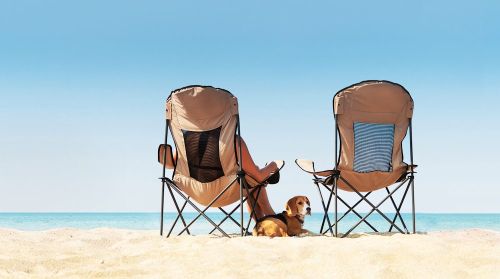
Keen to travel with dog or cat? There are now more pets than people in Australia, according to the Animal Health Alliance of Australia. Read this list of FAQs first.

1. Is it easy to travel with your pet? Our travel industry doesn’t seem that pet-friendly.

Times are changing. While the easiest way to travel with a pet is still the road-trip/camping holiday combo, according to president of the Caravan and Camping Industry Association, Theo Wilmont (and we’re inclined to agree – there are over 50 dog-friendly campsites in the popular Big4 Holiday Parks brand alone), there are other options. “I recently took my dog Ebony to Riverwood Downs, a rural property located at Barrington Tops, NSW," reveals Gareth Brock, founder of pet boarding review website petcheck-in.com.au. “They’re very accommodating for ‘pet parents’, with Ebony even offered her own pet menu – she had the Home Made Treat Tasting Plate (!)."

2. But I’m not a camper…

Get online – websites such as airbnb.com are an absolute goldmine. “If you can’t find what you’re after through the pet-friendly search filter, widen your search to include other properties and contact the hosts directly to explain your situation. Some hosts aren’t listed as pet-friendly but are open to certain pets, particularly those that are adorably well-behaved," says Airbnb country manager, Sam McDonagh. Pet-specific websites such as lovemelovemydog.com.au and dogsonholidays.com.au are also useful, although pet-friendly search filters on sites like lastminute.com.au might offer you more variety.

3. Can my pet and I stay in ‘normal’ hotels yet?

Amazingly, yes: an increasing number of motels, hotels and resorts now accept pets, including big-name brands like Best Western, Quest Serviced Apartments, Mercure and Quality Hotel. Pet-friendly status is up to the management of each property, however, so you still have to check with individual properties, but things are looking up. Expect to pay a bond, an additional cleaning fee upfront and/or to be given a ground-floor room with access to outdoors. And for your pet, many pats.

4. My dog hates being in the car. How can I convince him/her that road tripping is fun?

“The car can be quite stressful for pets," agrees Brock. “Many pets’ first or only experiences of travelling in a car are going to the dreaded vet." You can easily desensitise your dog to the car with positive reinforcement, he says (i.e. treats). “For cat lovers, playing classical music works wonders."

5. What about flying, instead?

Of the major domestic airlines, only Qantas and Virgin Australia will transport pets. Cost-wise, pets are treated as baggage if you’re flying with them, though you’ll also need to provide your own crate (or hire one direct from the airline for around $50–$80). You also need to request your pet’s flight in advance (we’d suggest giving at least two weeks’ notice in high-season periods, as freight travel can fill up).

6. Can my pet come in the cabin with me?

This is becoming increasingly common in other countries – Etihad Airways even allows falcons on board, according to its website (although you may only bring a maximum of two of your falcons at any one time), while British Airways allows cats or dogs in the cabin (in a carrier) if they weigh less than six kilograms. In Australia, this isn’t possible yet, but we’d say it’s only a matter of time.

7. What happens when my pet flies in the hold?

After checking in 90 minutes prior to the flight, your pet will be held in the freight area. Once boarded, they’re kept in their carriers, in a cabin usually below the main passenger cabin, in the same climate-, pressure- and light-controlled conditions.

8. What happens if my pet misses the flight?!

Extra peace of mind can be sought with businesses such as JetPets, which offers door-to-door service including transport, crate hire, transit lounge access and certification to open your pet’s crate before and after the flight, and comfort it if required. Cost is from around $300 including the flight. jetpets.com.au

hero media

8 Northern Territory secrets the locals don’t want you to know

Summer transforms the Northern Territory into a lush paradise of colour and life, as a visit during the ‘low-season’ reveals secrets the locals willingly share.

Waterlilies bloom, floodplains are alive with birdlife, waterfalls are gushing, and everywhere the green is dazzling. Summer in the Top End and the Red Centre is a kaleidoscope of unexpected wonders that delight and surprise visitors. Of course, the locals know only too well that the Northern Territory low season is often the best time to see and experience this amazing part of Australia.

Here are some of the reasons why savvy travellers – avoiding the crowds – are discovering a new dimension to the Territory. Remember that you’ll need a Parks Pass to visit national parks.

1. Take a dip in the Florence Falls waterhole

Wander through savanna woodland and monsoon forest to discover the perfect place to cool off – the waterhole at the base of spectacular Florence Falls in the magnificent Litchfield National Park , just 90 minutes’ drive from Darwin. The falls flow year-round but are most spectacular during the summer. Camping is available nearby but bookings are essential and must be made online before you visit.

Surrounded by lush forest, a woman cools off in Florence Falls, just one of many incredible things to do in the Northern Territory.
Cool off beneath the cascading waters of Florence Falls. (Image: Joshua Griffin)

2. Wind down at Buley Rock Hole

Another popular local swimming spot in Litchfield National Park is Buley Rock Hole , open year-round. This is a great place to wind down after exploring everything the park has to offer, including towering termite mounds. Wade through the rock pools, soak up the scenic bush or just lie back and relax as the cool water rolls over you.

Buley Rockhole, Litchfield National Park
Let the cool water wash over you. (Image: Tourism Australia)

3. Tour the Tiwi Islands

The Tiwi Islands , a scenic 80km flight from Darwin across the narrow Clarence and Dundas Straits, reveal a different side to the Territory, with their own distinctive culture. Take a day tour with Tiwi by Design to visit Bathurst Island and learn about creation stories, the Mission days, World War II history and the islanders’ obsession with AFL!

Take a ‘behind-the-scenes’ tour of Tiwi Design’s screen-printing workshop and pick up a great souvenir in the form of art. Choose from contemporary or traditional Tiwi designs and a wide range of work including carvings, paintings, pottery, printmaking, bark paintings and tunga (bark baskets).

A creative moment shared inside Tiwi Design’s screen-printing space.
Take a peek inside Tiwi Design’s screen-printing studio. (Image: Tourism NT)

4. Dine in Darwin

Foodies are spoilt for choice in multi-cultural Darwin. Try Sri Lankan flavours at Ella by Minoli, where Masterchef contestant Minoli De Silva creates delectable dishes, or head to Charlie’s of Darwin for gin-tasting, cocktails and more. Bowls of fragrant laksa, excellent coffee, fresh vegetables and authentic crafts are all part of a weekend visit to Darwin’s Parap Markets , Rapid Creek Markets and the Nightcliff Markets .

Prefer to catch your own dinner? Book a Top End fishing charter to bag a barramundi – and from October register for the annual Million Dollar Fish competition. Hooking one of the tagged barra released each year in waterways across the Territory could win you up to $1 million.

A bowl of Laksa.
Eat your way through multicultural Darwin. (Image: Tourism NT)

5. Up close with Uluṟu

The magnificent monolith Uluṟu is even more magical when the summer rains fall. When it rains on The Rock, the locals come out to watch – consider yourself lucky if that happens when you visit. Waterfalls cascading off the sides of Uluṟu is a sight that relatively few tourists see.

There’s so much to do at Uluṟu, from guided walks to learn the stories of the Aṉangu people and the ancient landscape they live in to scenic flights for a bird’s-eye view or a leisurely walk around the base of Uluṟu. Book ahead to spend the evening wandering through the Field of Light installation by Bruce Munro.

A closer look at Uluru and uncover its ancient stories, sacred sites, and striking natural beauty – one of the most iconic things to do in the Northern Territory.
Discover the details that make Uluṟu truly sacred. (Image: Tourism NT)

6. Drive the Red Centre Way

From Alice Springs, take an epic road trip along the Red Centre Way, taking in Uluru and Watarrka National Park, home to the magnificent Kings Canyon. Allow at least a week to drive through the red heart of Australia by 4WD, a little longer on the sealed road by 2WD vehicle, travelling through ochre deserts, palm-lined valleys and dramatic gorges. Stop off at waterholes for a refreshing dip along the way.

Kings Canyon offers hiking options for all levels of fitness, from the three-hour Rim Walk atop soaring sandstone walls to the gentler Kings Creek Walk. Either way, you’ll have breathtaking views.

SEIT Outback Australia is a small group touring specialist offering exciting, adventurous, exclusive and specialised iconic, pioneering and cultural touring in the Red Centre of Australia, giving you the time to learn, absorb and relax in the heart of Australia.<br /><br />This innovative tour company focuses on providing clients with the ultimate interpretive touring experiences with a range of products and customised touring itineraries for small groups and bespoke private charters.<br /><br />The company bases its philosophies from the key words of Spirit, Emotion, Intellect and Task (SEIT).
Drive through Australia’s heart. (Image: Outback Australia Tours)

7. Take a walk at Kata Tjuṯa

Head out early to tackle the Valley of the Winds Walk at Kata Tjuṯa . This natural wonder, also known as The Olgas, is a labyrinth of soaring ochre domes that glow golden at sunrise and sunset (the walk may be closed during the middle of the day as temperatures rise).

Walking trails range from easy to longer, more difficult tracks. At the Kata Tjuṯa dune viewing area, take in the panoramic view of the domes. The longest of the trails is the Valley of the Winds Walk, a 7.4km circuit that winds between the domes and through creek beds. It’s moderately difficult and steep in places, but offers stunning views – and occasional encounters with kangaroos.

The Valley of the Winds Walk at Kata Tjuta is one of the most awe-inspiring things to do in the Northern Territory, especially at sunrise when the domes glow golden.
Step into the golden light of Kata Tjuṯa. (Image: Tourism NT)

8. Explore Tjoritja/West MacDonnell Ranges

Tjoritja/West MacDonnell National Park lies 135km west of Alice Springs, with many fascinating natural features to beguile visitors. The ‘West Macs’ formations include chasms, gorges and waterholes – take your swimsuit for a dip at Ormiston Gorge waterhole, open year-round. The Ormiston Pound Walk is a three to four-hour circuit that leaves from the visitor centre and loops back along the gorge via the main waterhole. Other places of interest in the park include Simpsons Gap , Standley Chasm , Ellery Creek Big Hole and Glen Helen .

Soaking in the serenity of Ormiston Gorge, these two travellers enjoy one of the most scenic things to do in the Northern Territory.
Take the plunge at Ormiston Gorge waterhole. (Image: Joshua Griffin Litchfield)

Start planning the NT road trip of a lifetime at northernterritory.com