From Chiko Rolls to vegemite, Australia has offered the world some very weird culinary creations.
Australians have a global reputation as marching to the beat of our own drum, and nothing demonstrates why that is more than our wackiest food inventions. Got a meat pie? Chuck it in some soup. Sprinkles are great on cake, but have you ever tried slathering them over buttered bread? And let’s not even get started on vegemite (marmite will not be dignified with a response in this article, sorry/not sorry New Zealand). Here, we’ve rounded up the best of weird Australian foods.
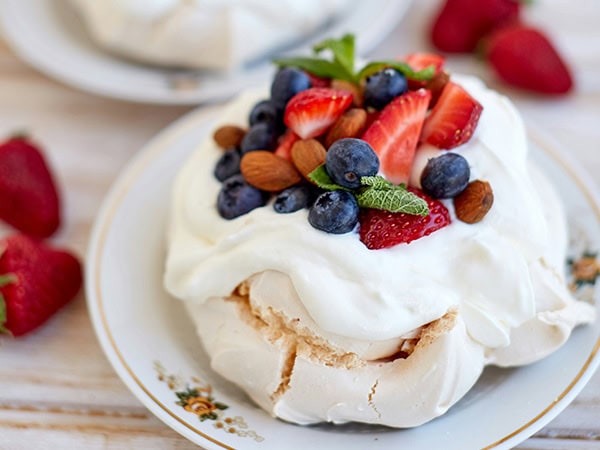
1. Pavlova
The old pavlova may be at the centre of an intense origin debate – was it Australia or New Zealand? But either way, it’s incredibly popular here. Named after Russian ballerina Anna Pavlova and appearing in the 20th century, it’s just a really lazy cake. Bake a round meringue, smother the top in cream, then top it off with as much sliced fruit as can fit and Bob’s your uncle.
Speaking of meringue, an argument could be made for adding those caterpillar meringues with Smarties eyes that dominated my childhood, but I’ll resist.
2. Chiko Rolls
As a terrible Australian, I have never tasted a Chiko Roll. Although its name is a shortened version of Chicken Roll, it’s never actually contained any chicken and maybe that’s why it’s so unappealing.
First created by a boilermaker from Bendigo in Victoria, as an alternative to Chinese-style chop suey rolls that were sold outside Richmond Cricket Ground before a footy match, the original rolls contain veggies, beef and textured soy protein. They were made using an adapted sausage machine and designed to be super easy to carry around while watching a game.
Today, they’re still easy to spot in the hands of tradies and school kids across the country.
3. Lamingtons
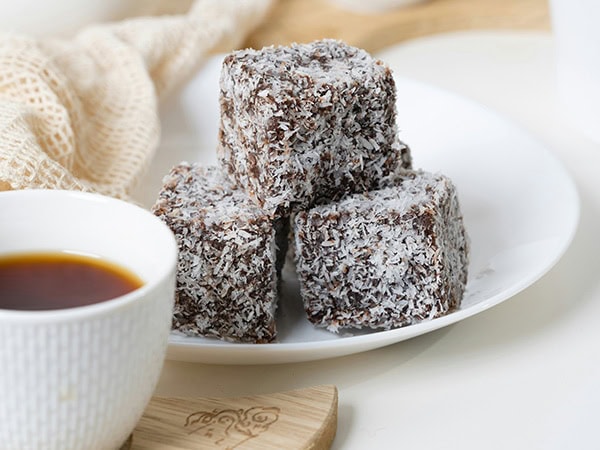
Lamingtons might be a little weird – a slightly stale cake with icing all the way around might not be the most logical creation to make – but as a dessert they’re God-tier. Especially when there’s jam and cream in the middle.
Once again, New Zealand likes to occasionally lay claim to the humble lamington, but its history is clearly traceable to Toowoomba in Queensland between 1896 and 1901.
Need tips, more detail or itinerary ideas tailored to you? Ask AT.
AI Prompt
4. Vegemite
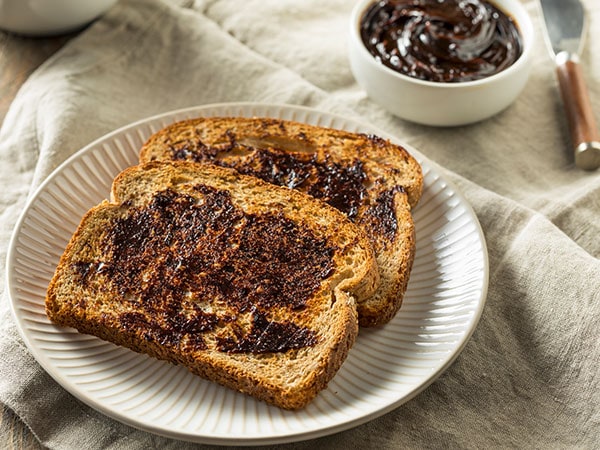
Obviously, Australia’s most infamous spread is making this list. It might be well known outside the country, but its appeal isn’t. Typically, that’s because foreigners take a spoonful as a dare instead of spreading it with butter on toast, and maybe even adding a bit of cheese, if they’re feeling decadent. It’s a hard food to describe to someone who’s never had it, but I think Terry Pratchett summed it up best in The Last Continent:
“It was just possible that if you mixed yeasty beer and vegetables together you’d get – no, what you got was salty-tasting beery brown gunk. Odd, though… it was kind of horrible, but nevertheless, Rincewind found himself having another taste."
5. Sausage sizzles
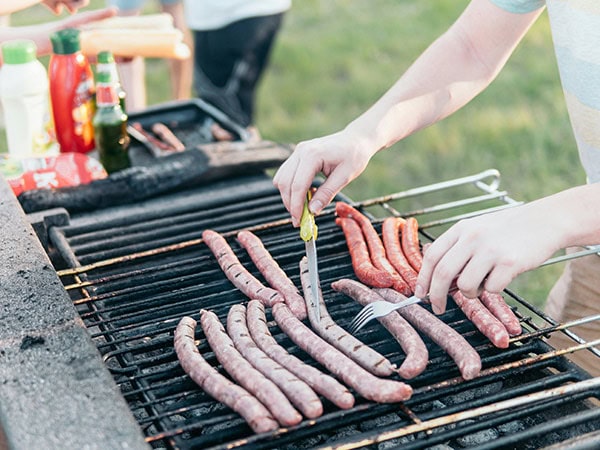
Many countries around the world have their own version of a barbeque, but none are as satisfied with the absolute basics as Australians. I promise if you present a sausage sizzle to a Brazilian they will be overcome with disappointment (I’ve seen it happen).
All we need is a piece of bread, a sausage and some sauce. Maybe some fried onion, if we’re feeling particularly fancy. In fact, we love it so much that it has become a national icon, a staple of Bunnings (another national icon) and even a symbol of democracy (see: democracy sausage).
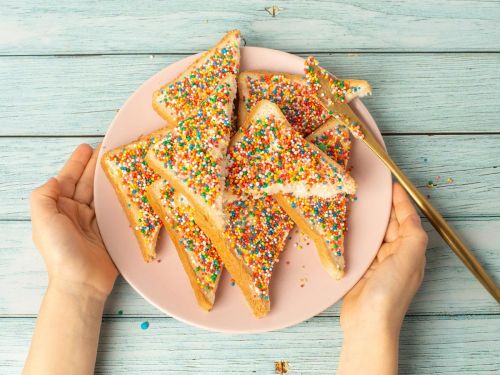
6. Fairy bread
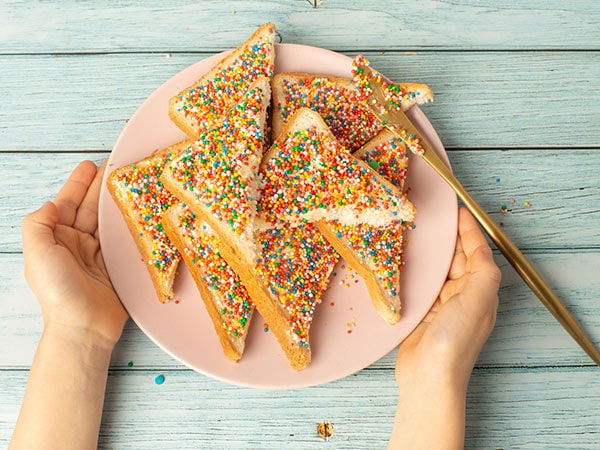
The way fairy bread rules the lives of primary school-aged children in Australia is actually wild. I’m not sure what age we all collectively decide we’re too old for fairy bread, but I can guarantee that if you bring it out at an adult party it will surprise and delight the same way it did when we were five.
But it’s weird. It’s literally a thick layer of butter spread on untoasted bread topped by an even thicker layer of sprinkles (aka 100s and 1000s). What kind of psycho puts that together and calls it a snack? I don’t know, but I want to shake their hand.
The origins of fairy bread aren’t known exactly, but rumour has it the treat was first written about in the Hobart Mercury newspaper on Anzac Day 1929. Why it was called fairy bread is unknown, but some guess that it has to do with a poem of the same name by Robert Louis Stevenson written in 1885. The name was used for a few different food items before it landed on the current bread iteration.
Weekly travel news, experiences
insider tips, offers, and more.
7. Chicken salt
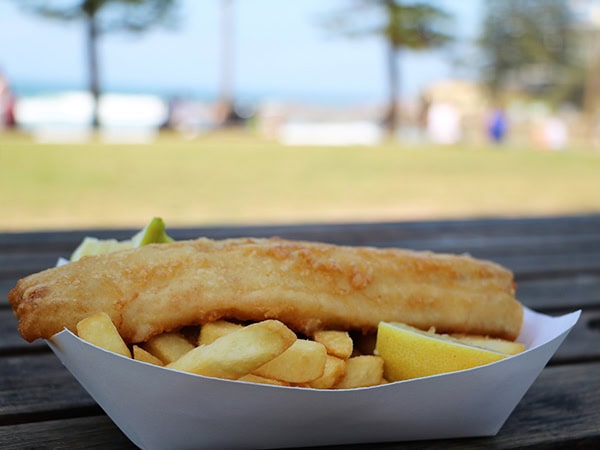
Chicken salt is as common as the regular kind in fish and chip shops around Australia, so it comes as a shock the first time you ask for it overseas and are met with confused looks.
If, like me, you assumed it was named because of chicken being on the ingredient list until you were in your late 20s, I’m here to tell you it’s not. It was first whipped up by South Australian Peter Brinkworth in the 1970s to season rotisserie chickens. It was later picked up by Big Business and distributed around Australia, for the betterment of the country.
8. Pie floater
The pie might have a long and established history all the way back to the ancient Egyptians (and first featured meat in the Neolithic period, around 9500 BC). But no one has taken a good thing and made it slightly worse like Australians.
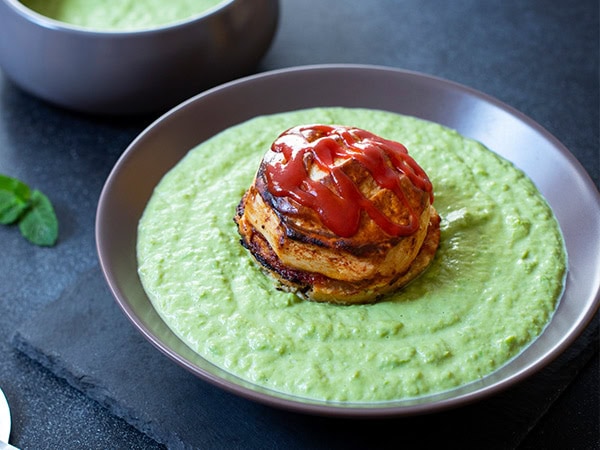
The practice of throwing a meat pie into a thick pea soup, and usually topping it off with some tomato sauce (aka, the pie floater) is believed to have been created in the 1890s. Since then, it grew in popularity in South Australia, until being officially recognised as a South Australian Heritage Icon in 2003.
Want to see more stories from Australian Traveller in your Google search results?
- Click here to set Australian Traveller as a preferred source.
- Tick the box next to "Australian Traveller". That's it.