Buckle up for an unforgettable Aussie adventure.
The Australian Traveller team has, unsurprisingly, travelled all around Australia. From sun-drenched coastal havens to the rugged outback, the team has traversed the continent and been in awe of the diverse destinations. There are so many beautiful places to discover, but knowing where to start can be overwhelming. So where should you put on your map for 2025?
Below, the team are using their expert knowledge to highlight where we think you should head this year—the special spots that embody Australia’s beauty and spirit.
Adelaide, SA
Quentin Long, Co-founder
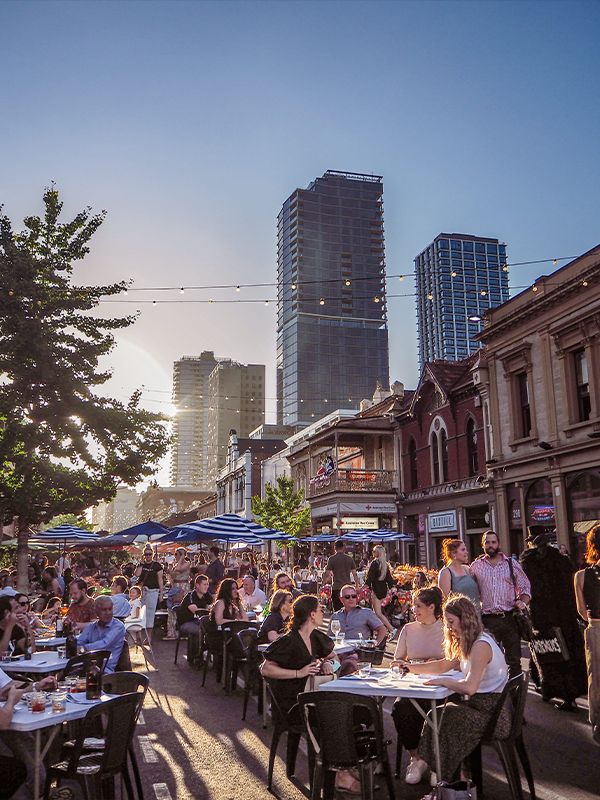
Adelaide is the forgotten, overlooked and flown-over Australian city no more. The place that has quietly promised so much for so long is tweaking my antennae as the next Tassie. Known for its embarrassing abundance of food and wine, it’s the kind of place where every pub has a wine list the envy of any Sydney or Melbourne restaurant but a lot is going on beyond just the plethora of gluttony opportunities.
With the incredible success of events like Gather Round, LIV Golf, and the Adelaide Fringe regaining its mojo, Adelaide is just one MONA away from becoming the top destination for Aussies seeking a great, indulgent long weekend away. I want to be part of this before the chattering classes of Melbourne and Sydney arrive and inflate prices by an extra 10-15 per cent.
Sunvale Lodge, Capertee, NSW
Katie Carlin, Head of Content
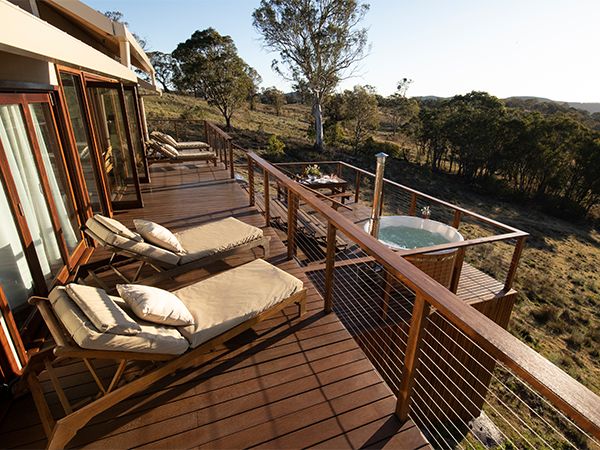
I’m continuing to lean into off-grid getaways in 2025 and a standout from my travels last year was a couple of nights spent just beyond the Blue Mountains in Capertee at Sunvale – a luxe eco-retreat nestled within the 2428-hectare Turon Gates property.
It’s perfect for group getaways (it sleeps eight people) and is nearly 100 per cent solar-powered (except for the gas stove) and features a large deck with a wood-fired hot tub.
I find being surrounded by the sights and sounds of the Aussie bush such a refreshing experience and the bifold doors in the living area, bedrooms and main bathroom made it so easy to bring the outside in.
Aside from the gorgeous accommodation you get to spend your time kayaking, horse riding and hiking – it’s truly the mid-year refresher you need! I recommend booking in autumn so you can take full advantage of the fireplace and hot tub.
Kakadu National Park, NT
Imogen Eveson, Print Editor
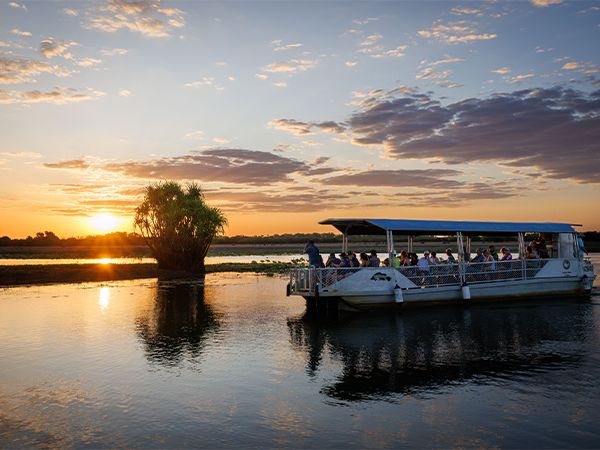
A vast living landscape in the Northern Territory’s Top End, Kakadu is Australia’s largest national park. Here, waterfalls tumble over soaring escarpments, floodplains stretch to the horizon, wildlife proliferates and at least 65,000 years of First Nations culture is felt vividly through age-old rock art and contemporary storytelling. It’s a bucket-list-worthy destination in our own backyard. And many of us don’t even realise it.
A cruise of the Yellow Water (Ngurrungurrudjba) wetlands encapsulates all that is magical here: water birds dance in a choreographed ballet. Buffaloes pad along the banks of the billabong. Saltwater crocs lurk in the shallows.
And, with Territory fresh in our minds (scenes from the Netflix hit were filmed here) and ever-expanding ways to experience Kakadu (from new cultural tours to accommodation), now is the time to go. Opt for a dry season adventure (May–October), when most of the top attractions are accessible, or a tropical summer sojourn (November–April), when rains turn the landscape lush and green and scenic flights offer windows over thundering cascades.
The icing on the cake? Kakadu is easily accessible from Darwin – which we’ve recently pegged as Australia’s coolest capital. Get there before the rest of the country cottons on.
Need tips, more detail or itinerary ideas tailored to you? Ask AT.
AI Prompt
Kangaroo Island, SA
Lauren de Sousa, Art Director
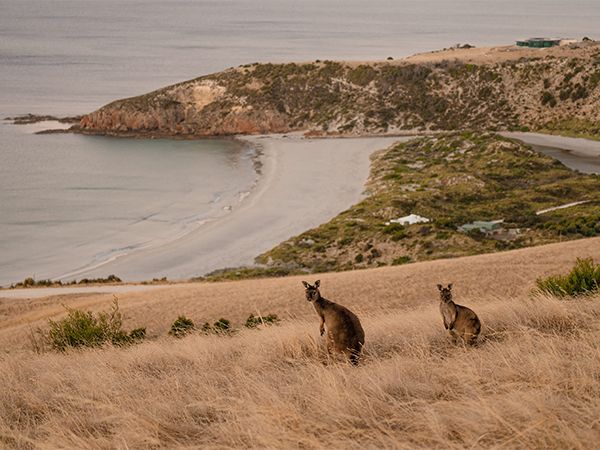
If getting back to nature and travelling slowly is high on your list for 2025, a trip to Kangaroo Island is a must for anyone seeking pristine landscape and an abundance of wildlife. Over a third of the island is protected national park, so be prepared for rolling green hills, white sandy beaches, crystal clear water, and plenty of koalas, kangaroos, and sea lions. In fact, it’s the most I’ve seen in the wild anywhere in Australia.
Looking to experience a more adventurous stay? I recommend trying out one of the many great walking trails and hikes on the island (we checked out Remarkable Rocks on the south-west coast of the island). If a little luxury is more your pace, why not stay, dine or relax at the Southern Ocean Lodge, which celebrates local and native products and ingredients.
Be prepared to end each day with a vibrant sunset, enjoying a drink around an outdoor fire pit and sleeping to the sounds of the wild. Overall, total serenity.
Broome, WA
Kassia Byrnes, Native Content Editor
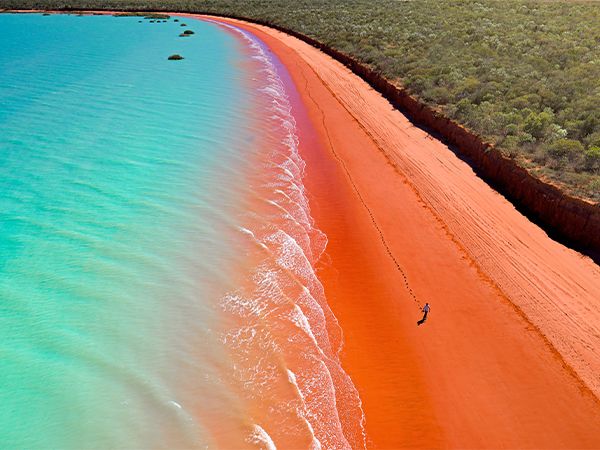
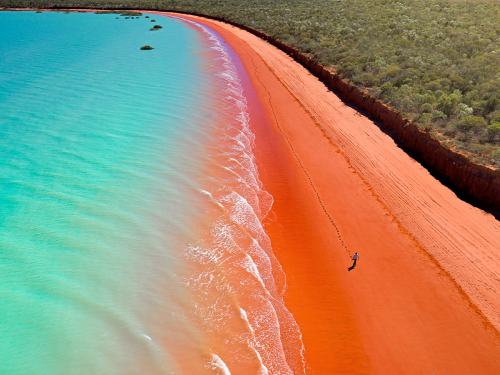
Before heading to Broome, all I really knew about the place was its small size, affinity with camels and pearling history – but there’s so much more to discover. Don’t get me wrong, Cable Beach at sunset is truly magical with classic reds, whites and blues of the land. But add to that actual dinosaur footprints, an ever-growing number of delicious cafes and restaurants, a unique Indigenous history (and a vibrant town that is very open about it) and, of course, a Matso’s Mango Beer and this is hands down the best place in Australia.
The Tweed, NSW
Rachael Thompson, Evergreen Editor
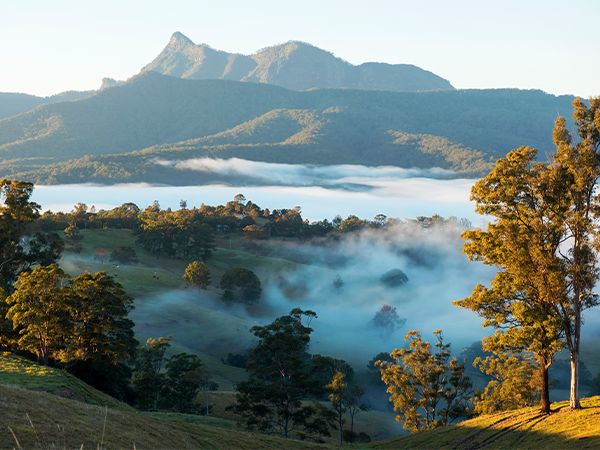
If you’re a foodie, I can’t recommend heading to The Tweed enough. Lush green valleys meet the sparkling coastline in this underrated region, also a culinary destination thanks to its subtropical climate and fertile soils.
There is an abundance of brilliant places to eat and drink, but a few highlights are: Husk Distillery, known for its colour-changing Ink gin; Harvey Cheese, a dairy lover’s dream; and Bistro Livi, which has been recognised as one of Australia’s best regional restaurants. For something special, book an Indigenous Lunch Cruise where you will cruise down the Tweed River while tucking into a two-course bush foods-inspired lunch with local Indigenous flavours.
It’s also worth heading to the region for the Savour The Tweed festival which is slated to run during October/November and will celebrate local produce, chefs, distillers, brewers, and First Nations storytellers.
Weekly travel news, experiences
insider tips, offers, and more.
K’gari, Qld
Emily Murphy, Social Media Manager & Writer
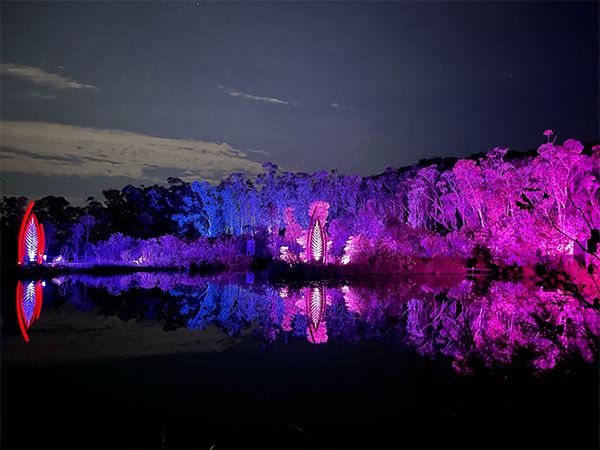
K’gari has always been a favourite destination of mine, with visits in both 2023 and 2024 igniting my love for this special place. But 2025 is the perfect year to rediscover this World Heritage-listed paradise. The launch of Illumina last year has reimagined the island, inviting both first-timers and past visitors to see it in a whole new light – much like Uluṟu after Field of Light. This immersive, storytelling installation, paired with the island’s Butchulla heritage, feels like stepping into a living legend. Add to that the magic of swimming with humpback whales and spotting marine life along its pristine shores, and K’gari is an adventure I can’t wait to revisit.
Red Centre, NT
Elizabeth Whitehead, Senior Writer
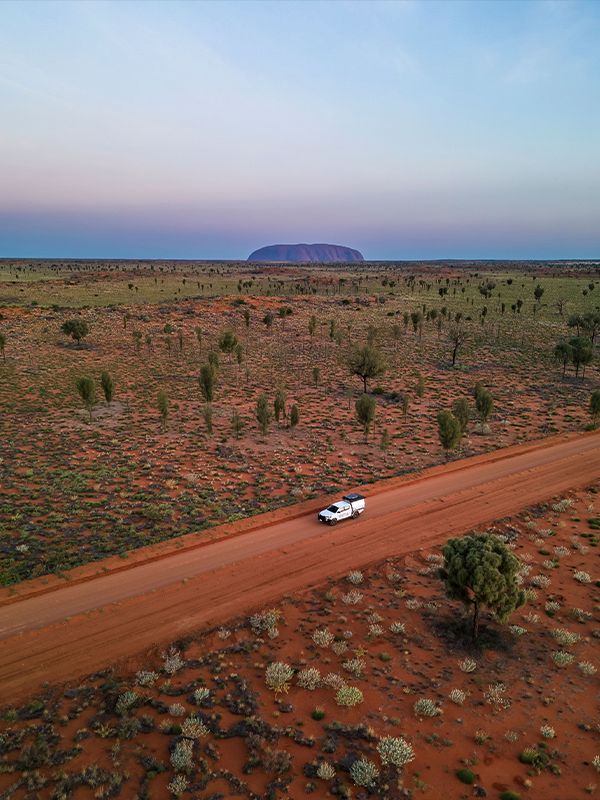
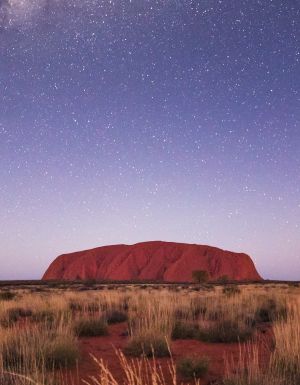
Most Australians I speak to have travelled all over the world, but comparatively few have been to the Red Centre! I was in this demographic until last year when a last-minute trip to Uluṟu and the Red Centre completely blew me away. This journey to Australia’s spiritual heart was a truly transformative experience and I regret not taking it sooner. I know all the excuses. Yes, it’s far away and remote, but if you can get to Fiji or Bali, you can get to the Red Centre. If you haven’t been yet, no more excuses in 2025!
The Tarkine, Tas
Taylah Darnell, Editorial Assistant
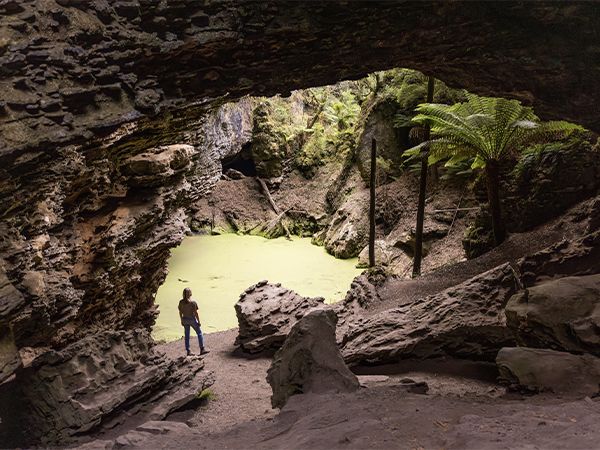
If you’re looking for somewhere to rest and recharge amongst nature, you should definitely be heading down to Tassie – particularly the stunning (and mostly crowdless) Tarkine/Takanya region in the state’s north-west. It’s around a three-hour drive from Launceston, which is an adventure in itself thanks to the pit stops along the way. I’d recommend dropping by the Ashgrove Cheese Dairy Door (think a winery, but for cheese). It’s 100 per cent Tasmanian-owned and run by a local family – truly the definition of fresh, hyperlocal produce.
Step out of the car once you reach the Tarkine and you’ll immediately understand why I love this place. With its ancient rainforests, crisp fresh air, craggy coastline and peaceful solitude, it’s a soul-healing kind of place. During my time in the Tarkine, I based myself in the tiny town of Stanley, known for its famed seafood restaurant, cosy BnBs and millennia-old rocky bluff called The Nut. Whether you trek it solo or go with a guide, I can almost guarantee you’ll leave a little piece of your heart here.
Want to see more stories from Australian Traveller in your Google search results?
- Click here to set Australian Traveller as a preferred source.
- Tick the box next to "Australian Traveller". That's it.