You Will Decide the New 7 Wonders of Nature

hero media
Uluru and the Great Barrier Reef: Wonders of the nation, or great natural wonders of the world? You decide. Words by Flora King

By mid 2011, a predicted one billion members of the population will have cast a vote and participated in an epic global poll to determine the new seven wonders of the natural world. The New7Wonders of Nature campaign was launched in 2007 and is a contemporary effort to recognise our planet’s most phenomenal natural sites and landscapes, as seen through the eyes of its public. With the announcement of these new wonders scheduled for two years from now, and with two of our national icons in the running against 26 other finalists, it is time for Australia to mark her ballot.


Breathtaking to behold and rich in cultural significance, it is without doubt the quintessential image of the Australian outback.

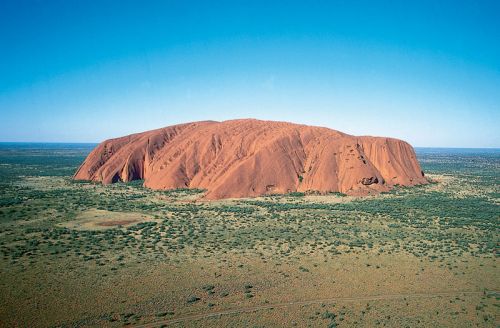
Uluru

Uluru, or Ayers Rock as it is also known, is the world’s largest monolith and an isolated remnant of what was once a full mountain range in the Kata Tjuta National Park. Grandly rising 340m above the surrounding plains it is perhaps Australia’s most recognisable natural site. Anyone who has stood before the huge rock formation at sunset and watched its smooth sandstone surface blaze a million shades of red in the changing evening light would wish to argue that it’s up there with the world’s best in terms of awe-inspiring natural beauty. Uluru is to the Aboriginal people and traditional Anangu owners of the land a scared place, emanating energy and containing the spirits of the ‘Dreamtime’ legend. Breathtaking to behold and rich in cultural significance, it is without doubt the quintessential image of the Australian outback.

The Great Barrier Reef

Australia is the only continent that can boast of having 340,000km2 of intricate live coral cays scattered across its warm, turquoise northeastern shores, and the stunning Great Barrier Reef is the world’s largest coral reef system. Made up of a myriad of over 3000 individual reefs and 900 sun-soaked golden islands, it is the only living organic collective visible from outer space. It is also one of the world’s richest areas in terms of biological diversity and home to a vast variety of sea life, including 30 species of whales and porpoises, 125 species of sharks and stingrays and over 15,000 species of fish. While the reef has been an important part of indigenous culture and spirituality for thousands of years, and parts are believed to be as much as 18 million years old, this ancient natural gift remains a dazzling jewel in Australia’s crown.

A brief look at some of the potential wonders we are up against;

The Amazon

Covering an area of 2.5 million miles, shared by nine different countries, home to a third of the world’s species, and provider of more than 20 percent of the oxygen we breathe, the sprawling, majestic Amazon represents half of our planet’s remaining rainforest and is often described as the “lungs of the world".

Puerto Princessa Underground River

Around 50km north of the city of Puerto Princesa in Palawan, Philippines is the Puerto Princesa Subterranean River National Park. Beneath the park’s spectacular limestone karst landscape flows an extraordinary underground river, which winds through 8.2km of underground caves and dark, cavernous chambers before it spills dramatically in to the South China Sea.

The Dead Sea

Landlocked between Jordan, Israel and the West Bank, the Dead Sea – at 400m below sea level – is the lowest body of water on Earth. A 30 percent salinity content means it is nearly nine times saltier than the ocean, and with little plant or animal life able to flourish in the immediate area, the sea possesses its own sparse and haunting kind of beauty.

The Grand Canyon

The Grand Canyon in northern Arizona has for many years been a world-renowned symbol of nature’s tremendous power, and almost two billion years of natural history are revealed in its layers of beautifully preserved rocks. From the top of the mile-high gorge are vistas stretching for hundreds of miles over the multicoloured, arid and strikingly inhuman landscape.

Kilimanjaro

At 5895 metres high, Tanzania’s Mount Kilimanjaro is the highest mountain in Africa, and the highest free-standing, snow-covered equatorial mountain in the world. Once a live volcano, and with a summit crater measuring 1.5 miles across, the isolated snowy peak rises spectacularly from the fertile green savannah, and is a potent motif of the country’s geographical extremes.

The Black Forest

The Black Forest is an area of mountain ranges, highland plateaus and dense fir and pine woods spread in a distinguishable rectangular shape across the Baden-Württemberg region of southwestern Germany. Once believed to be inhabited by werewolves, witches and dwarves, but perhaps now more renowned for the cuckoo clock and black forest cake, the forest remains rooted in traditional culture and mythology.

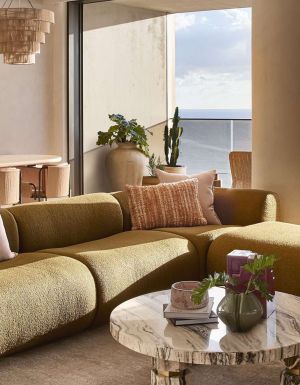
Discover the remote Queensland lodgings bringing luxury to the outback

hero media
Adventure and refined Luxury combine at the stunning Rangelands Outback Camp.

Iconic Australian red dirt, ancient rocky landscapes and bursts of greenery and wildflowers all make the small town of Winton, and its surrounds, a sight to behold. Escape the ordinary and unwind in the Queensland outback, where ancient landscapes and off-grid luxury await at Rangelands Outback Camp.

cosy seats in Rangelands Outback Camp
Unwind in the ancient outback.

About Rangelands Outback Camp

Unforgettable 360-degree views of this 95-million-year-old land await at Rangelands; bathed in style and positioned on top of a jump-up (or mesa), your tented camp seamlessly blends into its outback setting.

Set on the 53,935-square-kilometre Rangelands Station – a working cattle property – the abundant wildlife are your only neighbours; kangaroos, echidnas, eagles and other birdlife all call Rangelands home.

Bathed in style, your tented camp seamlessly blends into its outback setting. Indulge with carefully curated menus, personalised service and supersized luxury tents that guarantee a private experience. This exclusive camp only has a maximum of 12 guests at a time.

Here, the aim is pampering. From tasty menus to supersized tents with all the creature comforts, to a range of guided tours around the property and beyond.

Guests are transferred from Winton or Longreach by a dedicated Rangelands driver.

aerial shot of Rangelands Outback Camp tent
Soak in 360-degree views.

Rangelands Outback Camp tours

Join small-group tours and enjoy exclusive access to the ancient Rangelands Rifts with your Rangelands hosts. These incredible rock formations were formed by millions of years of erosion, leaving dramatic channels through the rock. Or explore the surrounds with Rangeland’s touring partner, Red Dirt Tours .

Get sunset birds-eye views over dramatic mesa country in a helicopter, from Queensland’s own Three Sisters to Corey’s Range, stopping at the best lookouts along the way.

Get up close and personal with this rugged land on four wheels, with expert drivers and guides leading guests through famous Bladensburg National Park, visiting Gondwana Stars Observatory and more.

The Winton area is famous for its boulder opals (the second-rarest opal in the world, after black opals), and a stop at the mining community of Opalton sheds a fascinating light on the unique fossicking method used to find them.

A trip to dinosaur country is a must, as this is the place that ramped up Australia’s dino contribution after a fossilised footprint was found in 1962; after more exploration, the discovery of 3300 footprints made it clear this was the world’s only evidence of a dinosaur stampede. Those same footprints are still on display today at Lark Quarry Conservation Park , a 90-minute drive from Winton. Also check out Australia’s largest collection of Australian Dinosaur fossils Australian Age of Dinosaurs, just 30 minutes from Winton. Here, join a tour through a working laboratory, dinosaur canyon and more.

A twice-daily transfer into downtown Winton is offered to guests, where they can explore the Royal Outdoor Theatre, opal shops, Waltzing Matilda Centre and more.

tour being led through Rangeland rifts
Have an exclusive adventure through the Rangeland Rifts. (Image: TEQ)

Sleeping in luxury

After a day of exploring, return to your tranquil tent for a blissful open shower and uninterrupted views from your private deck.

Designed to integrate guests into the surrounding nature, each tent feels like its own private haven. While being off-grid in the outback (in fact, each tent is powered by its own solar panels, with the added support of a backup generator), guests can also luxuriate in comfortable amenities like air conditioning, a supremely comfortable king-size bed and stylish designer touches.

Guests can stroll to the open-air Sunset Deck for breathtaking panoramic views, or to the main lounge and dining tent, where books, on-demand coffee and drinks make it the perfect place to relax after a day in the outback.

inside Rangelands Outback Camp bedroom
Enjoy plenty of space inside, and stunning views outside.

Rangelands Outback Camp dining

As the sun starts to dip below the horizon, gather for drinks and canapés on the expansive Sunset Deck, watching the sun drench the landscape in pinks and oranges as it sinks below the horizon.

Later, head to The Mahal lounge area and dining tent where mealtime magic happens. Savour a gourmet meal made fresh by Rangeland’s onsite chef. The meals use local produce to elevate classic outback dishes, and don’t worry, dietary requirements are happily accommodated.

Enjoy an open bar filled with an expansive hand-selected list of wines and premium beers, with wine pairings offered by Rangelands hosts come dinner time.

Discover more and book your luxurious stay at rangelandscamp.com.