5 of Australia’s best zoo sleepovers

hero media
Ever dreamed of a sleepover in the middle of a zoo for the night? Here are Australia’s ‘Big 5’ of zoo stays that take the term ‘roar and snore’ quite literally.

1. Jamala Wildlife Lodge, Canberra

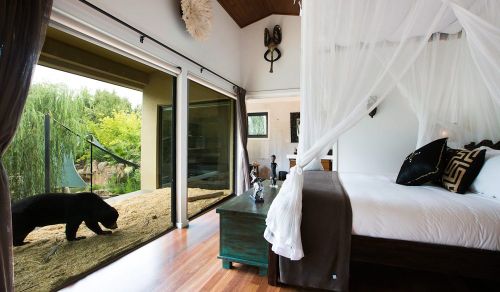
Jamala offers you a well-appointed ‘African-savannah’-style safari experience with five-star trappings, only 10 minutes from downtown Canberra. Rooms sit adjacent to many of the National Zoo’s animal enclosures, giving you face-to-face encounters with a menagerie of interesting beasties through reassuringly thick glass.


On the outside of the uShaka Lodge, Giraffe Treehouses and Jungle Bungalows you can survey roaming animals as diverse as hyenas and Bengal tigers, while inside you can check out others including a massive bear from the safety of your bubble bath.

 2. Roar & Snore, Taronga Zoo Sydney
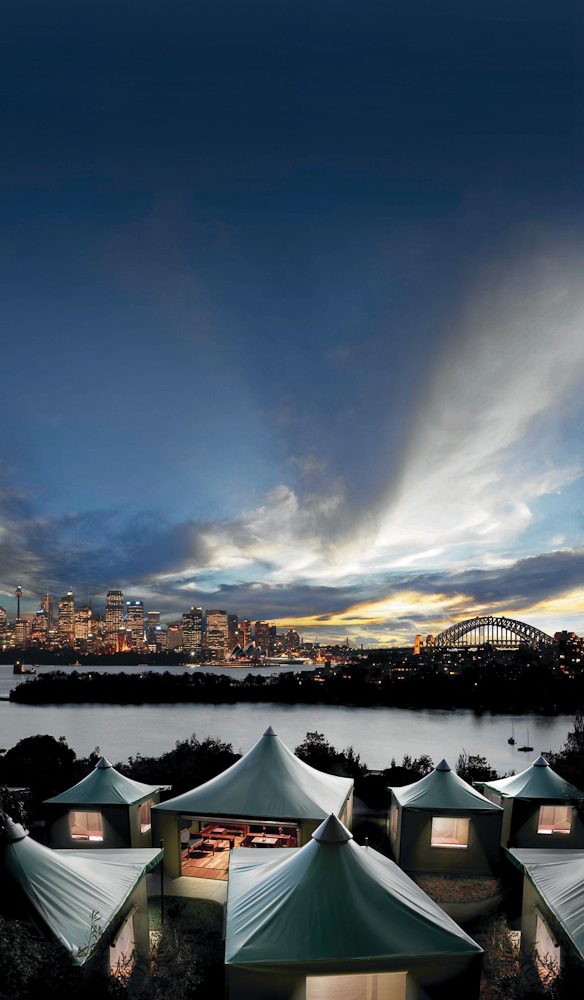
Zoo with a view: Taronga's safari tents
Zoo with a view: Taronga’s safari tents looking straight across Sydney Harbour.

The safari tents at Roar & Snore at Taronga come complete with show-stopping views to wake up to: straight across the harbour to Sydney’s skyline. On the inside, wooden floors and comfy beds elevate the accommodation well above normal camping.


Behind-the-scenes activities such as giraffe feeding and getting up close with echidnas and meerkats will have the kids in raptures, while nibbles and drinks before the torch-in-hand nocturnal tours will see you right. If you haven’t seen enough animals overnight, you have the entire next day to browse as part of the package.

3. Slumber Safari, Werribee Open Range Zoo
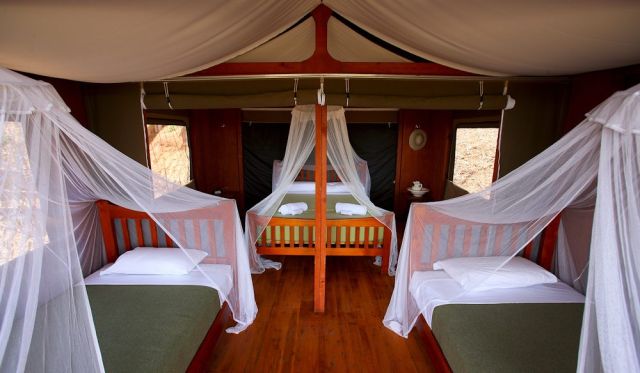
Family accommodation Slumber Safari-style at the Werribee Open Range Zoo (photo: Trent Browning).

Slumber Safari proves that zoo sleeps aren’t just for the young ones.


Half-an-hour out of Melbourne, an evening at Werribee Open Range Zoo comes with grown-up-friendly essentials; drinks and dips at sunset and an ‘African-inspired’ dinner and buffet breakfast.


The children aren’t ignored, of course, with a night walk around the 225-hectare property and scones, jam and cream by the campfire. The safari is an intimate affair, with just eight tented lodges with en suites – each with a balcony – overlooking the Werribee River and the rhinos, hippos, lions, and zebras et al on the ‘savannah’.


The zoo’s showers get the green tick of approval: they are solar powered and with a three-minute time limit.
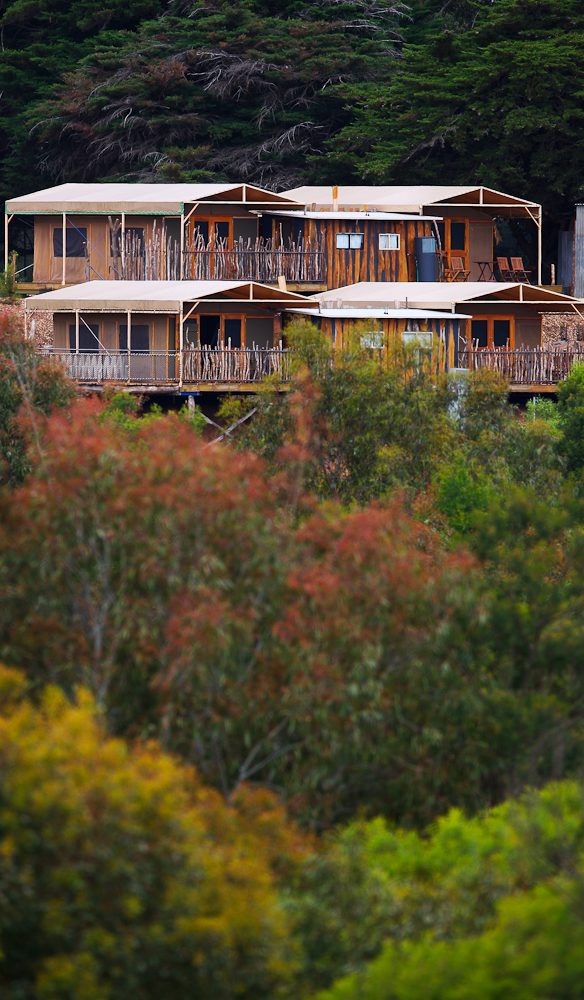
Slumber Safari - Werribee Open Range Zoo

On the savannah, Werribee Open Range Zoo (photo: Trent Browning).

Need tips, more detail or itinerary ideas tailored to you? Ask AT.

AI Prompt

4. Roar & Snore, Taronga Western Plains Zoo, Dubbo
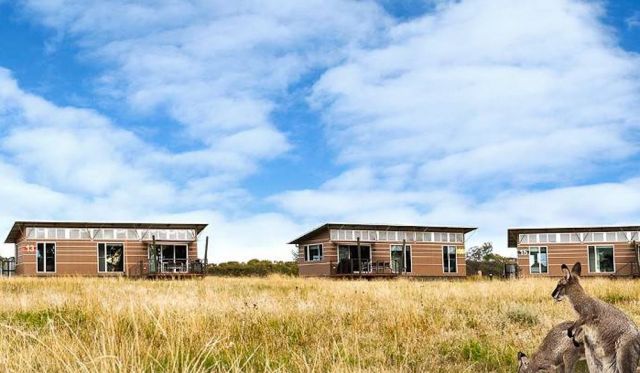
Taronga Western Plains Savannah Cabins
The wide opens spaces around Taronga Western Plains Savannah Cabins.

Taronga Western Plains Zoo is as spacious a zoo experience as you can expect; the animals getting plenty of room to roam around on the New South Wales plains. The accommodation options are similarly generous, ranging from the family friendly tents of Billabong Camp, to self-contained Savannah cabins (sleeping up to six with free wi-fi) and Zoofari Lodge (10 comfortable lodges) right on the cusp of the antelope and giraffe-filled enclosures.


There are plenty of chances to interact with the animals too; hear a talk from a dingo keeper or spotlight African wild dogs after sunset. Zoofari Lodge guests have access to a saltwater pool and bike hire is included too. Dinner itself can be a culinary adventure with crocodile and kangaroo on the menu.

Read more on the ethical, luxury Zoofari Lodge safari experience at Taronga Western Plains Zoo…

Weekly travel news, experiences
insider tips, offers, and more.

 5. Roar ‘n’ Snore, Melbourne Zoo
Road ‘n’ Snore Melbourne Zoo
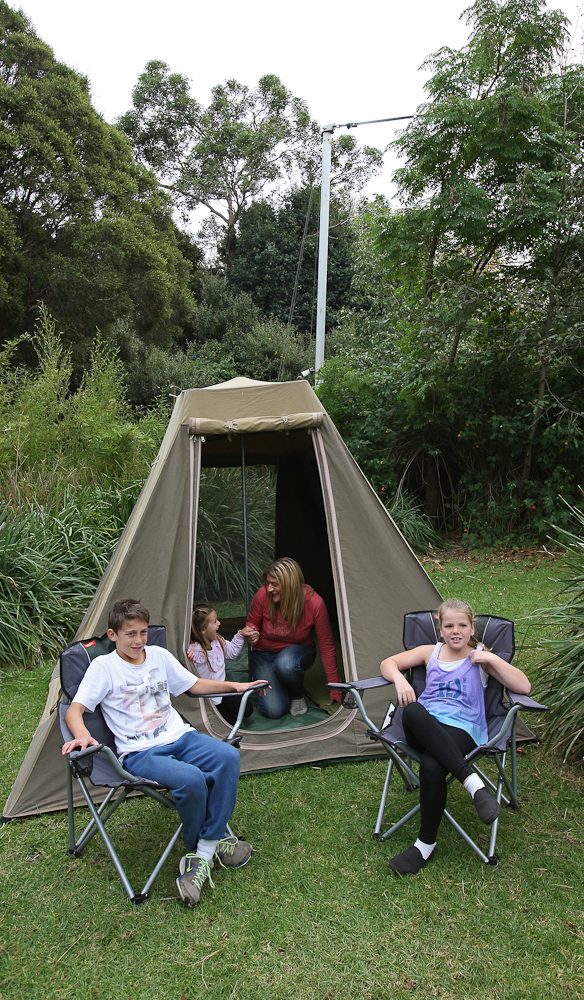
Family time: Road ‘n’ Snore, Melbourne Zoo.

More camping than glamping, but certainly a city zoo sleep worth trying out. Melbourne Zoo’s old elephant exhibit has been transformed into a camping area apt for a family adventure.


You only have to bring a sleeping bag and pillow with just about everything else included: tents, beds, BBQ dinner – with a few wines and beers for the grown-ups – supper and breakfast from the bakery are all included.


The enthusiastic young zoo guides are adept at wearing out the children with a slew of night-time activities centred on the nocturnal animals. The calls of the zoo’s gibbons are a particularly effective alarm clock.

hero media

A must-visit list of Victoria’s most iconic spots

From natural wonders to historical sites, we’ve rounded up Victoria’s most epic icons that deserve a place on your itinerary.

Grampians (Gariwerd) National Park

Mount William peak in Grampians (Gariwerd) National Park
Mount William is the highest peak in the Grampians (Gariwerd) National Park. (Image: Matt Donovan)

From towering mountains to crystal cascades and ancient rock art sites, the Grampians (Gariwerd) National Park is a playground for both outdoor adventurers and nature lovers. Don’t miss the views from the highest peak Mount William or the iconic Pinnacle.

Murray River

A paddle steamer down the Murray in Echuca
The wonders of the Murray are best experienced on board a paddle steamer. (Image: Visit Victoria)

A natural icon of majestic proportions, the Murray River flows for a staggering 2700 kilometres, making it one of the world’s longest navigable rivers. Meandering through Victoria before flowing out to sea at Goolwa in South Australia, the river is home to diverse wildlife, picturesque towns and secluded creeks and beaches.

Twelve Apostles, Port Campbell

the Twelve Apostles, Great Ocean Road
The Twelve Apostles are a star attraction on the Great Ocean Road. (Image: Tourism Australia/Two Palms/Harry Pope)

These limestone sea stacks are arguably Victoria’s most famous icon. After an $8-million upgrade to its lookout, The Blowhole near Loch Ard Gorge/Poombeeyt Kontapool (meaning breath of the whale) has recently reopened. A brand-new Twelve Apostles Visitor Experience Centre, complete with rooftop lookout, will open in 2026.

You Yangs, Geelong

kangaroos in You Yangs
Kangaroos enjoy dusk in the You Yangs. (Image: Tourism Australia)

Rising 300-plus metres from the flat volcanic plains between Melbourne/Naarm and Geelong, the You Yangs are massive granite boulders named for the local Wadawurrung word ‘Youang’, meaning ‘big hills’. Hiking, biking, rock climbing and horse-riding are popular within this regional park.

Redwood Forest, Yarra Valley

Redwood Forest, Yarra Valley
Yarra Valley’s soaring Redwood Forest. (Image: Tourism Australia)

Near the town of Warburton, an extraordinary forest of some 1500 Californian Redwoods stands among native orchids, eucalypt trees and rich birdlife. Planted in the 1930s, these 55-metre-plus trees can live for 2000 years and will grow to be some of the world’s tallest.

Wilsons Promontory, Gippsland

the Wilsons Promontory
Wilsons Promontory is home to the incredible Skull Rock formation. (Image: Tourism Australia)

The Prom, as it’s known locally, is the southernmost tip of mainland Australia. This 50,000-hectare reserve comprises granite mountains and forest, fringed by sandy beaches and surrounded by a marine park rich in marine biodiversity. It’s also home to the incredible and imposing Skull Rock formation.

Hanging Rock Reserve, Macedon Ranges

the Hanging Rock Reserve, Macedon Ranges
Enigmatic Hanging Rock. (Image: Visit Victoria/ Rob Blackburn)

This six-million-year-old volcanic rock was thrown into the national spotlight thanks to the 1967 novel and consequent 1975 film based on the fictional disappearance of schoolgirls in 1901. Mystery aside, visitors can walk the steep 105-metre summit, fish for trout and go twitching.

Sovereign Hill, Ballarat

exploring Sovereign Hill
Step back in time at Sovereign Hill. (Image: Tourism Australia)

Cry ‘eureka!’ at Sovereign Hill, a living museum to the prosperous Gold Rush era of the 1850s, during which Ballarat produced the most gold in the world. Visitors to this much-loved attraction can walk historic  streets, enter a gold mine and try panning for the good stuff, too.

The Great Stupa, Bendigo

Great Stupa, Bendigo
The Great Stupa in Bendigo. (Image: Tourism Australia)

Who’d have thought the largest Buddhist temple in the Western world would be tucked away in Bendigo’s bushland? Welcoming visitors to explore, this sacred Buddhist pagoda is an epicentre for Tibetan culture, architecture, art and interfaith harmony.

Cape Schanck Lighthouse, Mornington Peninsula

the Cape Schanck Lighthouse from above
Heritage-listed Cape Schanck Lighthouse. (Image: Tourism Australia/Two Palms/Harry Pope)

Ensuring the safe passage of ships in the notoriously treacherous Bass Strait since 1859, this heritage-listed lighthouse overlooks dramatic volcanic coast and wild beaches. The surrounding reserve is home to a plethora of wildlife including little penguins, seals and echidnas.