Enjoy carbon-positive, historic travel and scenic views aboard the world’s first solar-powered train.
For most of us, catching the train to work is just another routine – but how many can say they’ve actually driven one? Now, Byron Bay Railroad Company is shaking things up by giving guests the rare chance to get behind the wheel of its historic, fully solar-powered locomotive – Byron Bay Train.
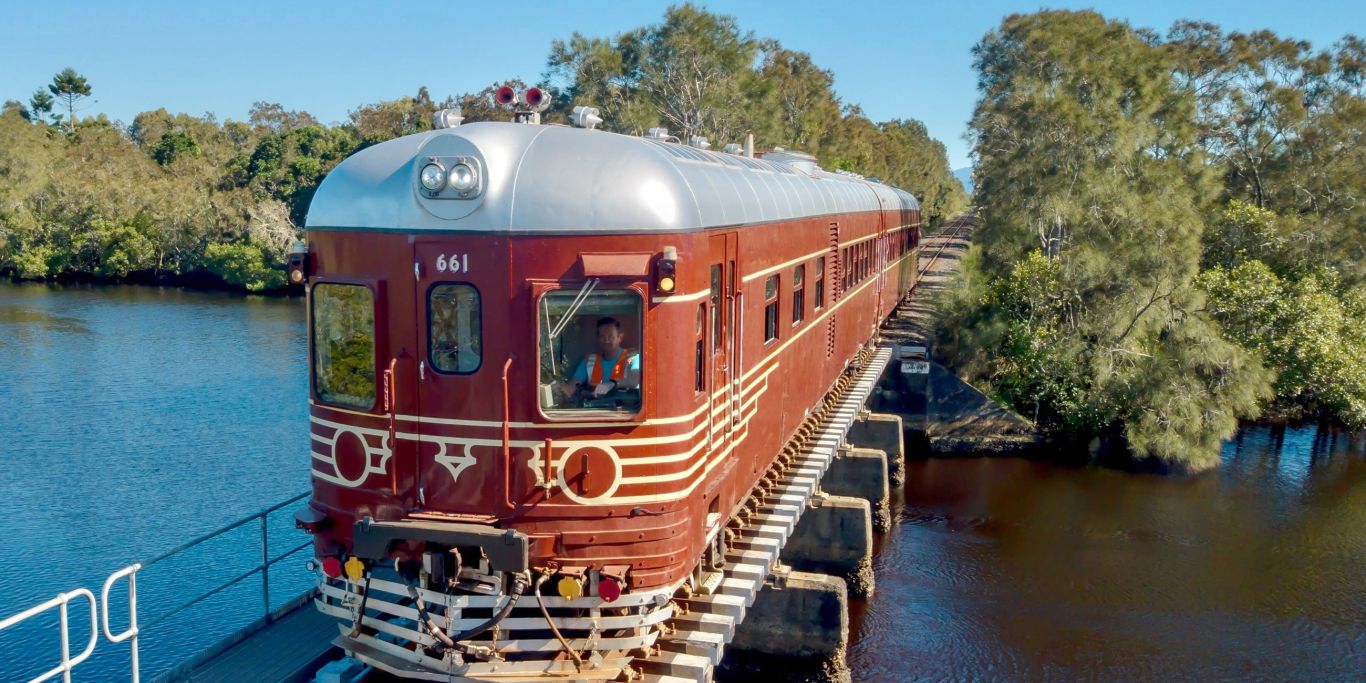
Launched in 2017 by not-for-profit company Byron Bay Railroad Company, the world’s first full solar-powered train was built using restored 1949 carriages, resulting in a charming and nostalgic bright red vessel. Prior to this, the two-car heritage carriages had been out of service for decades, but they remain a rare piece of Australian rail history.
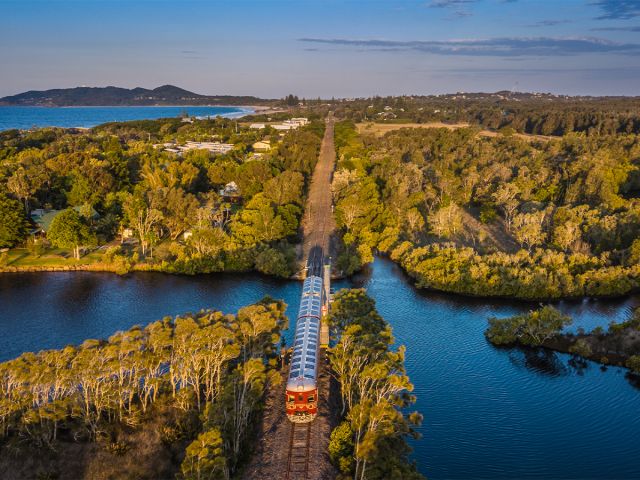
The scenic journey runs along three kilometres of restored track.
On a normal day, travellers can ride in style either in First Class on vintage lounge seats or in the liveliness of coach class, enjoying the peaceful Byron Bay views and retro design. The scenic journey runs along three kilometres of restored track – part of the historic 132-kilometre Casino to Murwillumbah line – including a refurbished bridge, all repaired by the Byron Bay Railroad Company.
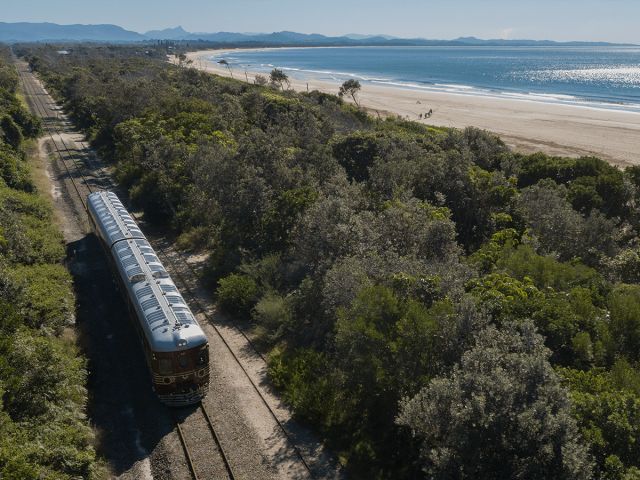
The journey passes through littoral rainforest, endangered coastal wetlands and Tea Tree Belongil Creek in Cape Byron Marine Park. Travel time is ten minutes one way or 25 minutes return from North Beach Station, with the return service running 364 days a year for up to 92 seated passengers.
The Byron Bay Train is the world’s first full solar-powered train.
For those wanting a new adventure and the chance to take the driver’s seat, the “Drive the World’s First Solar Train" experience offers a unique opportunity to actually drive a train. Packages include a half-day training session, which includes a certificate, cap and badge, or a full-day training session with lunch. General Manager Robert Jarvis shared his enthusiasm for the new experience, stating: “If there’s one thing we hear from passengers day in and day out, it’s that they have always wanted to be a train driver."
The only other solar train in the world currently operates in Argentina, making this a one-of-a-kind experience to enjoy cutting-edge sustainable travel, nostalgia and coastal charm in Byron Bay.
The train passes over Tea Tree Belongil Creek.
Prefer to sit back and enjoy the ride? There’s also a $35 lunch deal that includes a return adult train ticket and lunch at the North Byron Hotel.
Half-day lessons: $550
Full-day lessons: $960
Rachael Thompson is Australian Traveller's Evergreen Editor and a self-proclaimed cheese and Chablis connoisseur. In her role, she creates and manages online content that remains relevant and valuable over time. With a background in publishing and e-commerce in both interior design and travel, Rachael is dedicated to curating engaging content that informs and inspires. She began her career at Belle magazine, then went on to become Senior Content Producer at Homes to Love focusing on Australian House & Garden and Belle, followed by Editor at Bed Threads. Her work has also appeared in Qantas Travel Insider. When she's not writing, editing, or optimising content, Rachael enjoys exploring the city's newest restaurants, bars, and hotels. Next on her Aussie travel wish list are Uluṟu-Kata Tjuṯa National Park and Lord Howe Island.
Warmer days call for slowing down and relaxing in nature. Discover why The Tweed is the ultimate destination to do just that.
As the end of the year draws near, the need for rest and restoration grows ever more prominent. For many, that means heading into nature – and there’s plenty of science to back up the benefits of doing so. It quite literally makes us happier as it reduces stress hormones, lowers our blood pressure and more. And what better place to lean into this feel-good effect than during summer in The Tweed (in the Northern Rivers region of NSW)? Blending sparkling beaches, riverside towns and hinterland villages, this area has nature covered, while also offering top activities and dining options.
Slip, slop, slap.
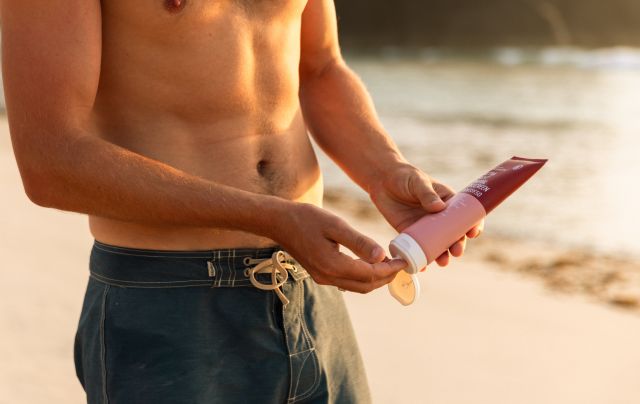
And of course, pack your SPF. We Are Feel Good Inc’s Ultra-Light Mineral Sunscreen Lotion SPF 50 is a lightweight and fast-absorbing formula that keeps your skin hydrated and shielded, thanks to nourishing Coconut Oil and Vitamin E. But it’s also helping preserve the natural beauty around you on your Tweed vacation, thanks to 30 per cent ocean waste packaging.
Discover eight experiences that make The Tweed the perfect place for summer.
1. Underwater worlds
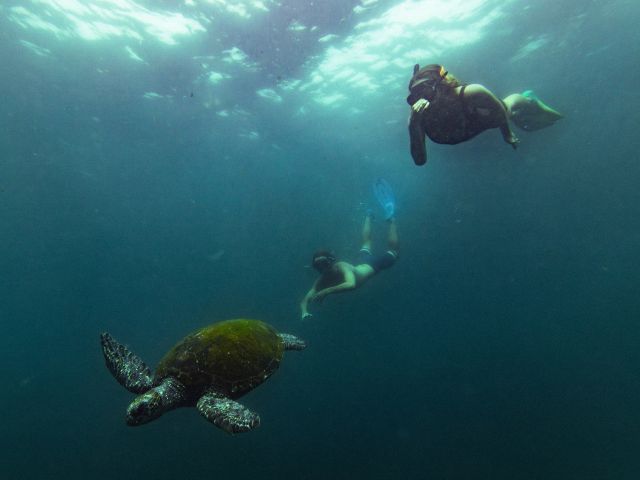
Get a chance to swim with the locals.
There’s something about the ocean that calls to us as humans, and what’s below the surface is even more magical.
Green, hawksbill and loggerhead turtles (not to mention an abundance of other marine life) all use the protected waters around Cook Island, near Fingal Head, as their foraging ground, making it the perfect place to dive and snorkel to spot these adorable creatures.
Join Cooly Eco Adventures on a guided snorkelling tour that combines unforgettable turtle encounters with an inspiring look into marine conservation.
2. Farm-to-table dining
Treat your taste buds at Potager. (Image: Cara Sophie)
Respecting the land and nature also means appreciating its abundance of food. From farm-to-table cafes and boutique breweries to river cruises and restaurants championing local produce, dining around The Tweed often means engaging with the best local producers.
The award-winning Potager Restaurant , part of The Hinterland Collection, is the perfect example; beginning life as a kitchen garden, the passion to champion local producers is woven into every dish. Vegetables, fruit and herbs are picked from the garden or sourced from other local producers, the seafood comes from the Northern Rivers, and meat is sourced from ethical local producers. Even the cocktail list features local distillers.
Extend your stay with a night (or several) at boutique on-site accommodation, Potager House . This French-inspired country four-bedroom retreat boasts stunning views of the surrounding hills and nearby ocean, as well as a large pool, outdoor entertaining area and infrared sauna.
3. Water wellness
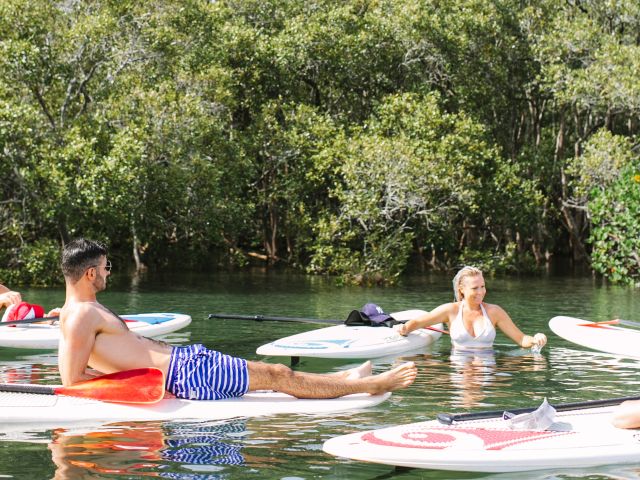
Find mindfulness in mangroves. (Image: Matt Johnson)
You’ll find mindfulness while floating around the mangroves of Kingscliff’s Cudgen Creek at any time, but Watersports Guru offers an immersive experience to help guests do so with more intent. Join a 90-minute guided session on a stand-up paddleboard to reconnect with nature and relax through breathwork, gentle movement and sensory awareness.
If you’re feeling more adventurous, Watersports Guru also offer Kayak fishing adventures or join a Sea Turtle Odyssey experience.
4. Restorative seaside stays
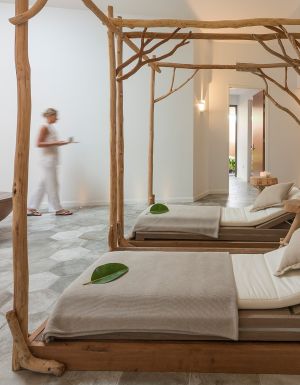
Unwind at Halcyon Wellness.
The Tweed encourages locals and visitors alike to slow down. To really indulge, a seaside stay is a must. Halcyon House has understood the assignment, blending a wellness philosophy centred on balance and self-discovery with luxurious surrounds. Stay in one of 22 rooms and suites (each individually designed by eclectic interior designer Anna Spiro) right on the beachfront. Book restorative treatments at the onsite spa, Halcyon Wellness, relax by the pool, dine at the hatted Paper Daisy restaurant and just let The Tweed work its magic.
While Blue Water Motel offers a relaxed coastal escape, just steps from Kingscliff Beach. Settle in stylish rooms, recently restyled by Jason Grant, nodding to the cool of Kingscliff with a fun retro vibe. Hire a bike from reception to explore the surrounding area.
5. Tasty drops
Join a Farm to Bottle tour. (Image: Salsingh Photography)
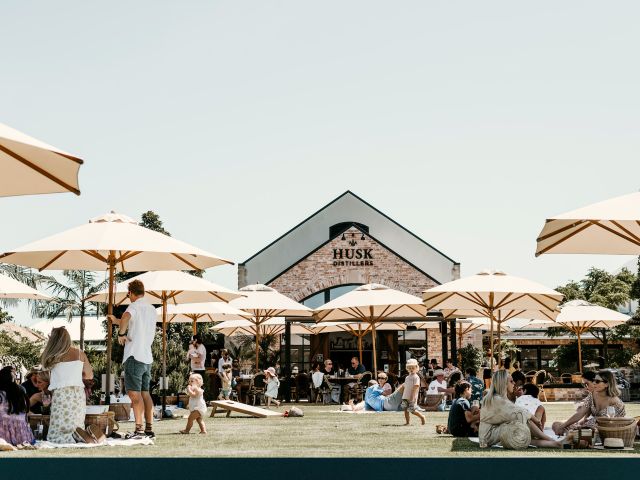
The owners at Husk Farm Distillery aren’t just about creating high-quality rum: they’re also farmers themselves. In fact, they create one of the world’s only single estate, farm-to-bottle spirits. Join a Farm to Bottle tour to discover the sustainable ‘full circle’ distilling practices used here, and even get hands-on with your own cane knife to help harvest and juice your own stalk of cane. And, of course, a welcome drink plus complimentary tastings along the way.
6. Rail trail adventures
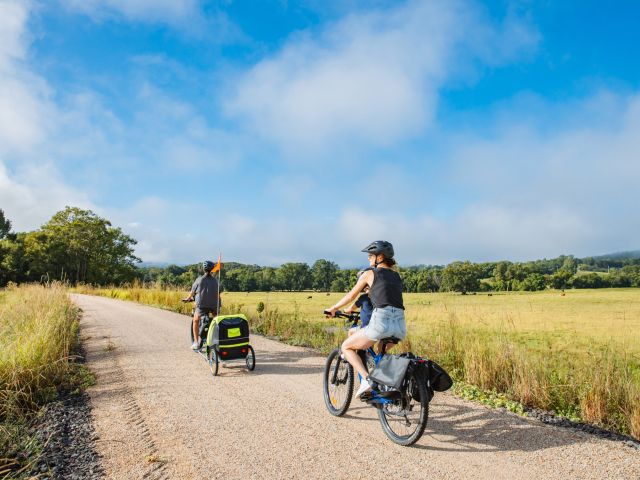
Cycle the Northern Rivers Rail Trail.
Exploring the rolling green slopes and historic towns of the 24-kilometre Tweed section of the Northern Rivers Rail Trail is one of the best ways to connect with the region’s lush hinterland and interesting heritage. In this section of the trail, discover the area’s railway history at heritage-listed Murwillumbah Railway Station, and traverse by 18 railway bridges and through two railway tunnels.
Linking vibrant towns and villages with the larger hub of Murwillumbah, this section of the trail is covered in asphalt or compacted gravel, making it accessible for all ages and abilities, from prams to adaptive bikes.
7. Linger longer
Enjoy beachside locations, like Fingal Heads.
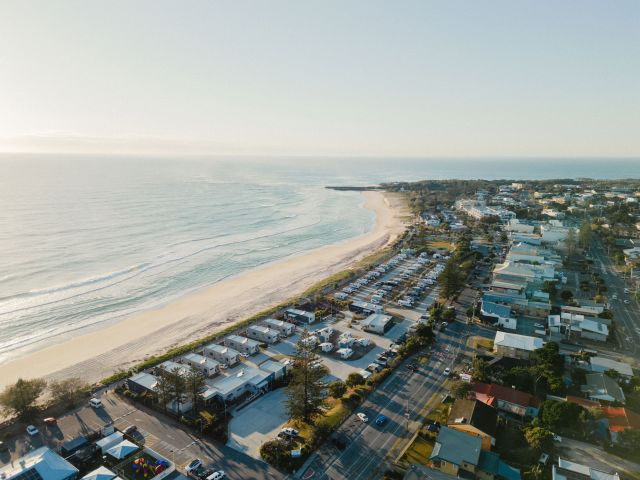
Linger longer at one of the seven idyllic beach, river and creekside locations of Tweed Holiday Parks – including at Tweed Heads, Kingscliff Beach, Hastings Point and Pottsville South. All just steps from the water’s edge, they make the ideal base to unwind, or head out for exploration of The Tweed. Choose from luxury waterfront cabins, accessible cabins, surfari tents (yes, they are basically glamping tents) or spacious sites for caravans, motorhomes and campervans or tents.
Stay for longer and indulge in plat at Tweed Holiday Parks.